Understeer and oversteer are the two ways a car stops doing what you told it to do in a corner. Both come down to a tire losing grip, but at different ends of the car, and the difference completely changes how the car behaves and how you fix it.
Get these two straight and a lot of car conversations suddenly make sense, from why front-drive hatchbacks feel safe to why drifting exists at all. Here's the difference, plainly.
What Understeer Is
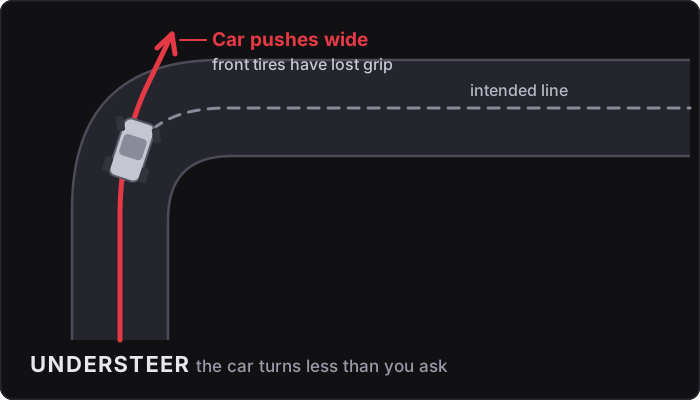
Understeer is when the car turns less than you're asking it to. You turn the wheel, but the front tires have run out of grip, so instead of following your line the car pushes wide toward the outside of the corner. It feels like the steering has gone light and vague, as if the front end is plowing straight ahead despite your input.
Understeer is most common in front-wheel-drive cars, where the front tires are doing both the steering and the driving. It's also the safer of the two for most drivers, because the fix is intuitive: ease off the throttle, and the front tires regain grip and the car tucks back into the turn.
What Oversteer Is
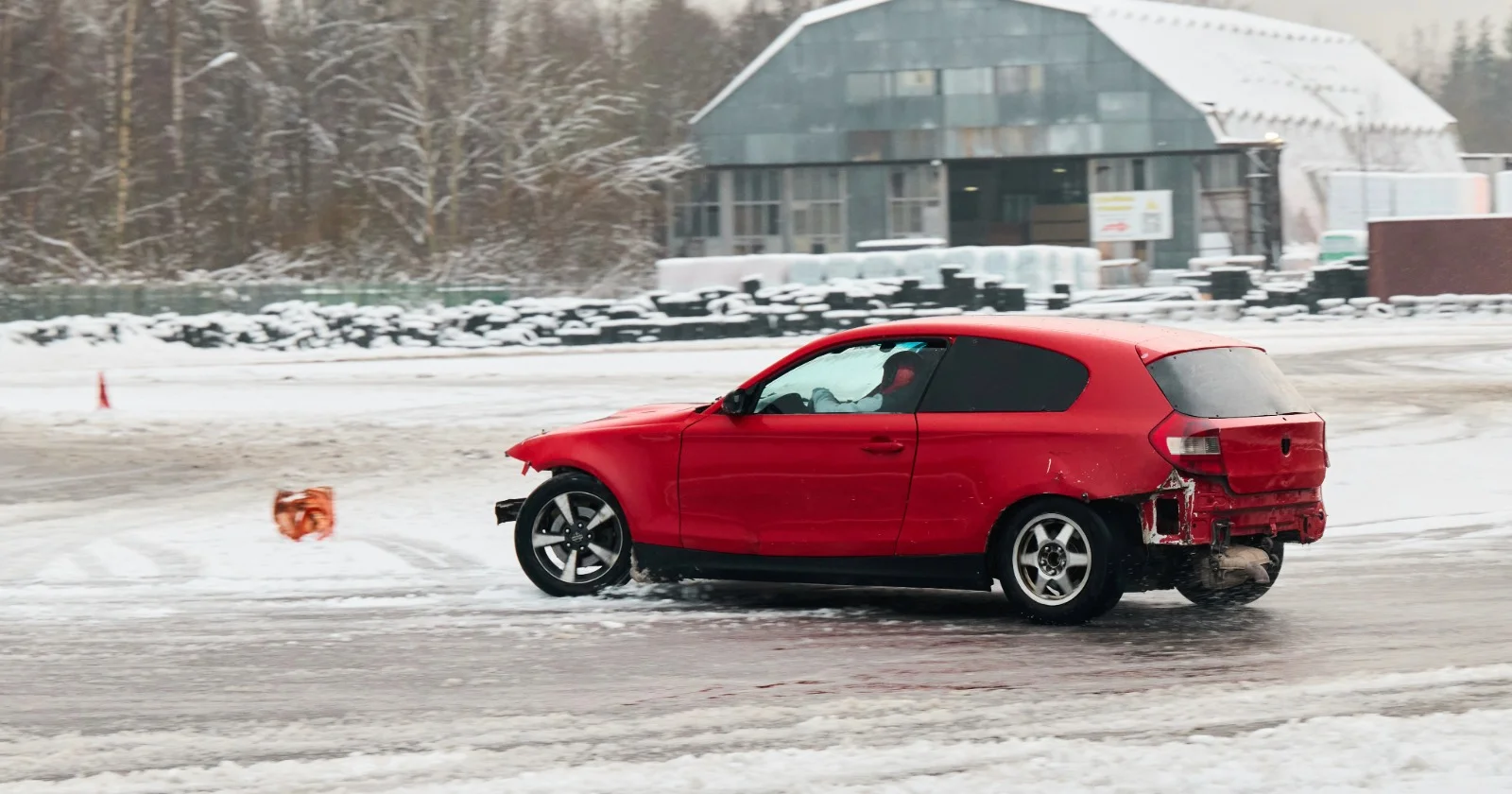
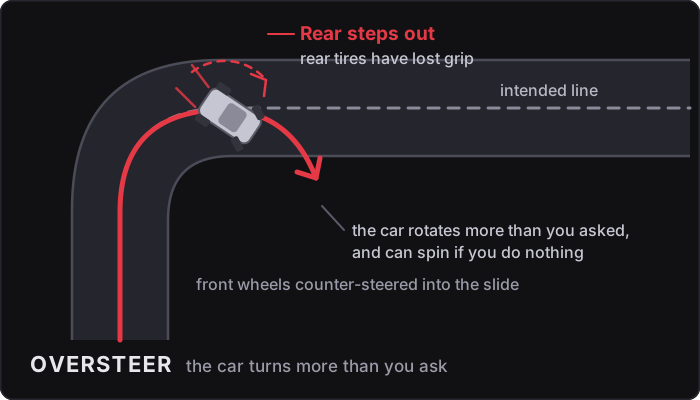
Oversteer is the opposite. The car turns more than you asked, because the rear tires have lost grip and the back of the car is sliding outward. The nose points further into the corner than you intended, and if you do nothing the car will keep rotating, potentially into a spin.
Oversteer is most associated with rear-wheel-drive cars, especially under too much power or a sudden lift off the throttle mid-corner. The fix is less intuitive and takes practice: steer into the slide, the same direction the rear is sliding, and manage the throttle carefully to settle the car.
How to Remember Which Is Which
The simplest way: with understeer, the front pushes wide and you run toward the outside of the corner nose-first. With oversteer, the rear steps out and the car tries to spin. One is the car refusing to turn; the other is the car turning too eagerly.
Why Drifters Chase Oversteer
Here's the twist. Everything above treats oversteer as a problem to correct, and on the road it is. But controlled, deliberate, sustained oversteer is the entire foundation of drifting. A drifter holds the car in a continuous rear-wheel slide through a corner, balancing throttle and steering to keep it sideways on purpose. What terrifies a normal driver is, in the right hands, a discipline all its own. It's the clearest example of how car people took a handling behavior and turned it into an art form.
Handling in the Faceoff Arena
You can't see understeer or oversteer in a parked photo, but you can often see the intent. A car set up to rotate, rear-drive, aggressive, sitting right, tells you its owner is chasing a certain kind of driving. Voters who understand the difference read that setup as a sign the car is built to be driven, not just parked.
Upload your build to WhipJury and let the crowd judge whether it looks as capable as it's set up to be.
Sources:
Definitions, causes, and corrections for understeer and oversteer: Carwow
Which drivetrains tend toward each, and safety notes: Continental Tires
Frequently Asked Questions

Cam Walsh has been obsessing over cars since before he could drive one. Based out of Atlanta, Cam covers automotive design, car culture, and the eternal debate over which whips actually look the part.