DuelsLeaderboardGarageBlogCarsGlossaryBrowse

Honda Civic

Honda

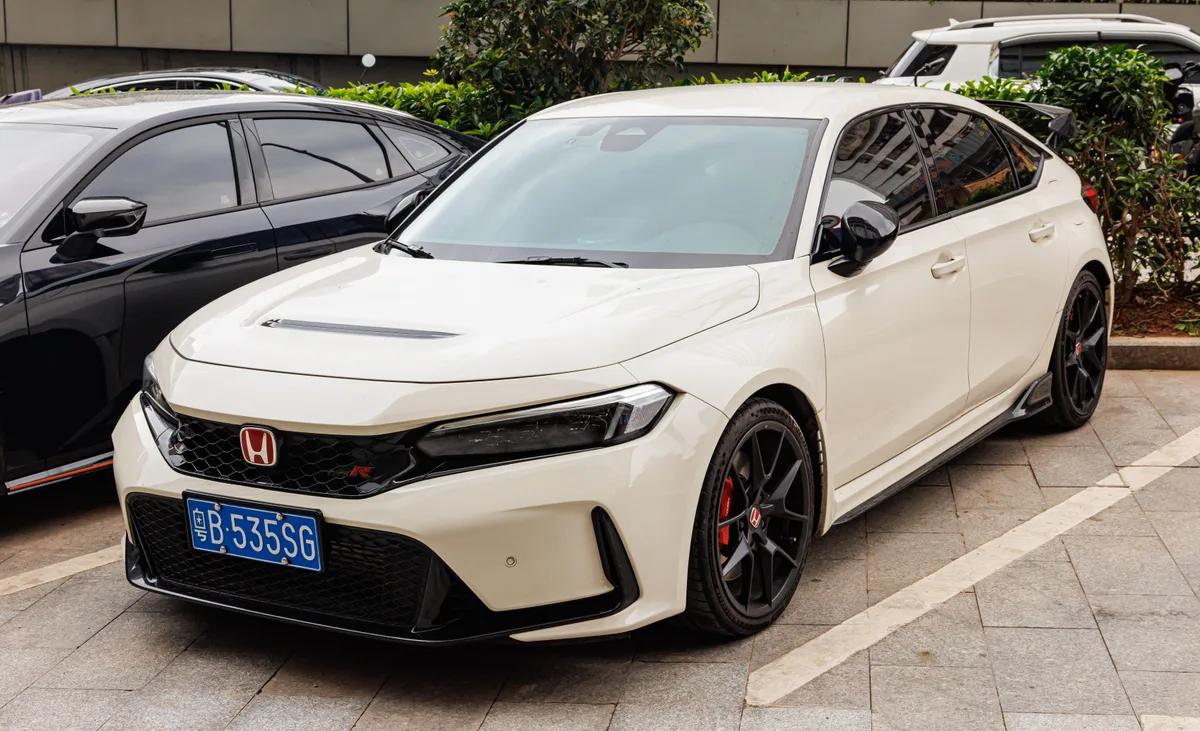
Honda Civic: The default tuner platform for two generations of enthusiasts. Cheap, light, reliable, and infinitely modifiab
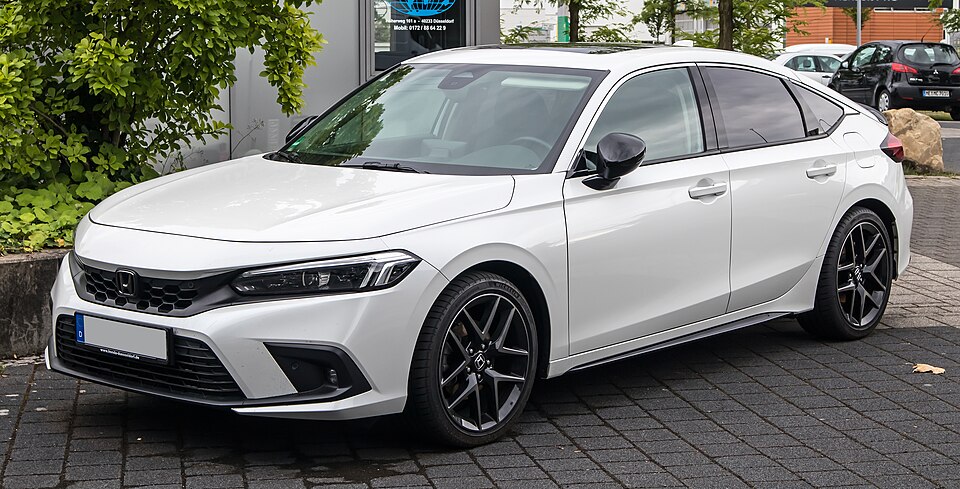
Photo: \u00a9 M 93 / Wikimedia Commons · CC BY-SA 3.0 de

The default tuner platform for two generations of enthusiasts. Cheap, light, reliable, and infinitely modifiable.

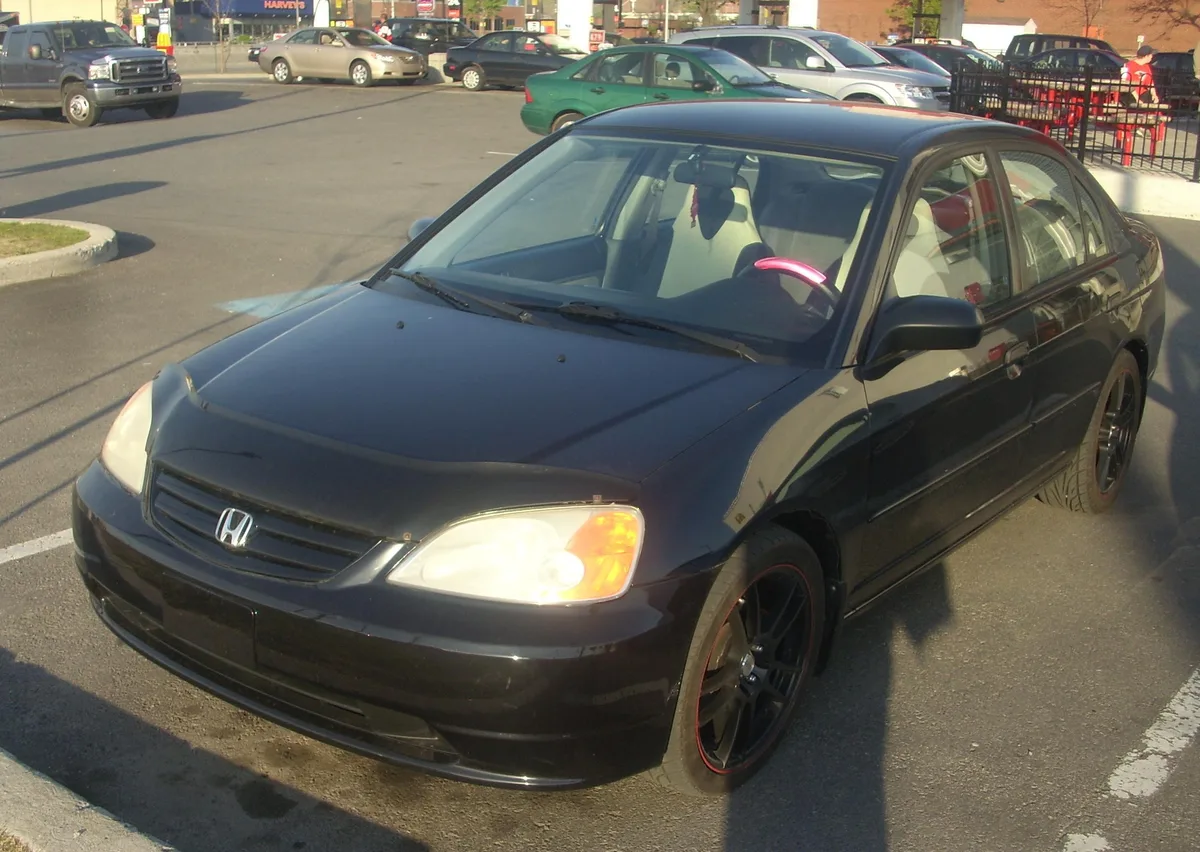
The Honda Civic is the most-modified car in tuner history, full stop. Launched in 1972 as a fuel-efficient subcompact, the Civic evolved through 11 generations into a global household name and the foundational platform for everything from autocross to drag racing to drift. The combination of light weight, balanced chassis, and Honda B-series and K-series engines made the Civic the obvious choice for anyone wanting performance on a budget. The platform peaked culturally in the EG (1992-1995), EK (1996-2000), and EP3 (2001-2005) generations. EG and EK Civics dominated tuner culture in the 1990s and 2000s, with B-series engine swaps producing reliable 200+ horsepower from a sub-2,500-pound chassis. The DC2 Integra Type R shared this chassis and pushed the formula to its limit. Modern Civics (FK8 Type R from 2017, FL5 Type R from 2023) have moved upmarket, with turbocharged K20C engines producing 300+ horsepower in factory trim and chassis dynamics that lap the Nürburgring faster than many sports cars. The base Civic remains an affordable compact, and the Si trim continues the affordable-performance tradition that defined the platform. On WhipJury, Civic submissions span every era: clean stock EJ Civics, B-series-swapped EGs, K20-swapped EKs, modern Si and Type R builds, and the occasional 1980s Civic Wagovan or hatch. The community knows the chassis codes deeply.

Top Honda Civic examples on WhipJury
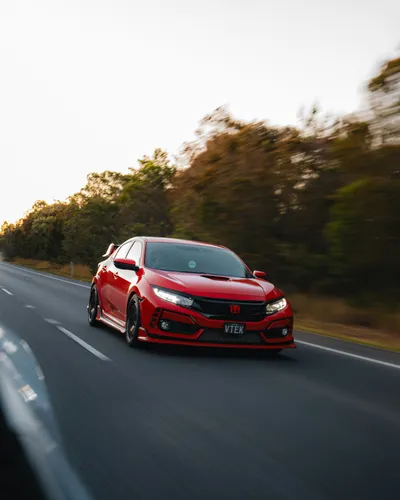
VTEK FAST
VTEK FAST#1
Whip Score: 1190

Generations and chassis codes

EF (1988-1991). Fourth-generation. The Civic Si of this era was the first hot Civic. Lightweight chassis, double-wishbone suspension front and rear (a Honda first for a compact car), and 108 horsepower from the SOHC ZC engine.

EG (1992-1995). Fifth-generation. The breakout chassis for tuner culture. Available as hatchback, coupe, or sedan. The B16A2 (in JDM Civic SiR) and the B18C1 (Integra) found their way into countless EG builds.

EK (1996-2000). Sixth-generation. The Civic Si of this era used a B16A2 in North America. The JDM Civic Type R EK9 (1997-2000) was the first Civic Type R, hand-built with a tuned B16B.

EP3 (2001-2005). Seventh-generation Type R. The K20A2 K-series engine arrived. Hatchback only in some markets; sedan and coupe in others.

FN2/FK2/FK8/FL5 (2006-present). Modern Type R generations. Turbocharged K20C engines, dramatic aerodynamics, and Nürburgring lap records.

Civic on WhipJury

EG and EK builds with B-series swaps are common; K20 swaps into older chassis (EG, EK, DC2) are popular. Modern FK8 and FL5 Type Rs do well in voting, especially with subtle modifications. Stock Civic LX and EX builds also appear, often with OEM-plus parts.
Frequently asked questions about Honda Civic

What is the best generation Civic for tuning?
Subjective. EG (1992-1995) is the lightest and most stripped, ideal for B-series or K-series swaps. EK (1996-2000) is also lightweight but slightly more refined. EP3 (2001-2005) was the first K-series Type R chassis. Modern FK8 and FL5 Type Rs offer factory turbocharged power but are heavier.
Why are Civics so popular for engine swaps?
Multiple factors. The chassis is light and balanced. The B-series and K-series engine families fit naturally. Aftermarket support is enormous. Donor cars are abundant and inexpensive. The combination has made Civics the default platform for affordable performance builds across multiple decades.
What is the difference between Si and Type R?
Si is the hot Civic, tuned for daily livability. Type R is the track-focused halo, with stiffer suspension, more aggressive aero, a higher-revving and (in modern cars) turbocharged engine, and a heavily reworked interior. Both are good. The Type R is the one that gets cross-shopped against BMW M and Audi RS hatches.
Are old Civics reliable?
Honda's reputation for reliability is real and earned. EG and EK Civics with proper maintenance regularly cross 200,000 miles on stock B-series engines. The K20 K-series in EP3 and beyond is similarly durable. The aftermarket of replacement parts ensures continued maintainability decades later.
How fast is a stock Civic Type R?
The current FL5 Civic Type R makes 320 horsepower, runs 0-60 in around 5.0 seconds, and posted a 7:44 Nürburgring lap time, setting a new front-wheel drive record. Faster than many rear-drive sports cars on a technical track despite being a front-drive hatchback.

More on the Honda Civic

Honda's hardcore Type R HRC is reportedly heading to production

Honda Racing Corporation's track-focused Civic Type R could become a full production model by 2027, according to Japanese outlet Response. What's confirmed is the aero kit itself, which HRC president Koji Watanabe says will be sold as accessories. Takuma Sato tested it at Suzuka and called it "way better" than standard.

What is a ricer? Where the word came from, and why it still stings

A ricer is a car modified to look fast without being made faster: big wing, loud muffler, stick-on vents, decals for sponsors it doesn't have. The word comes from "rice burner," a slur aimed at Japanese bikes and cars, and the acronym people cite is a cover story. Here's the history, the line between a ricer and a real build, and why the industry does the same thing.

The cheapest manual sports cars you can still buy new, ranked by how expensive they look

You can still buy a new manual sports car for about $30,000 in 2026, but the list is short. Here's every one that matters, with current prices, ranked by how much more expensive it looks than it is. The Miata and GR86 win, and the reason is proportions.

What Is a K-Swap, and Why Is It Everywhere?

A K-swap means dropping a Honda K-series four-cylinder into a car that didn't come with one, and it's the most popular engine swap in the world. Introduced in 2001, the K20 and K24 make easy power, run i-VTEC, and are cheap and everywhere. Here's why K-swap the world became a plan.

Other Honda models

AccordBeatCityCivic SiCivic Type RCR-VCR-XCR-ZDel SoleElementFit
More Honda models