Cam Walsh
Whip Enthusiast & Editor In Chief · 12 articles published

Cam Walsh has been obsessing over cars since before he could drive one. Based out of Atlanta, Cam covers automotive design, car culture, and the eternal debate over which whips actually look the part.
Articles by Cam Walsh
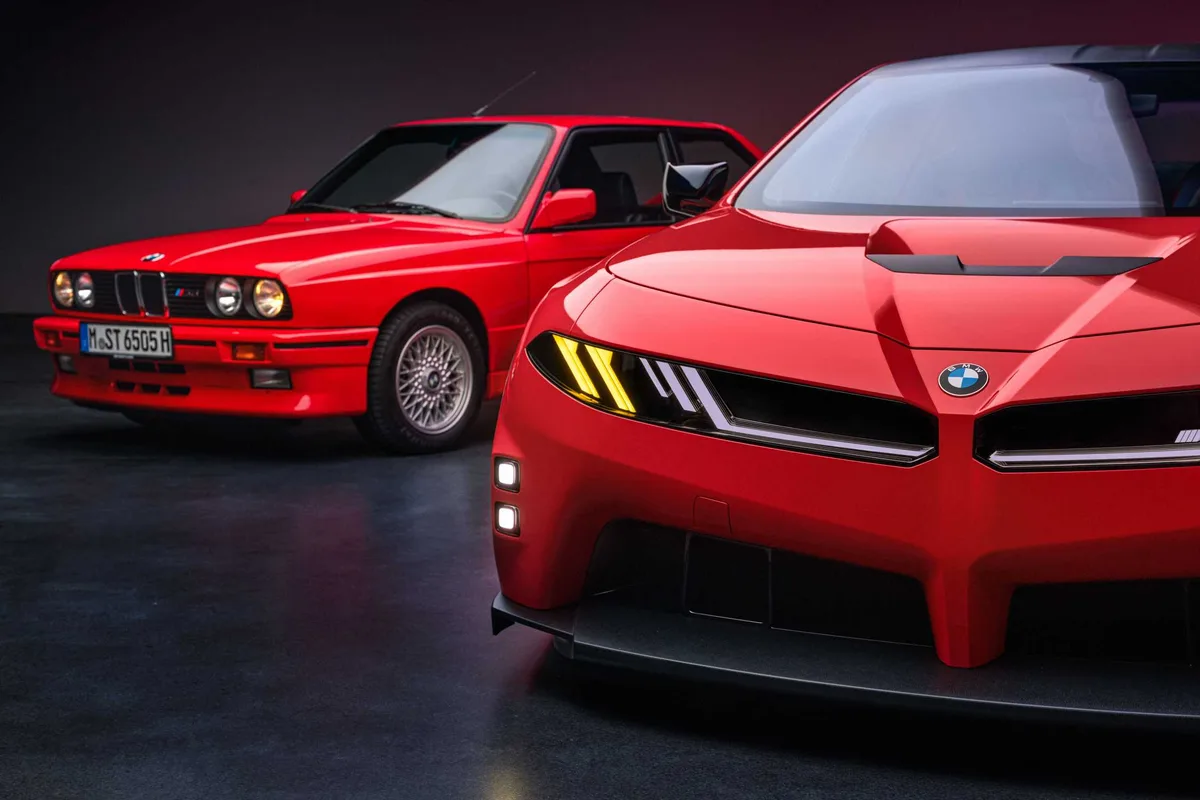
BMW is building an electric M3 and keeping the six-cylinder one
BMW's electric M3 is expected in production next year on a dedicated EV platform, and a combustion M3 is lined up for 2028 using a modified version of today's S58 twin-turbo inline-six with mild-hybrid help. M boss Frank van Meel has hinted the gas car may even keep a manual.
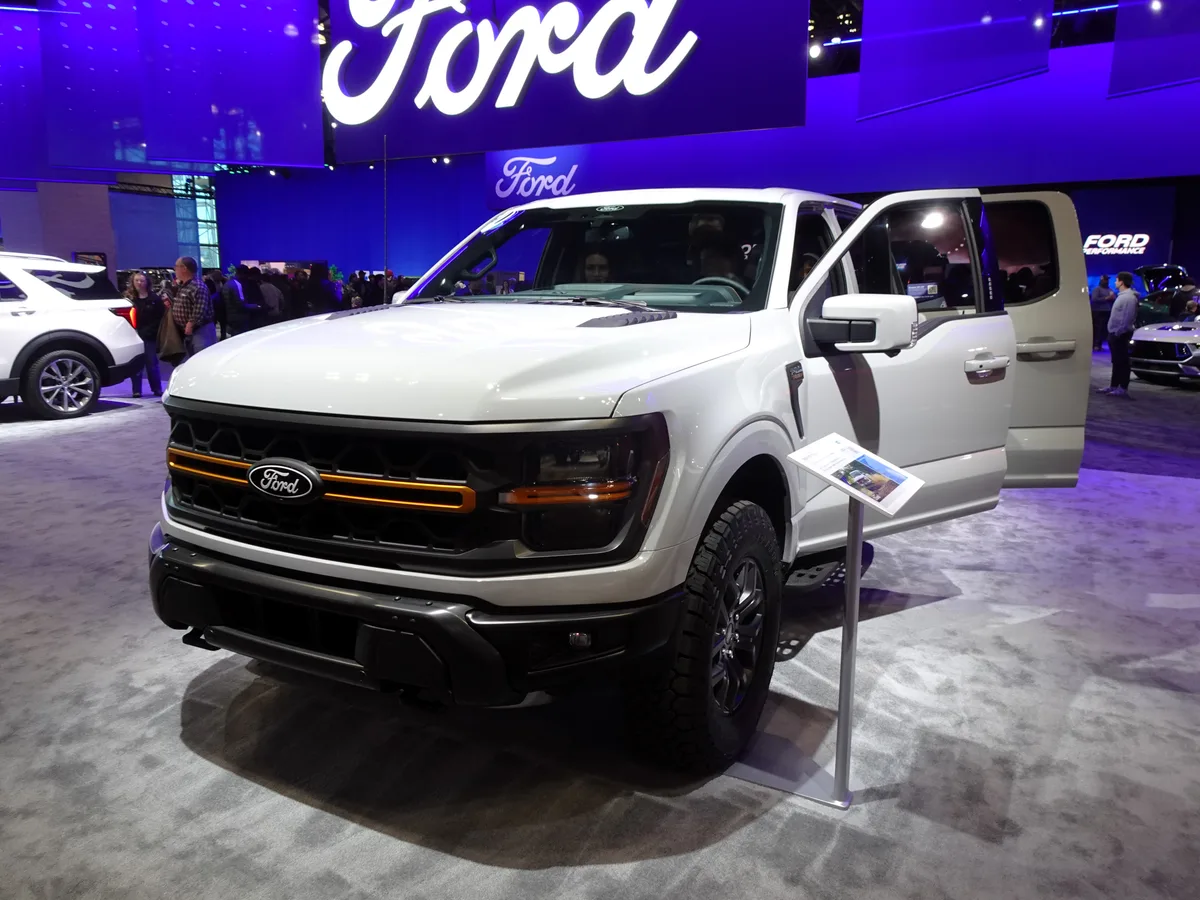
The 2027 Ford F-150 brings the V8 back in the expensive trims
The 2027 Ford F-150 makes the 5.0-liter V8 available from the base XL to the top Platinum again, and the King Ranch and Platinum get it back for the first time since 2023. A new 325 hp 3.0-liter EcoBoost becomes the base engine, and a new Raptor 800A trim starts $4,010 cheaper at $74,995.
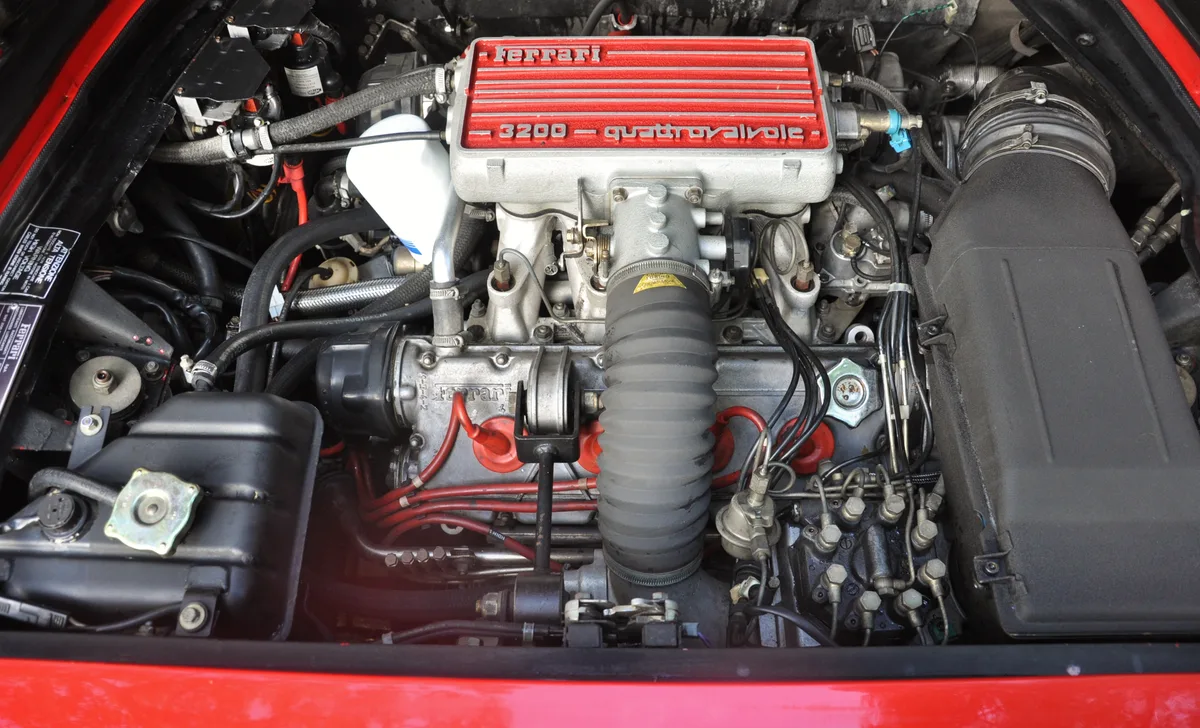
Why a V8 rumbles and a Ferrari screams
An American V8 rumbles and a Ferrari V8 screams because of the crankshaft. Cross-plane cranks fire unevenly between banks and produce the lopey rumble; flat-plane cranks alternate perfectly and rev higher for that howl. Here's also why an inline-six is the smoothest engine you can buy.

Jeep's new Wrangler JL-2A brings back the 1945 CJ-2A look for $115
Jeep's 2027 Wrangler JL-2A recreates the 1945 Willys CJ-2A, the first Jeep built for civilian buyers. The package lists at $4,995 but Jeep says it costs $115 more than a similarly equipped Rubicon, with Gobi or '41 paint, Joose-painted 17-inch wheels, and Heritage Tan Nappa leather. Orders open in October.
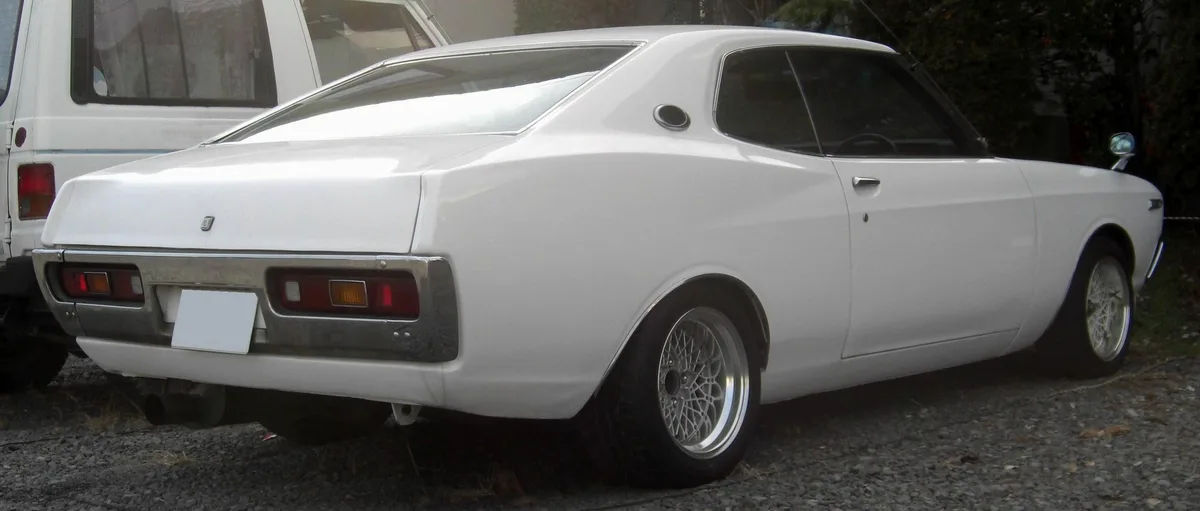
What is shakotan? Japan's original lowered car style
Shakotan literally means low car, and it's the 1970s Japanese style that every lowered car since has descended from. Deep-dish wheels, a scraped ride height, mild flares, and clean lines. Here's what separates it from bosozoku, kaido racer, and VIP style.
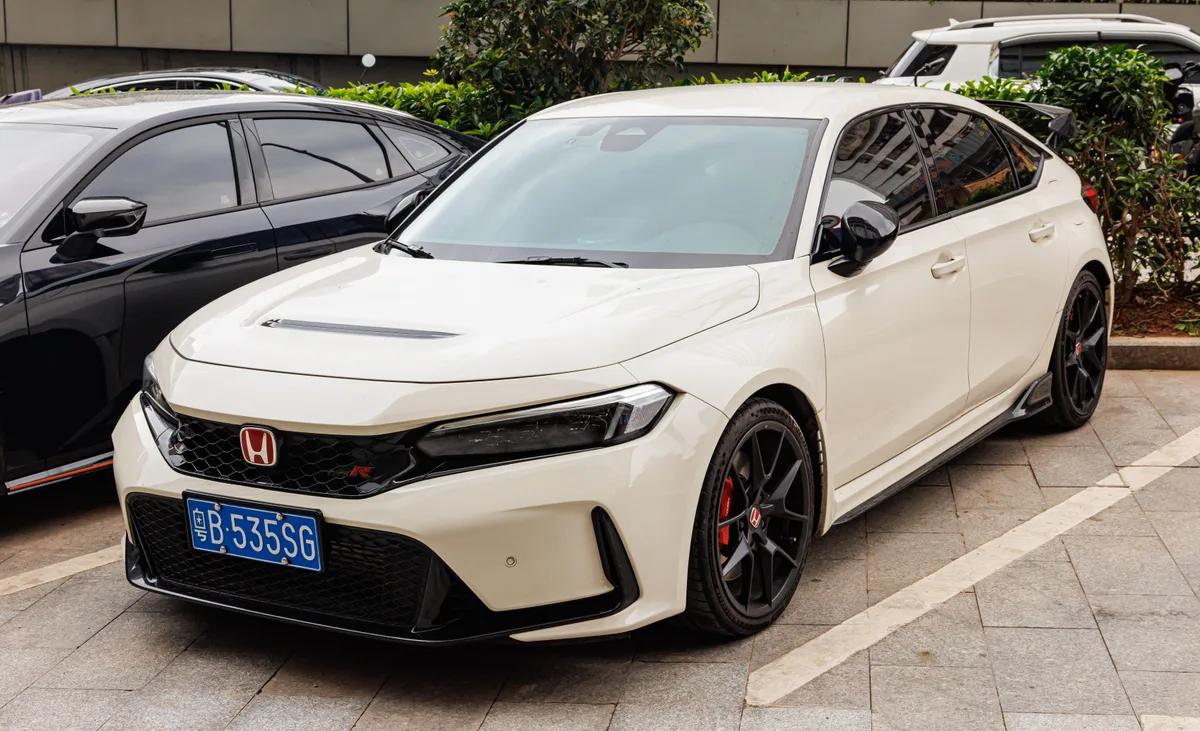
Honda's hardcore Type R HRC is reportedly heading to production
Honda Racing Corporation's track-focused Civic Type R could become a full production model by 2027, according to Japanese outlet Response. What's confirmed is the aero kit itself, which HRC president Koji Watanabe says will be sold as accessories. Takuma Sato tested it at Suzuka and called it "way better" than standard.
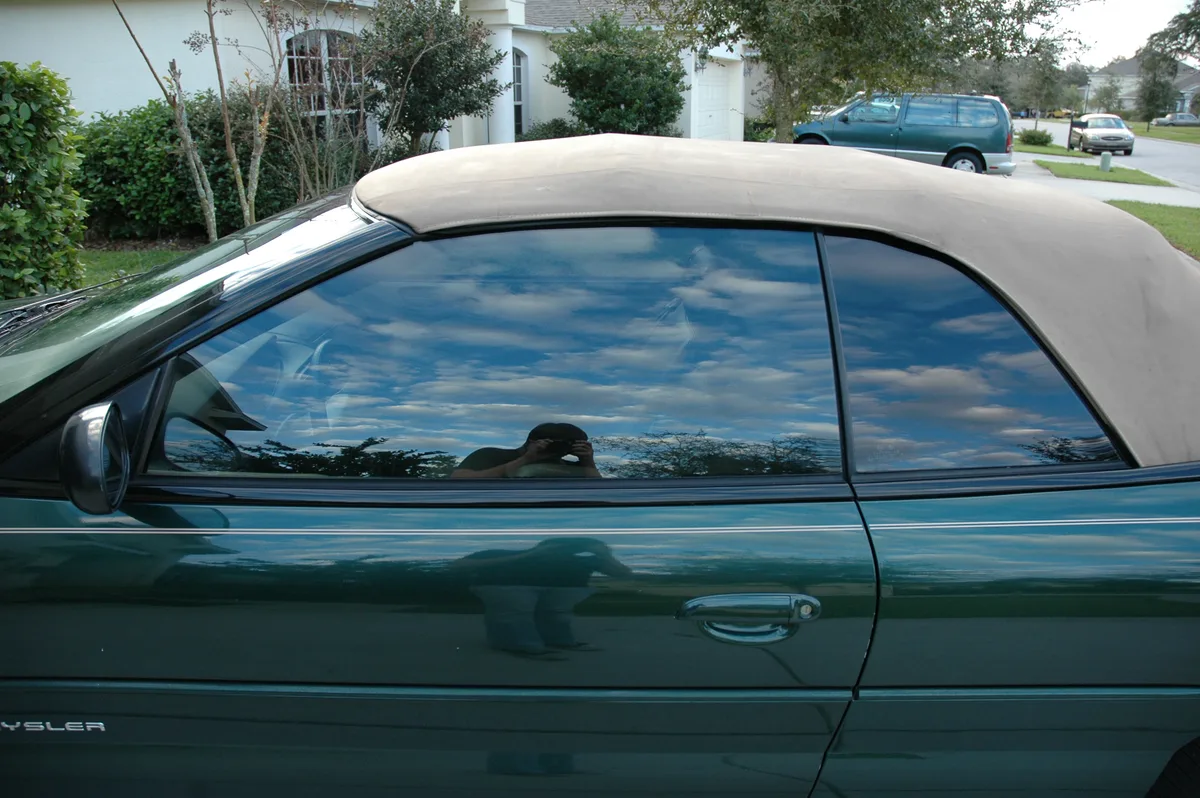
Window tint, explained: what VLT means and how dark you can legally go
VLT is the percentage of light a tinted window lets through, so lower means darker and 5 percent is limo tint. Legal limits vary hugely, from 70 percent in California and New York to 20 percent in New Mexico. Ceramic film rejects far more heat than dyed film at the same darkness.
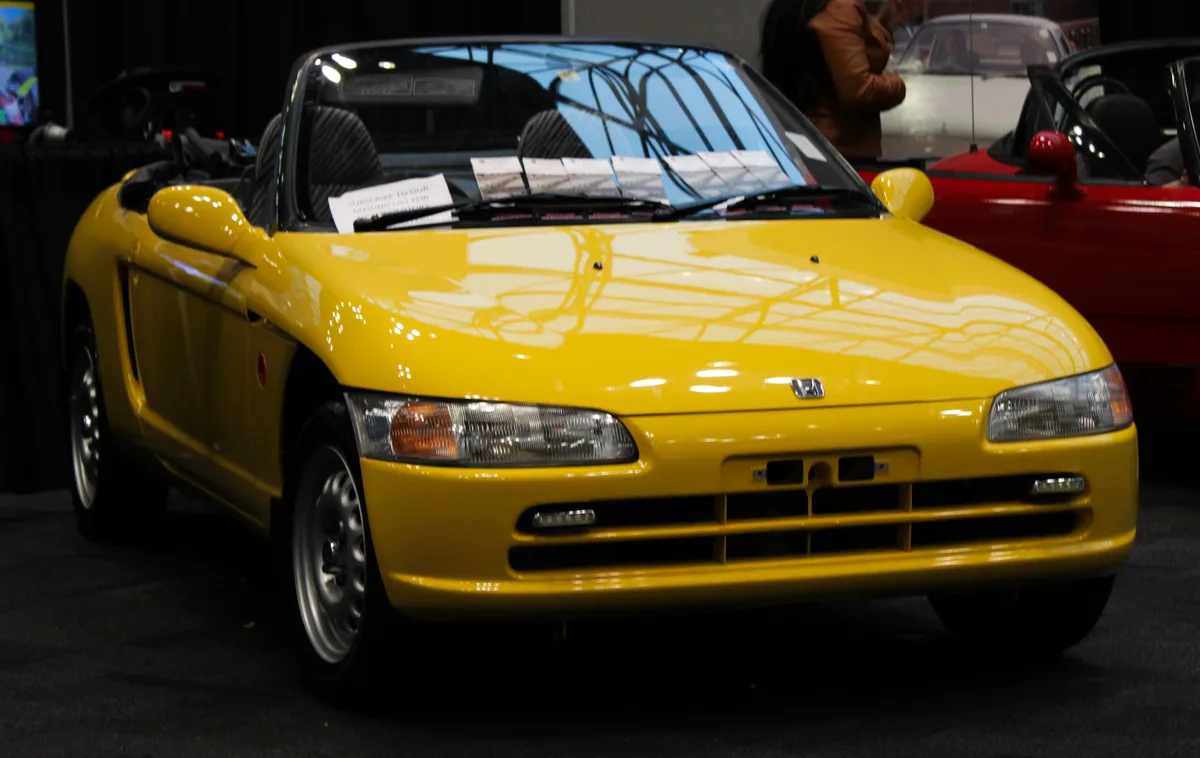
The Honda Beat is a mid-engined roadster that revs to 8,500 and makes 63 horsepower
The Honda Beat is a mid-engined, rear-drive kei roadster with a 656cc triple that revs to 8,500 rpm, makes 63 horsepower, and weighs 1,680 pounds. Pininfarina drew it, Soichiro Honda approved it as his last car, and it's now legal to import into the US.

What is a ricer? Where the word came from, and why it still stings
A ricer is a car modified to look fast without being made faster: big wing, loud muffler, stick-on vents, decals for sponsors it doesn't have. The word comes from "rice burner," a slur aimed at Japanese bikes and cars, and the acronym people cite is a cover story. Here's the history, the line between a ricer and a real build, and why the industry does the same thing.
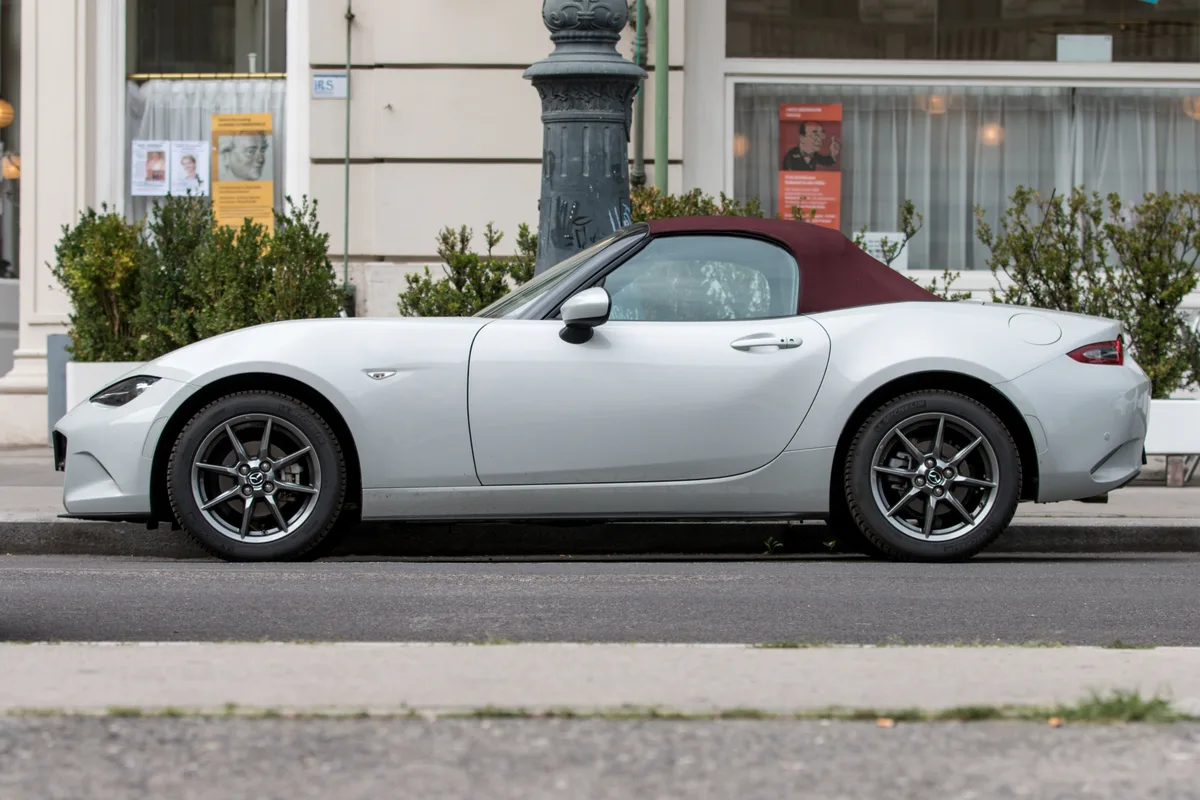
The cheapest manual sports cars you can still buy new, ranked by how expensive they look
You can still buy a new manual sports car for about $30,000 in 2026, but the list is short. Here's every one that matters, with current prices, ranked by how much more expensive it looks than it is. The Miata and GR86 win, and the reason is proportions.
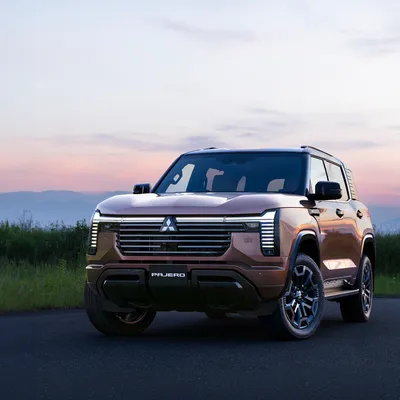
Mitsubishi brought the Pajero back as a real Land Cruiser rival
Mitsubishi revealed a fifth-generation Pajero on September 2, a body-on-frame SUV built in Thailand and aimed at the Toyota Land Cruiser. It is the first new Pajero since 2021, with a ladder frame from the Triton pickup, 9.1 inches of ground clearance, and a 2.4-liter turbodiesel.

What is tandem drifting, and how is it judged?
Tandem drifting is two cars sliding together, inches apart, for a whole run. It's the format that made drifting a real sport, and the winner isn't the car in front. Here's how lead and chase work, and how judges score line, angle and style.