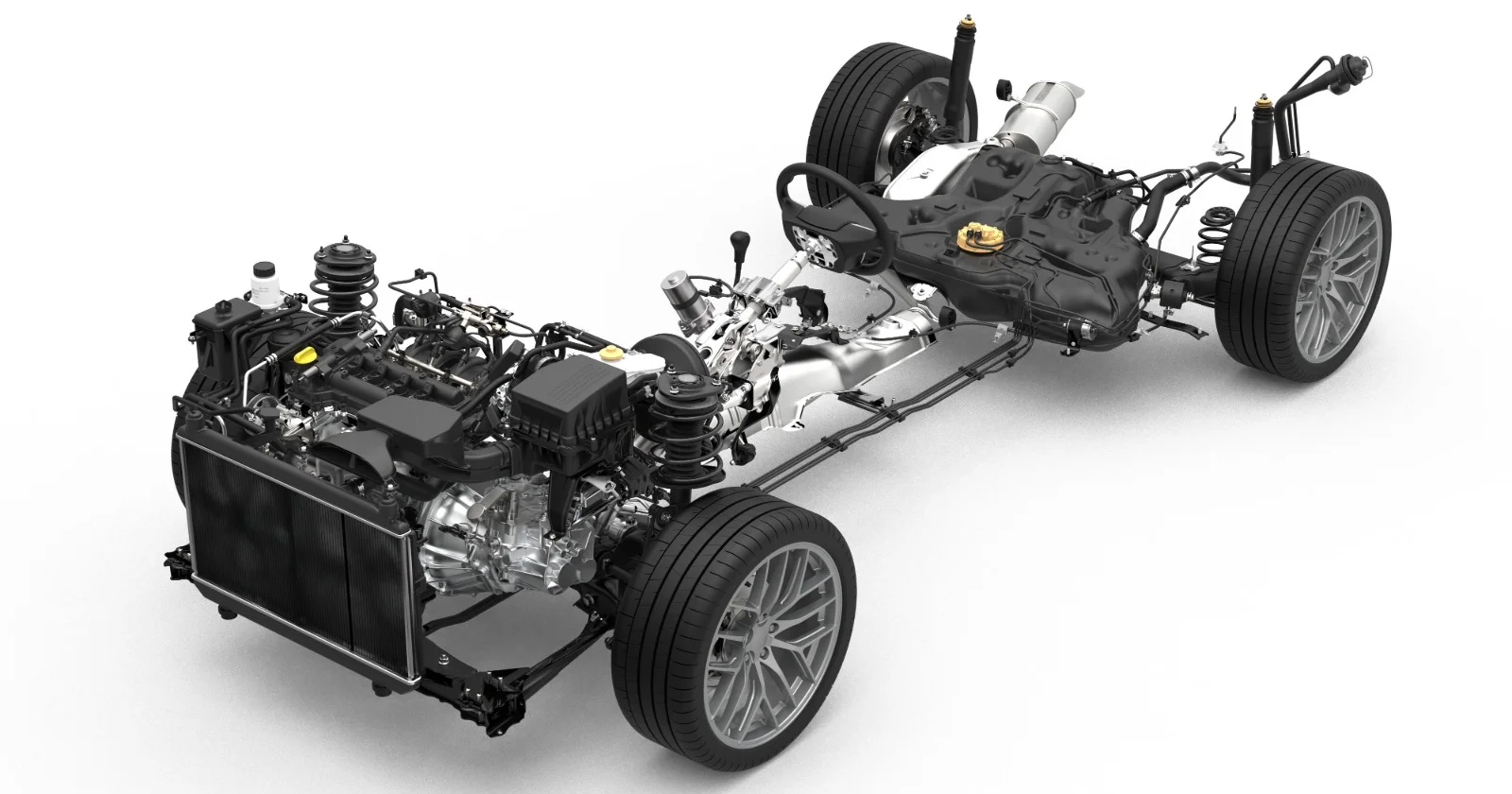
Every car sends its engine's power to the wheels in one of three basic ways: to the front wheels, to the rear wheels, or to all four. It sounds like a technicality. It is actually one of the biggest decisions in how a car feels to drive, and enthusiasts hold strong, almost tribal opinions about it.
Here is the honest difference between front-, rear-, and all-wheel drive, and why the best one depends entirely on what you want from a car.
Front-Wheel Drive: Cheap, Safe, Sensible
Front-wheel drive sends power to the front wheels, which also do the steering. It is the layout in most economy cars for good reasons: it is cheaper to build, it packages compactly so the cabin is roomier, and it is stable and predictable in bad weather because the engine's weight sits over the driven wheels. The trade-off is character. Because the front tires are steering and driving at once, front-drive cars tend toward understeer and lack the balance enthusiasts prize. A great front-drive car can still be enormous fun, but it is working against its layout to get there.
Rear-Wheel Drive: The Enthusiast's Choice
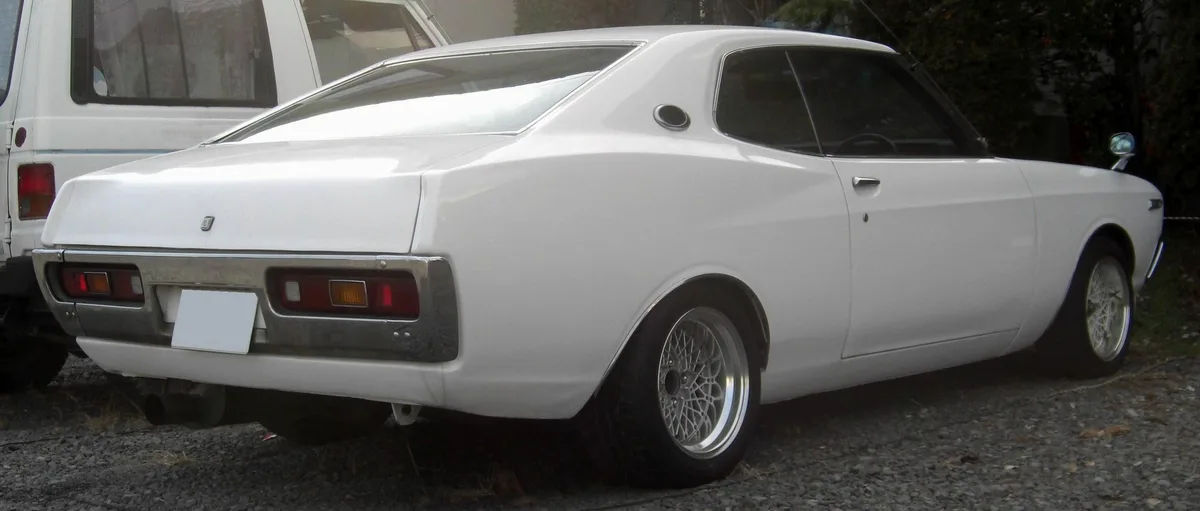
Rear-wheel drive splits the labor: the front wheels steer, the rear wheels drive. That division is why enthusiasts and nearly every sports and luxury car gravitate to it. The steering stays pure because the front tires are not fighting to put down power, and the balance is better because the work is spread across the car. It is also the layout that allows oversteer and, taken to its art form, drifting. A light, balanced rear-drive car like the Mazda Miata is the reason "the answer is always Miata" became a saying. RWD costs more and handles worse in snow, but for the way a car feels, it is the enthusiast default.
All-Wheel Drive: Traction Above All
All-wheel drive powers all four wheels, and its superpower is traction. In rain, snow, or on loose surfaces, and when putting down big horsepower, sending power to four contact patches instead of two is a genuine advantage, which is why high-power performance cars and bad-weather cars both use it. The costs are weight and complexity: an AWD car is heavier, more expensive, and often a little less playful than a great rear-drive car, because the system is always managing grip rather than letting the car move around. It is the layout of maximum capability, if not always maximum joy.
So Which Is Best?
There is no single winner, only a best fit. If you want cheap, roomy, and dependable, front-wheel drive is the sensible answer. If you want the purest, most engaging way a car can feel, rear-wheel drive is the enthusiast's pick. If you want to deploy big power or drive confidently through a bad winter, all-wheel drive wins. The layout is not a spec to skim past. It is most of the car's personality, decided before you have touched a single option.
Drivetrain in the Faceoff Arena
Layout does not show up directly in a photo, but its consequences do. A balanced rear-drive coupe sits and stances differently than a nose-heavy front-driver, and experienced voters read those cues. A car set up to exploit its drivetrain, the right stance, the right intent, tells the crowd it is built to be driven a certain way.
Upload your car to WhipJury and see whether its look matches the way it is meant to move.
Sources:
How drivetrain layout relates to understeer and oversteer: Continental Tires
Handling tendencies of front- and rear-drive cars: CJ Pony Parts
Frequently Asked Questions

Jeffrey Wiley has spent more time than he'd like to admit thinking about what makes a car look right. He writes about automotive design, car culture, and the opinions people have strong feelings about. He lives in north Georgia.