Individual throttle bodies, or ITBs, give each cylinder its own throttle. Most production engines breathe through one throttle body that feeds a shared chamber called a plenum. With ITBs, a four-cylinder has four throttle butterflies, one sitting right at each intake port, all opening together when you press the pedal. The point is speed. With a single throttle, the plenum has to fill with air before anything reaches the cylinders, which adds delay, according to the British ITB maker Jenvey Dynamics. BMW explained it the same way in a press kit for its S54 six. Each throttle sits much nearer the cylinder than a single throttle can, so the lag in airflow is "greatly reduced and the engine can react more quickly to throttle movements."
Lexus put a number on it. It said the LFA's separate, electronically controlled throttles cut engine response time to about half that of a single throttle valve. Separate throttles can also spread air more evenly across the cylinders.
The other reason people want them is noise. With each cylinder pulling air through its own opening, ITBs give a raw intake howl. Lexus engineered that on purpose, linking an acoustically tuned surge tank to the LFA's 10 throttle bodies to create what it called "a powerful induction sound." The idea is old. The tuning school HP Academy points out that side-draft carburetors worked on the same principle back in the 1930s.
Factory cars that used individual throttle bodies
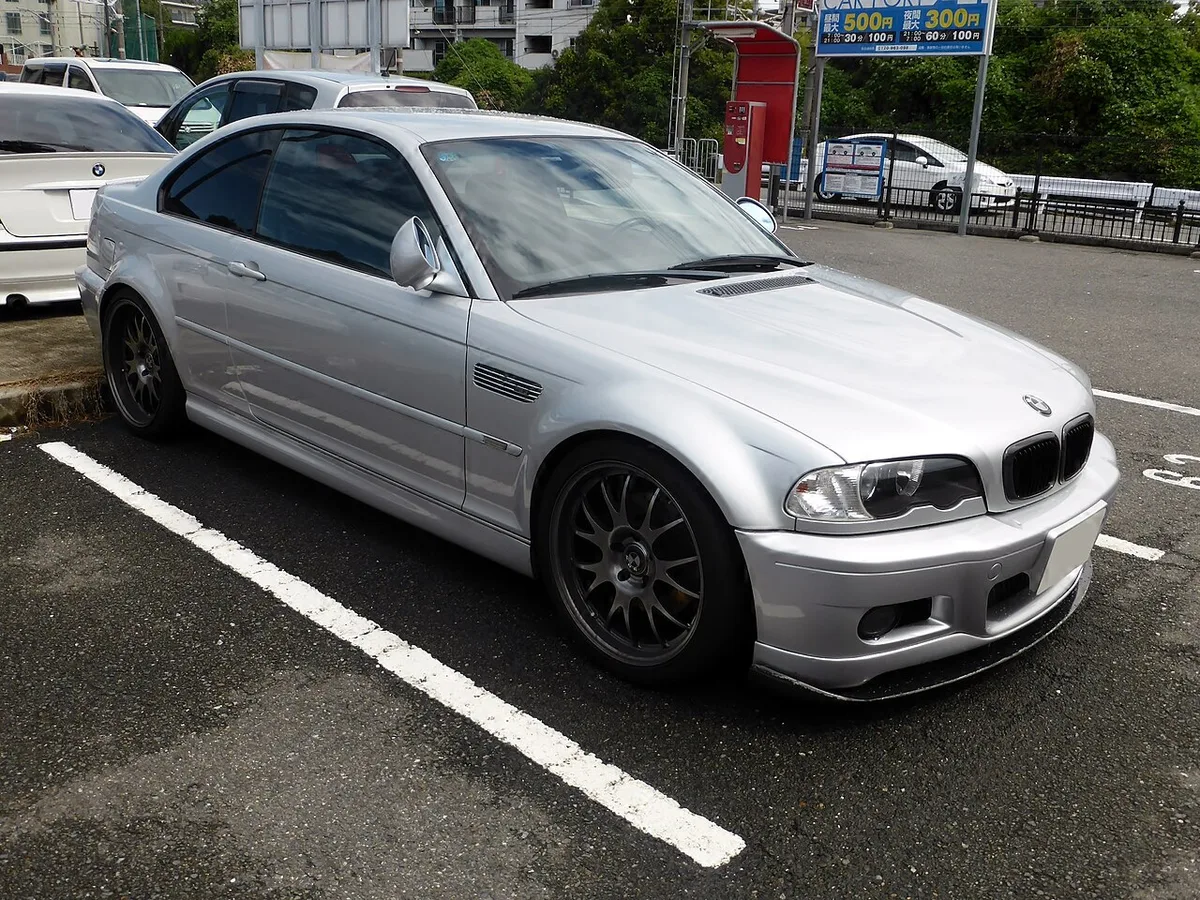
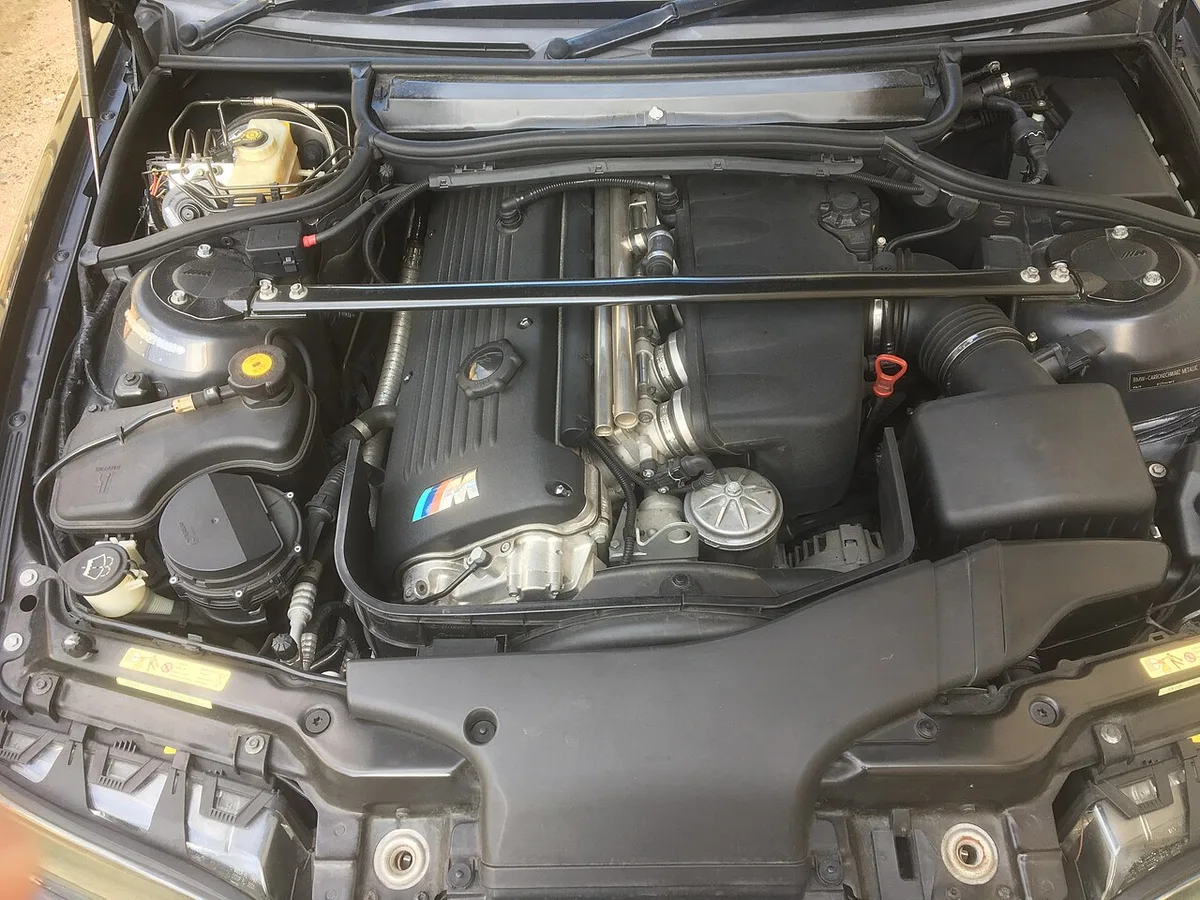
BMW calls a throttle for each cylinder "an important BMW M tradition." The S54 in the E46 M3 had six of them behind six intake trumpets. In the US-market Z4 M, the same engine was rated at 330 hp at 7,900 rpm. The S85 V10 in the E60 M5 had ten, each electronically controlled and reading the pedal position 200 times a second. That engine made 507 bhp at 7,750 rpm and revved to 8,250.
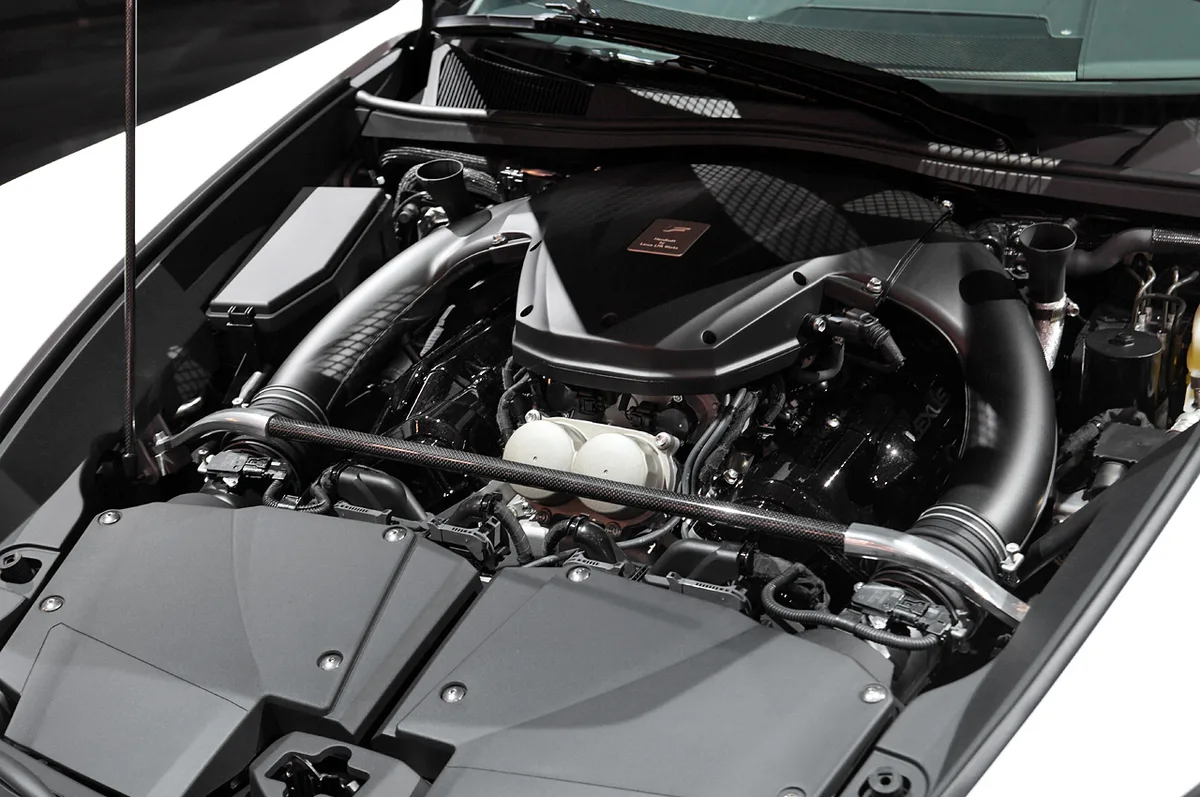
The LFA's 4.8-liter V10 made 412 kW (560 PS) at 8,700 rpm in European trim, with 10 ITBs and a 9,000 rpm redline. Lexus built only 500 LFAs, all with this engine.
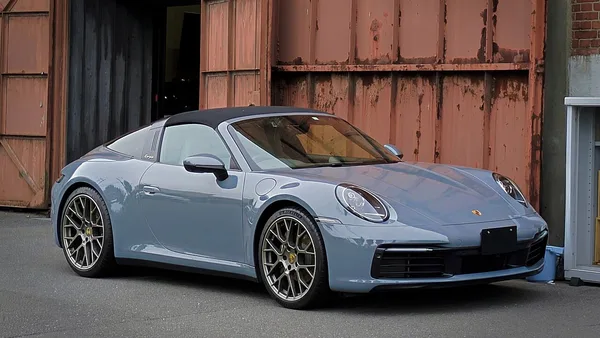
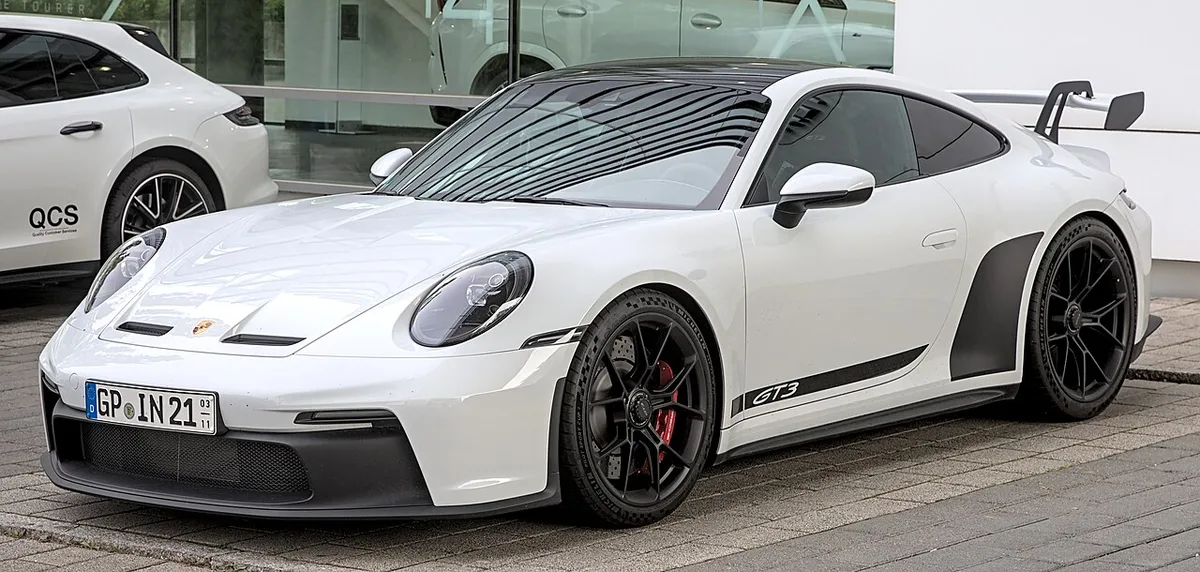
Porsche still uses them. The 992-generation 911 GT3 launched in 2021 with a naturally aspirated flat six based on the GT3 R race engine, making 510 PS at 8,400 rpm with a 9,000 rpm limit. Its intake has one throttle valve per cylinder at the end of a variable manifold with two switchable resonance valves.
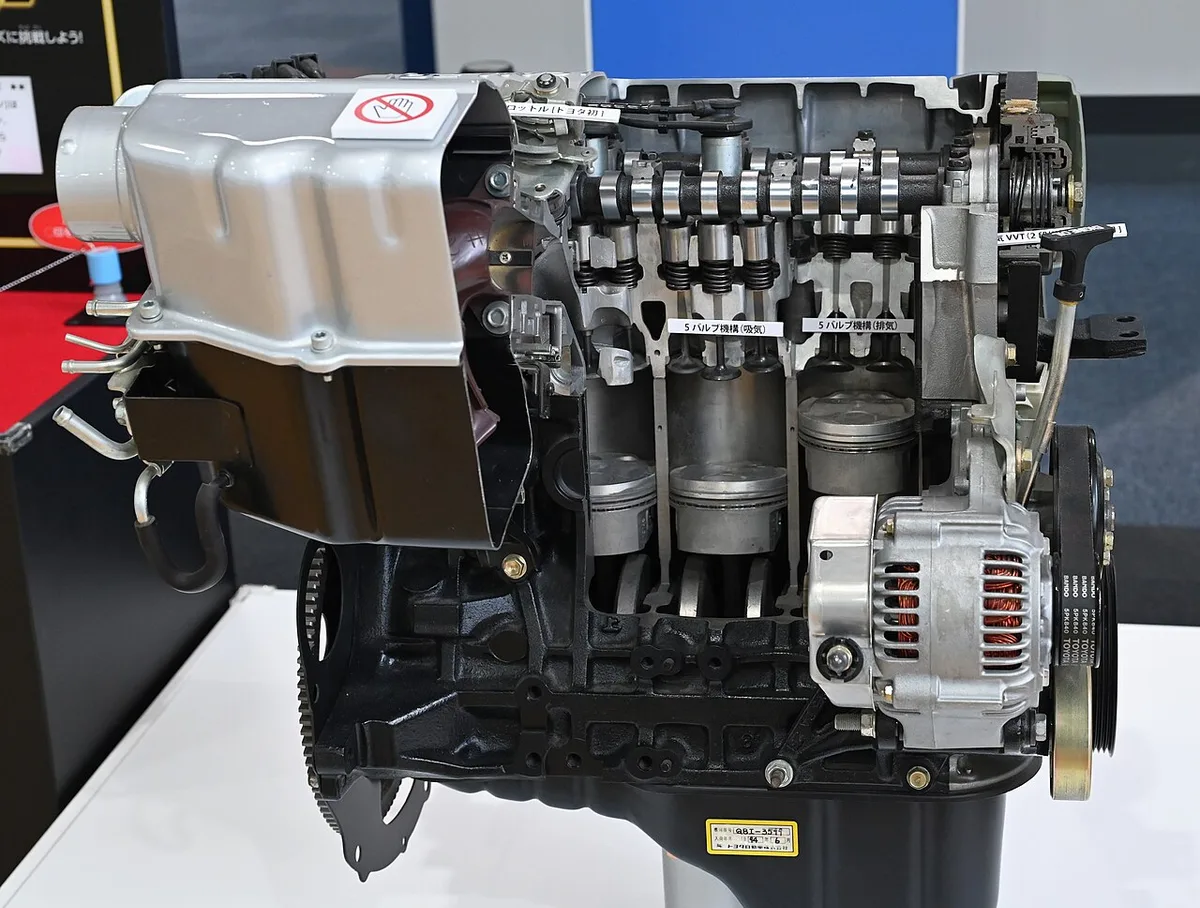
By Jalopnik's math, one of the cheapest ways into factory ITBs is a 1990s Corolla, with Levins hovering around $12,000 in 2021. Toyota's 20-valve 4A-GE, sold as the "silver top" and later "black top" in the AE101 and AE111 Corolla Levin, made around 160 hp and 120 lb-ft. Jalopnik says the ITBs were part of what set it apart from earlier 4A-GEs, and compared its output to the Ferrari 355: 160 hp from 1.6 liters against 380 hp from 3.5. One correction for drift fans: the AE86 had the earlier 16-valve 4A-GE, which CAR magazine lists at 128 bhp at launch in 1983.
The tradeoffs
Tuning is the big one. Without a shared plenum, a MAP sensor can't read engine load well at part throttle, HP Academy explains, so tuners usually switch to "alpha-N," a fuel map based on throttle position and rpm. Jenvey's S2000 kit requires an aftermarket ECU, and AT Power says its maps ship "as-is," with professional dyno tuning strongly recommended. The throttles also have to be balanced. If they aren't, HP Academy says the car will be terrible at part throttle and can miss or backfire at idle and cruise. AT Power sells an airflow meter for balancing ITBs for £67.50, and Jenvey offers an idle air system to make road cars more usable. HP Academy also warns about possible low-end torque loss and emissions-test trouble in some regions.
Trumpet length is a tuning tool of its own. Changing their length can move the power band higher or lower, HP Academy says, and favoring high-rpm power gives up some low-rpm pull. Filtering takes planning. Jenvey recommends a 90 mm filter for its S2000 kit's airhorns "if you have the space," and a panel filter needs an extra backplate.
Then there's cost. As of October 2026, Jenvey lists its S2000 kit from £1,617 before UK VAT (£1,940.40 with it). AT Power lists a bolt-on kit for the Honda K20 and K24 at £1,495 to £1,670 before VAT, plus £665 to £995 for an electronic throttle actuator. Injectors, the ECU, and the tune come on top, and Jenvey says standard Honda injectors won't fit its S2000 kit.
Which ITB car looks as sharp as it sounds? Line up the M3, the LFA, and the GT3 on WhipJury and vote.
Sources:
How ITBs work and the induction sound: Jenvey Dynamics
The S54's throttles, trumpets, BMW's "M tradition" line, and US output: BMW Group (2008 Z4 M press kit)
The S85 V10's ten throttles, output, and revs: BMW Group (M5 press kit)
The LFA's throttles, response time, induction sound, output, redline, and 500-car run: Toyota
The 911 GT3's intake and output: Porsche
The 20-valve 4A-GE and the Ferrari comparison: Jalopnik
The AE86's 16-valve engine: CAR
Side-draft carburetors, air distribution, tuning, balancing, trumpets, and drawbacks: HP Academy
The S2000 kit, ECU, idle air, filters, and price: Jenvey Dynamics
The K20 kit, tuning terms, balancing meter, and prices: AT Power
Photos via Wikimedia Commons: Tokumeigakarinoaoshima and TTTNIS (CC0), melvil and Alexander Migl (CC BY-SA 4.0), Tennen-Gas (CC BY-SA 3.0)
Frequently Asked Questions

Jeffrey Wiley has spent more time than he'd like to admit thinking about what makes a car look right. He writes about automotive design, car culture, and the opinions people have strong feelings about. He lives in north Georgia.