Lexus Cars
JDM · 20 models
Toyota luxury brand built credibility with the LS400 and now does its best work with the LFA, IS F, and naturally aspirated V8 GS F.
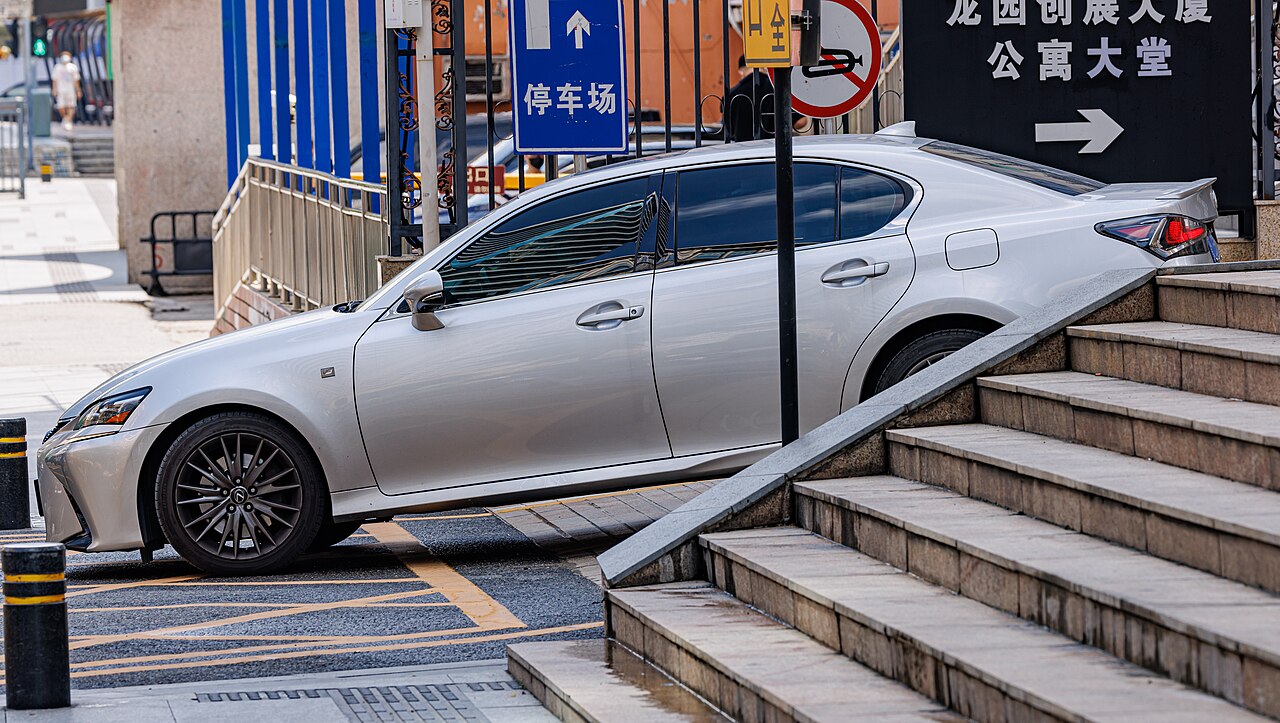
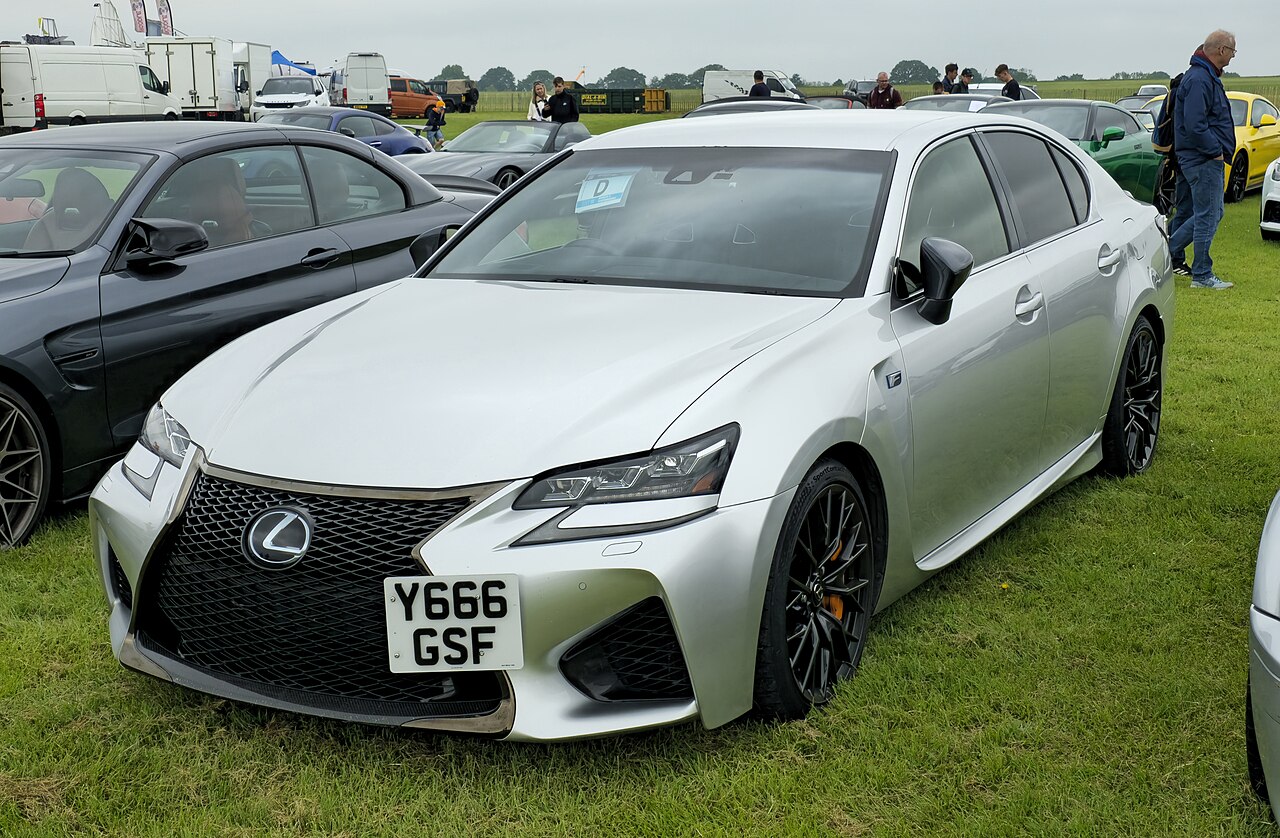
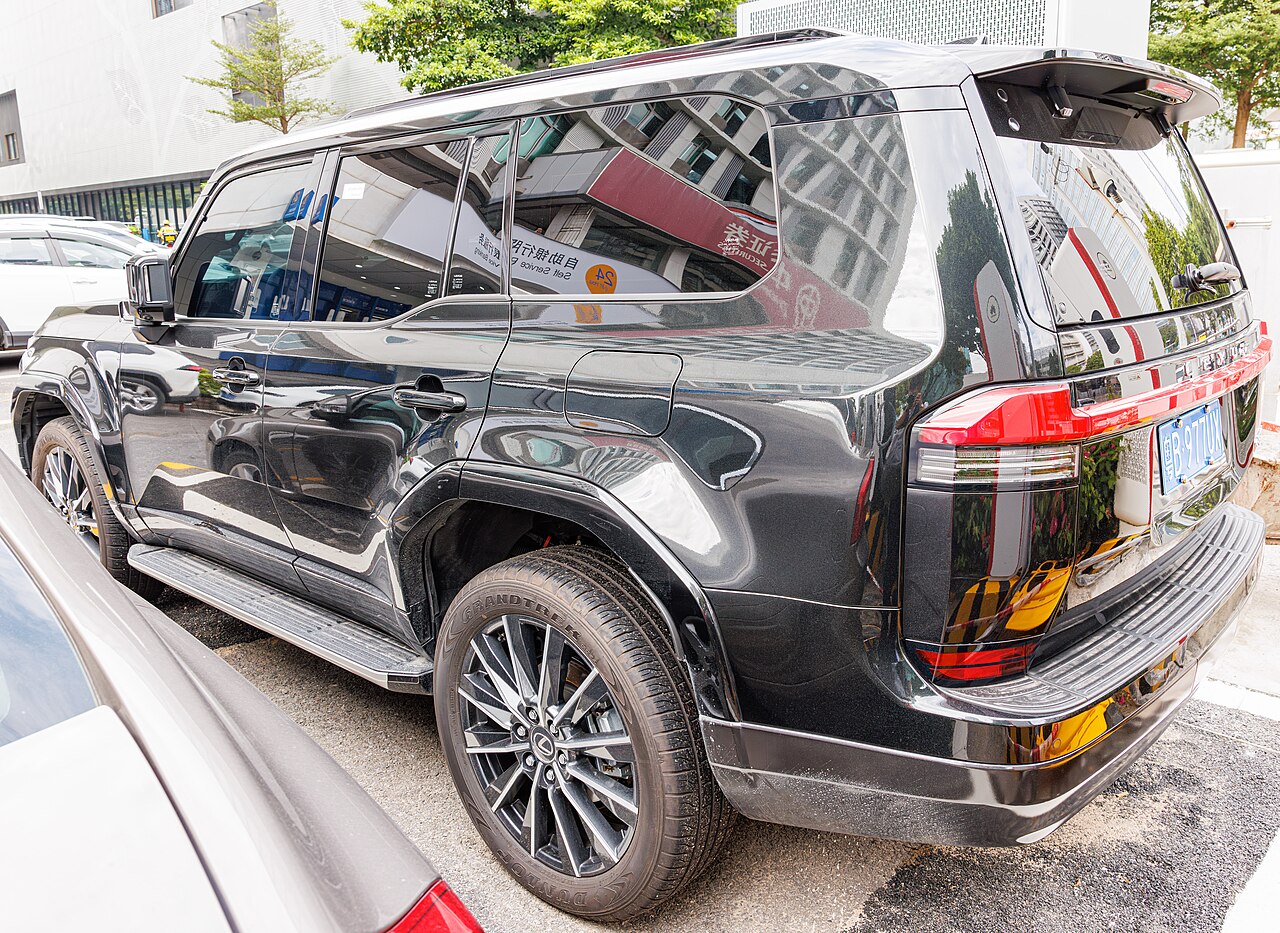
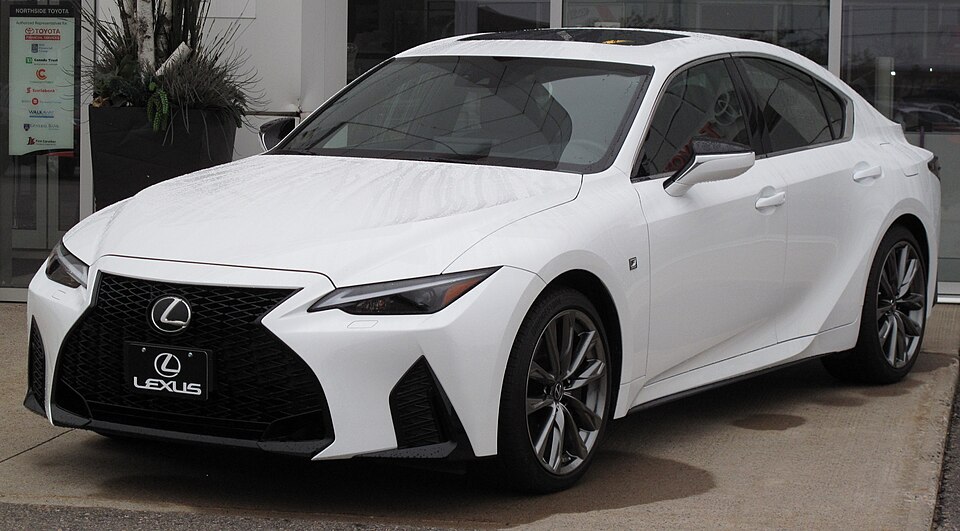
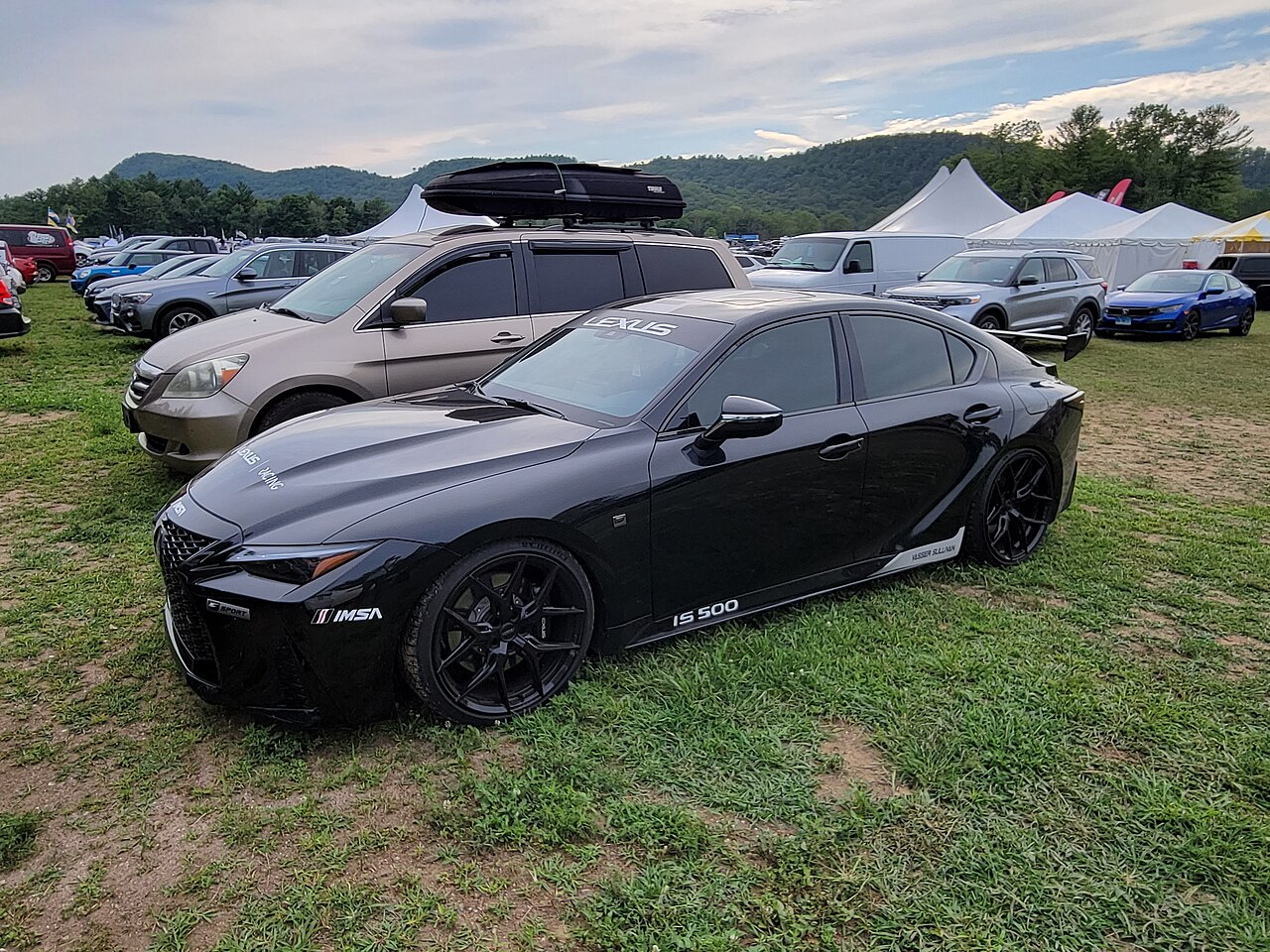
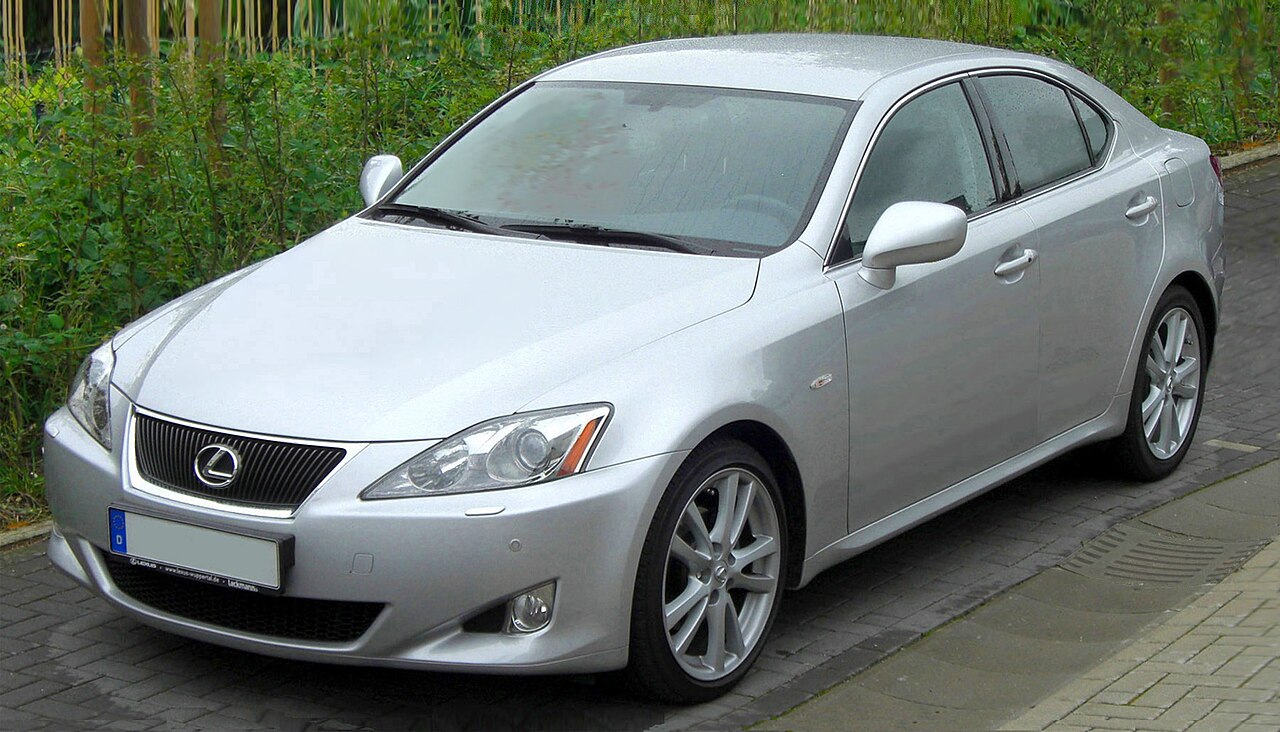
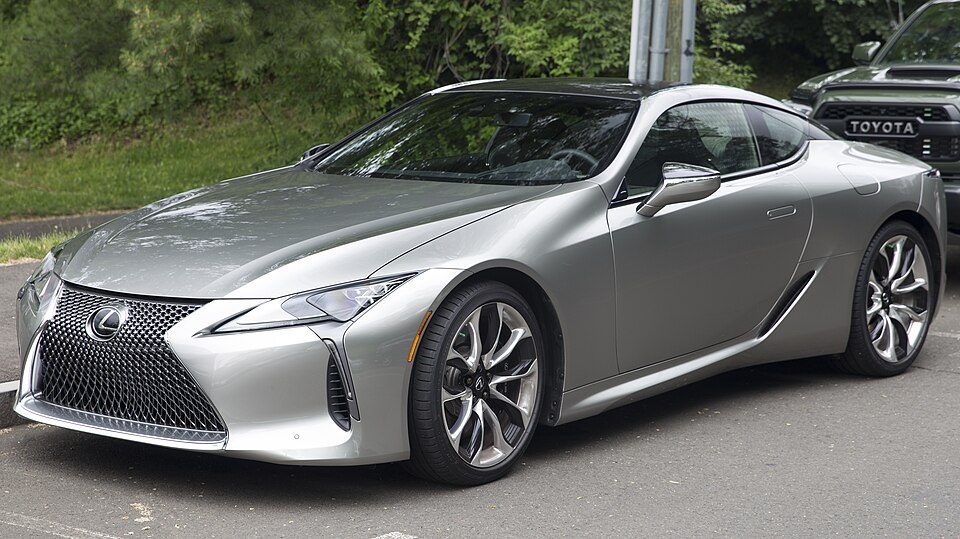
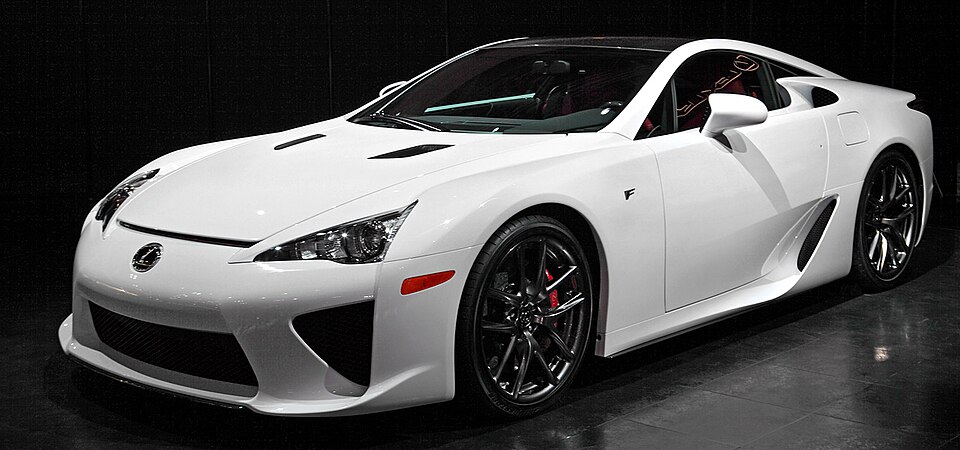
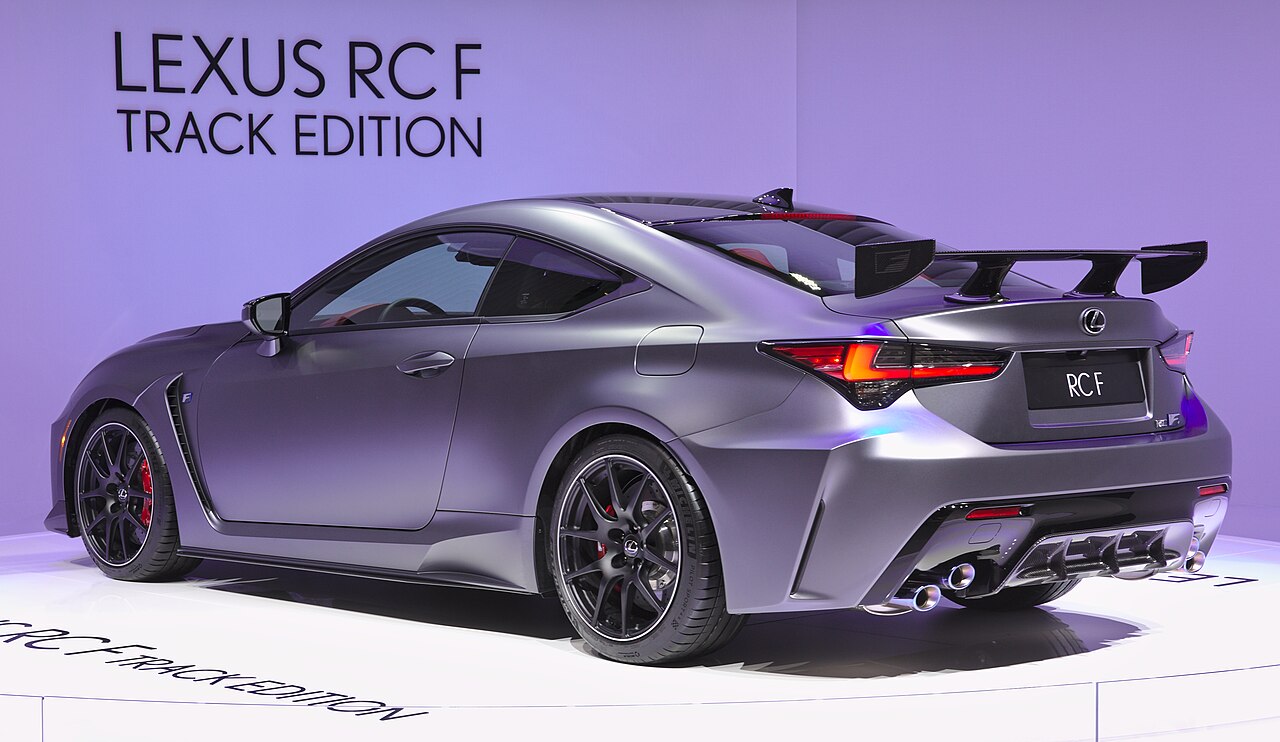
JDMLexus launched in 1989 with a single mission: build a car that could compete with Mercedes-Benz S-Class and BMW 7-Series for less money. The LS400 succeeded by every measure. It was quieter, more reliable, and undercut the German cars on price. By the mid-1990s Lexus was the best-selling luxury brand in North America. The performance side of Lexus took longer. The first IS300 in 2001 was a small step. The IS F (2008) was a bigger one, with a 5.0 liter naturally aspirated V8 making over 400 horsepower in a compact sedan. The GS F (2016) extended the formula. The RC F continues it today. Then there is the LFA. Built from 2010 to 2012, only 500 units, the LFA used a bespoke 4.8-liter naturally aspirated V10 (built jointly with Yamaha) revving to 9,000 rpm, a carbon fiber tub, and a two-pedal automated manual gearbox. It cost more than $375,000 new and reportedly lost Toyota money on every example. The reviews were nearly unanimous: one of the great driver cars of any era. In the modern era, Lexus has pivoted slightly. The hybrid LS500h and LC500h reflect Toyota broader hybrid focus. The naturally aspirated 2UR-GSE V8 in the IS500, GS F, RC F, and LC 500 is a holdout in an era of turbocharged downsizing. On WhipJury, Lexus submissions cover IS F, IS 300, IS 500, GS F, RC F, LC 500, and the occasional LFA tribute (rarely a real LFA, given how few exist). Clean stock builds and OEM-plus modifications dominate the arena.
Lexus models we cover

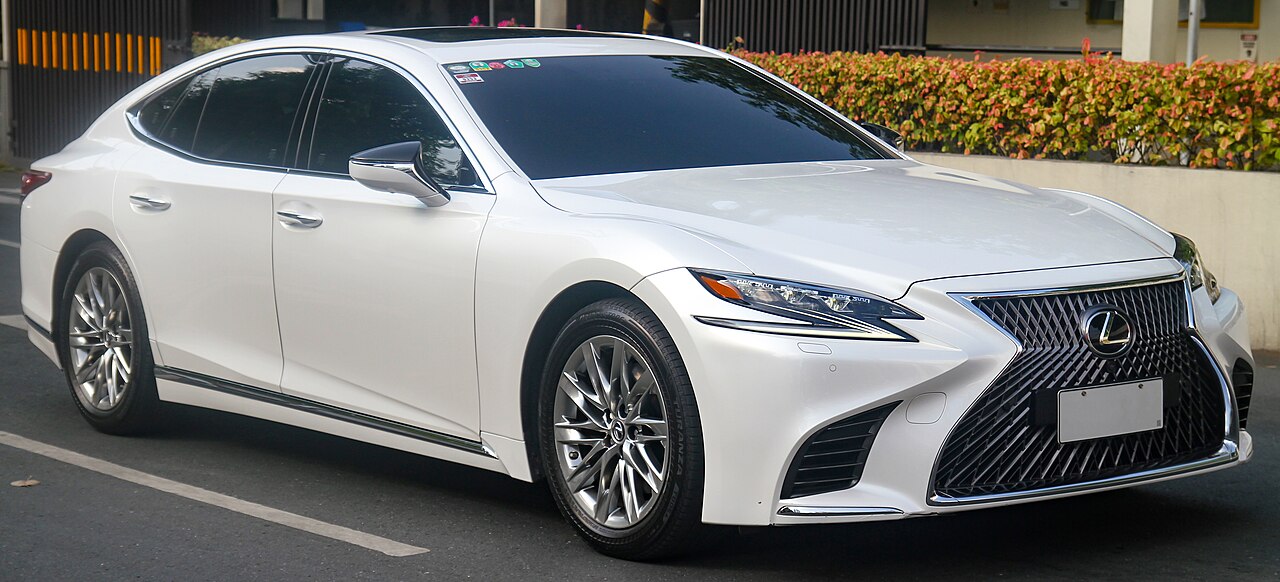
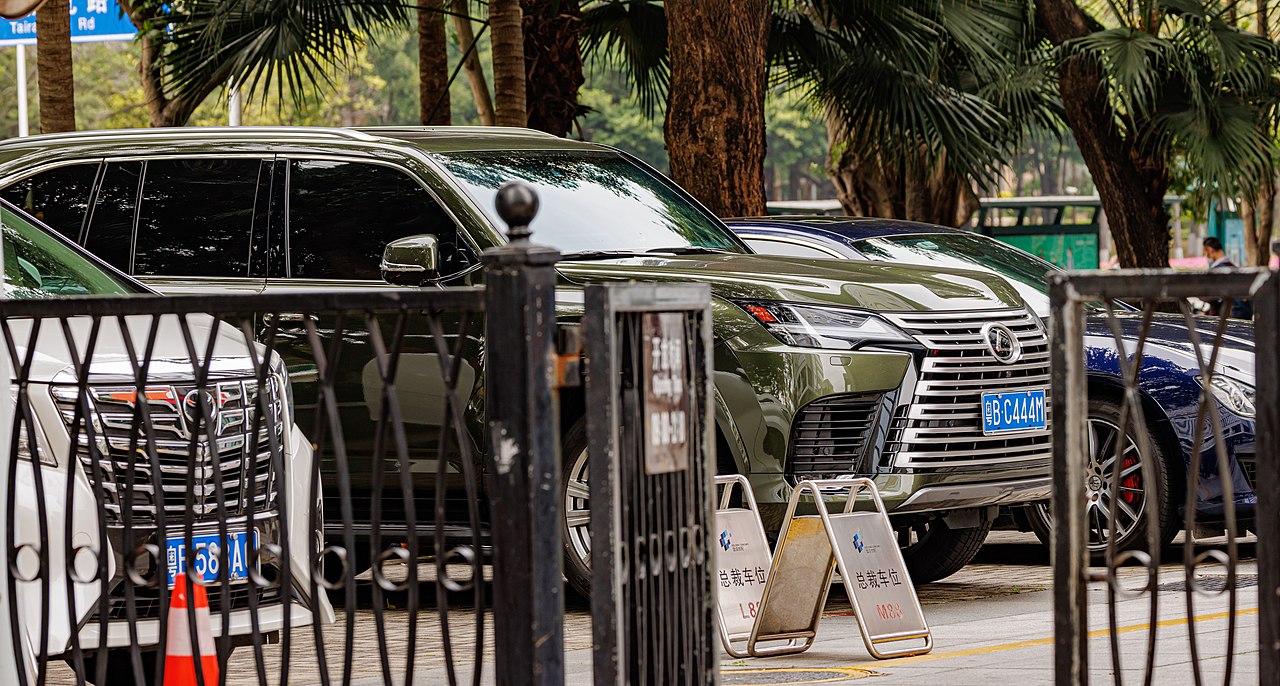
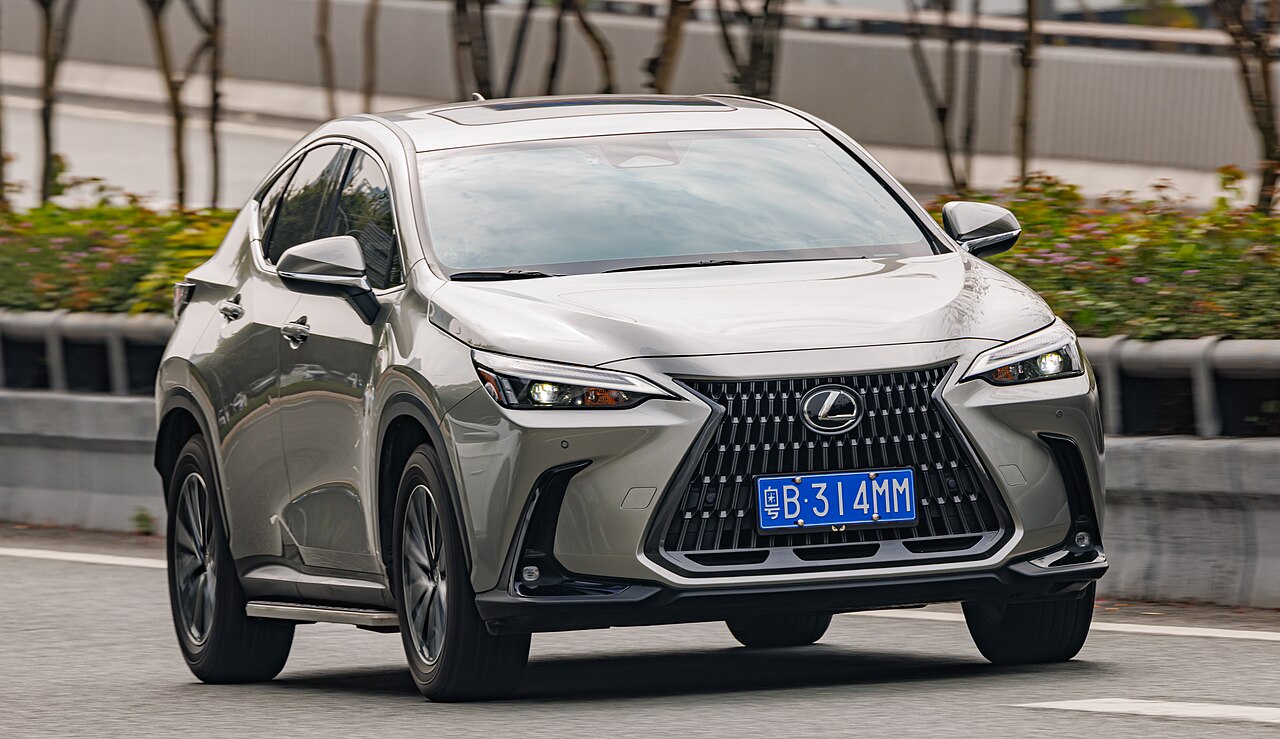
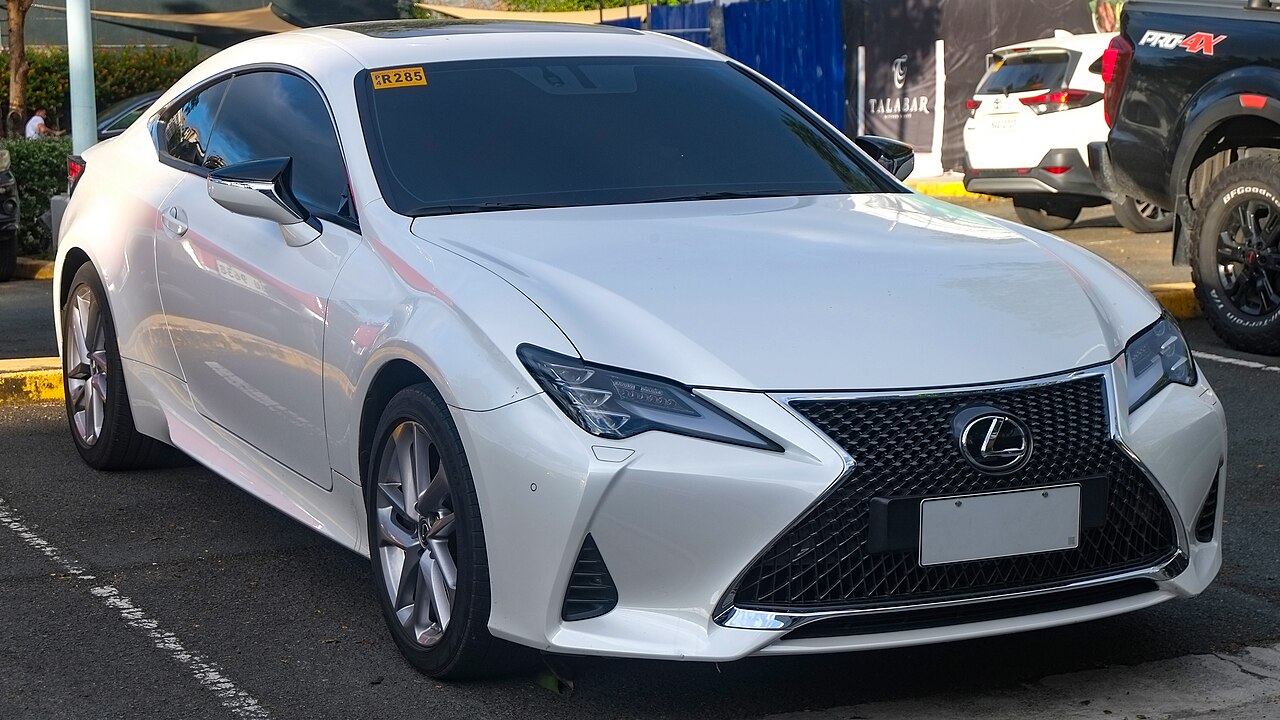
The LS400 and Lexus founding philosophy
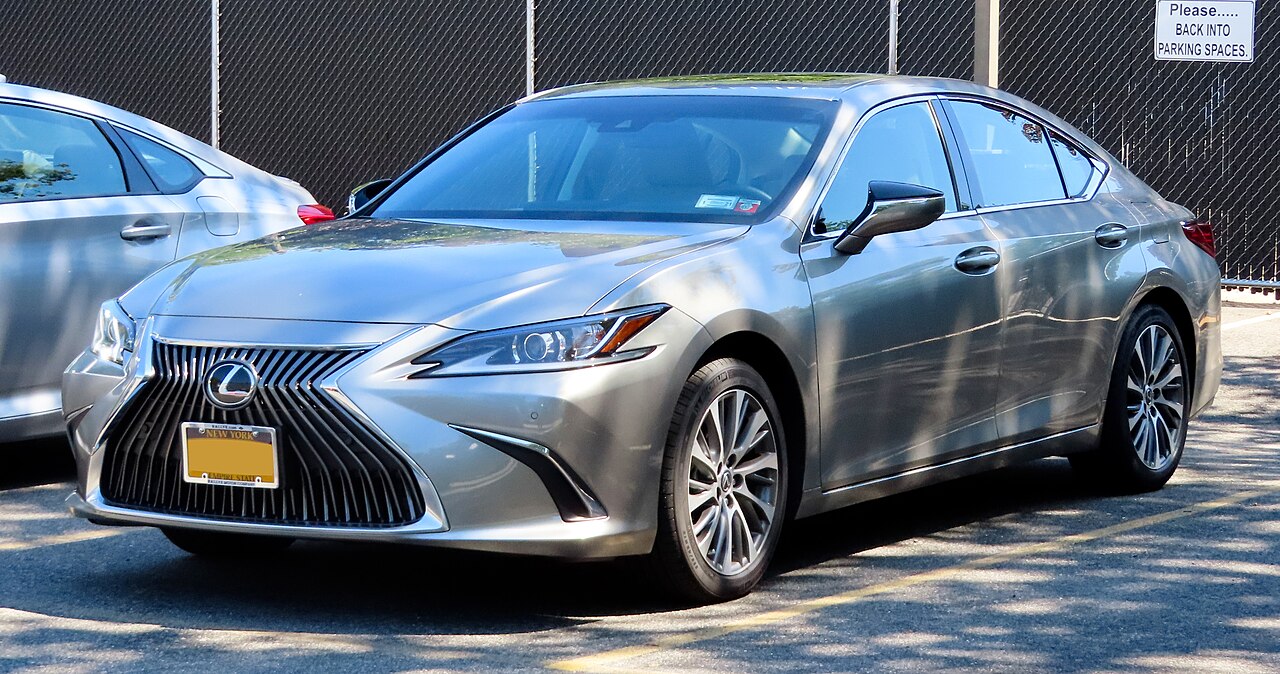
The LS400 was the result of Project F1, a six-year Toyota research program that included extended trips by Japanese engineers to study American luxury car buyers. The car launched in 1989 with a 4.0-liter V8 (the 1UZ-FE), an aggressive eight-year corrosion warranty, and a dealership experience modeled on high-end retail rather than traditional car sales. It worked. By 1992, Lexus was outselling Mercedes-Benz in the United States.
The IS F generation
The IS F (2008-2014) used a 2UR-GSE 5.0-liter V8 making 416 horsepower in a relatively compact sedan body. Rear-wheel drive, eight-speed automatic, naturally aspirated. The chassis was BMW M3 in concept (a sport sedan halo) but quieter and less aggressive in execution. Today the IS F is a value buy in the V8 sport sedan category, often available for under $30,000 with reasonable miles.
The LFA
The LFA development started in 2000. The original prototype used aluminum but was scrapped in 2005 in favor of a carbon fiber chassis, pushing the program back five more years. The 1LR-GUE V10 was developed with Yamaha and revs to 9,000 rpm with a redline transition that takes 0.6 seconds (faster than dashboard tachometer needles can mechanically follow, which is why Lexus used a digital display).
500 units total. 178 went to North America. The LFA is the Lexus halo car that other Lexuses are quietly compared against, and the technology developed (the carbon weaving, the V10, the chassis) influenced subsequent Toyota and Lexus development including the GR Yaris program.
Lexus on WhipJury
The most common Lexus on the platform is the IS300 of the early 2000s, often with 1JZ or 2JZ engine swaps. The IS F is the next most common, usually clean stock. The LC 500 and RC F have a smaller but enthusiastic following. The community appreciates that Lexus performance has stayed naturally aspirated when most of the industry has not.