What is Torque?
Torque is the rotational, twisting force an engine produces, and it is the main factor behind low-speed acceleration and towing capability.
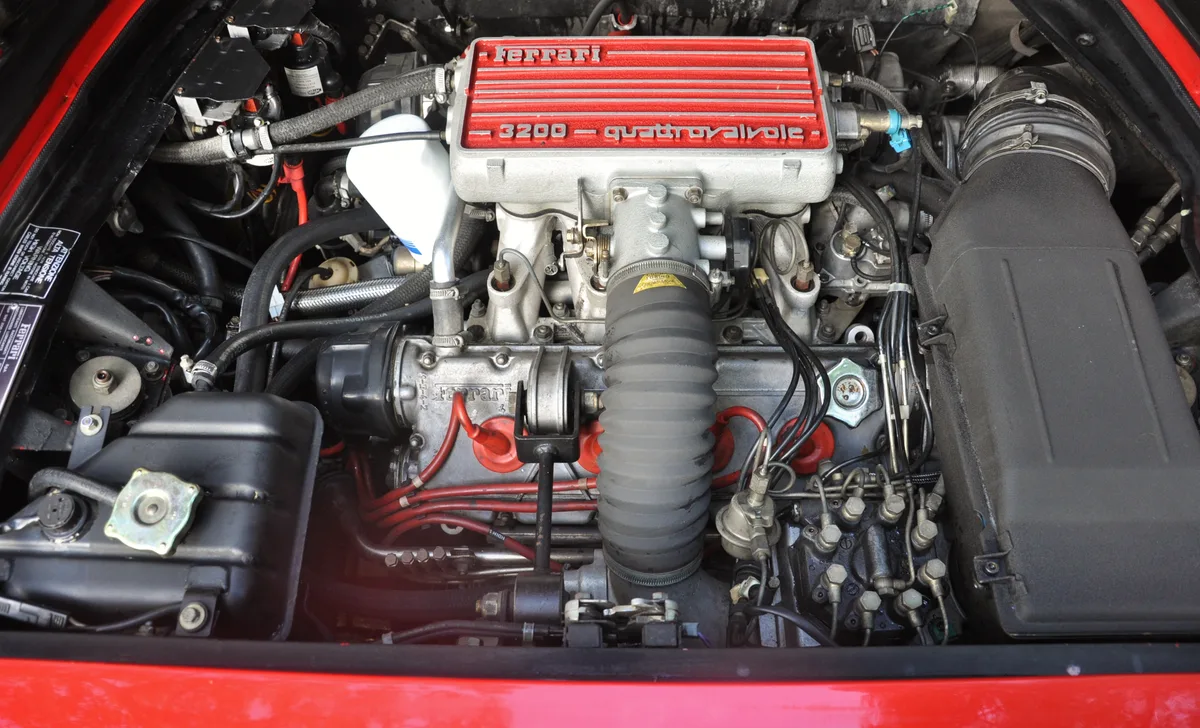
Torque is a measure of rotational force, describing how hard an engine's crankshaft twists rather than how fast it spins. It is typically expressed in pound-feet (lb-ft) in the United States or Newton-meters (Nm) elsewhere, and it is calculated by multiplying the force applied by the length of the lever arm it acts through. In an engine, that force comes from combustion pressure pushing down on the pistons, which is transferred through the connecting rods to rotate the crankshaft.
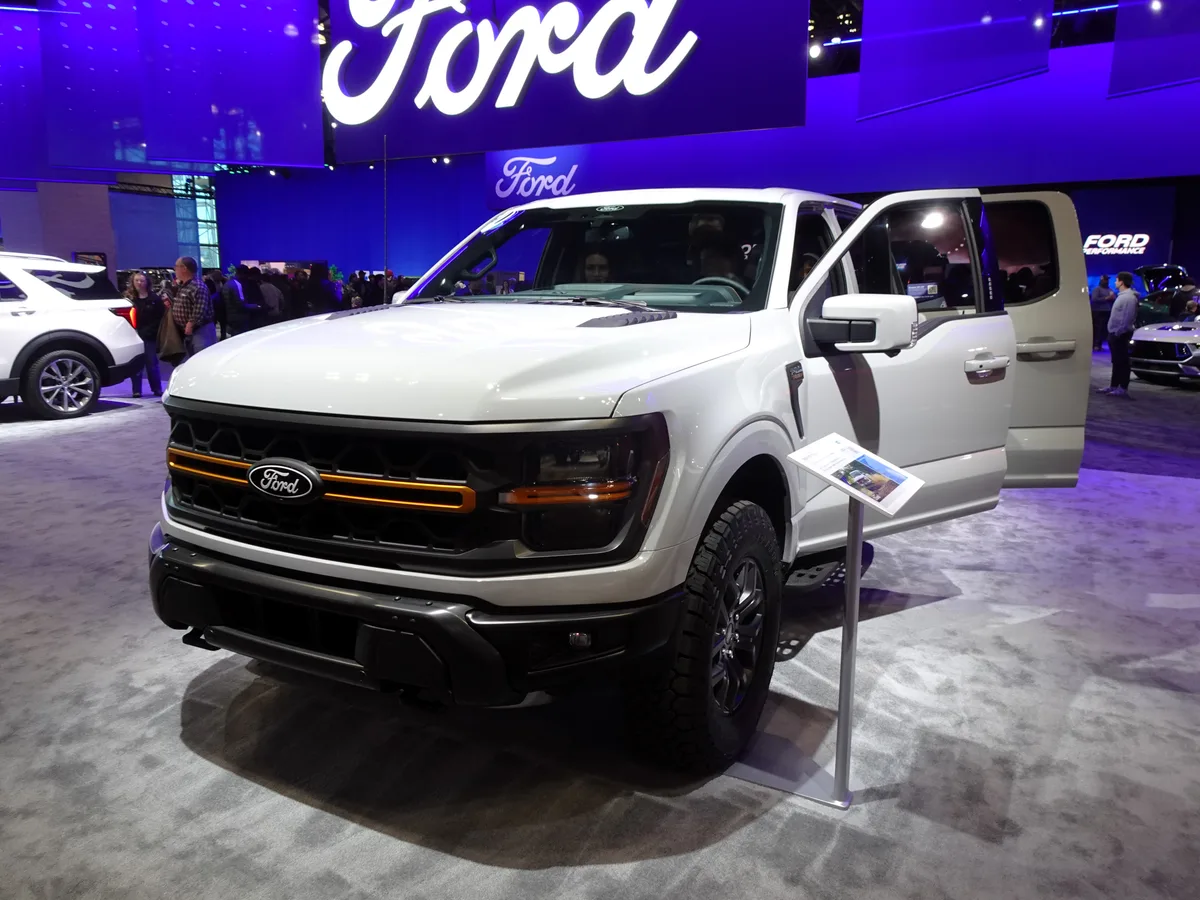
Torque matters most in situations that demand pulling power rather than outright speed, such as towing a trailer, hauling cargo, or accelerating from a stop before the engine has built up RPM. Diesel engines and large-displacement or forced-induction gasoline engines are often prized for producing high torque at low RPM, which is why trucks and tow vehicles are marketed heavily on torque figures. Electric motors take this further, delivering peak torque almost instantly from zero RPM, which is part of why EVs can feel quick off the line despite modest horsepower ratings.
Gearing multiplies torque, which is why a car's lower gears feel more urgent than its higher ones even though the engine's own torque output has not changed. This relationship also explains why manufacturers pair transmissions and final drive ratios carefully to the engine's torque curve, since the right gearing can make a modest engine feel strong while the wrong gearing can make a powerful engine feel sluggish.