MINI Cars
Euro · 8 models

MINI: British Go-Kart Spirit, BMW Precision
EuroMINI is a British small-car marque revived by BMW in 2001, celebrated worldwide for its go-kart handling, bold personalisation options, and direct lineage to the iconic original Mini of the 1960s.
MINI models we cover
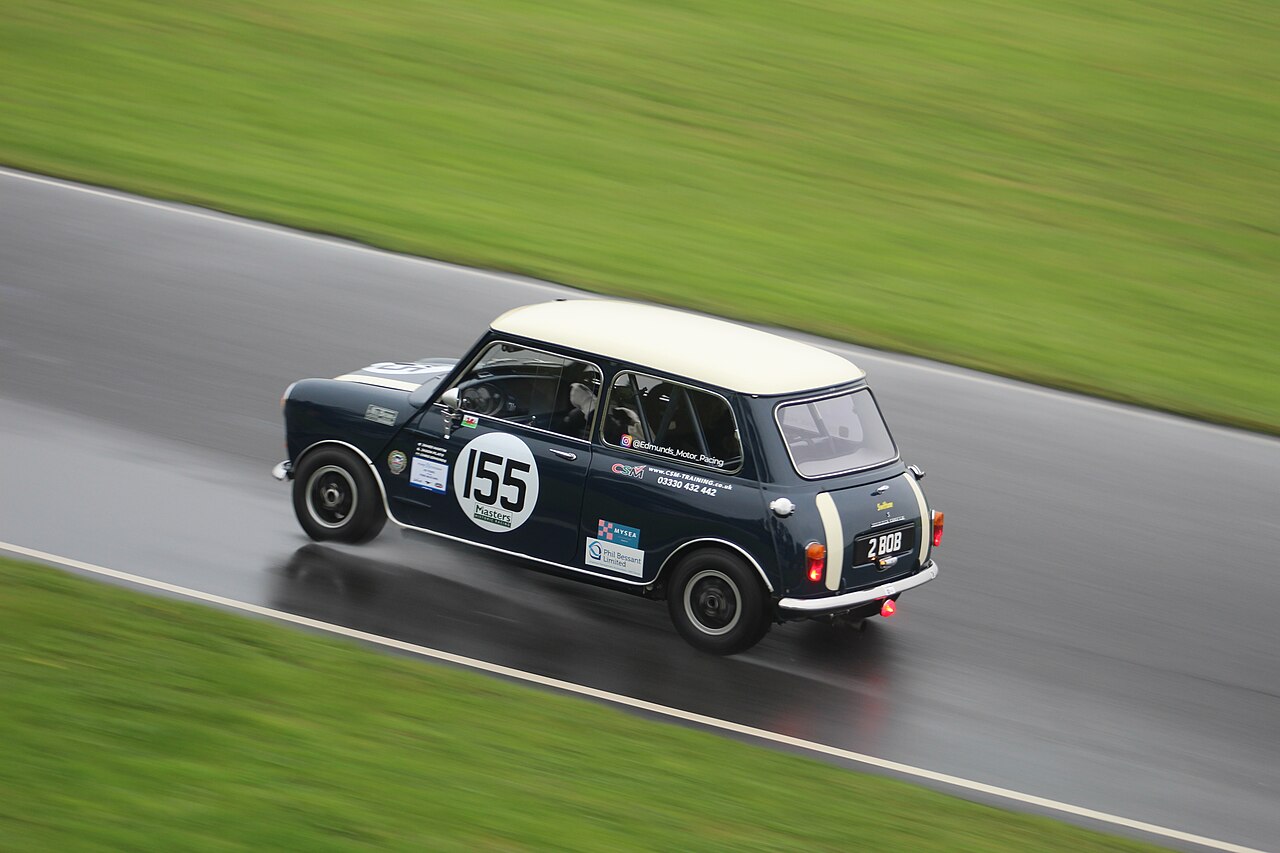

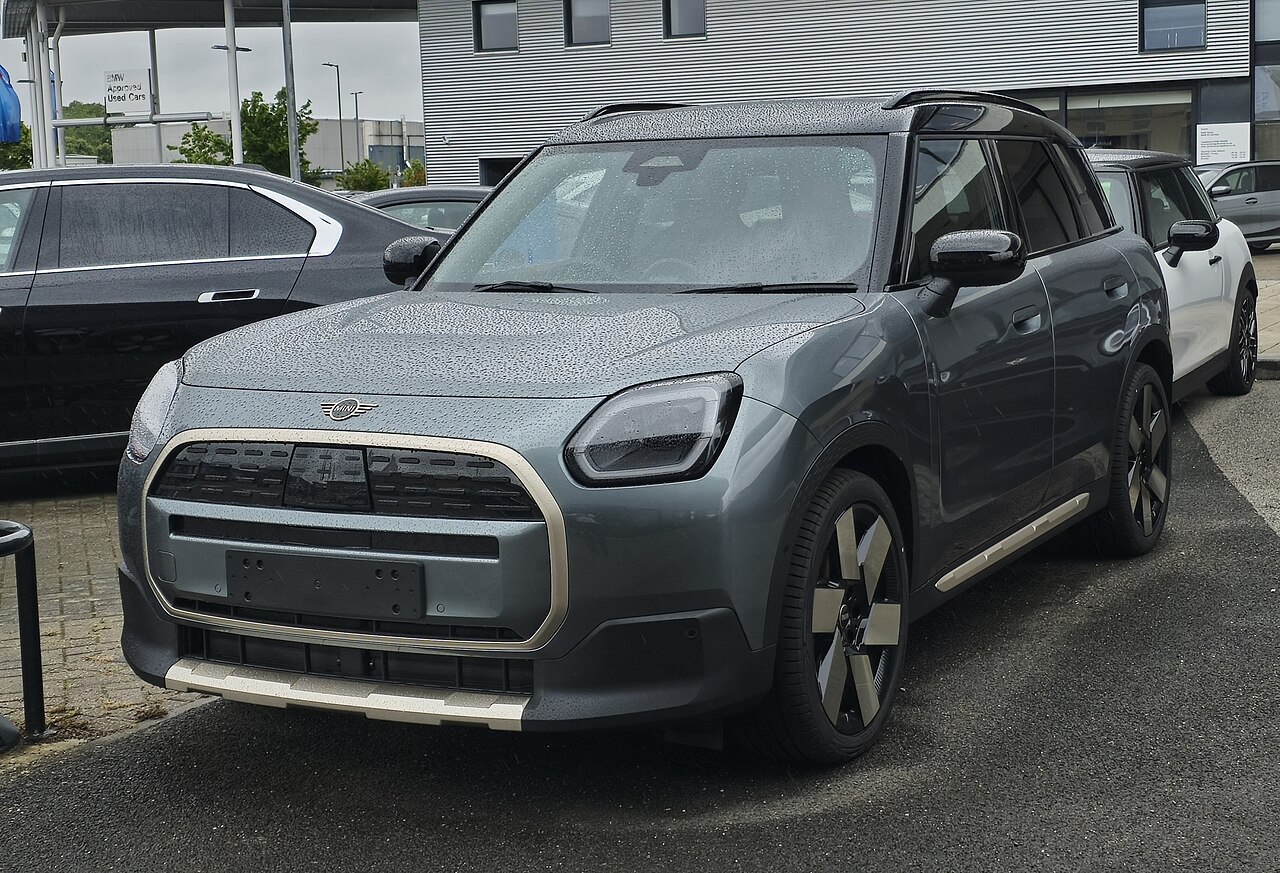
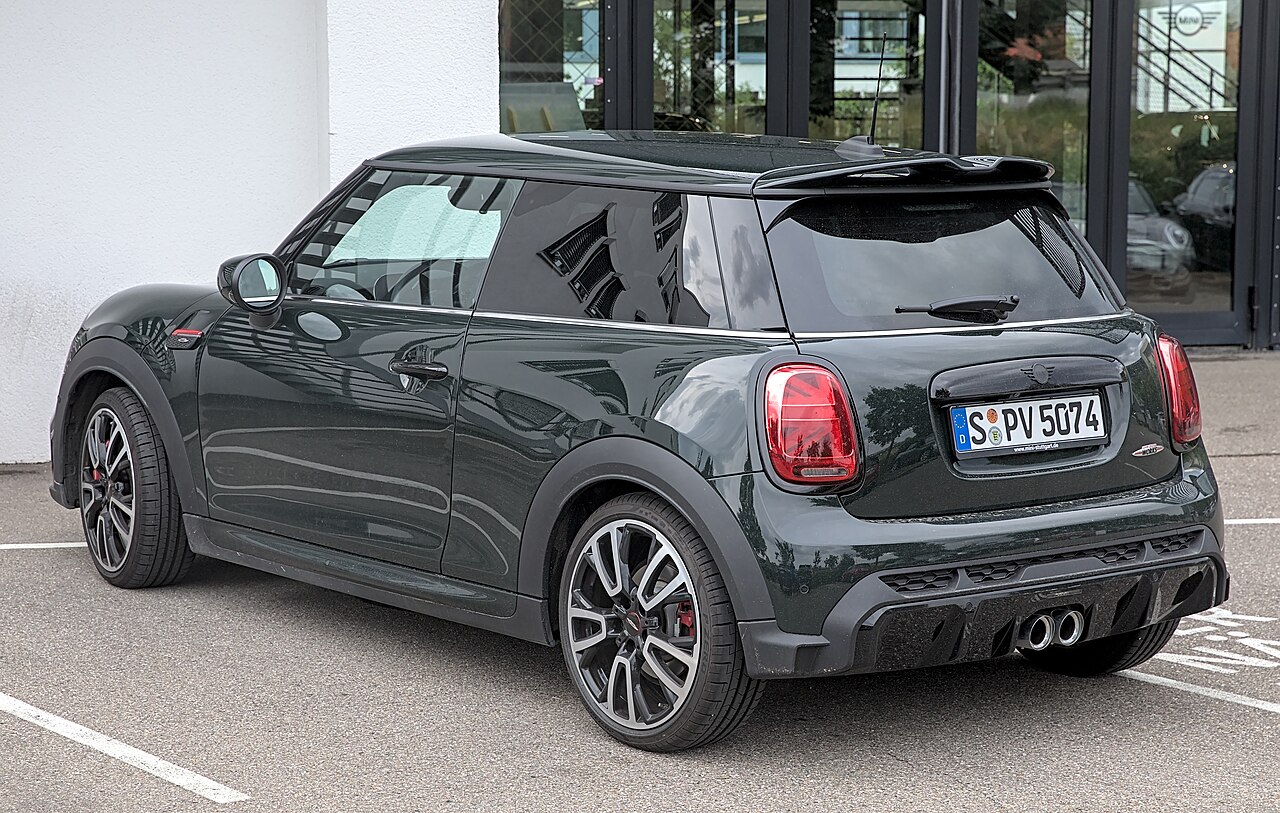
The MINI story begins in 1959 when Alec Issigonis penned the original Mini for the British Motor Corporation, squeezing four adults and a boot into a tiny 10-foot shell by mounting the engine transversely and driving the front wheels. That layout transformed small-car engineering and the little car became a cultural icon, a Monte Carlo Rally winner, and a symbol of Swinging Sixties Britain. Production continued under various British and then German ownership until 2000, giving the nameplate more than four decades of continuous history before the modern era began.
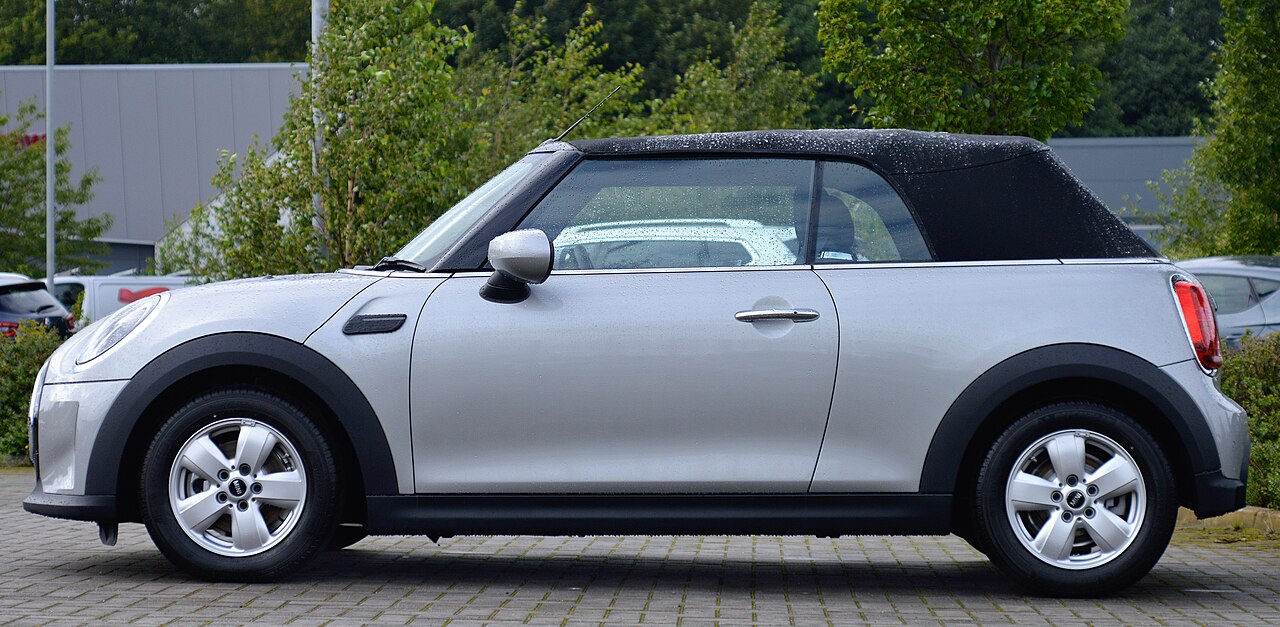
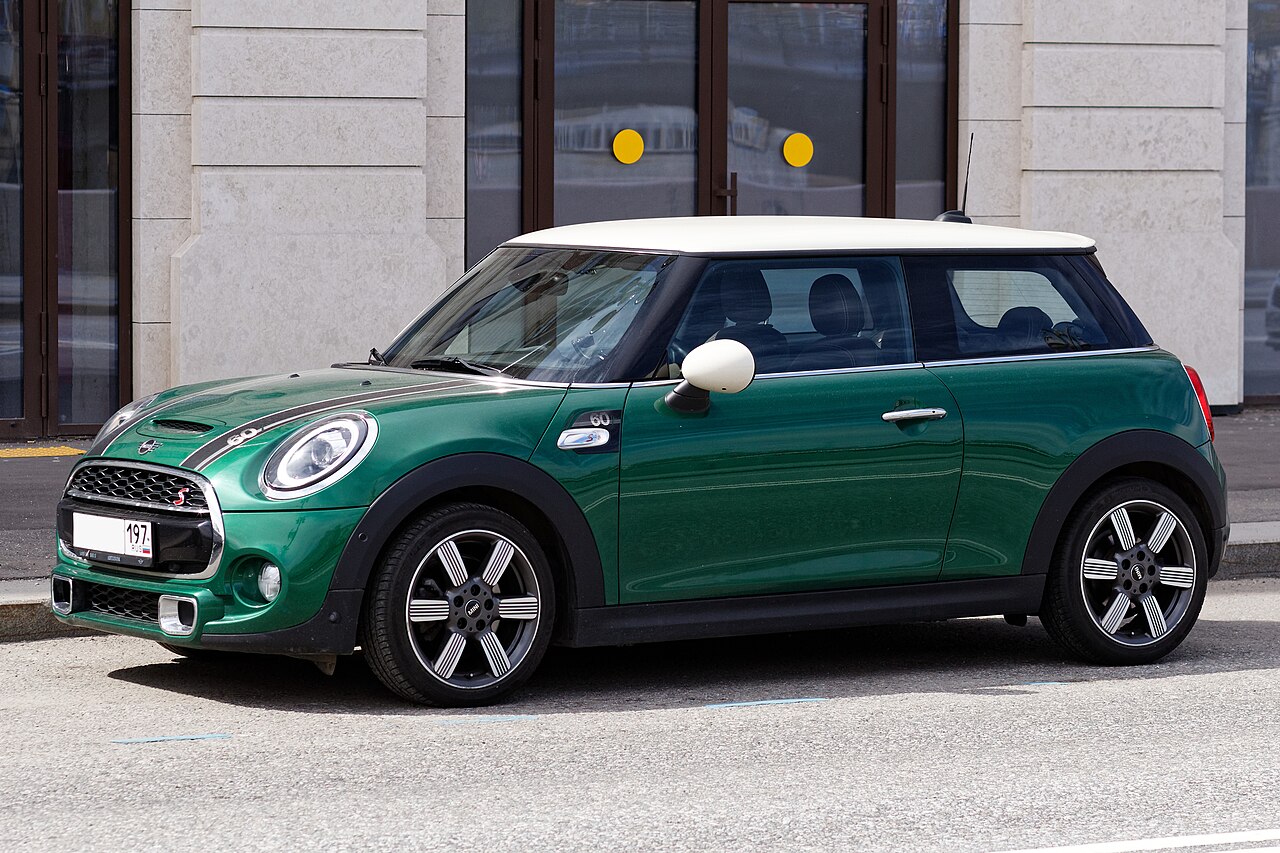
BMW acquired the MINI brand and relaunched it in 2001 with a larger, more refined hatchback designed by Frank Stephenson that paid deliberate homage to the original's round headlights, central speedo, and cheeky proportions while meeting modern safety and emissions standards. The new MINI quickly earned a devoted following and spawned a growing family of variants including the Convertible, the Clubman estate, the Countryman SUV crossover, and the track-focused John Cooper Works performance models. BMW expanded the range steadily while keeping the go-kart handling character and extensive personalisation catalogues that let buyers express individual style through contrasting roofs, door mirrors, and interior trim.
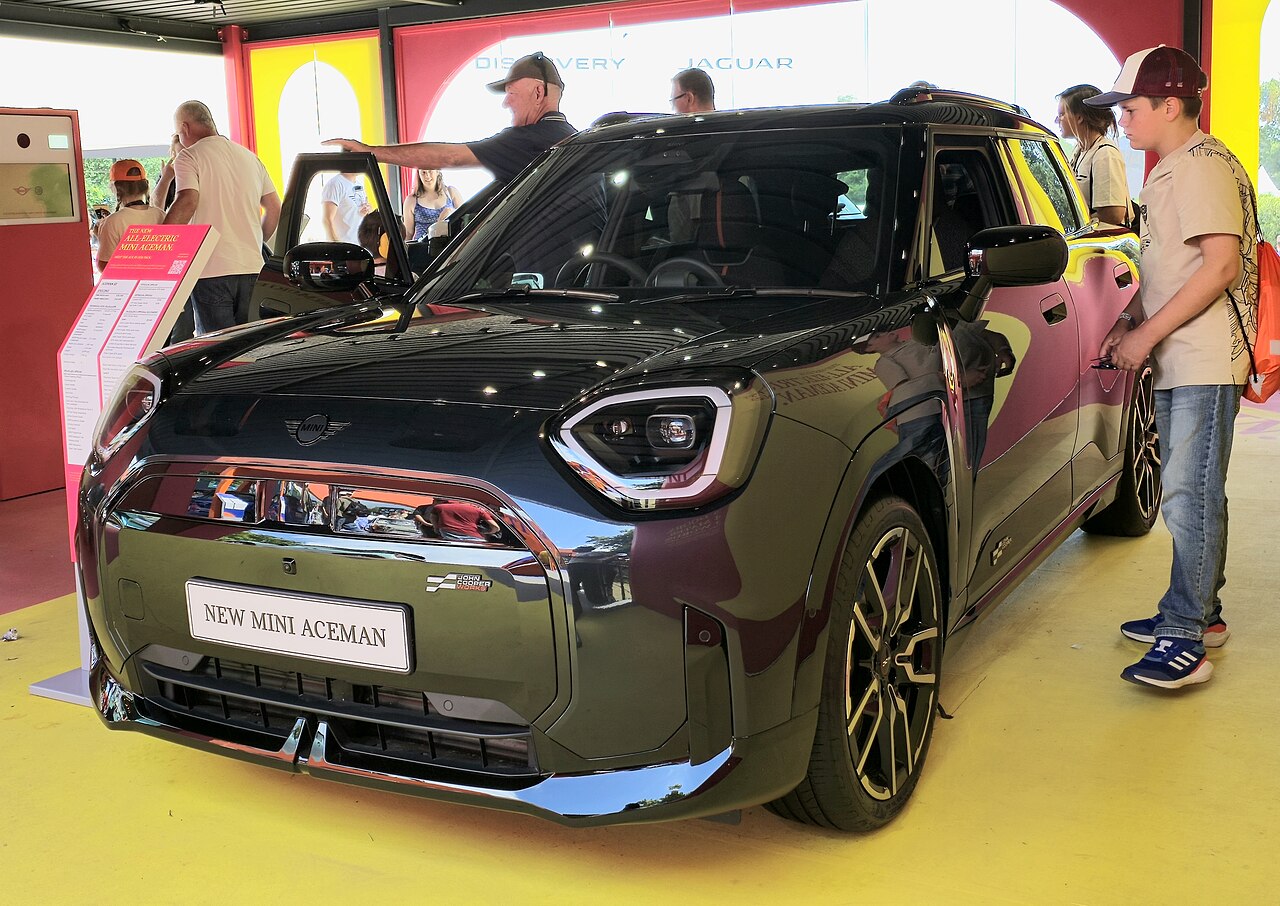
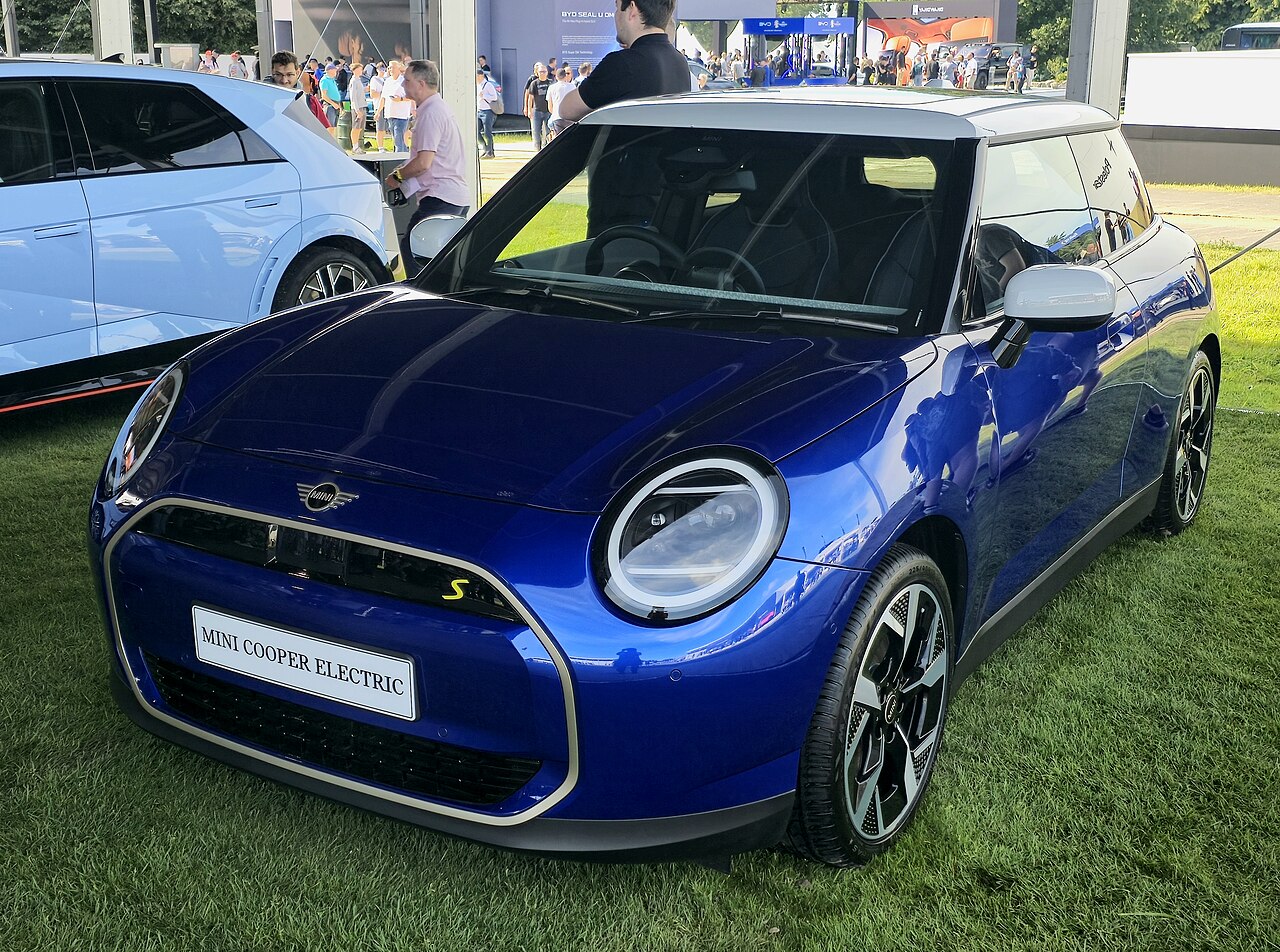
The current fourth-generation MINI lineup, introduced from 2023 onward, shifts decisively toward electrification. The revamped Cooper hatch is available as a battery-electric Cooper SE alongside petrol variants, a new all-electric Aceman compact crossover sits between the Cooper and the larger Countryman, and the Countryman itself offers a fully electric option. MINI positions its electric models as natural fits for urban drivers who value the brand's characteristic agility and style, aiming to transition the majority of its lineup to battery power by the early 2030s as part of BMW Group's broader electrification strategy.