Citroen Cars
Euro · 10 models

Citroen: France's Home of Radical Engineering
EuroCitroen has spent a century chasing comfort and ingenuity over convention, producing some of the most original cars France has ever built.
Citroen models we cover
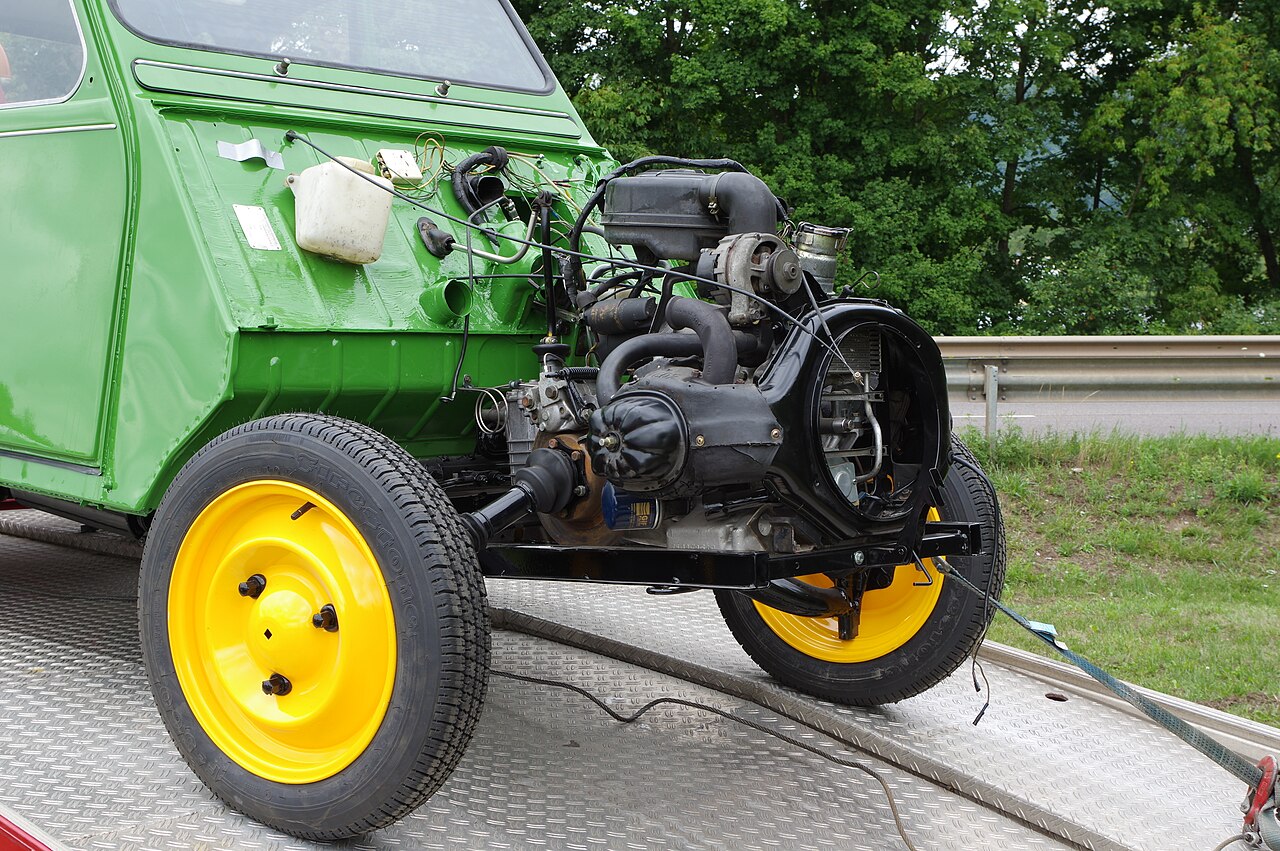
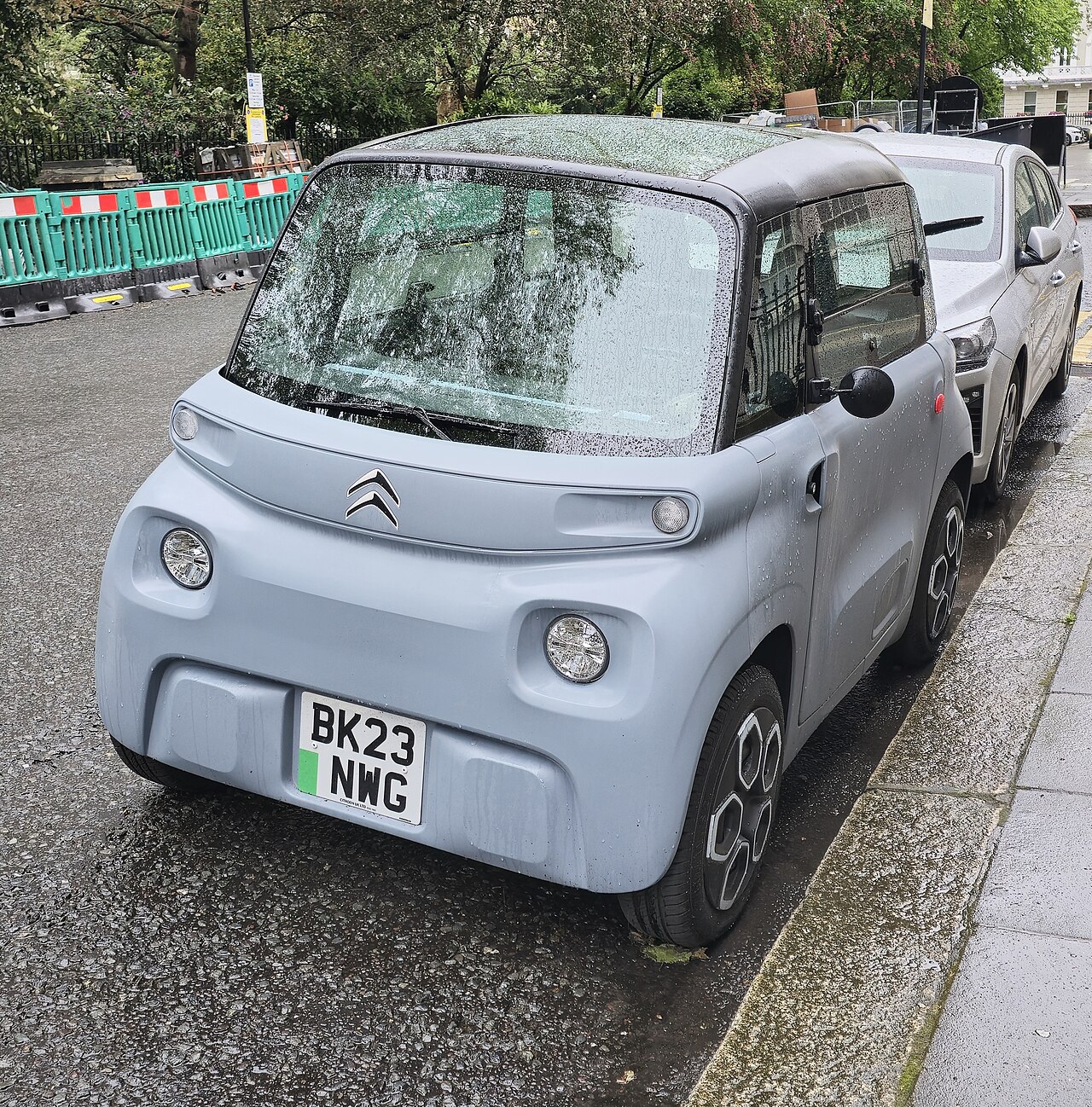
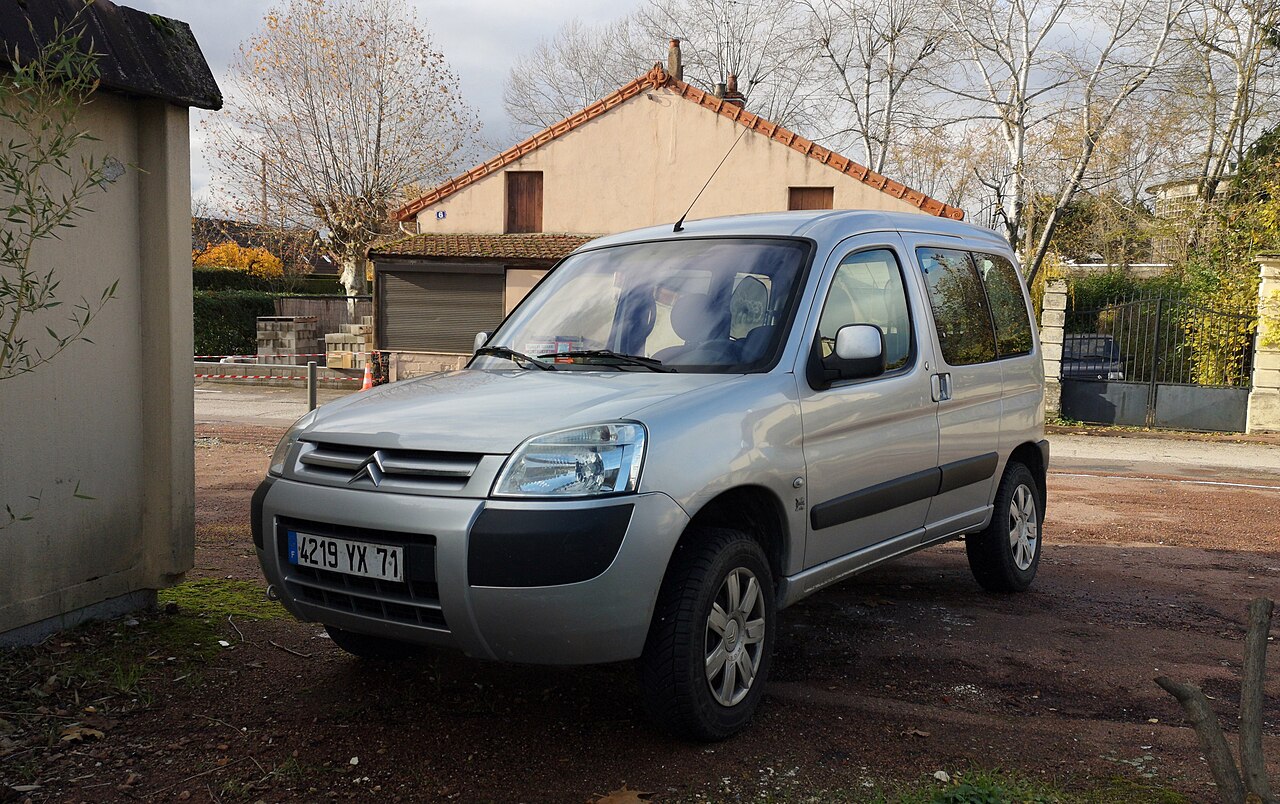

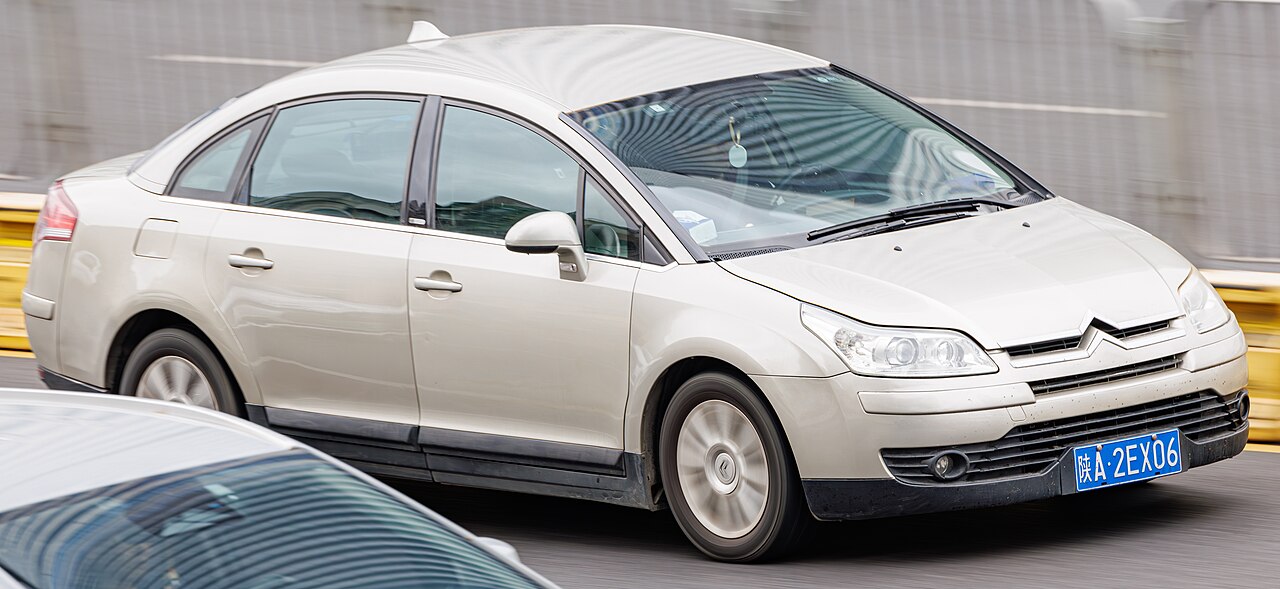
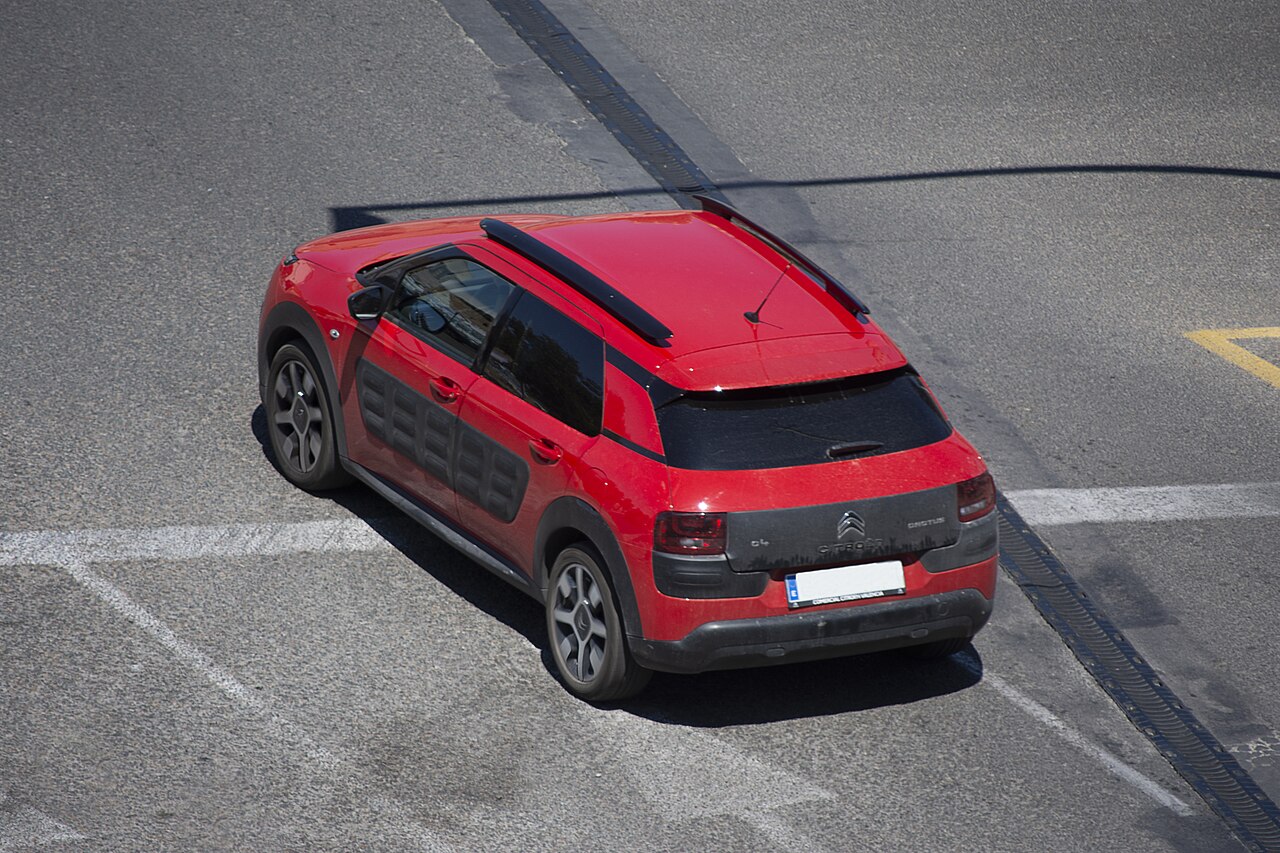
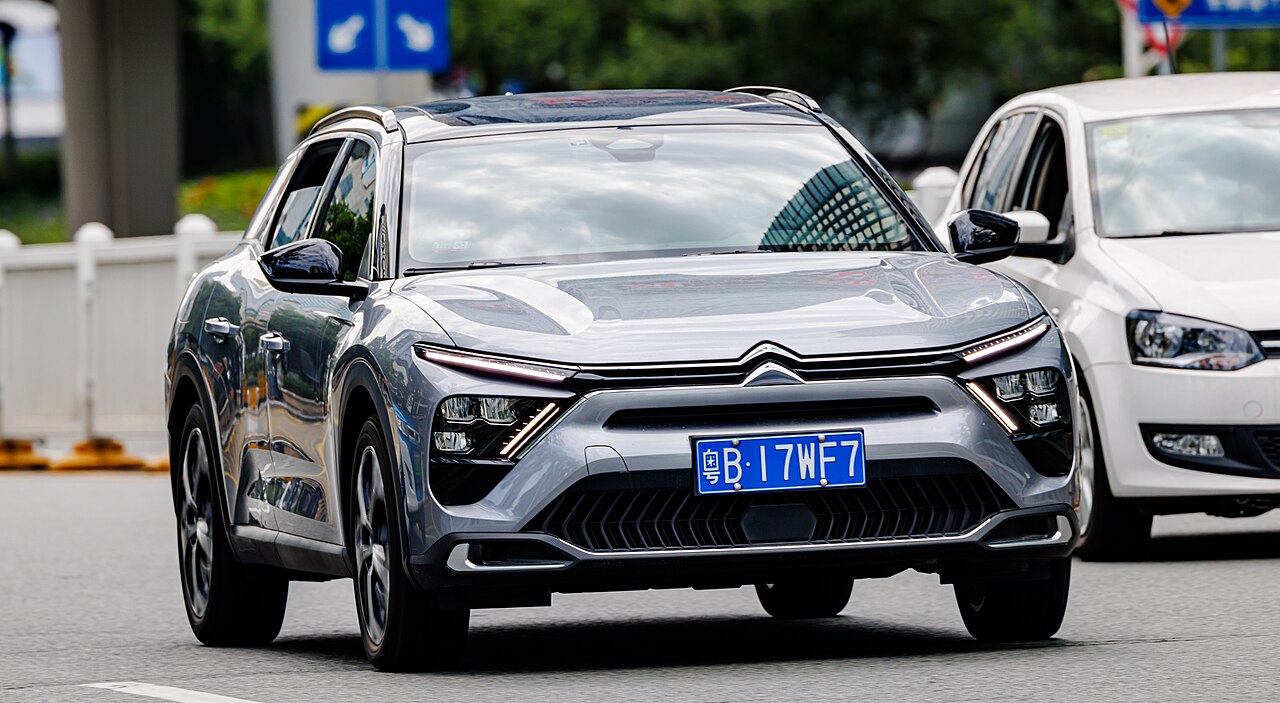
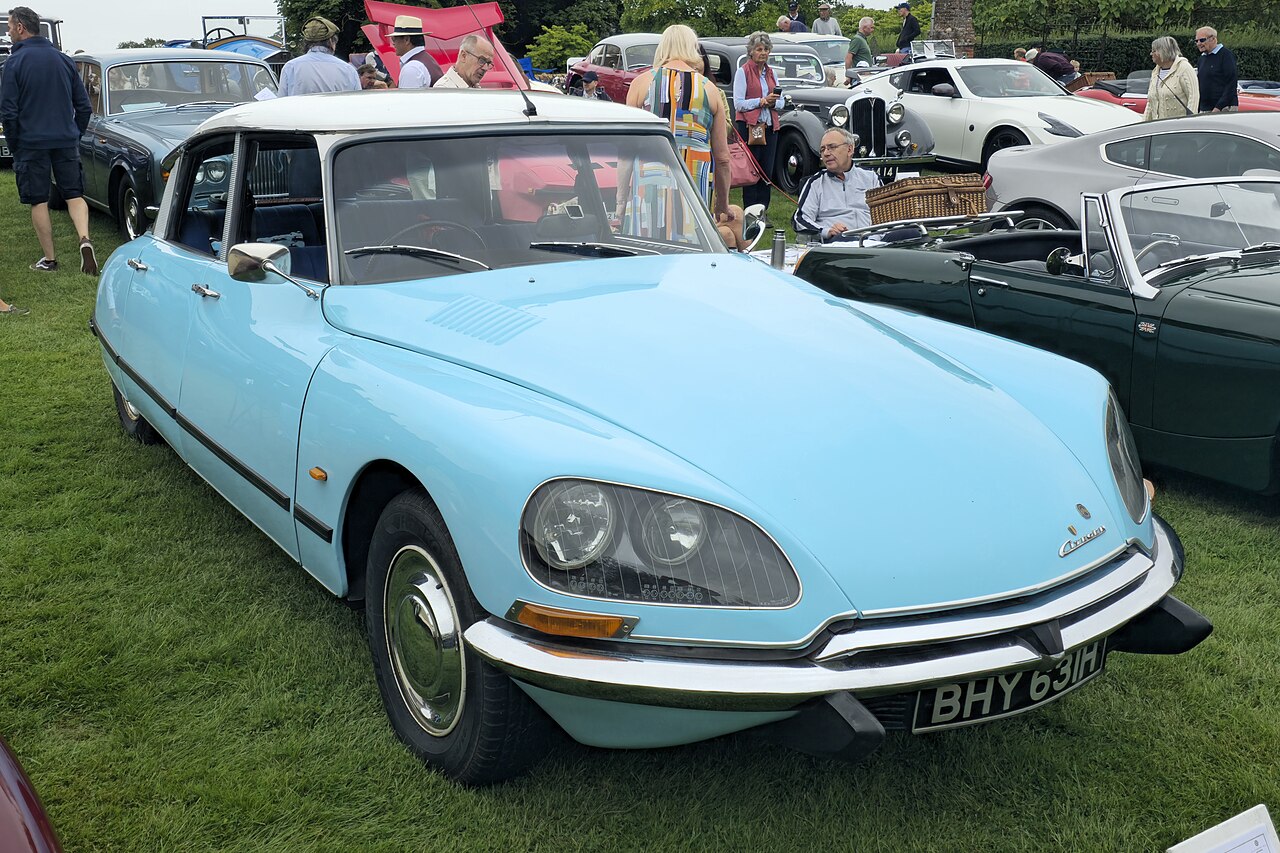
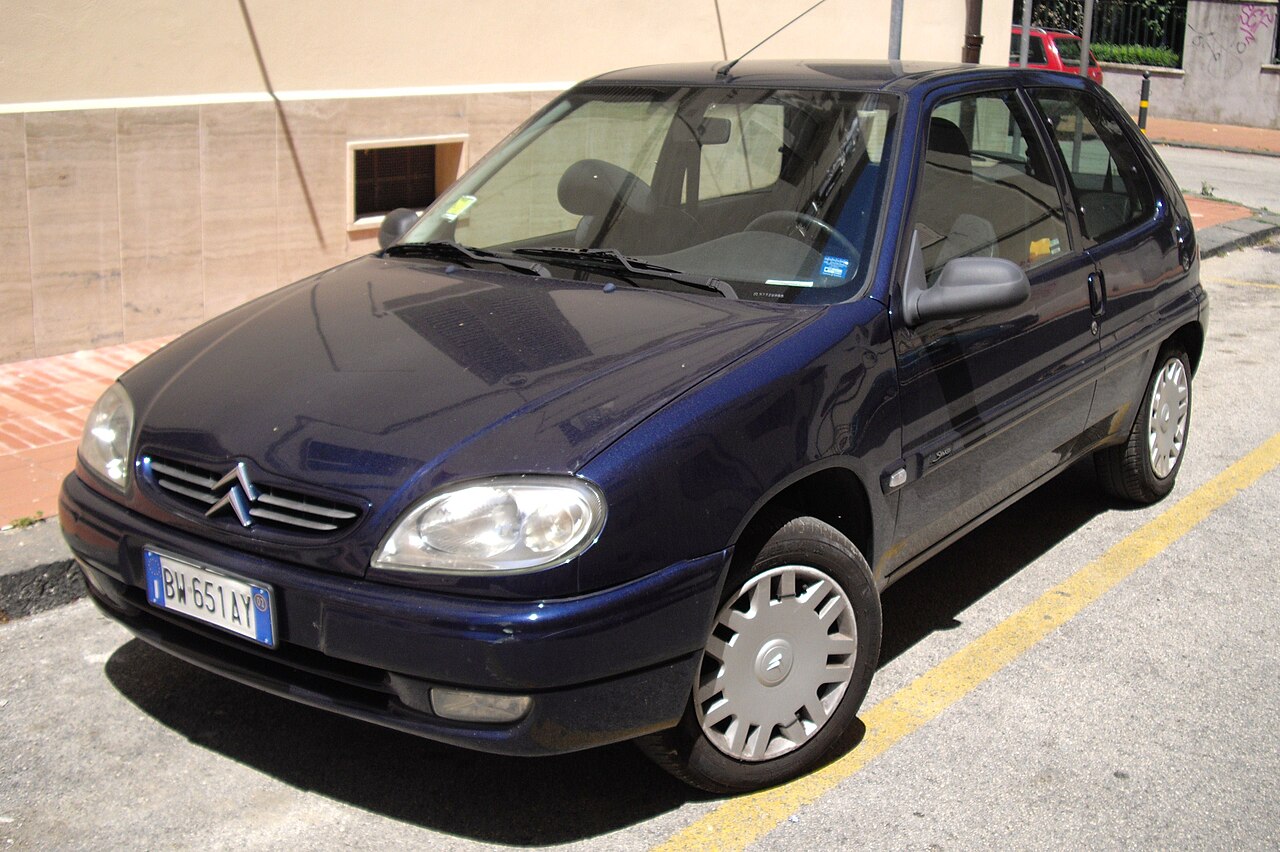
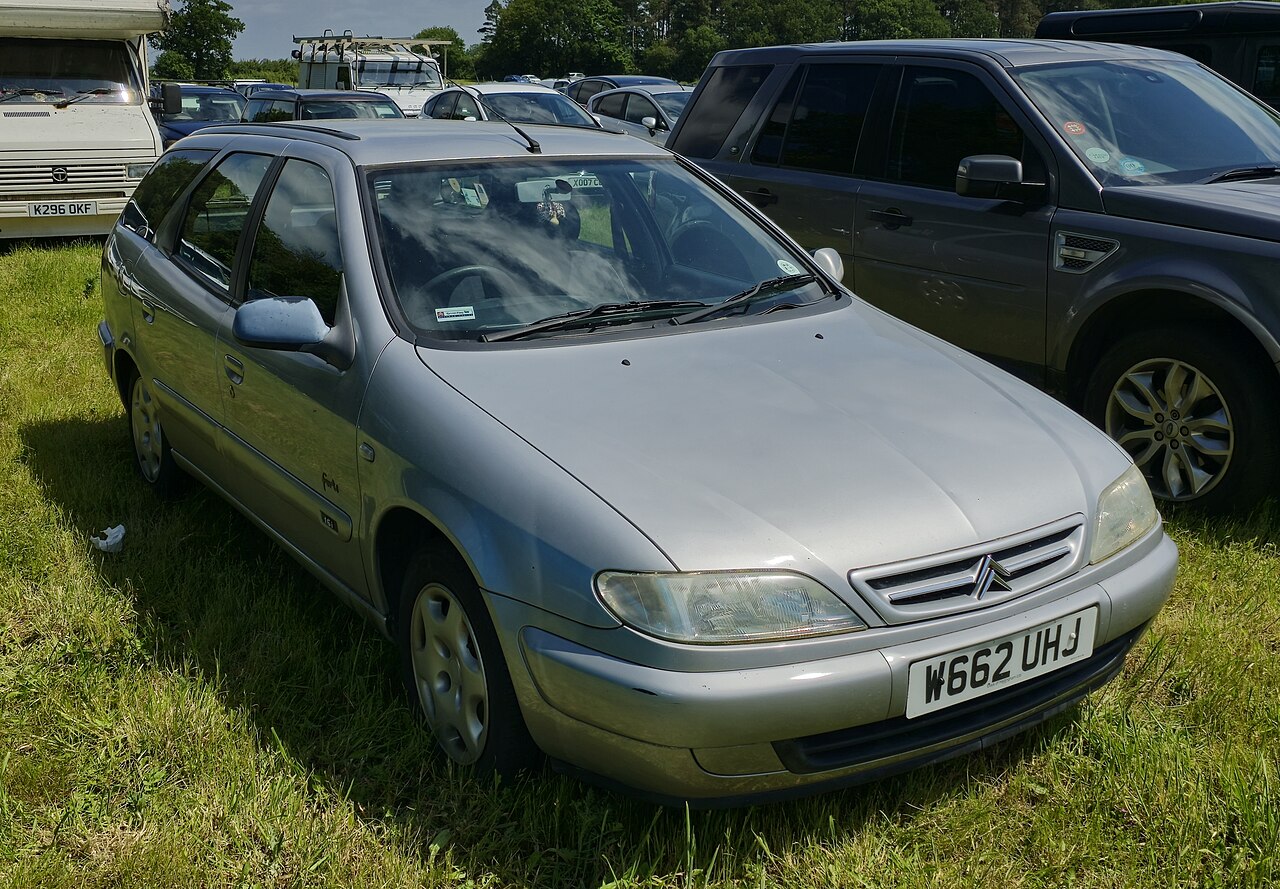
Founded in 1919 by Andre Citroen, the brand made its name by mass-producing cars in a way Europe had never seen before, borrowing production ideas from Ford while insisting on doing things its own way. That contrarian streak defined everything that followed, from the front-wheel-drive Traction Avant of the 1930s to the hydropneumatic self-leveling suspension that made later Citroens feel like they floated over broken pavement.
The 2CV and the DS remain the two poles of the Citroen identity: one an ultra-cheap, ultra-simple people's car built for muddy French farm roads, the other a futuristic luxury sedan so aerodynamically advanced it looked like it arrived from another decade. Between them they proved Citroen could serve both ends of the market without ever building something ordinary, and that philosophy carried through the Xsara's rally-winning years and the C4 Cactus's dent-proof Airbump panels.
Now part of Stellantis, Citroen continues to lean into comfort-focused engineering and unconventional design rather than chasing sportiness for its own sake, with the tiny Ami extending that eccentric streak into the electric age. For collectors and daily drivers alike, a Citroen is a car bought by people who wanted something genuinely different from Peugeot, Renault, or the German mainstream.