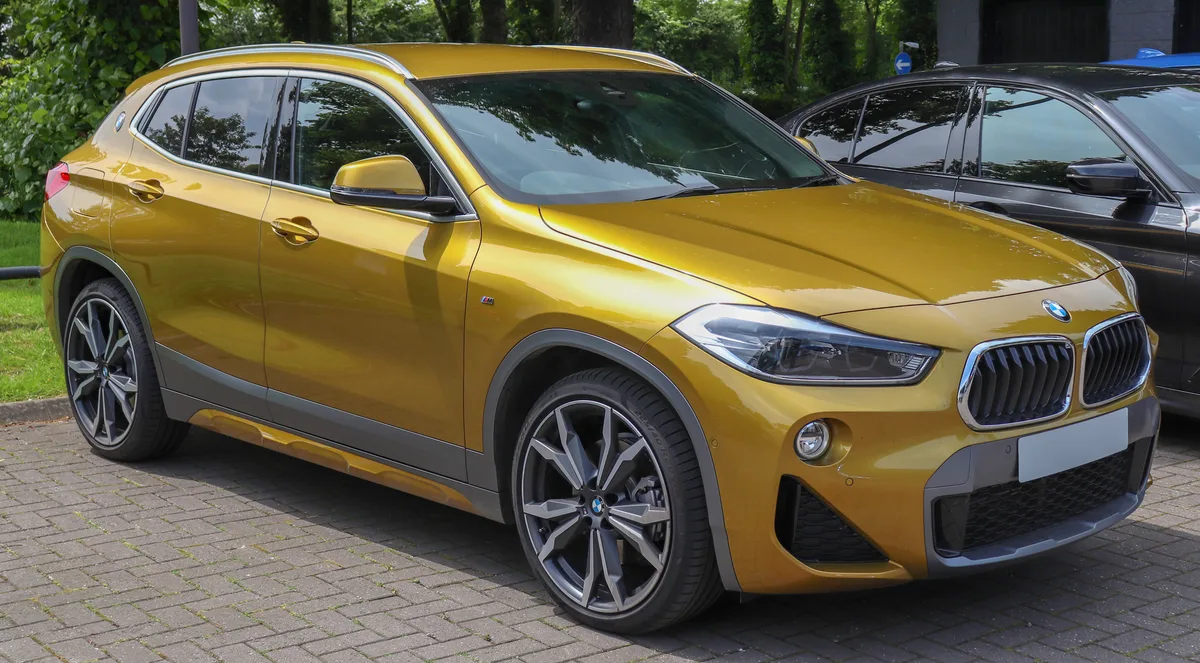
Pop-up headlights disappeared because European pedestrian-safety regulations introduced in 2003 made protruding front-end hardware effectively impossible to certify, and because fixed headlight technology got good enough that the mechanical complexity stopped earning its keep. They were never formally banned in the United States. They were regulated and engineered out of existence, and the last two production cars to carry them, the Chevrolet Corvette C5 and the Lotus Esprit, both ended production in 2004.
Twenty years later they remain one of the most beloved dead features in car design. Here is why they existed at all, what actually killed them, and whether they could ever come back.
Why They Existed in the First Place
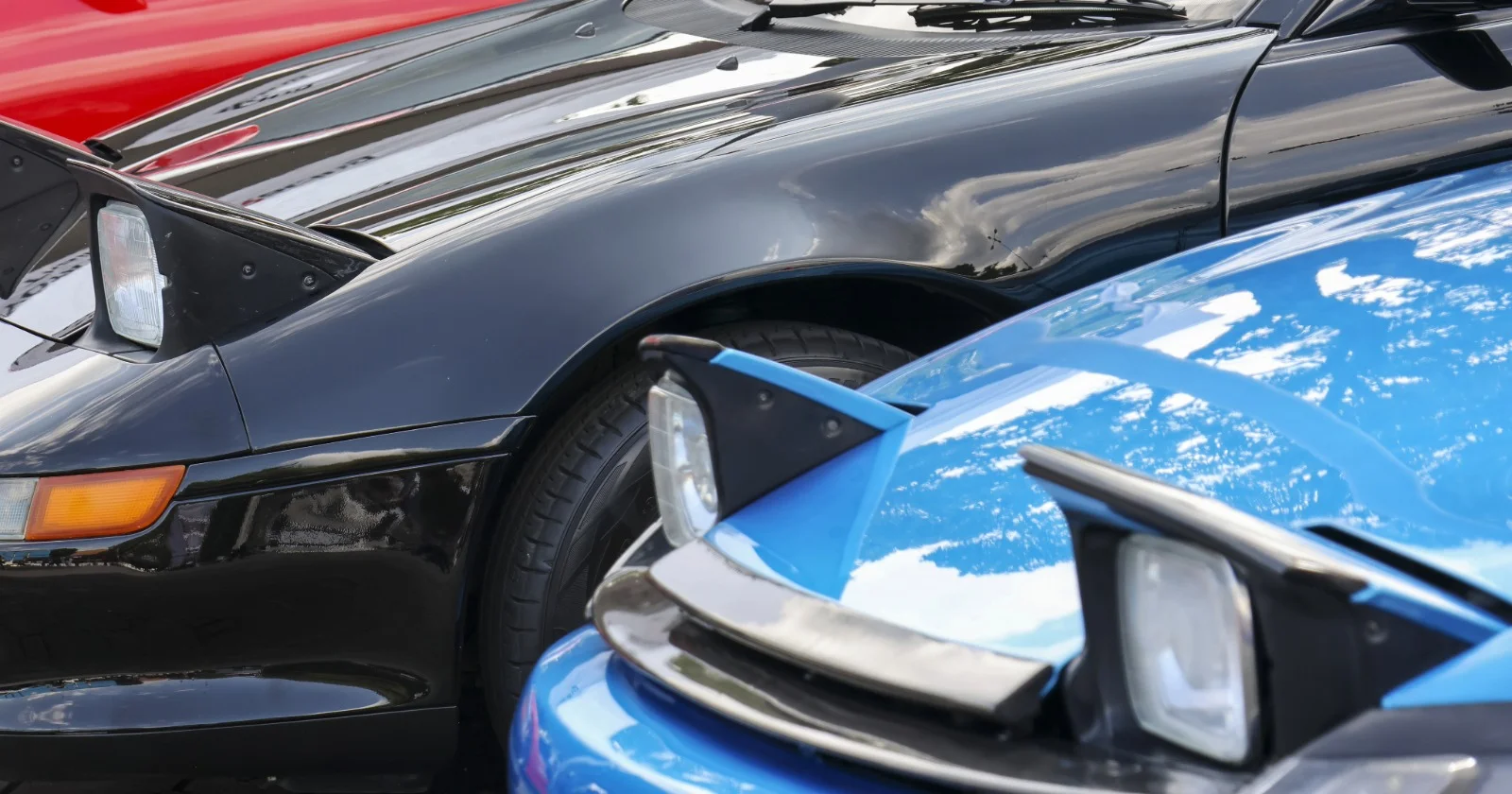
Pop-up headlights were born as a workaround. The Cord 810 introduced hidden headlamps in 1936 as streamlined styling, but the golden age came from regulation. For decades, US law required standardized sealed-beam headlights mounted at a minimum height. Designers chasing low, aerodynamic noses had a problem: the law dictated a tall headlight on a car that wanted a short nose. The pop-up solved it. Lights up, the car was legal. Lights down, the car was a wedge.
That is why the feature defines the look of an entire era of sports cars: the Lamborghini Countach, the Ferrari F40, the Porsche 944, the Mazda RX-7, the Toyota MR2, and the first Miata, whose friendly blinking face made the mechanism charming instead of exotic.
What Actually Killed Them
Three forces converged. First, regulation flipped sides. European pedestrian-protection rules that took effect for new car types from the mid-2000s required front ends to be forgiving in a pedestrian impact, and a raised pop-up is a hard-edged box positioned exactly where a leg or hip arrives. Certifying one in both the up and down positions, across global markets, became an engineering project no accountant would approve.
Second, the original justification evaporated. The sealed-beam requirement loosened in the 1980s, and composite, projector, and eventually LED lamps let designers fit bright, legal lighting into noses of almost any shape. The problem pop-ups solved stopped existing.
Third, they were always a liability on the build sheet. Motors, linkages, relays, and pivots that live in the weather eventually fail, usually one side at a time, giving the car its trademark wink. They added weight at the worst place, the nose. Raised at speed, they wrecked the aerodynamics they were designed to preserve. Once the styling argument fell, nothing else was holding them up.
So Are They Illegal?
No, and this is the most common misconception about them. No US law bans pop-up headlights, and owning, driving, and importing cars that have them is completely legal. What exists is a regulatory environment, especially for cars sold globally, that makes designing a new one prohibitively difficult. Automakers did not lose a court case. They quietly stopped trying, because the cost of compliance outweighed a styling feature buyers were not demanding.
Could they return? Modern engineering can solve almost anything, and pedestrian-impact rules have been met by cleverer hardware than a folding light. But every dollar of that cleverness would buy a feature whose entire value is nostalgia, on cars that already have excellent lighting. The realistic answer is that they return as homages: fixed lights styled to evoke the wedge era, on restomods and retro-styled EVs, rather than as actual moving parts.
Why We Still Miss Them
Pop-ups gave cars something modern design has almost completely lost: a face that changes. A car with its lights down is sleeping. Lights up, it is awake and paying attention. That tiny theater created an emotional connection no LED signature manages, and it is why the feature outlived its function in people's affection by two decades and counting.
In WhipJury faceoffs, the effect is measurable: wedge-era cars with pop-ups punch far above their price class in votes, and an RX-7 or NA Miata photographed lights-up collects sentiment votes that pure design analysis cannot explain. Some features die and stay dead. This one died and became a fan club.
Sources:
History of pop-up headlights and the Cord 810: This Day in Automotive History
Pedestrian safety regulations and the 2004 endpoint: Mental Floss
Regulatory context and legality: Military.com
Frequently Asked Questions

Cam Walsh has been obsessing over cars since before he could drive one. Based out of Atlanta, Cam covers automotive design, car culture, and the eternal debate over which whips actually look the part.