Alfa Romeo Cars
Euro · 12 models
Italian sport luxury. The Giulia Quadrifoglio is one of the great modern sport sedans. The 4C is a carbon-fiber two-seat exotic. The history is deeper than either.
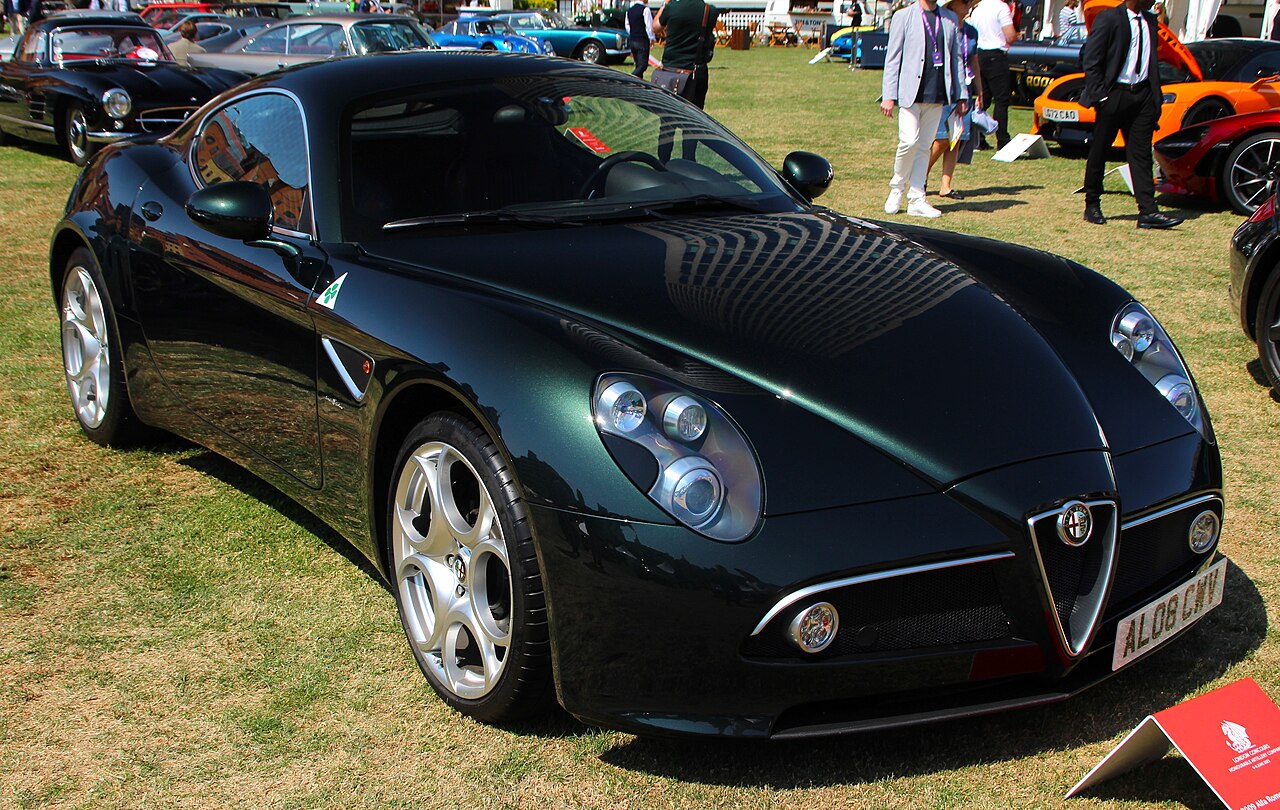
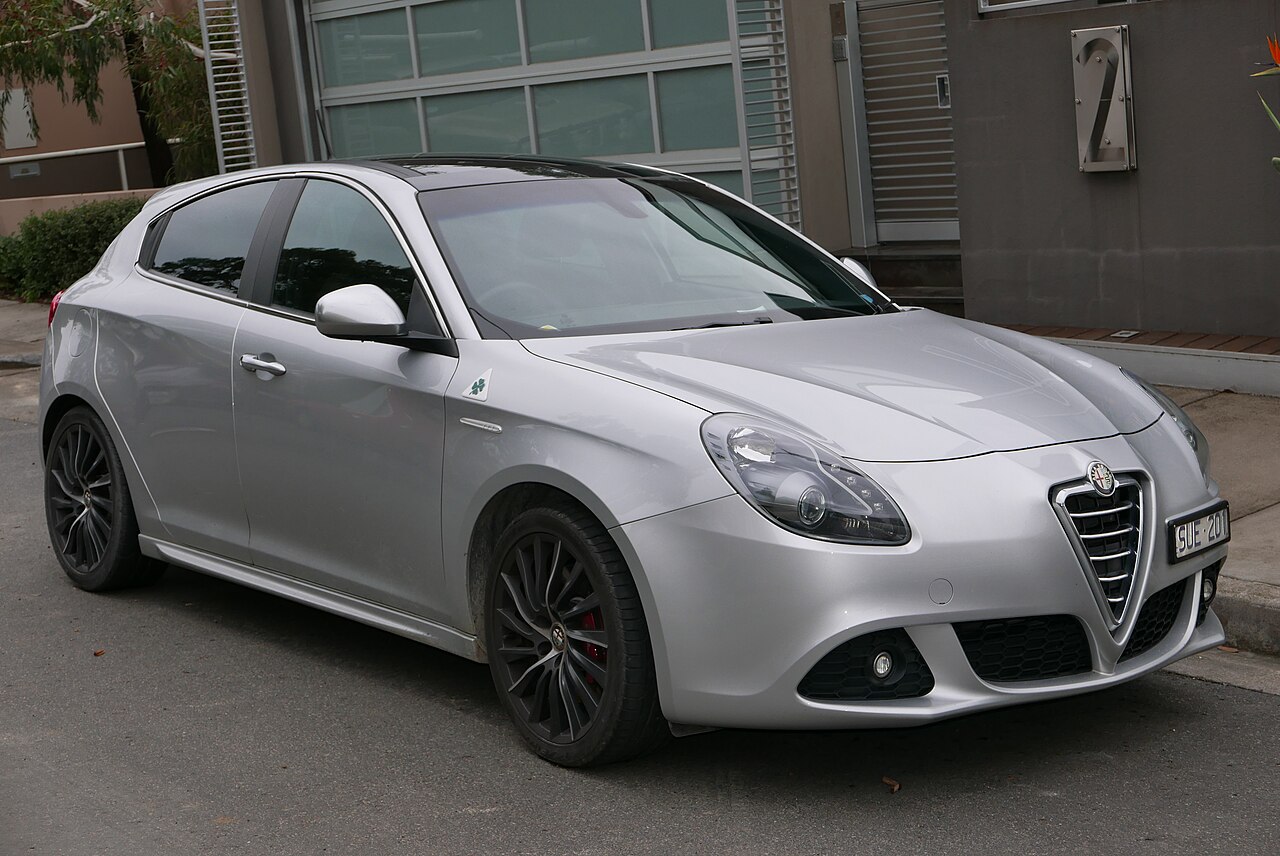
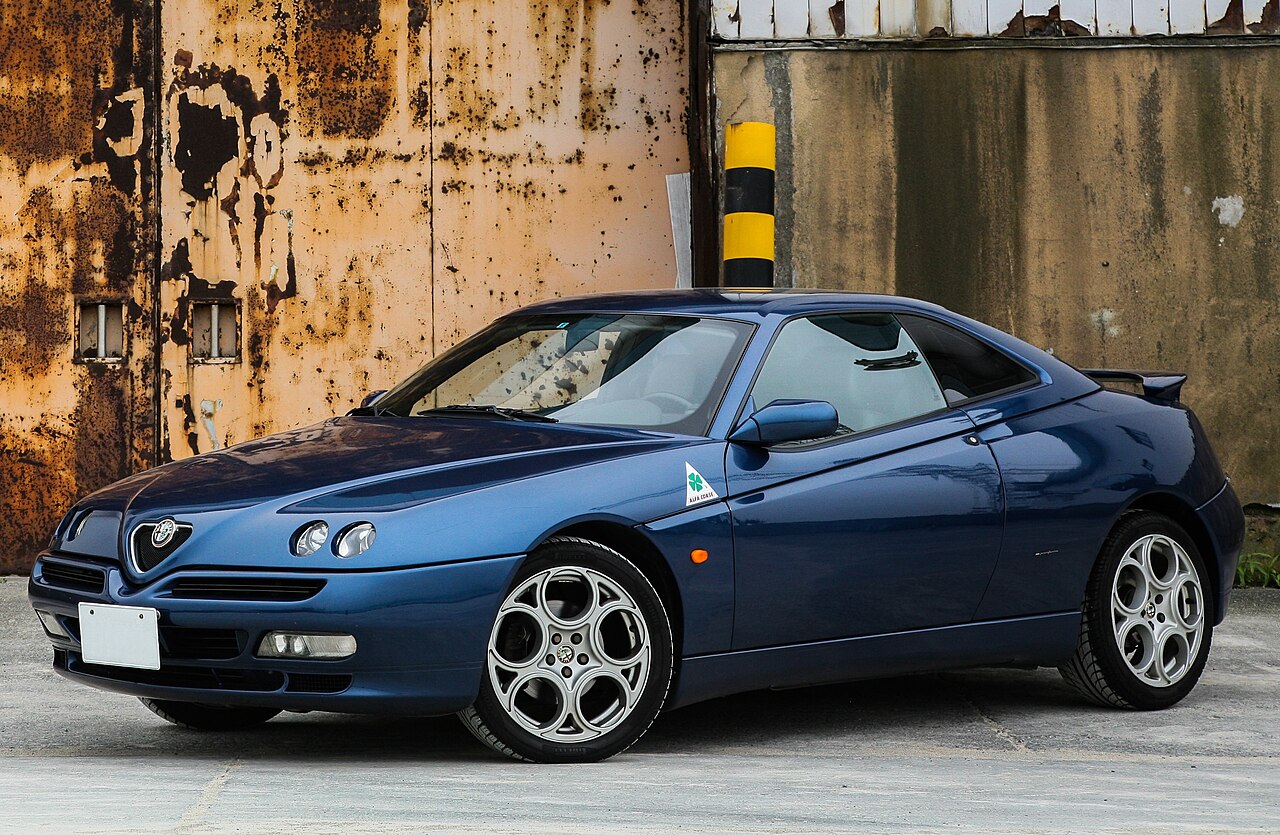
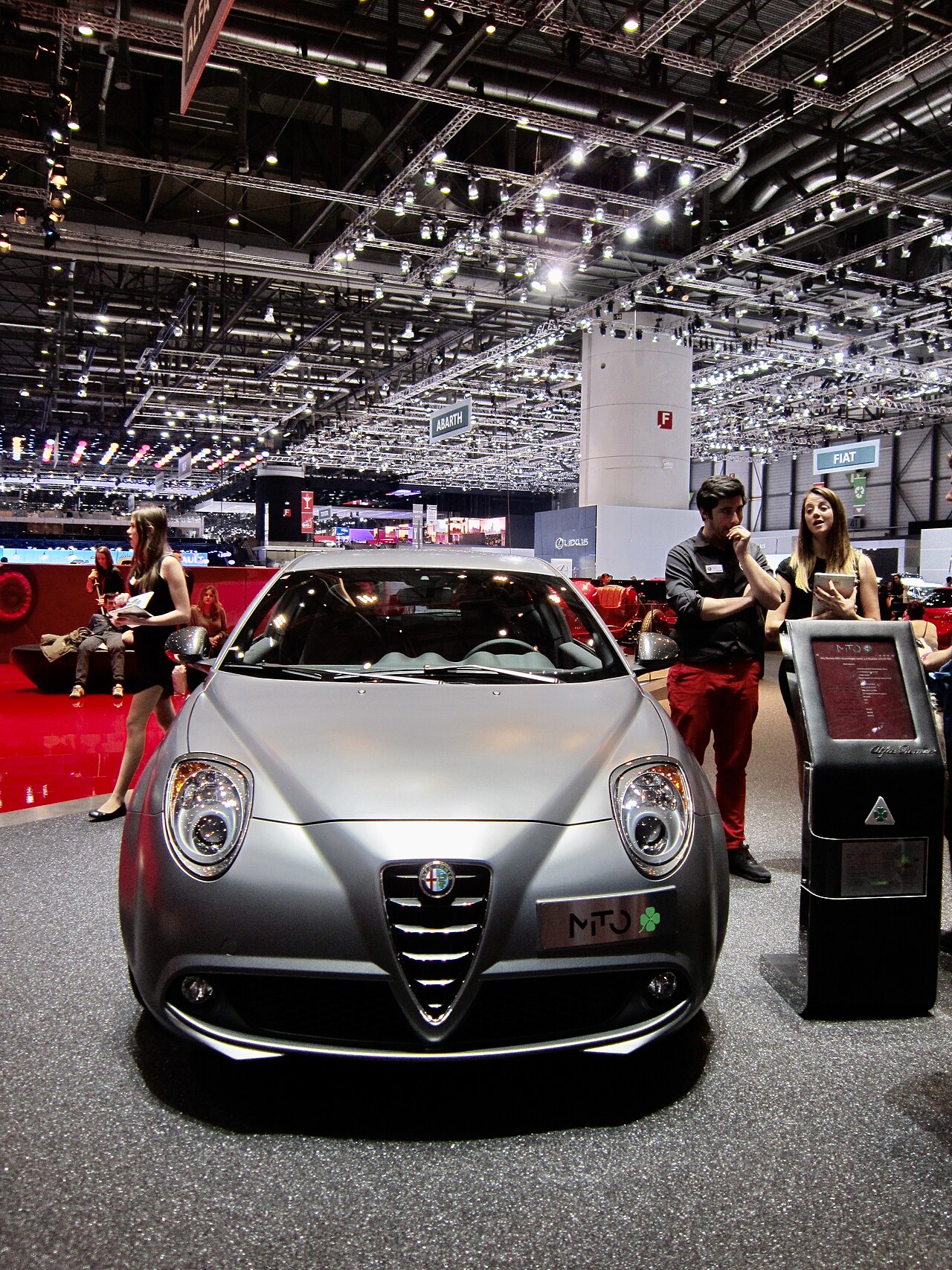
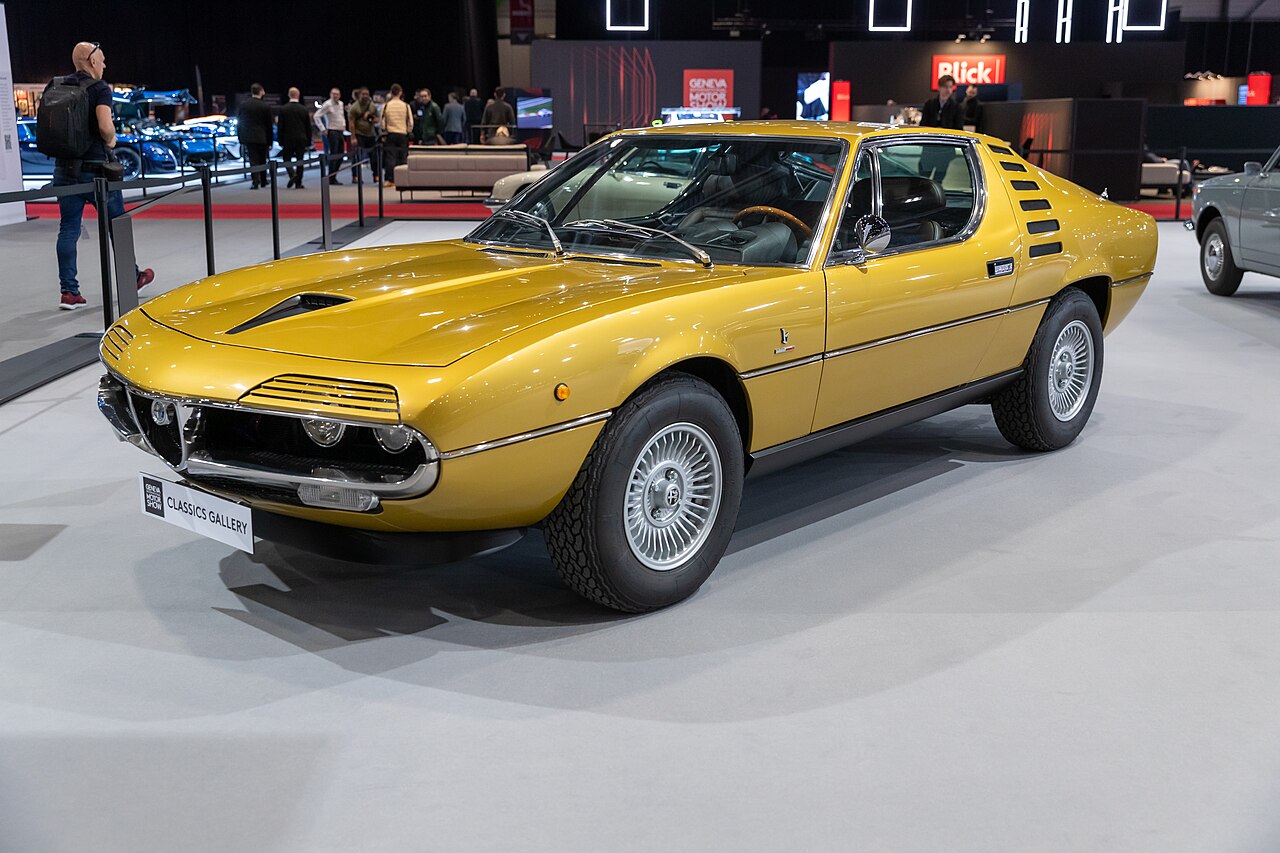
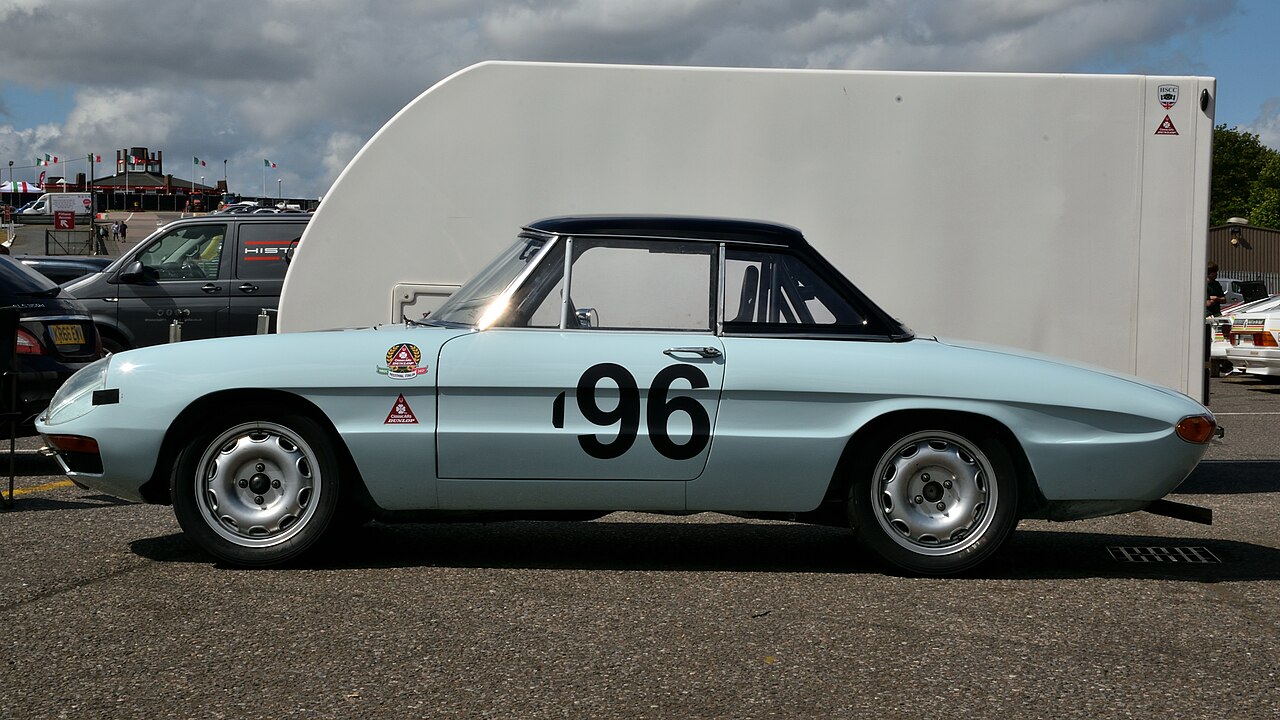
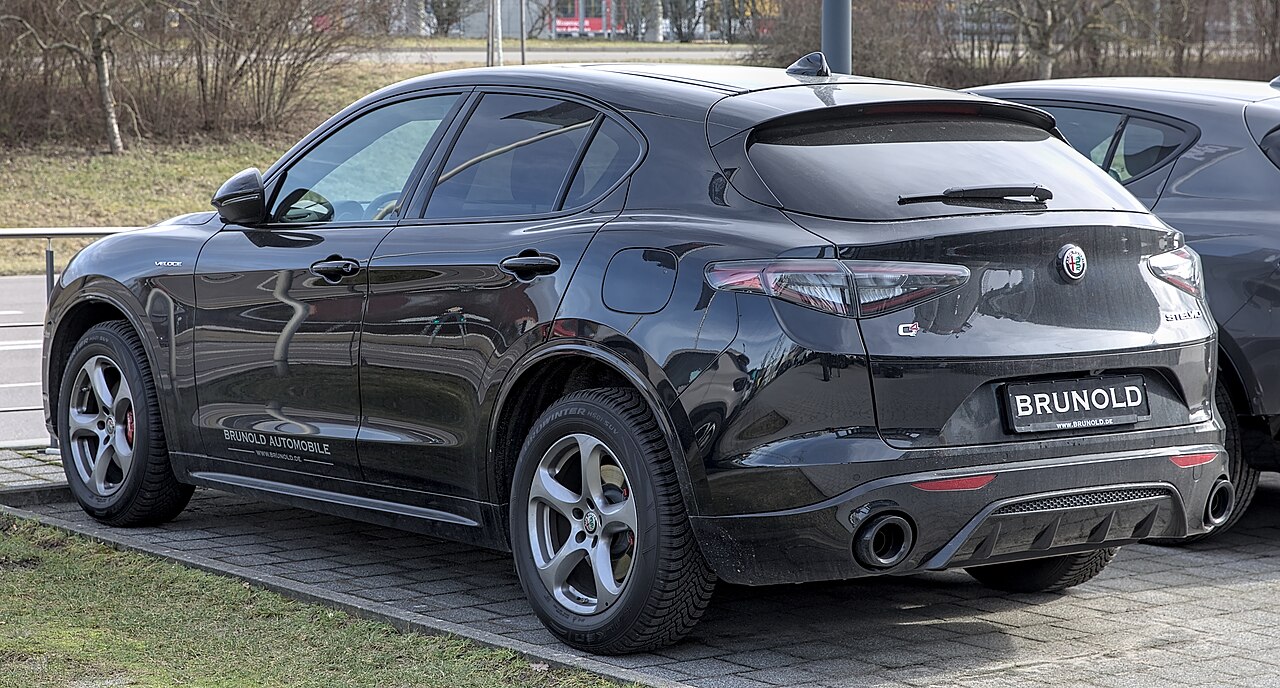
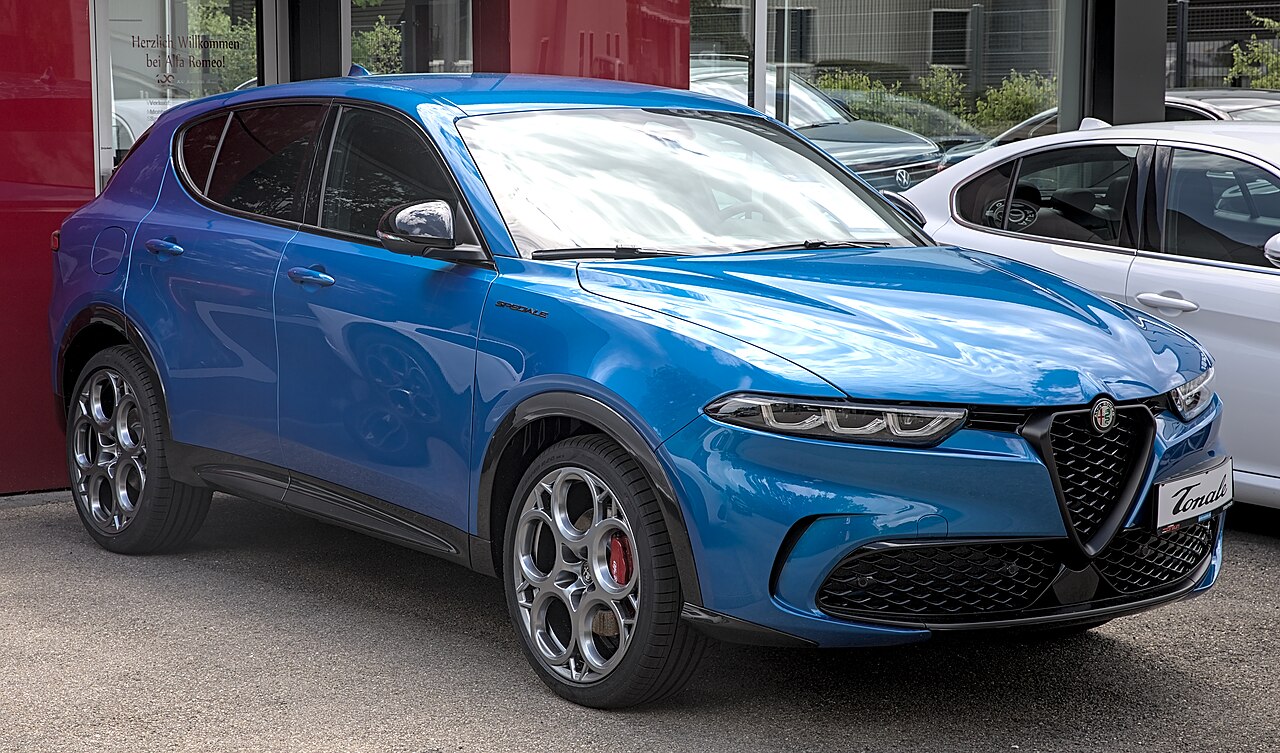
EuroAlfa Romeo is one of the oldest car makers in continuous operation, founded in 1910 as Anonima Lombarda Fabbrica Automobili. The brand identity is Italian sport luxury, with a motorsport heritage that includes the original Mille Miglia, the Targa Florio, and the early years of Formula One (Alfa Romeo won the first two Formula One World Championships in 1950 and 1951). The Quadrifoglio (four-leaf clover) badge has marked the brand sport variants since 1923. The Giulia Quadrifoglio (2017-present) is the modern halo. A 2.9 liter twin-turbo V6 (developed with input from Ferrari engineers) making 505 horsepower in a rear-drive sport sedan that won numerous comparison tests against the BMW M3 and Mercedes-AMG C63. The Stelvio Quadrifoglio applies the same drivetrain to a high-performance SUV. The 4C of 2013-2020 was a carbon-fiber-tubbed two-seat sports car with a 1.7 liter turbo four-cylinder and a focused chassis. Manual gearbox was not offered (a frequent enthusiast complaint), but the chassis dynamics earned strong praise. The 4C Spider (convertible) extended the formula. Production ended in 2020. Outside the performance models, the modern Alfa Romeo lineup includes the Giulia (sedan), Stelvio (mid-size SUV), and Tonale (compact SUV with hybrid powertrain). The brand is part of Stellantis and shares platforms with various group products under the corporate umbrella. The Alfa heritage runs much deeper than the modern lineup suggests. The Spider Duetto (1966-1994) is one of the great affordable Italian roadsters. The 33 Stradale of 1967 is one of the most beautiful cars ever produced, in any era. The GTV6 of the 1980s is a connoisseur pick. On WhipJury, Alfa submissions are heavy on Giulia Quadrifoglios, 4Cs, classic Spider Duettos, GTV6s, and the occasional vintage Giulietta or 33 Stradale tribute.
Alfa Romeo models we cover
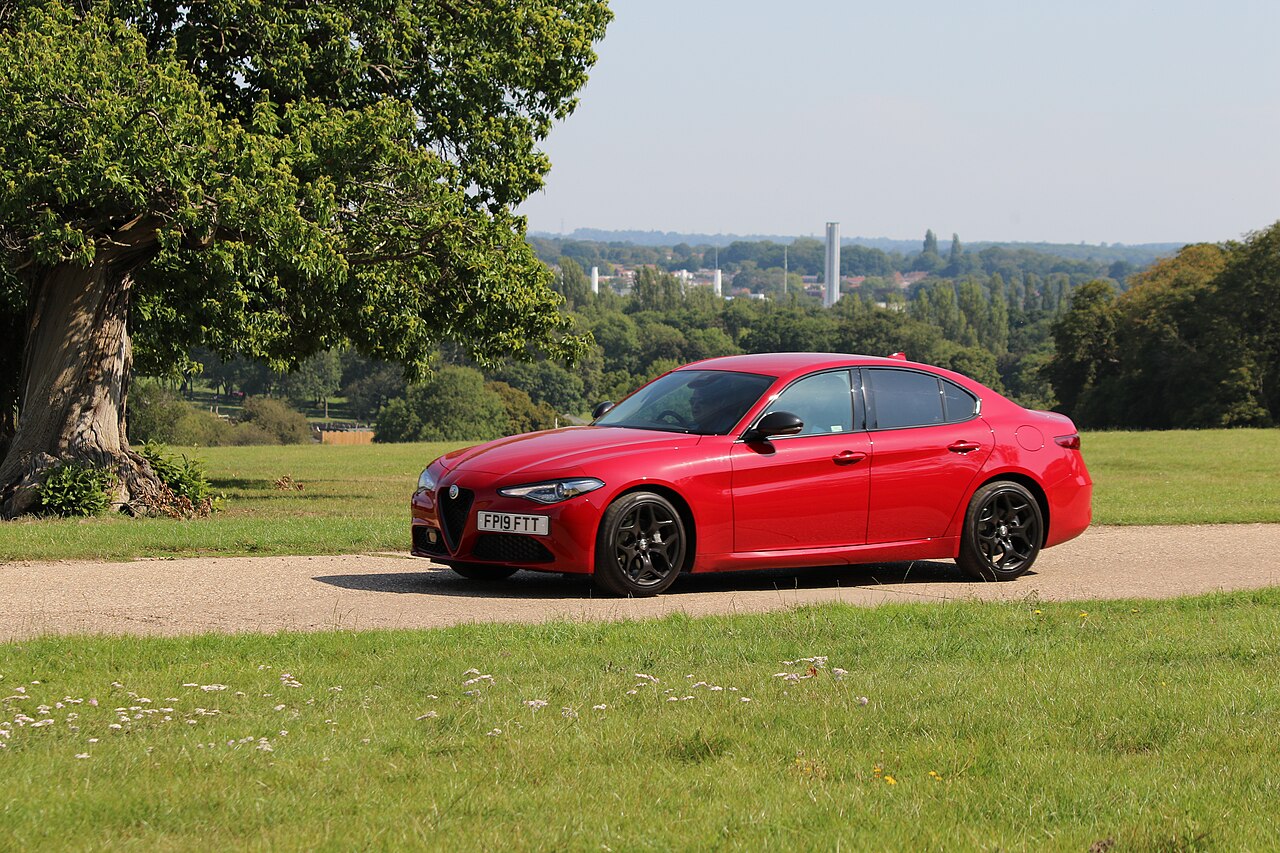
The Giulia Quadrifoglio
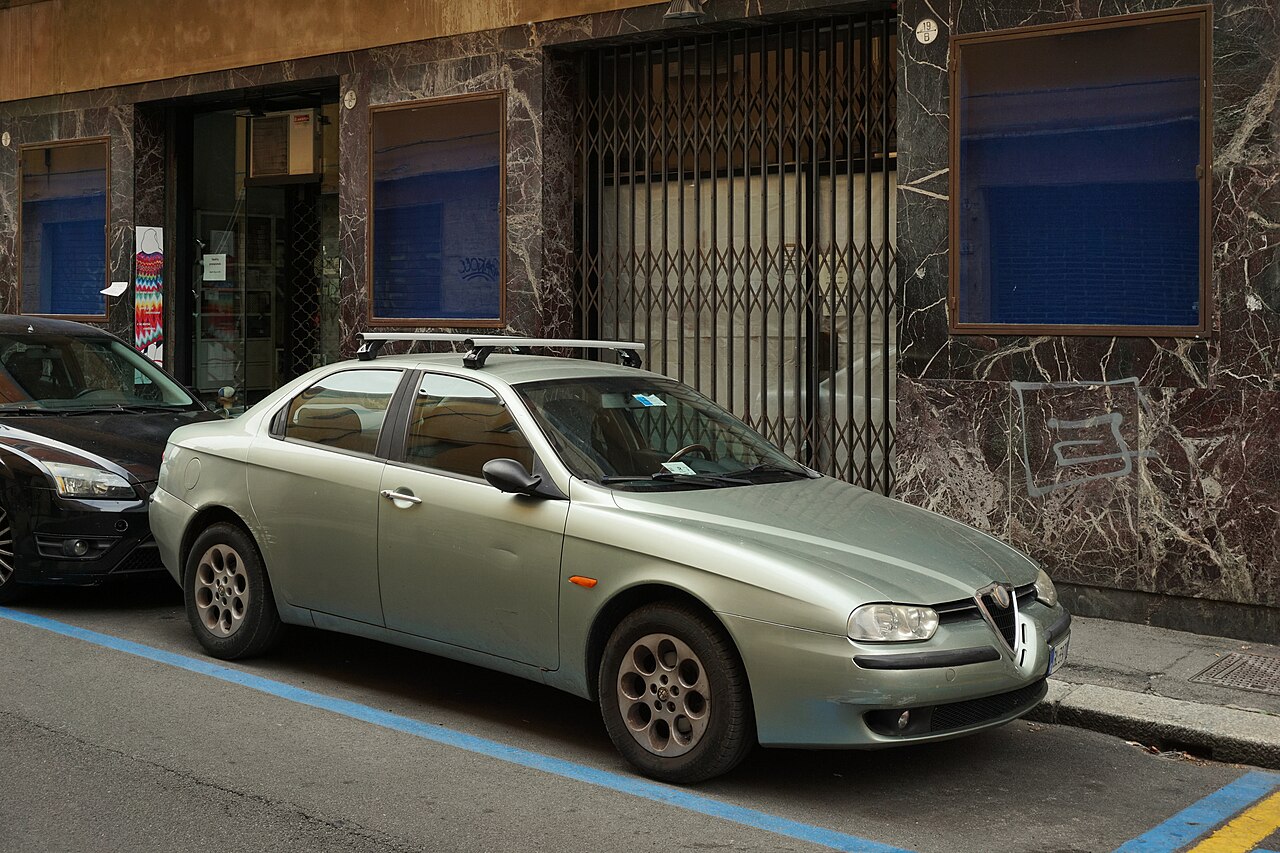
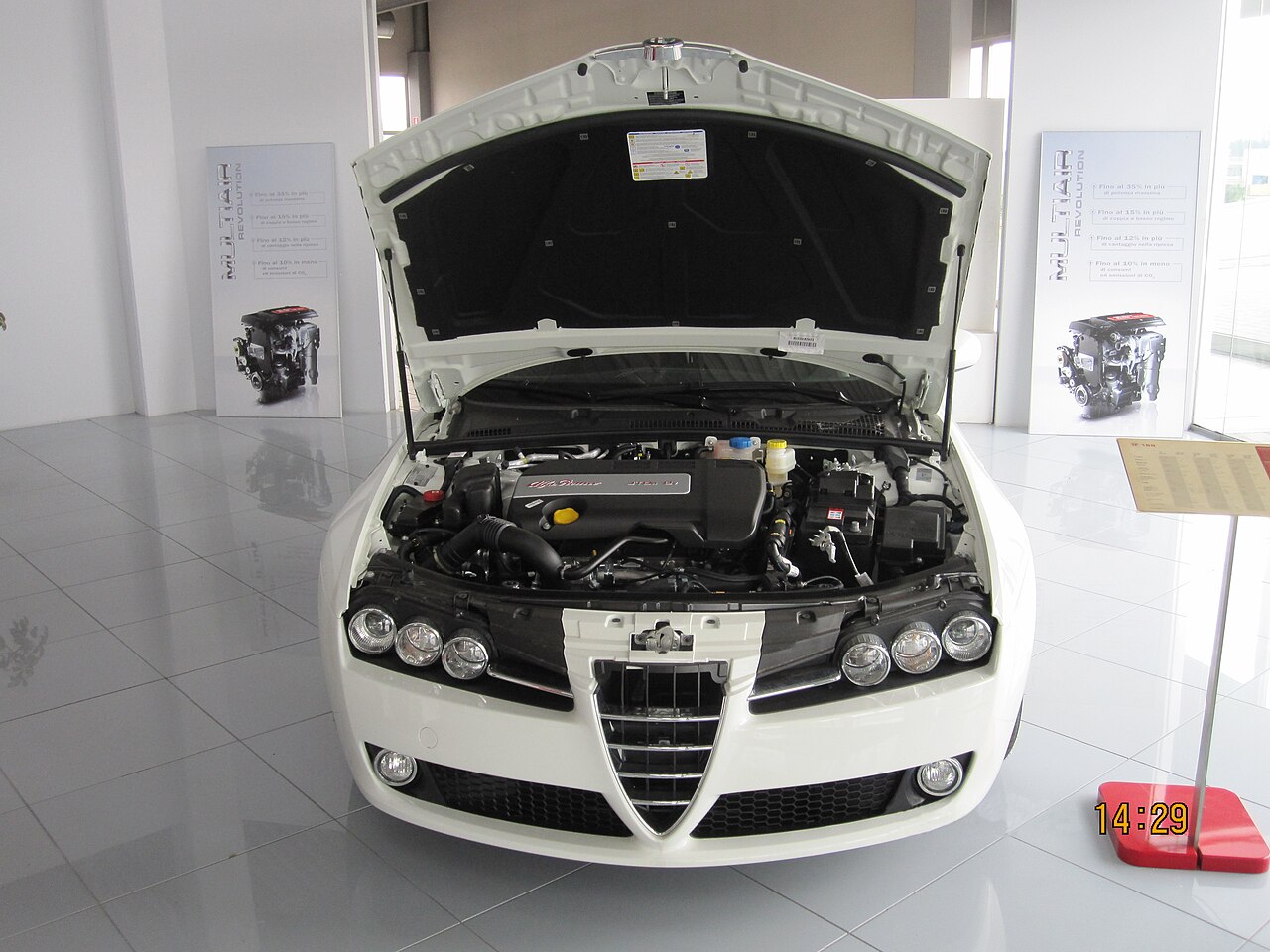
The Giulia QV launched in 2017 as a serious BMW M3 alternative. The 2.9 liter twin-turbo V6 was developed with Ferrari involvement (Alfa Romeo and Ferrari were briefly under the same Fiat Chrysler corporate umbrella). 505 horsepower, eight-speed automatic, rear-drive, electronically controlled differential. Reviews praised the chassis balance and steering feel. The car has won numerous Best Sport Sedan comparison tests in its production run.
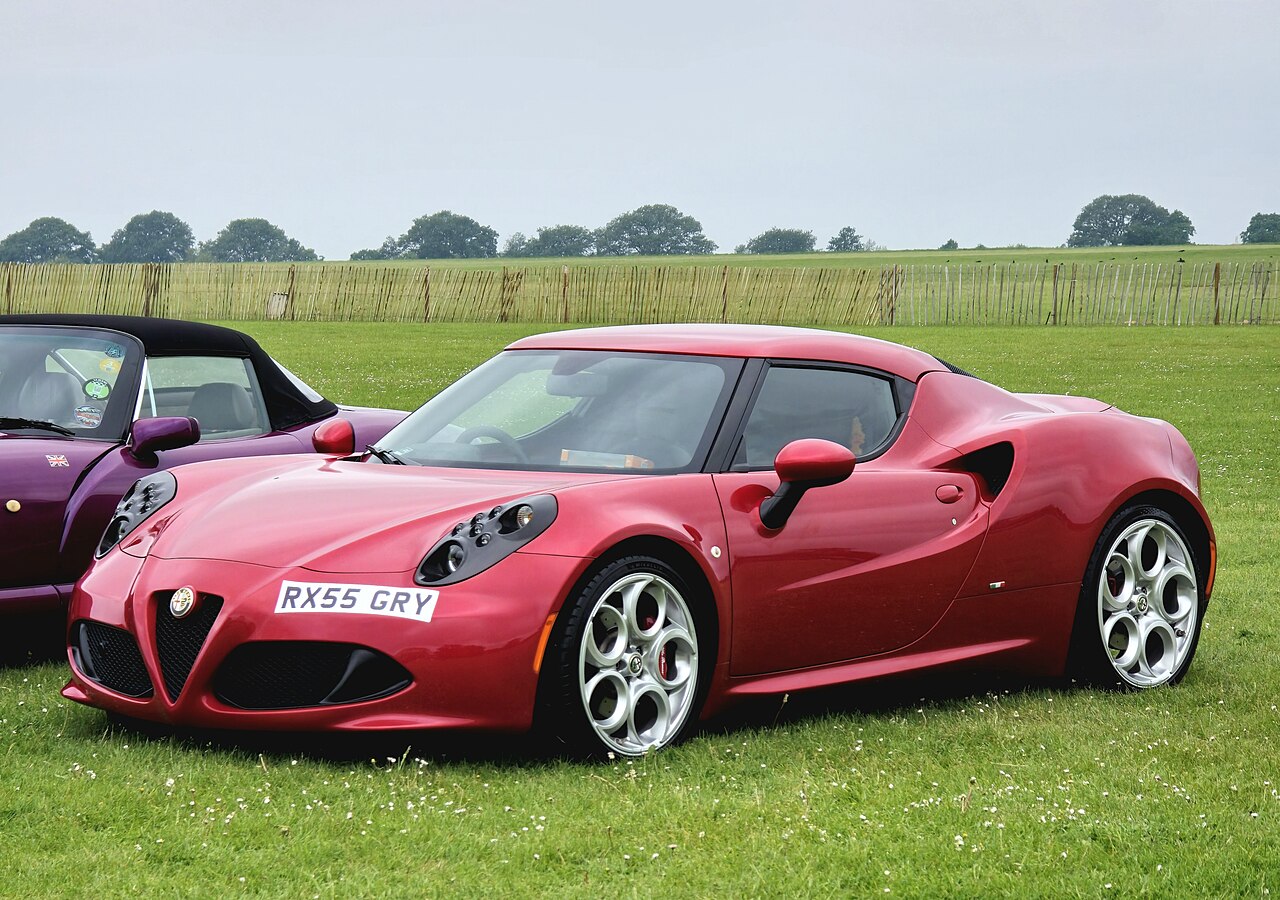
The 4C
The 4C used a carbon fiber monocoque chassis with composite body panels, a transverse mid-mounted 1.7 liter turbo four-cylinder making 237 horsepower, and a six-speed twin-clutch transmission. Curb weight was around 2,500 pounds. The chassis was praised; the car attracted criticism for its steering effort (no power assistance), road noise, and lack of manual transmission option. Production ended in 2020.
Alfa Romeo on WhipJury
Giulia Quadrifoglio submissions dominate the modern Alfa presence. 4C examples are rare but always do well. Classic Spider Duettos and GTV6s have a devoted following. The community appreciates Alfa role as the Italian alternative to German sport sedans.