MINI Classic Mini
MINI
Classic Mini: The Car That Changed Everything
The Classic Mini, produced from 1959 to 2000, is Alec Issigonis's revolutionary small car whose transverse-engine front-wheel-drive layout transformed automotive engineering and whose Monte Carlo Rally victories made it a motorsport legend.
Alec Issigonis designed the original Mini for the British Motor Corporation in response to the 1956 Suez Crisis fuel shortage, tasked with creating a true four-passenger car in the smallest possible footprint. His solution was radical: mount the four-cylinder engine transversely across the front of the car and drive the front wheels through a gearbox sitting beneath the engine in the sump, freeing up 80 percent of the floorpan for passengers and luggage. The result was a 3,054 mm car that could comfortably carry four adults, launched in 1959 under both the Austin Seven and Morris Mini-Minor names before being consolidated as simply the Mini.
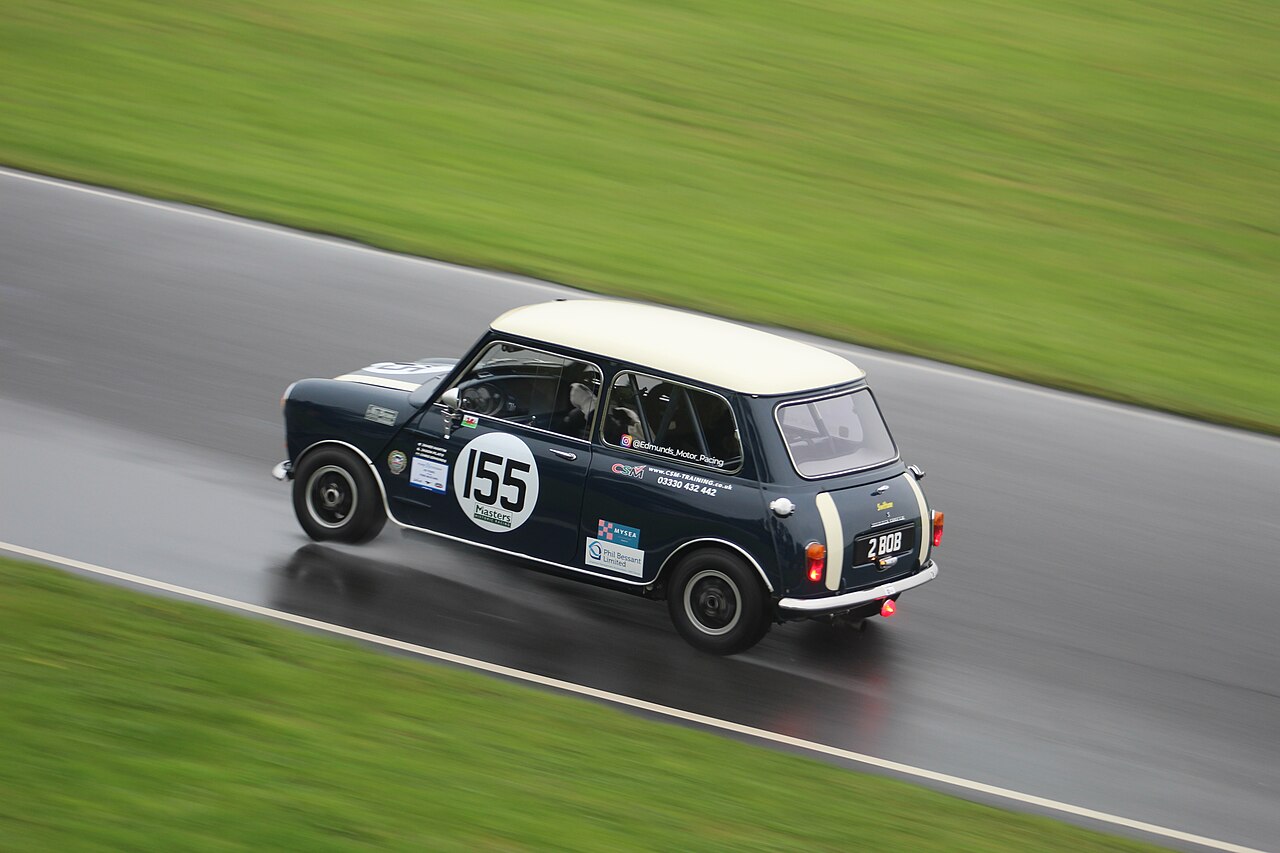
John Cooper recognised the car's racing potential and collaborated with BMC to create the Mini Cooper in 1961 and the higher-compression Mini Cooper S in 1963. The Cooper S won the Monte Carlo Rally outright in 1964, 1965, and 1967, with the 1966 win controversially disqualified on a lighting technicality despite the car finishing first on the road. These victories transformed the Mini from a cheap economy car into an aspirational performance icon embraced by everyone from factory workers to celebrities. The Mini became synonymous with Swinging Sixties London culture and appeared in films, fashion shoots, and on the streets of every city in Britain.
Production continued largely unchanged through ownership transitions from BMC to British Leyland to Rover Group and finally BMW, which acquired Rover in 1994. Remarkably, the car sold continuously until October 2000 in substantially the same configuration Issigonis had designed over 40 years earlier, with a total of approximately 5.3 million units produced. Its front-wheel-drive transverse layout, initially derided by rivals, became the template for virtually every small car made since the 1970s, making the Mini one of the most consequential automotive designs in history.