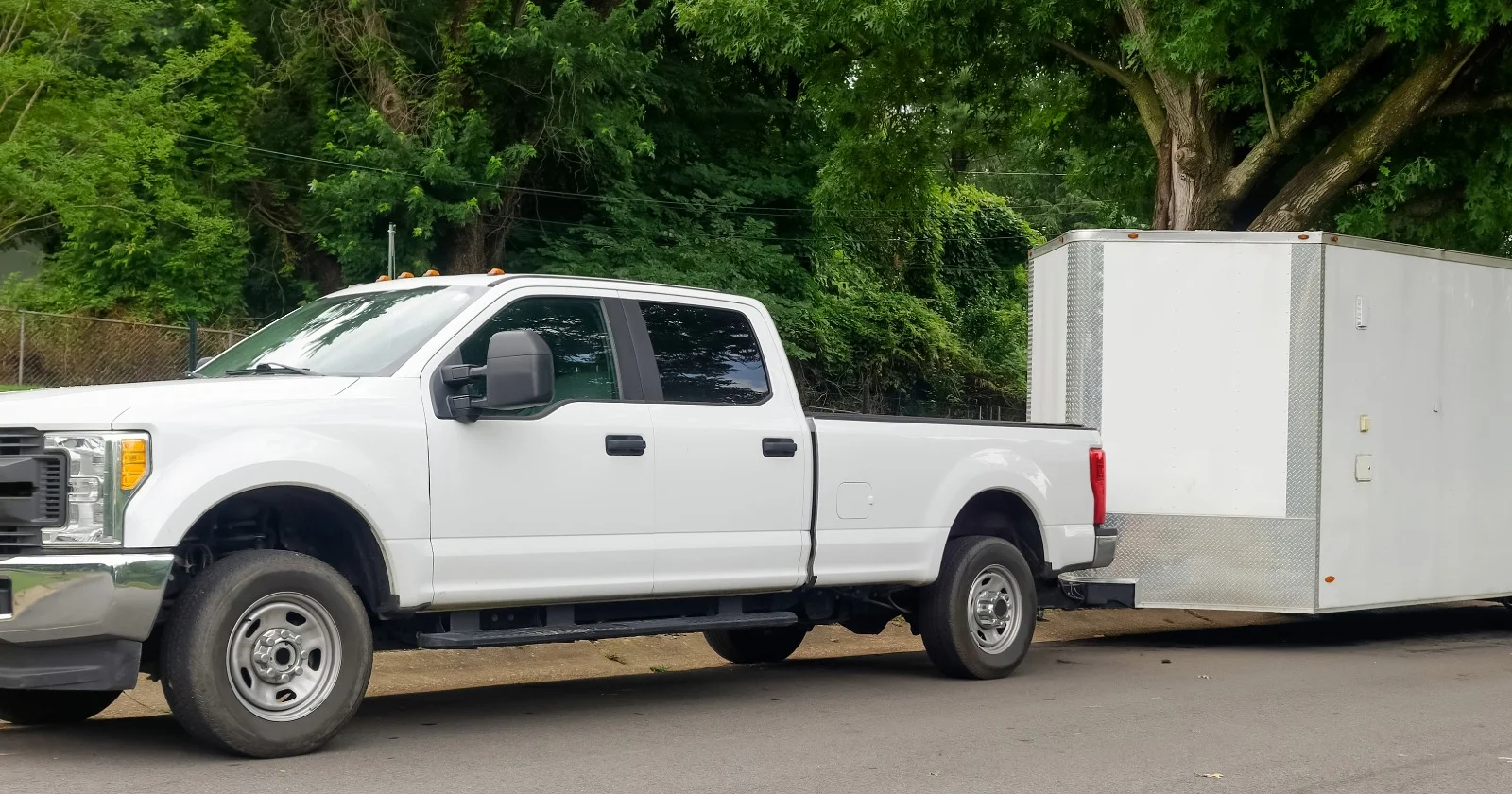
Stand next to a new full-size pickup and the hood is somewhere around your chest. Park it beside a truck from the 1990s and the older one looks like a toy. This didn't happen by accident, and it isn't only about buyers wanting something bigger.
Pickup hood heights have climbed about 11 percent since 2000. Here's what drove that, and what it costs.
The Rules Rewarded Size
Start with the regulations, because they matter more than most people realize. American fuel economy rules are tied to a vehicle's footprint, meaning the area between its wheels. A larger footprint earns a softer efficiency target.
Read that again, because the incentive is backwards from what you'd expect. If making a truck physically bigger lowers the bar it has to clear, then growing the truck is the cheaper path to compliance. Engineers respond to the rules they're given, and the rules said bigger.
The other half is who buys them. A pickup used to be equipment, bought to haul things, with a bench seat and a rubber floor. Now the volume seller is a four-door family vehicle with leather, screens and a price tag to match, and it happens to have a bed on the back.
Once a truck becomes the family car, it needs a real back seat, which means a bigger cab. Buyers also want the commanding view and the presence, and presence in a truck means visual mass. Automakers noticed that trucks carry some of the fattest profit margins in the business, so there was never much reason to argue.
Then styling took over. A tall hood and a huge grille read as tough, so each redesign pushed a little further, and rivals matched it because looking smaller than the competition reads as looking weaker. The grille grew into the dominant feature on the front of the vehicle.
This is design chasing an emotion rather than a function. Very little of that height serves the engine underneath it. It's there because it looks strong parked outside a job site, and because the truck next to it did the same thing last year.
What It Costs
Here's the part that deserves plain language. Pickups, SUVs and vans with a hood higher than 40 inches are roughly 45 percent more likely to kill a pedestrian in a crash than a vehicle with a hood 30 inches or lower and a sloping front. Front blind spots on some trucks run 11 feet longer than on some sedans. Pedestrian deaths in the United States rose 57 percent between 2013 and 2022, from 4,779 to 7,522.
Those numbers are why the National Highway Traffic Safety Administration (NHTSA) has proposed rules aimed at reducing head injuries in pedestrian crashes. The trend that made trucks look imposing also made them more dangerous to anyone outside them, and that tradeoff is now a regulatory question rather than a styling debate.
Where the Design Argument Lands
Plenty of people genuinely love how modern trucks look, and a well-proportioned one can be striking. My own view is that the current generation crossed a line from purposeful into cartoonish, and that the best-looking trucks were the ones whose size still had a reason behind it.
Put an F-150, a Ram 1500 or a Silverado against an older truck on WhipJury and the votes get interesting fast. The crowd doesn't always reward the bigger one.
Sources:
Hood height increase, the 40-inch threshold, and blind spot findings: InvestigateTV
Pedestrian death figures and the proposed NHTSA rule: Kelley Blue Book
Frequently Asked Questions

Jeffrey Wiley has spent more time than he'd like to admit thinking about what makes a car look right. He writes about automotive design, car culture, and the opinions people have strong feelings about. He lives in north Georgia.