DuelsLeaderboardGarageBlogCarsGlossaryBrowse

Audi Cars

Euro · 30 models

Audi

Quattro all-wheel drive changed rally racing forever. The R8 reset what a daily-drivable supercar could be. RS models target M and AMG.

Euro

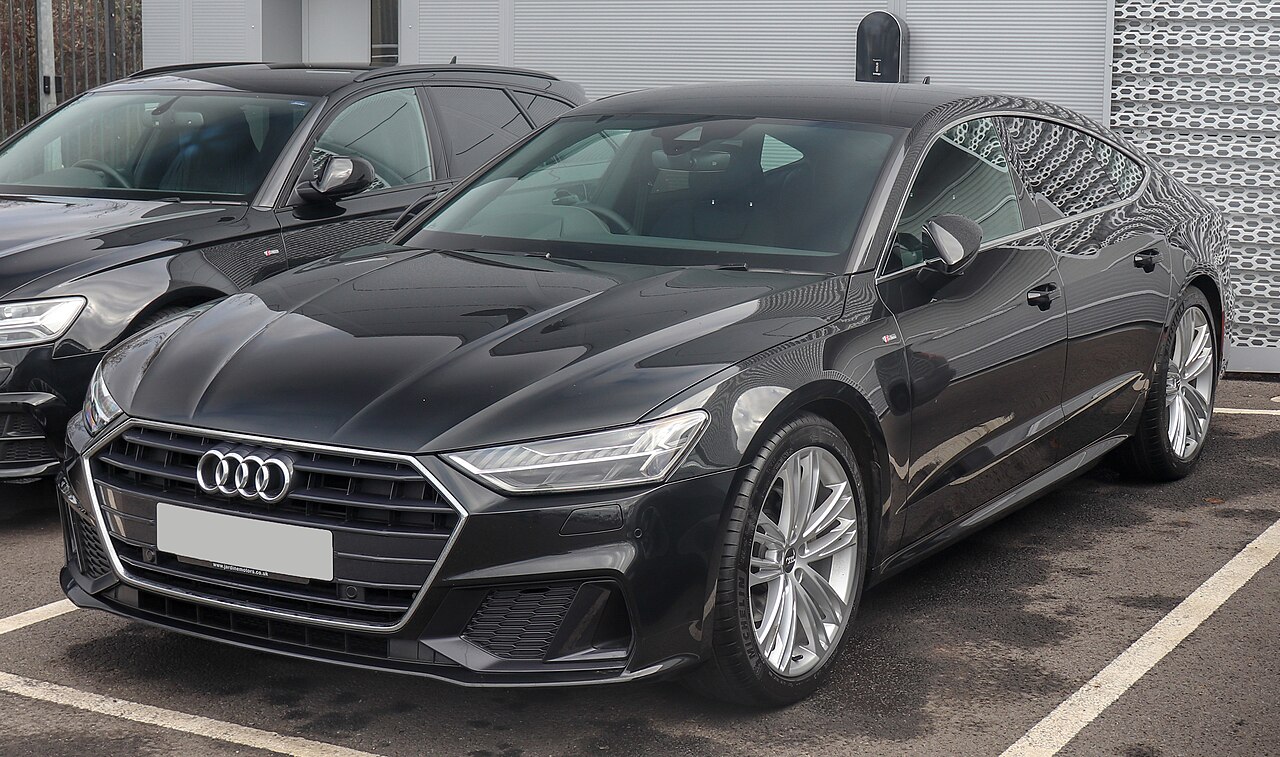
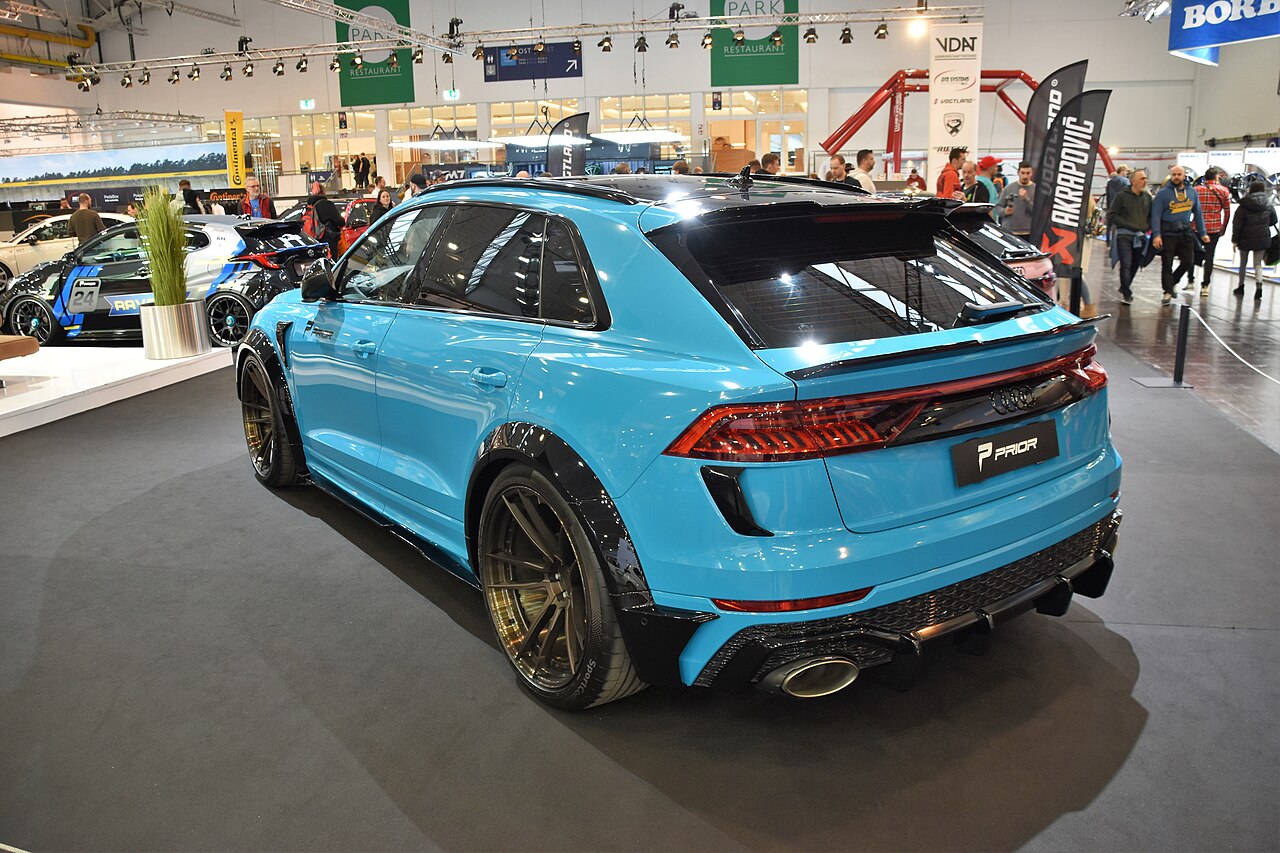
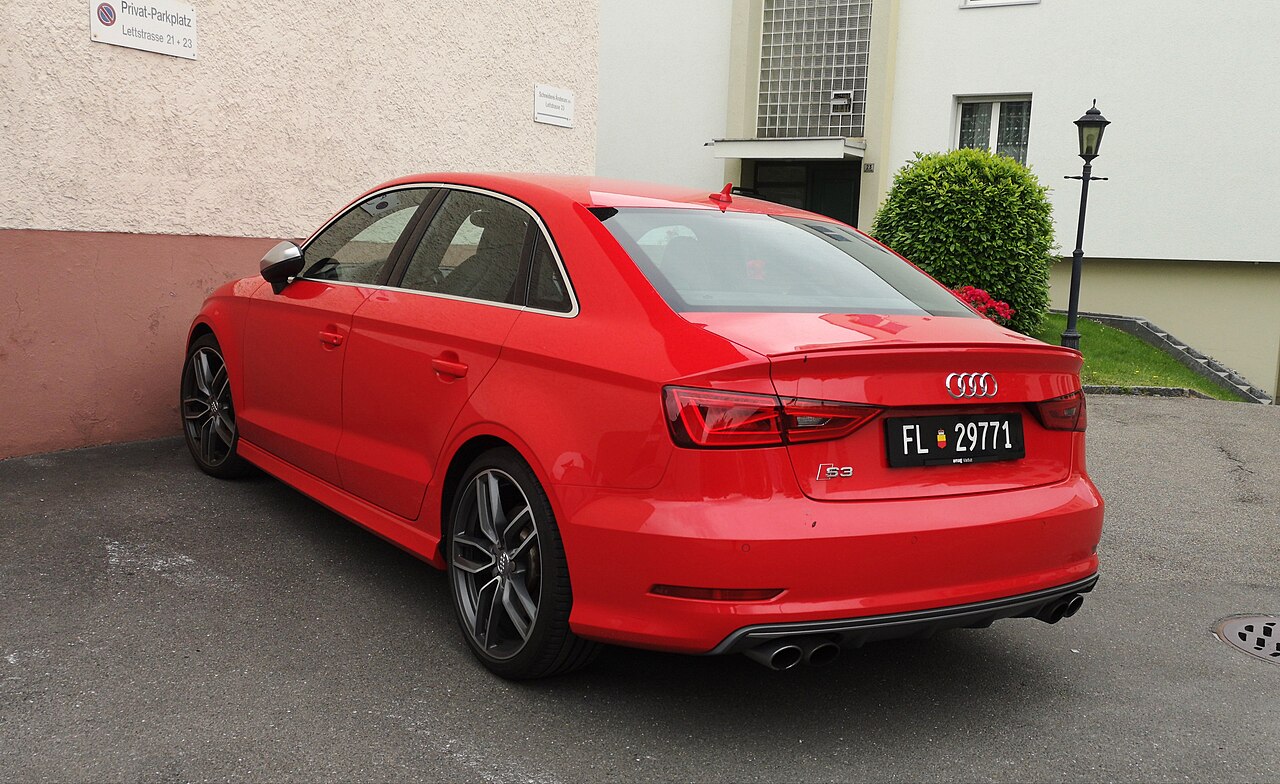
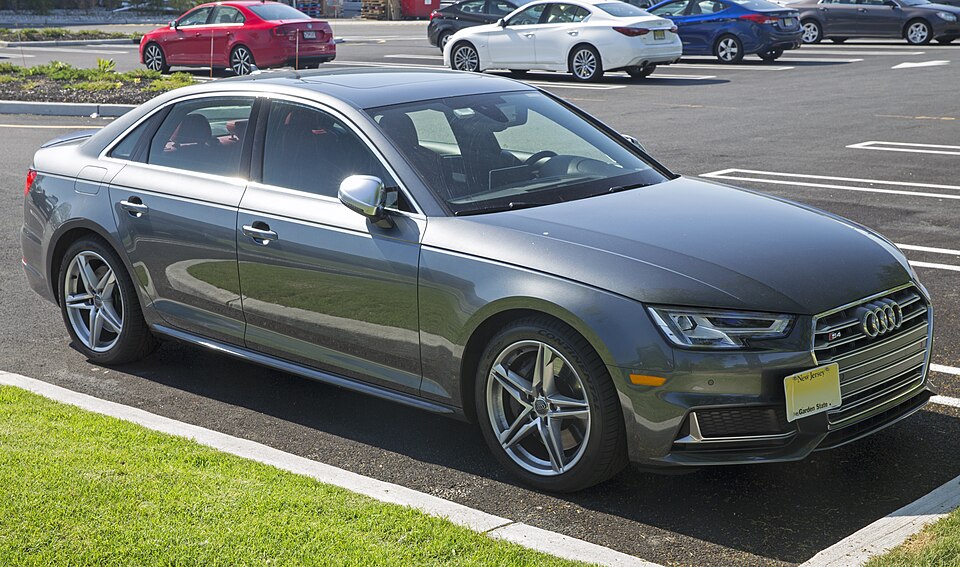
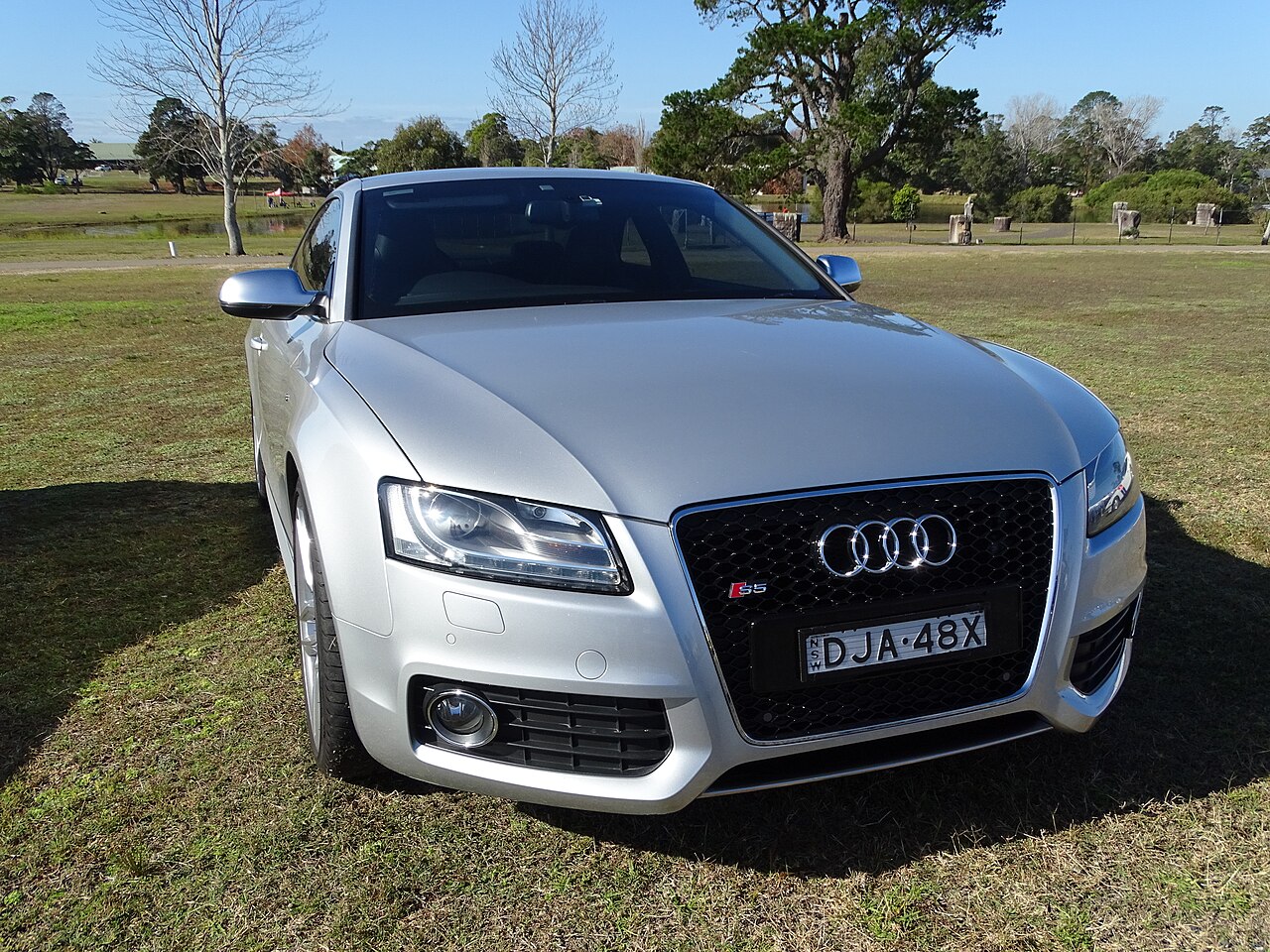
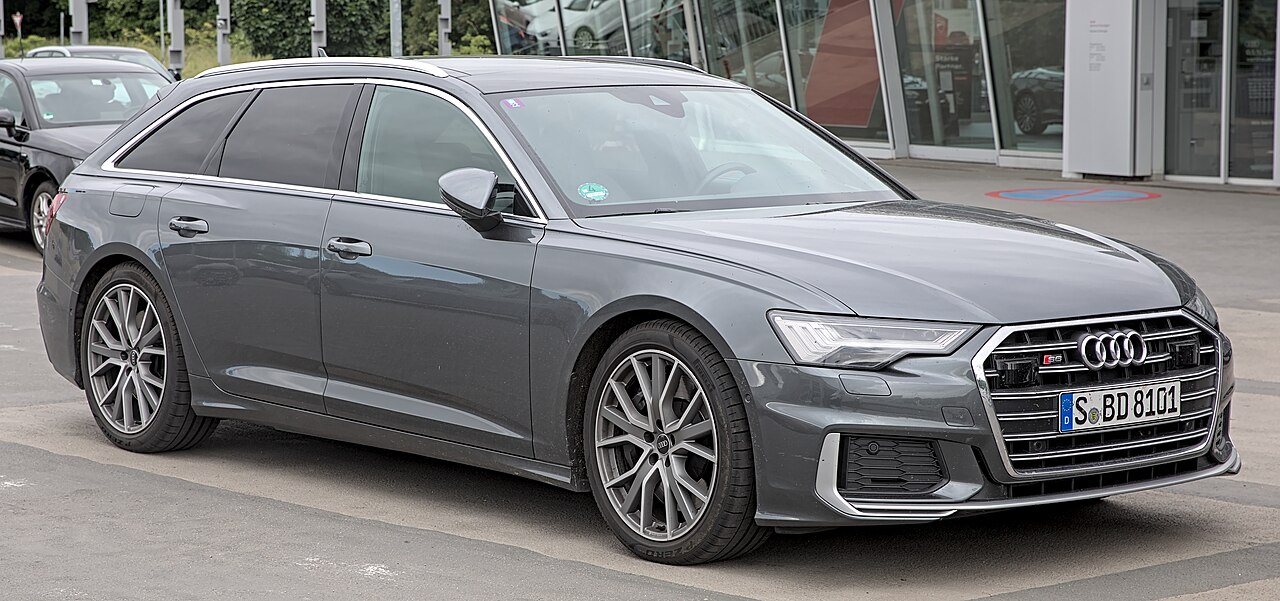
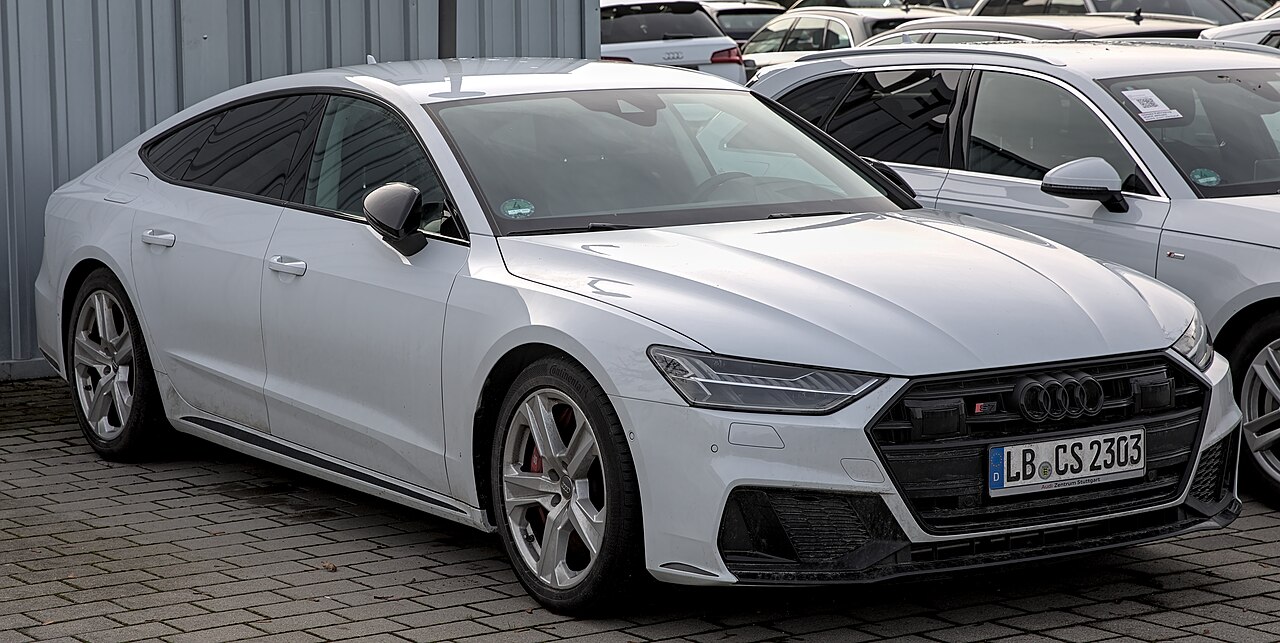
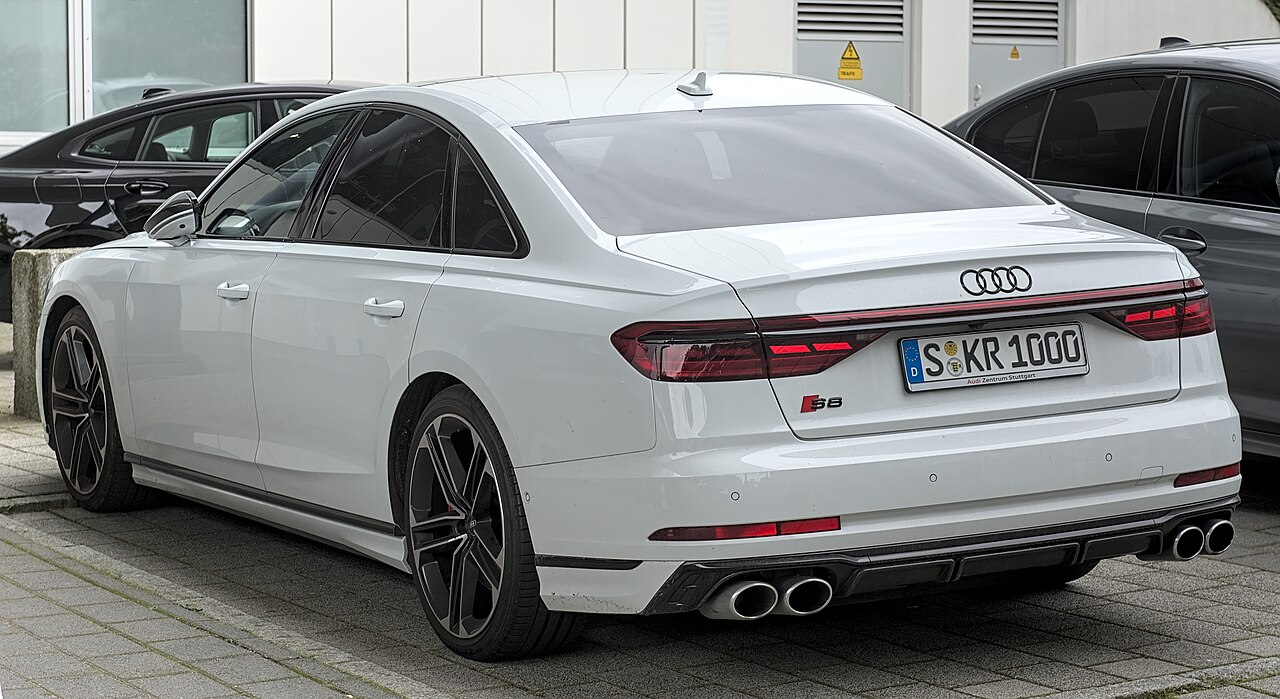
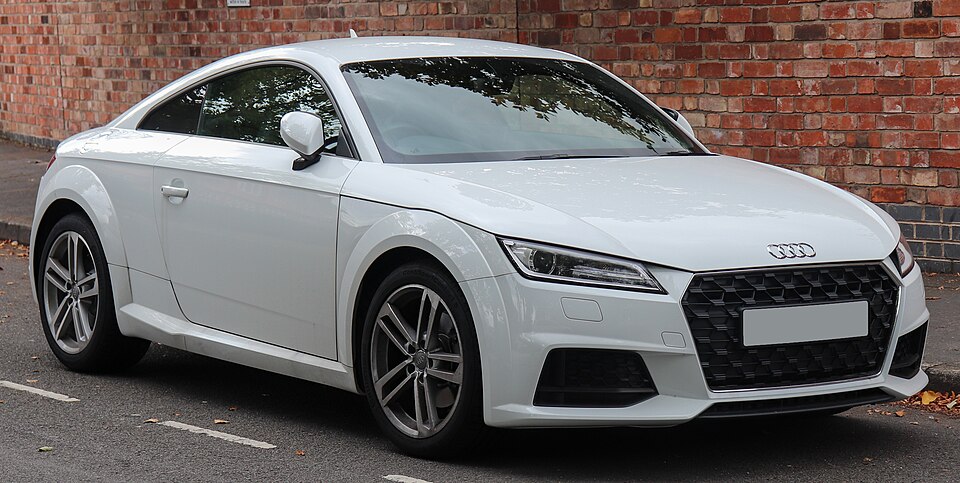
Audi is the third member of the German premium triumvirate (with BMW and Mercedes-Benz) and built its modern identity around two pillars: Quattro all-wheel drive and aggressive flat-faced design. The original Quattro of 1980 introduced full-time AWD to high-performance road and rally cars, dominated rallying through the early 1980s, and forced every other manufacturer to follow. The R8 is the modern halo. Launched in 2006 with a Lamborghini Gallardo-derived chassis and Audi 4.2 V8 (later a 5.2 V10 from the same family), the R8 became the supercar that lived with daily driving in a way Lamborghinis and Ferraris could not. Two generations of R8 ran from 2006 to 2024, ending production with the V10 RWD as a final celebration of naturally aspirated big-displacement supercar engines. The RS line is the Audi performance sub-brand competing with BMW M and Mercedes-AMG. The RS6 wagon (especially the C5, C7, and C8 generations) has a cult following as a 600+ horsepower station wagon with quattro all-wheel drive. The RS3 with its inline five-cylinder turbo is a unique character car. The RS Q8 SUV continues the formula in the high-performance crossover segment. The S line sits below RS as the sport trim, and the regular A1 through A8 sedans/coupes/wagons cover the broader luxury car market. The TT (1998-2023) was the brand affordable sports car for 25 years. On WhipJury, Audi submissions are heavy on RS models (especially RS3, RS6, RS7, R8), classic 4000 quattro and 5000 turbo cars, and modern S4 and S5 builds with bolt-on modifications. The community appreciates that Audi has stayed in the wagon market longer than most.

Audi models we cover
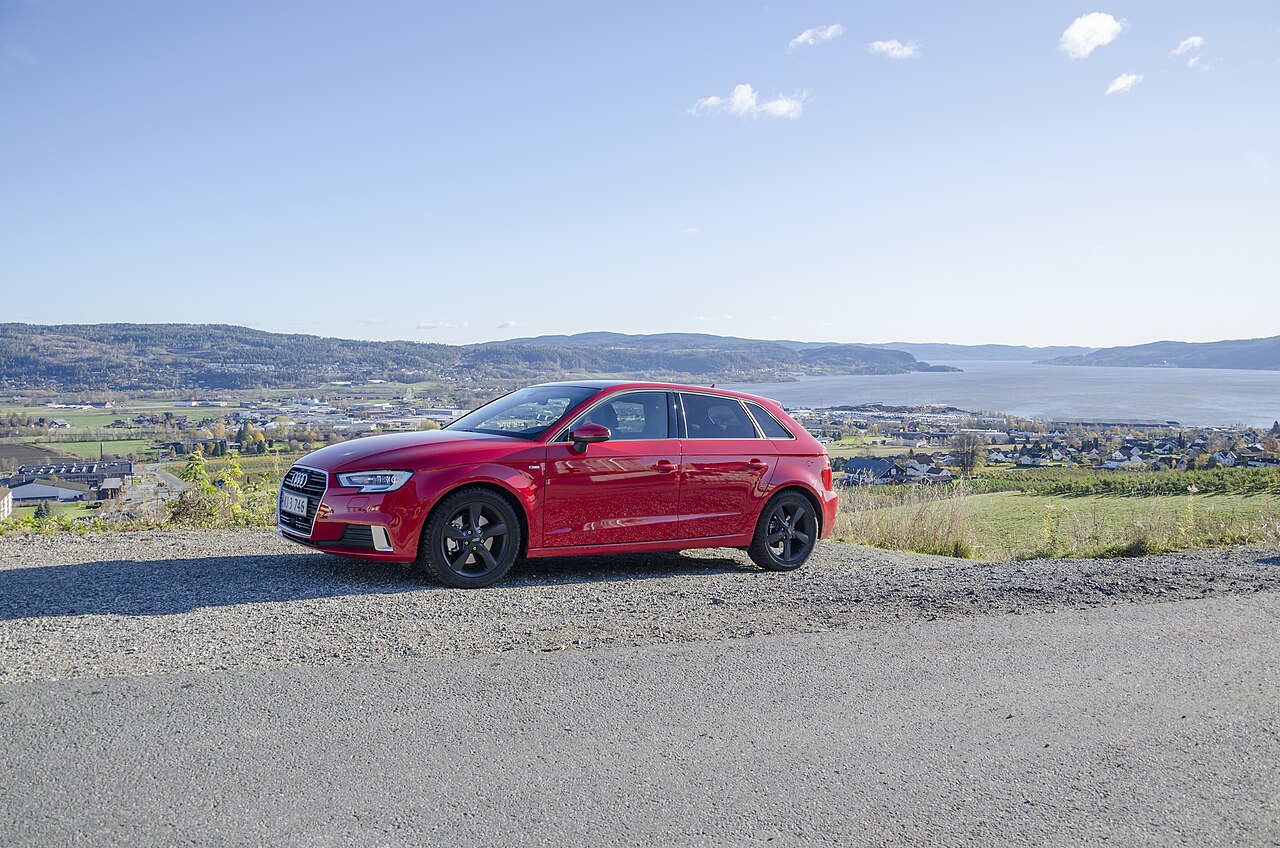
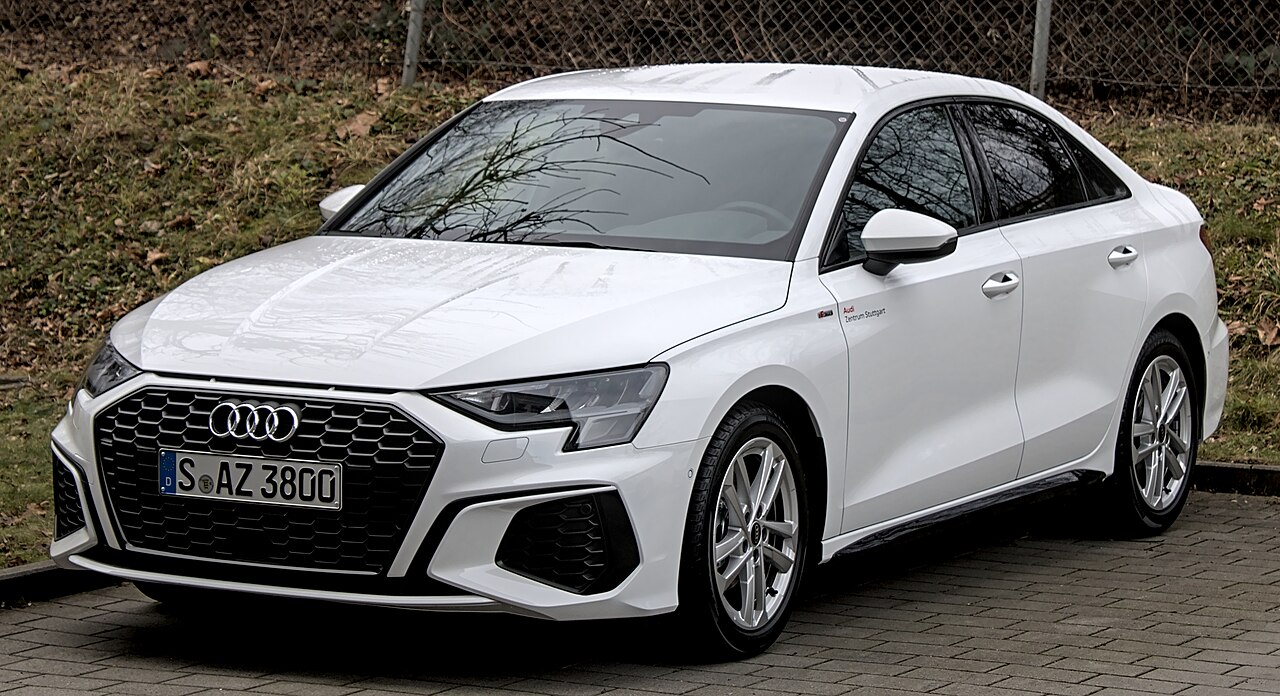
A3
A3
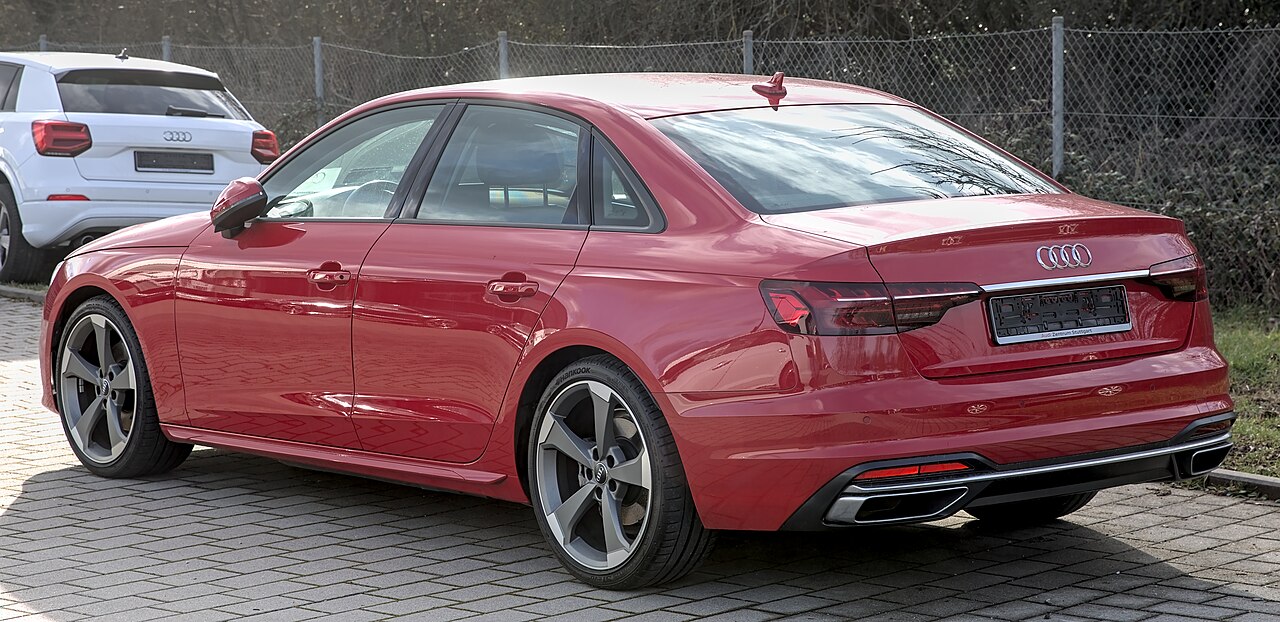
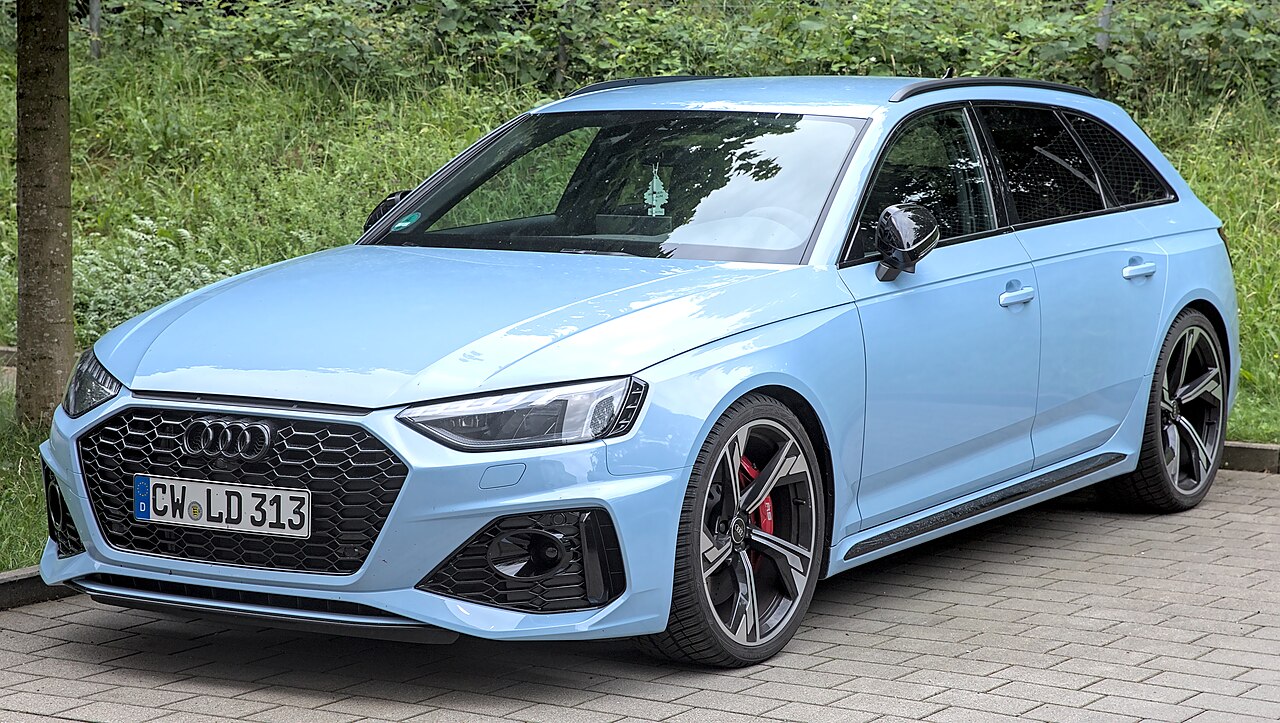
A4
A4
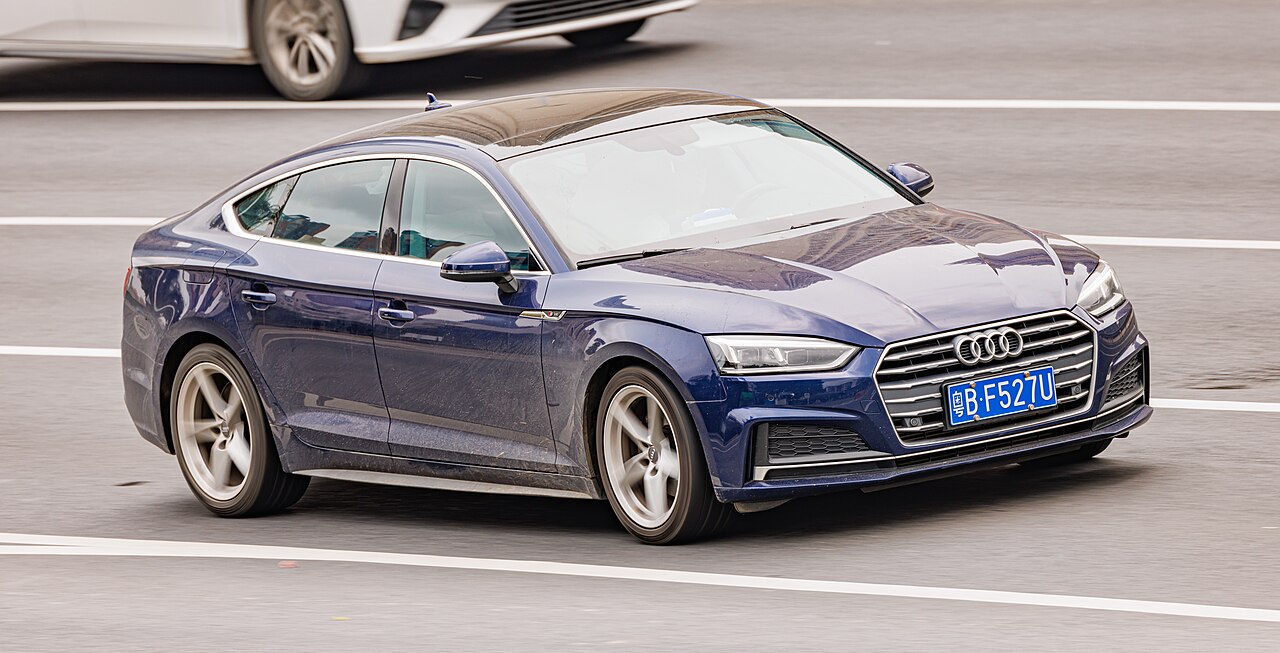
A5
A5
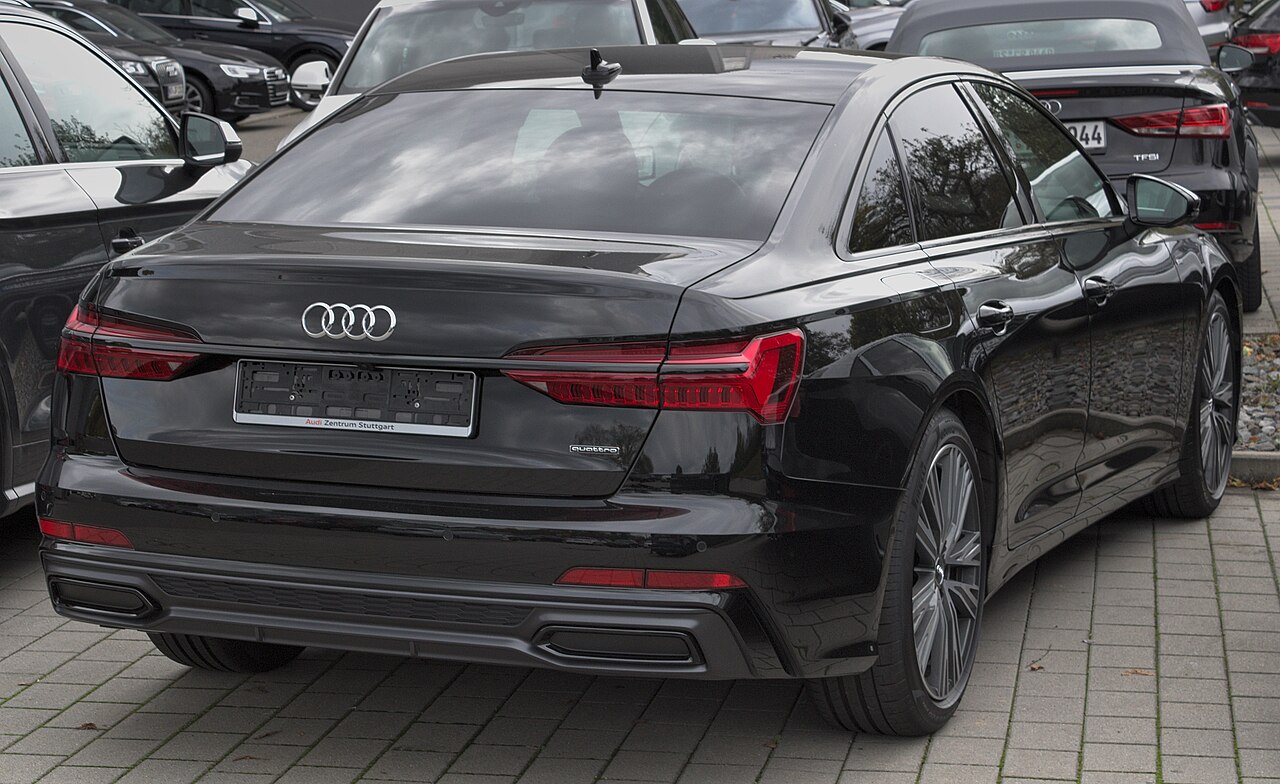
A6
A6
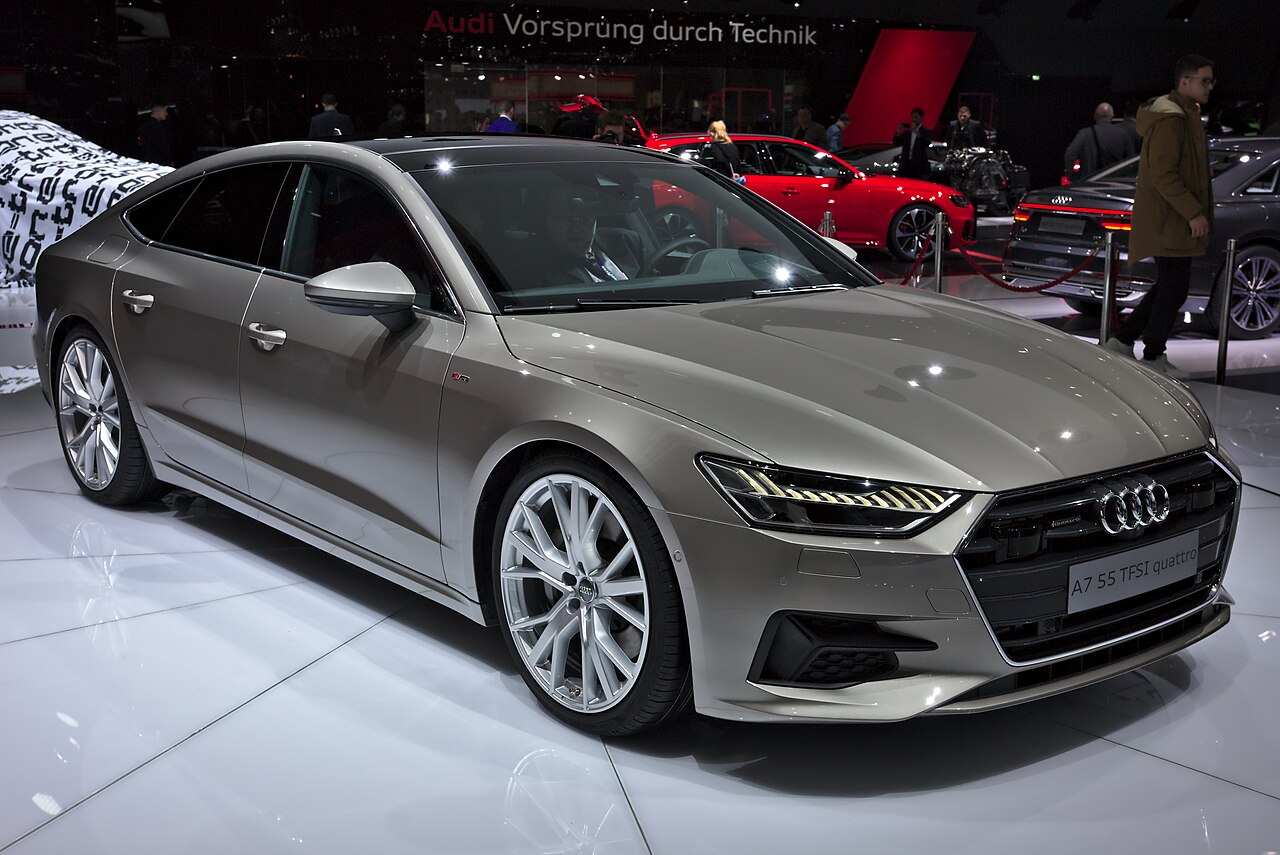
A7
A7
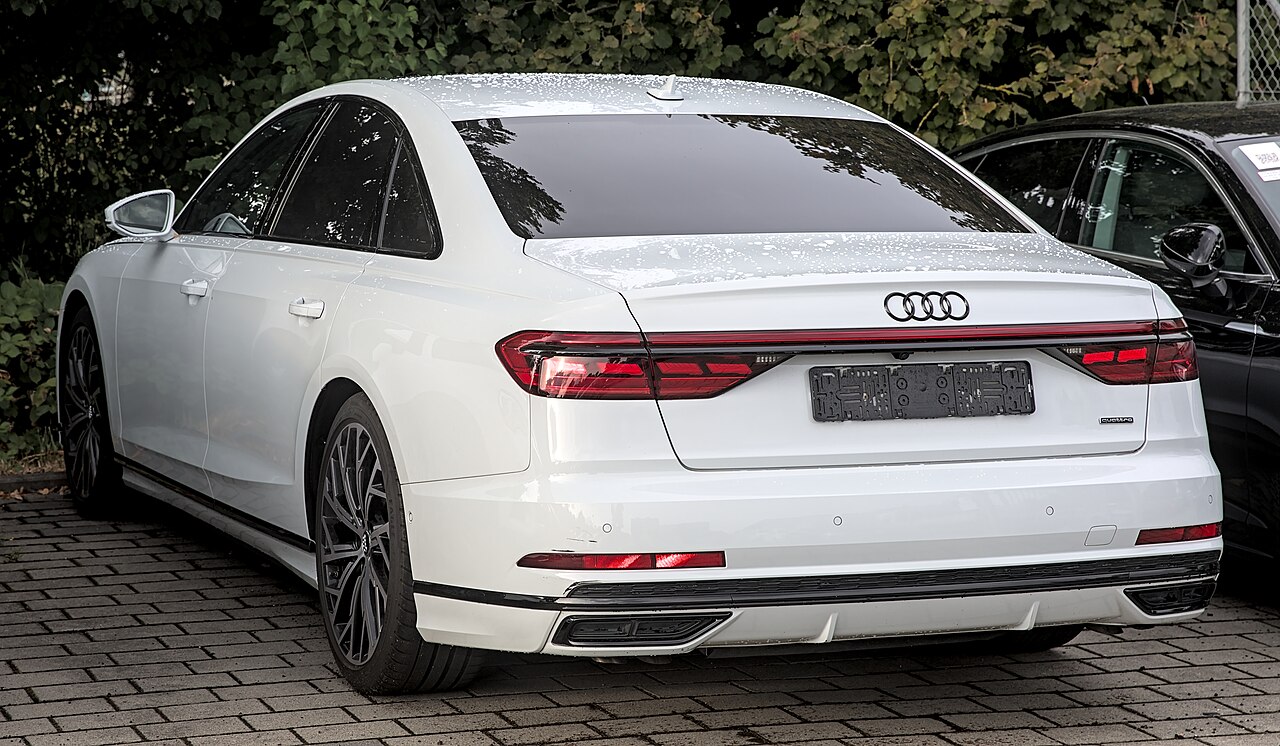
A8
A8
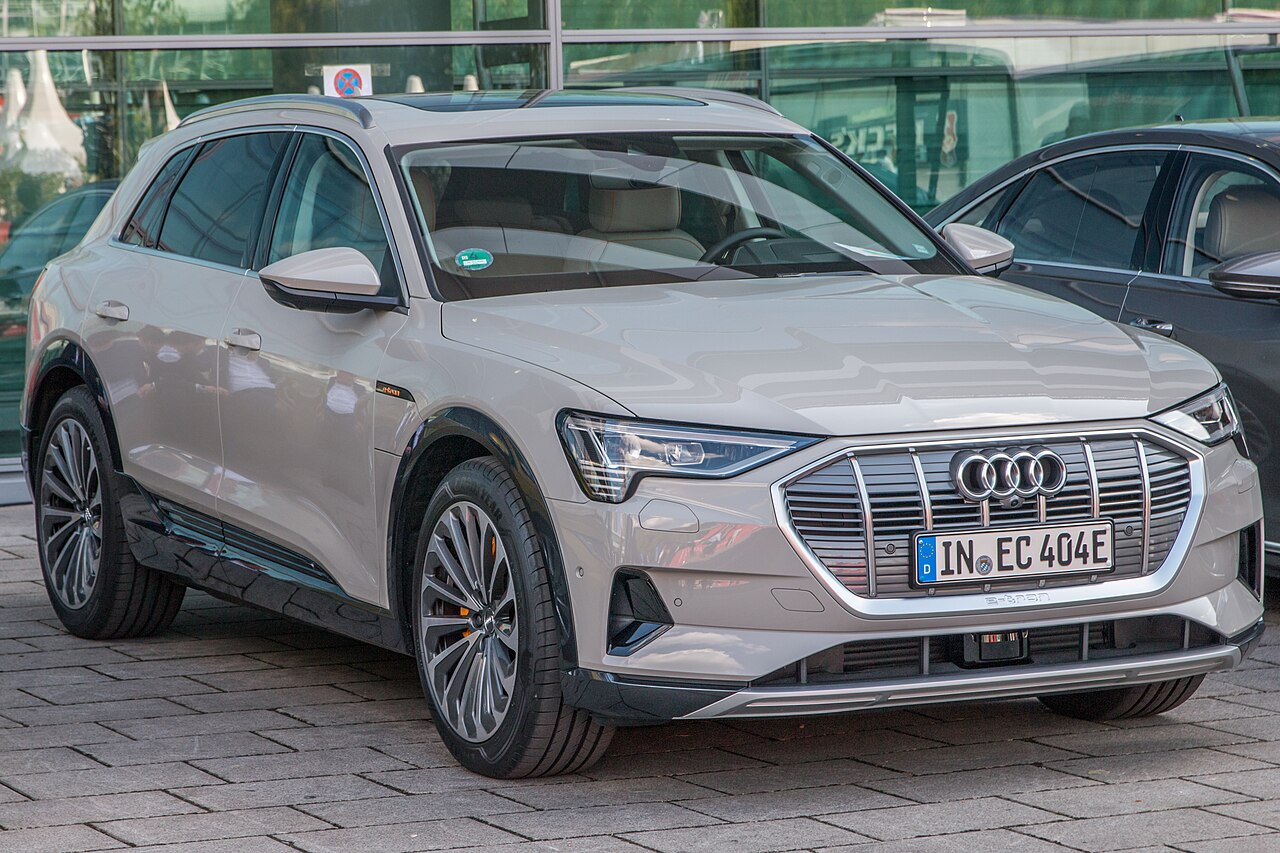
e-tron
e-tron
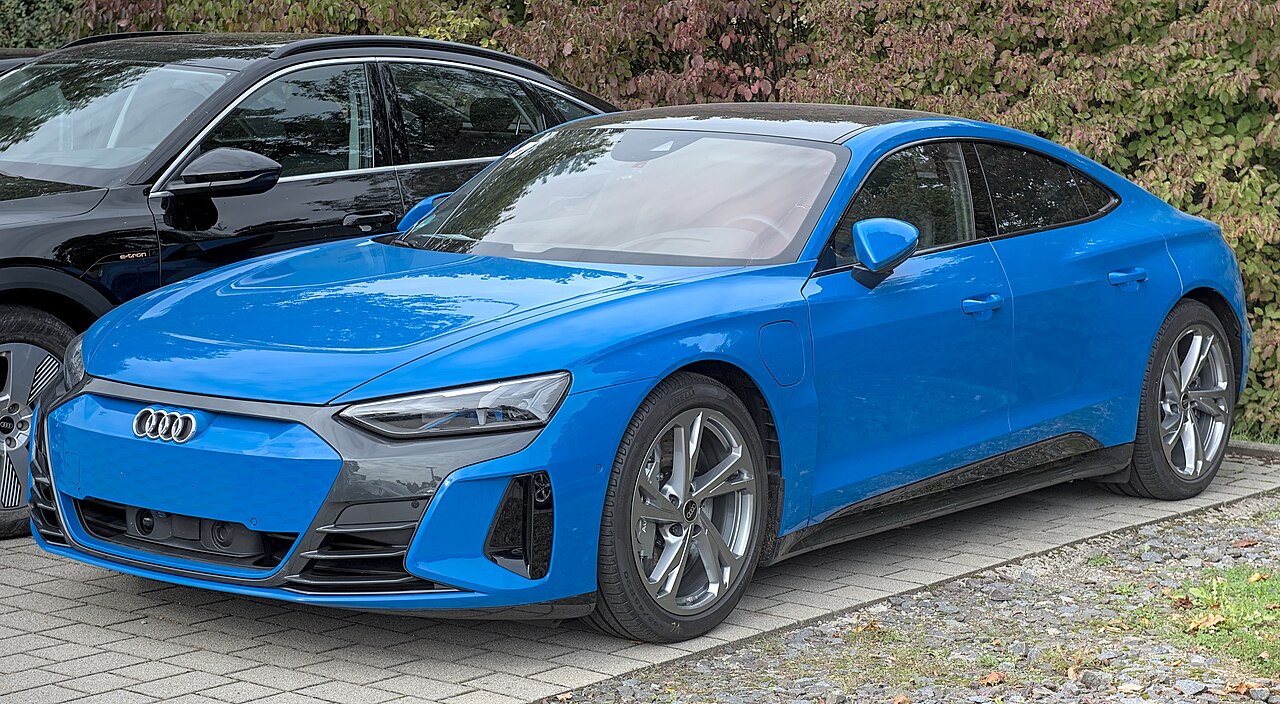
e-tron GT
e-tron GT
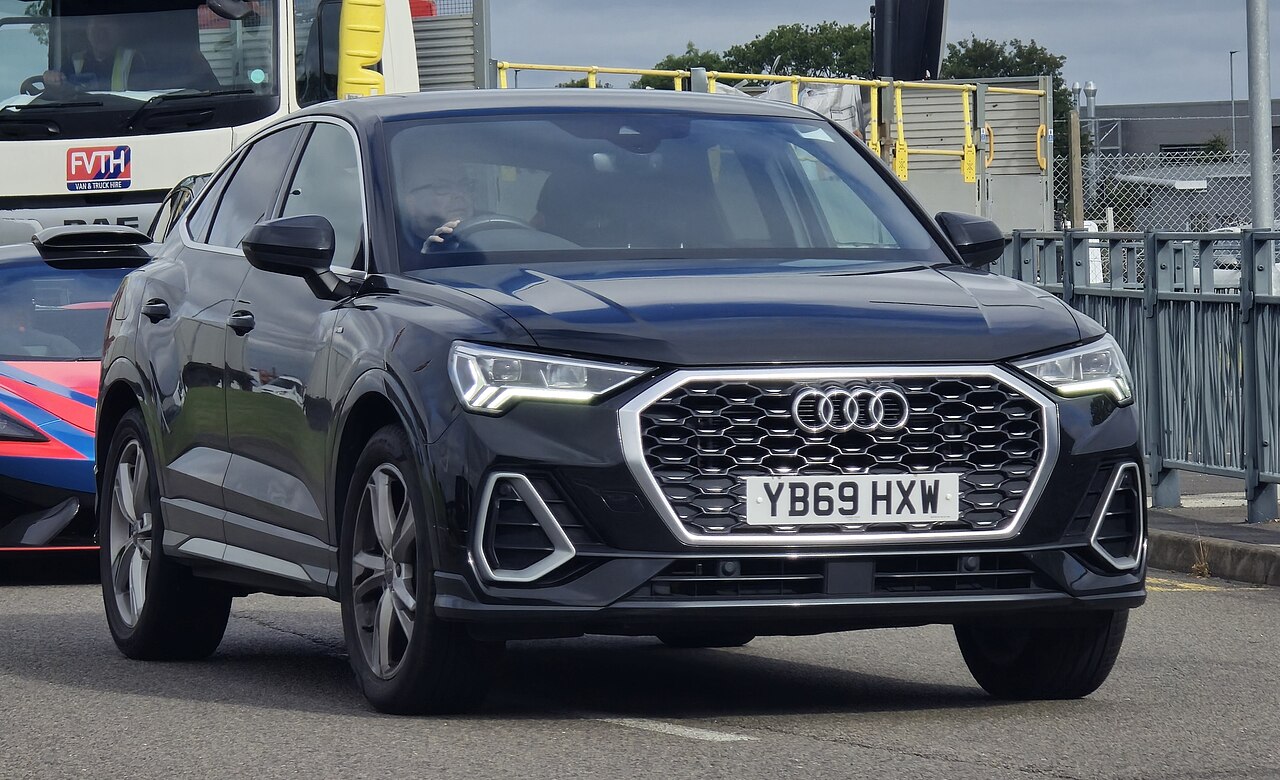
Q3
Q3
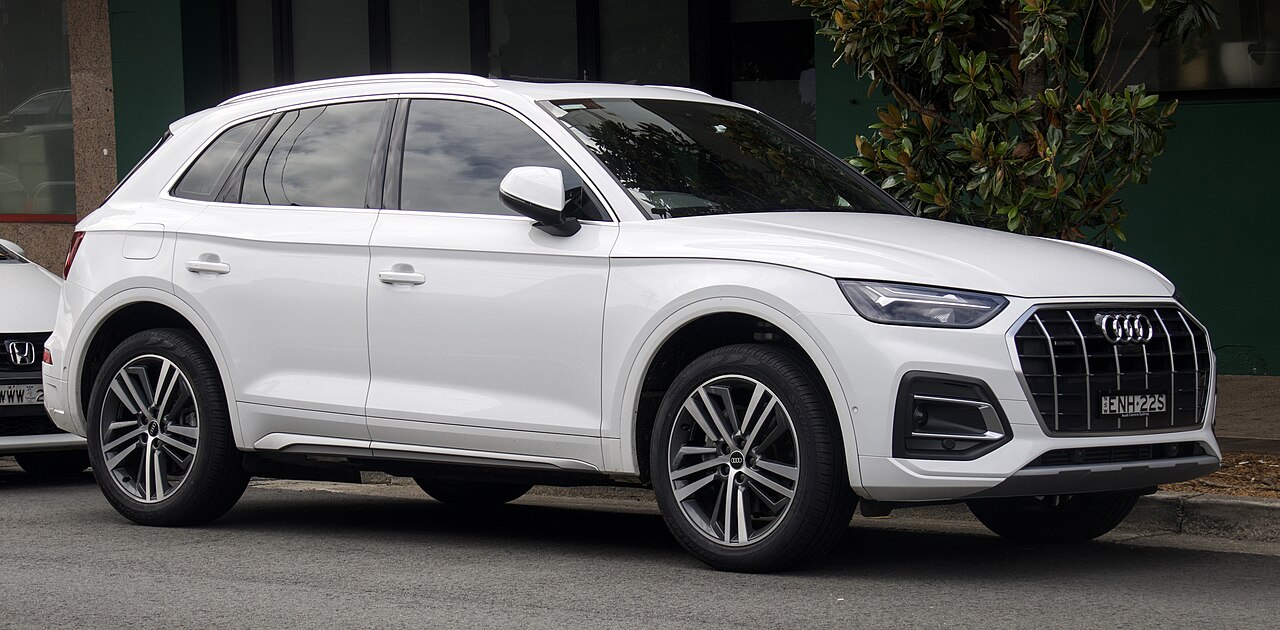
Q5
Q5
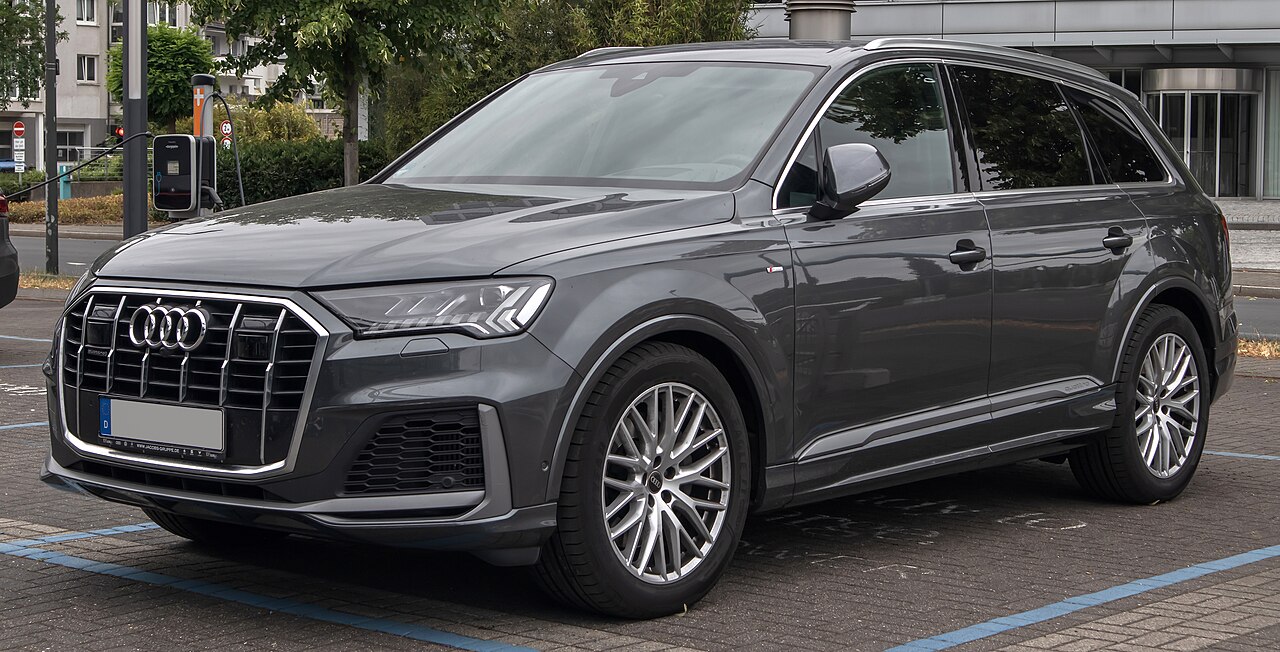
Q7
Q7
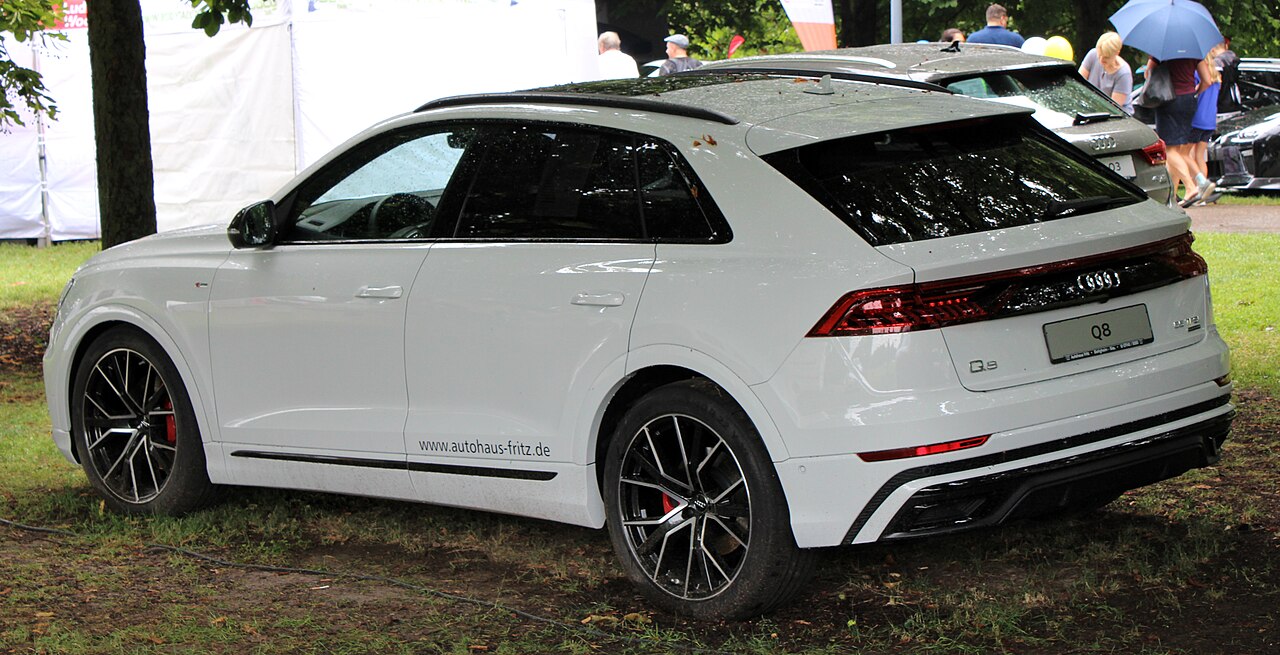
Q8
Q8
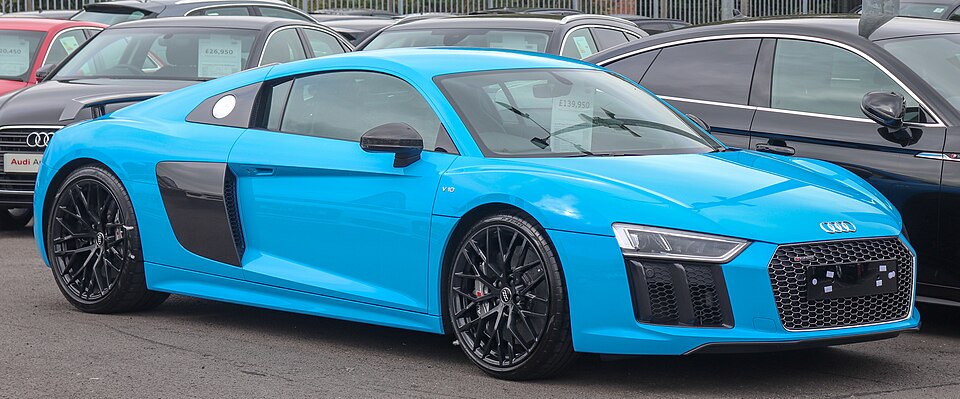
R8
R8
RS3
RS3
RS4
RS4
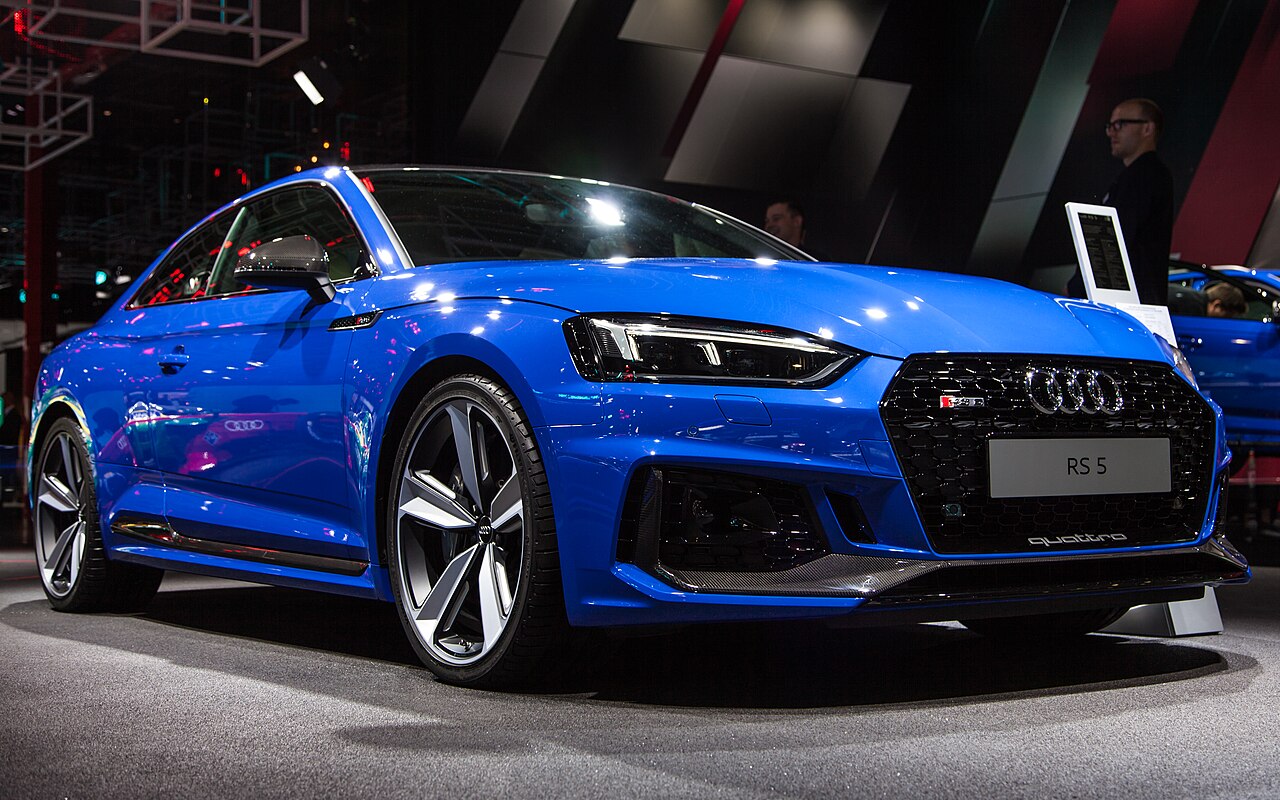
RS5
RS5
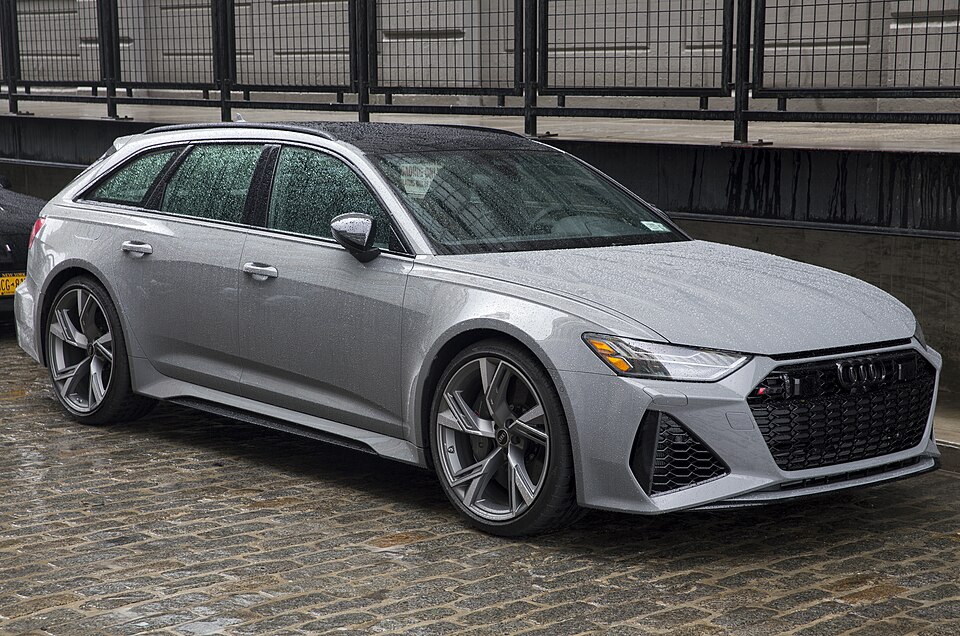
RS6
RS6
RS7
RS7
RS Q8
RS Q8
S3
S3
S4
S4
S5
S5
S6
S6
S7
S7
S8
S8
Sport Quattro
Sport Quattro
SQ5
SQ5
SQ7
SQ7
SQ8
SQ8
TT
TT

The Quattro and rally

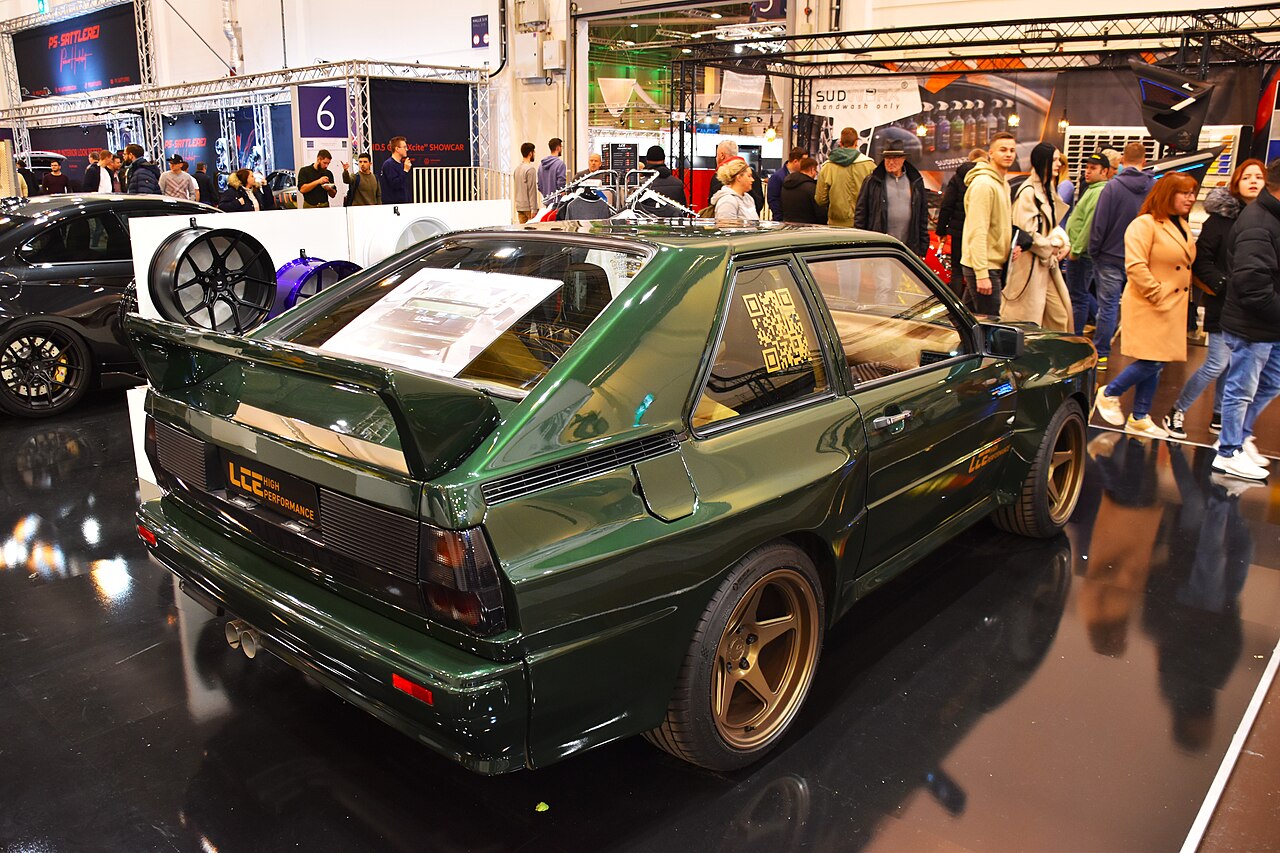
The original Audi Quattro (1980-1991) introduced permanent all-wheel drive to high-performance road cars. In rally form, the Quattro and the homologation Sport Quattro dominated Group B (1983-1986) until the category was banned for safety concerns. Hannu Mikkola, Stig Blomqvist, and Walter Röhrl all won World Rally Championship rounds in Quattros. The road car was equally significant: a turbocharged inline five with all-wheel drive in a relatively compact body.

The R8

First generation (2006-2015). Shared the Type 42 platform with the Lamborghini Gallardo. Initially with the 4.2 FSI V8, later with the 5.2 FSI V10 (the Lamborghini-derived engine). Manual transmission available, which became one of the R8 distinctive features in an era of dual-clutch supercars.

Second generation (2015-2024). Shared the Lamborghini Huracán platform. V10-only, dual-clutch only, AWD or RWD optional. Final year was the V10 GT RWD as the swan song.

Audi on WhipJury

RS6 wagons (especially C7 and C8) are popular submissions. RS3 and RS7 builds are common. R8 examples are rare but always do well in voting. The community appreciates RS Avant wagons specifically because Audi has continued offering wagon body styles in the RS segment when most makers have not.
Frequently asked questions about Audi

What is Quattro?
Quattro is Audi all-wheel drive system, used since 1980. Multiple variants exist: a Torsen-based mechanical center differential in performance cars, a Haldex-based system in transverse-engine cars (A3, TT, RS3), and various electronic differentials in modern models. The name has become a brand identifier as much as a technical specification.
Why is the R8 ending?
The R8 ended production in 2024 as Audi pivots toward electric supercars. The naturally aspirated V10 was difficult to certify under future emissions regulations, and the Lamborghini Huracán (which shares the platform) is also being replaced by a hybrid successor. A future electric R8-equivalent has been hinted at but not confirmed.
Is RS3 better than M2?
Different cars with different missions. The RS3 is AWD with a unique five-cylinder turbo, faster point-to-point in poor conditions, and has a more accessible performance envelope. The M2 is RWD with an inline six, more analog and engaging at the limit. Both are excellent. Choice depends on weather and driving preference.
Are old Audis reliable?
Older Audis (B5, B6, B7 era) have known issues with timing belts, oil sludge on the 1.8T, and electrical gremlins. The B8 and later cars are generally more reliable. Modern RS cars are durable but expensive to maintain. Quattro AWD systems require specific maintenance for transfer cases and differentials.
What is the difference between S and RS?
S models (S3, S4, S5, S6) are the upper sport trims with more powerful engines and stiffer suspension than standard. RS models (RS3, RS6, RS7) are the top performance variants with significantly more power, more aggressive styling, and unique engineering (different engine, different chassis tuning). Audi positions RS as competing with BMW M and Mercedes-AMG.

Audi on the WhipJury blog

BMW is building an electric M3 and keeping the six-cylinder one

BMW's electric M3 is expected in production next year on a dedicated EV platform, and a combustion M3 is lined up for 2028 using a modified version of today's S58 twin-turbo inline-six with mild-hybrid help. M boss Frank van Meel has hinted the gas car may even keep a manual.

The 2027 Ford F-150 brings the V8 back in the expensive trims

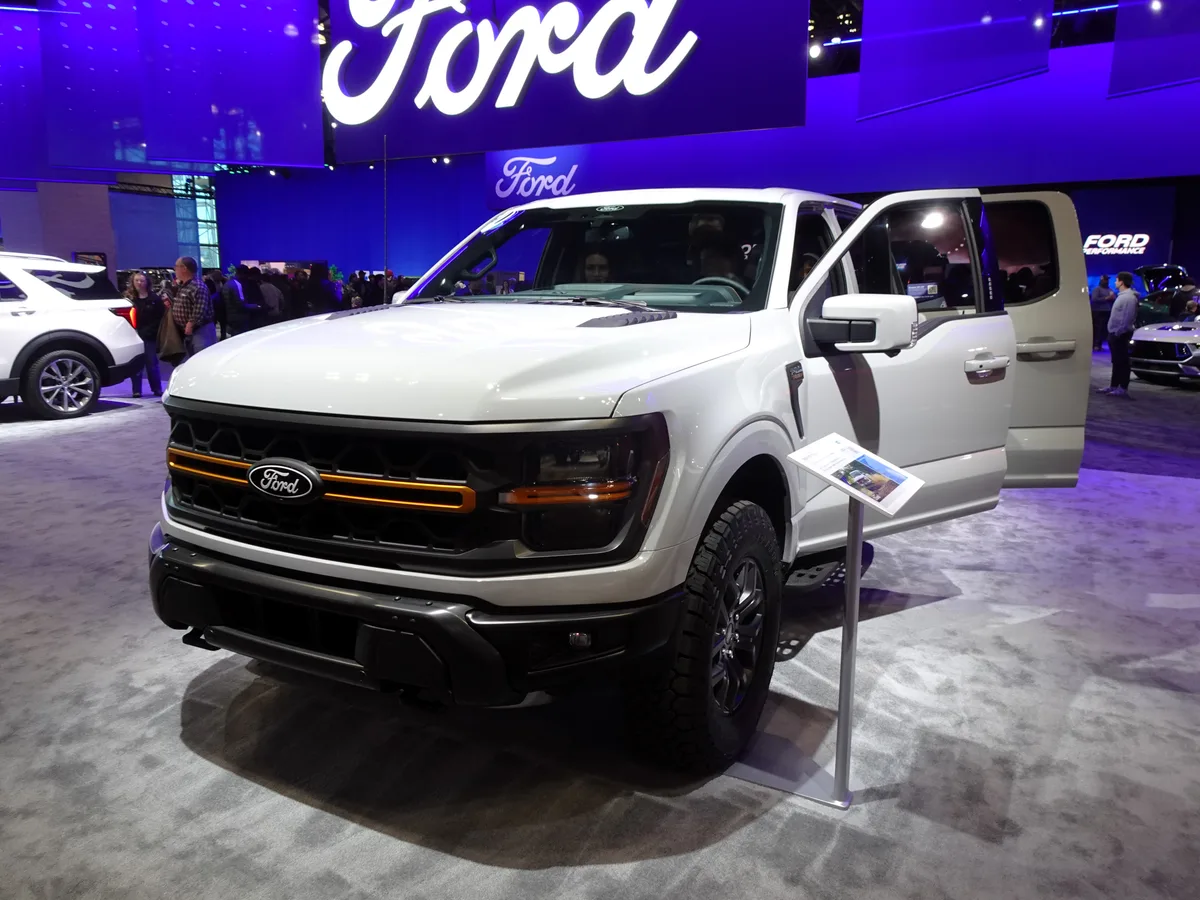
The 2027 Ford F-150 makes the 5.0-liter V8 available from the base XL to the top Platinum again, and the King Ranch and Platinum get it back for the first time since 2023. A new 325 hp 3.0-liter EcoBoost becomes the base engine, and a new Raptor 800A trim starts $4,010 cheaper at $74,995.

Metallic, pearl, matte, and satin: what car paint finishes actually do

Metallic paint uses aluminum flake, pearl uses ceramic crystals that refract light into different colors, and matte scatters light so you see form instead of reflections. Each one changes how a car's shape reads, and matte costs 40 to 50 percent more to repair because the clear coat cannot be polished.

GM's boss still calls electric cars the endgame

GM chief executive Mary Barra told Fortune that EVs are still the "end game" and the company's "north star," even as US demand slows and federal policy pulls back. The target is 40 to 50 percent of sales by 2030, and Barra now frames the shift as taking decades rather than hitting a fixed date.

More Euro makes

AbarthAlfa RomeoAlpineBMWCitroenCupraDS AutomobilesFiatJaguarLanciaMercedes-BenzMINI