Opel Cars
Euro · 8 models
Opel: Germany's People's Car Since 1899
EuroOpel is a German mainstream automaker sold as Vauxhall in the UK and Ireland, now part of Stellantis after decades under General Motors.
Opel models we cover
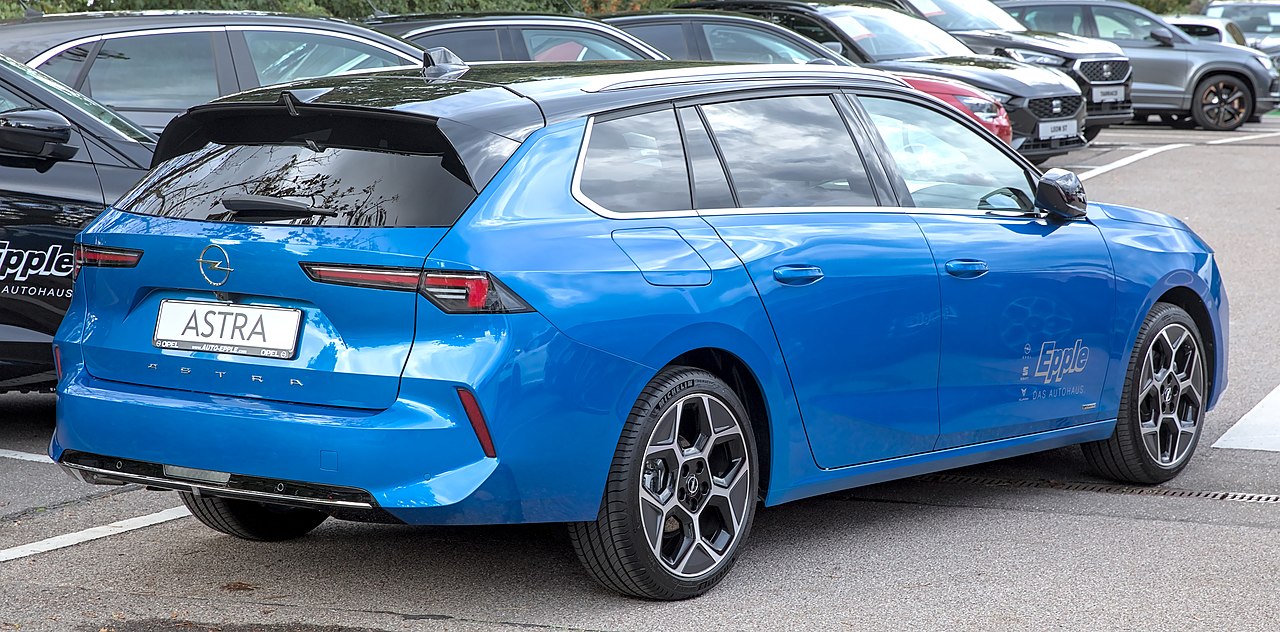
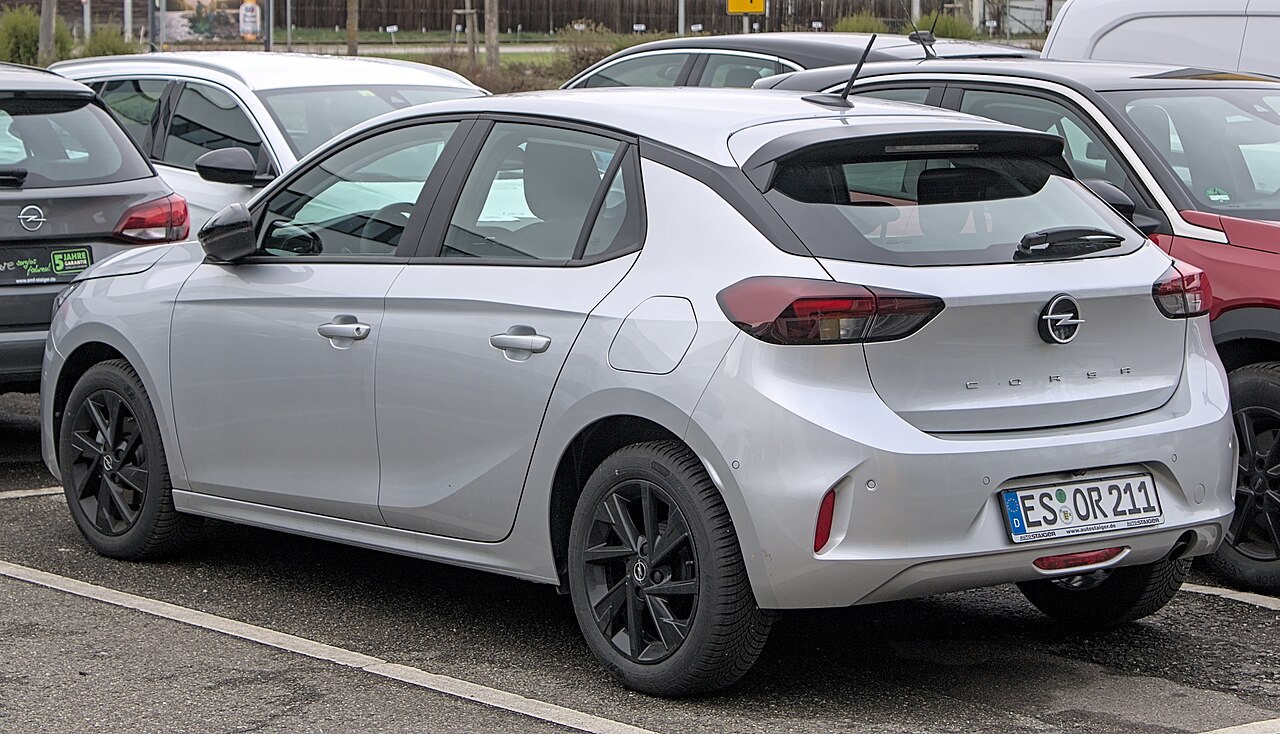
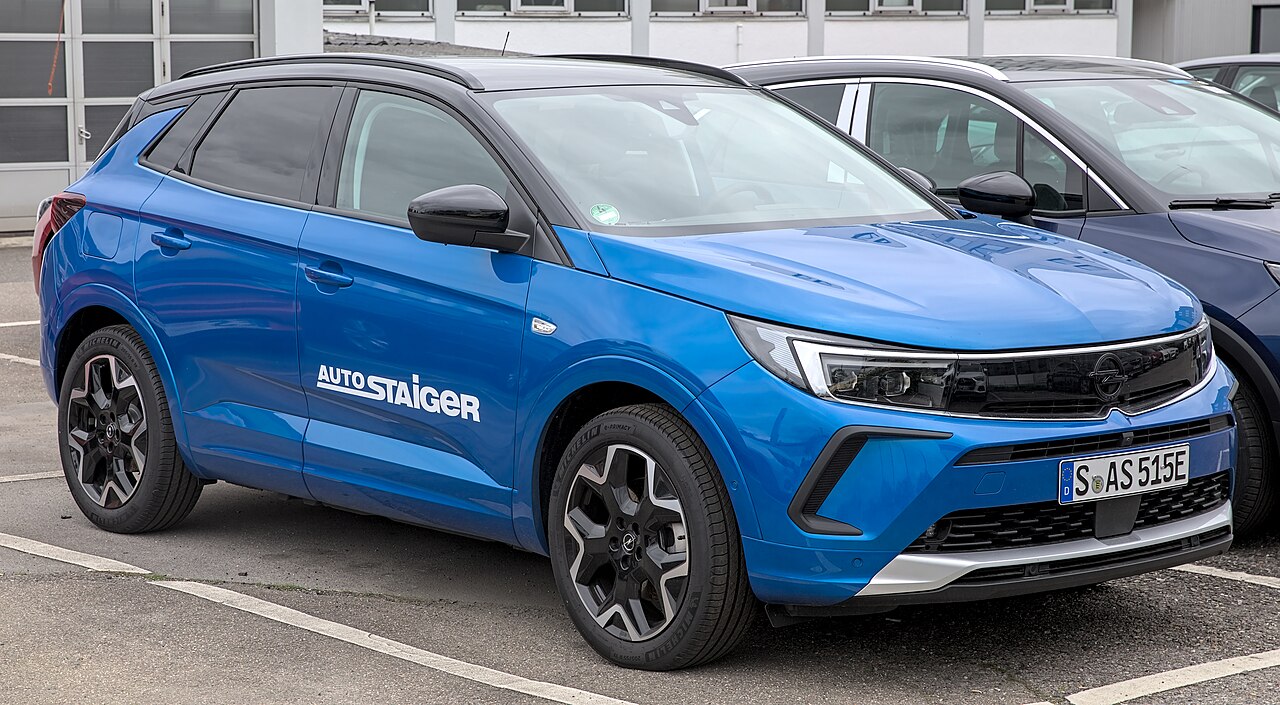
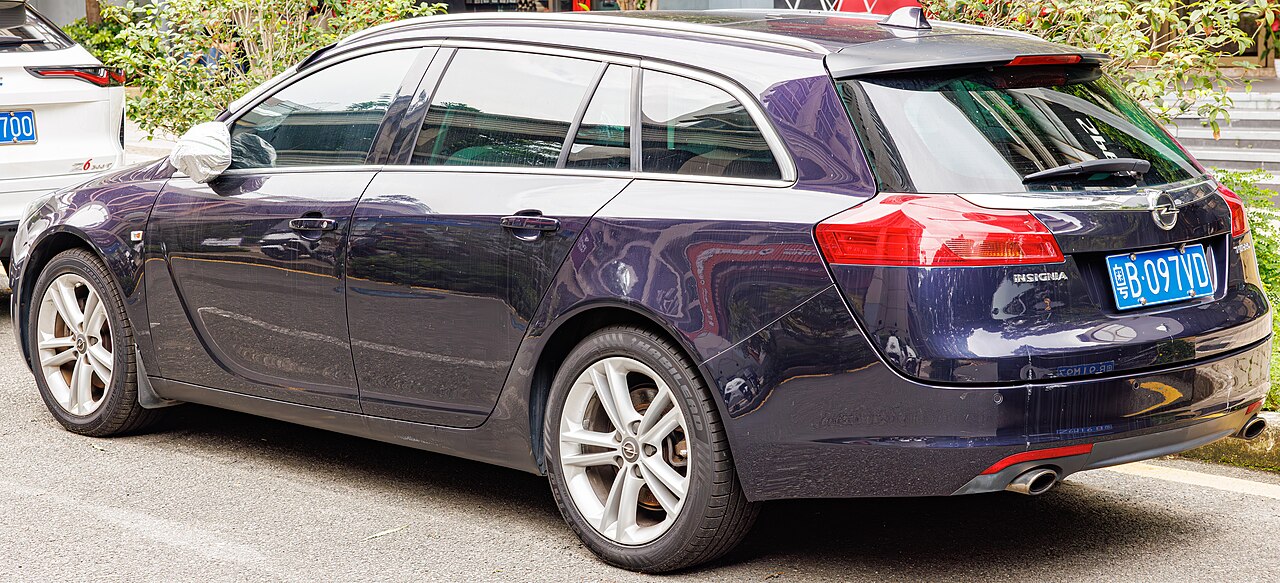
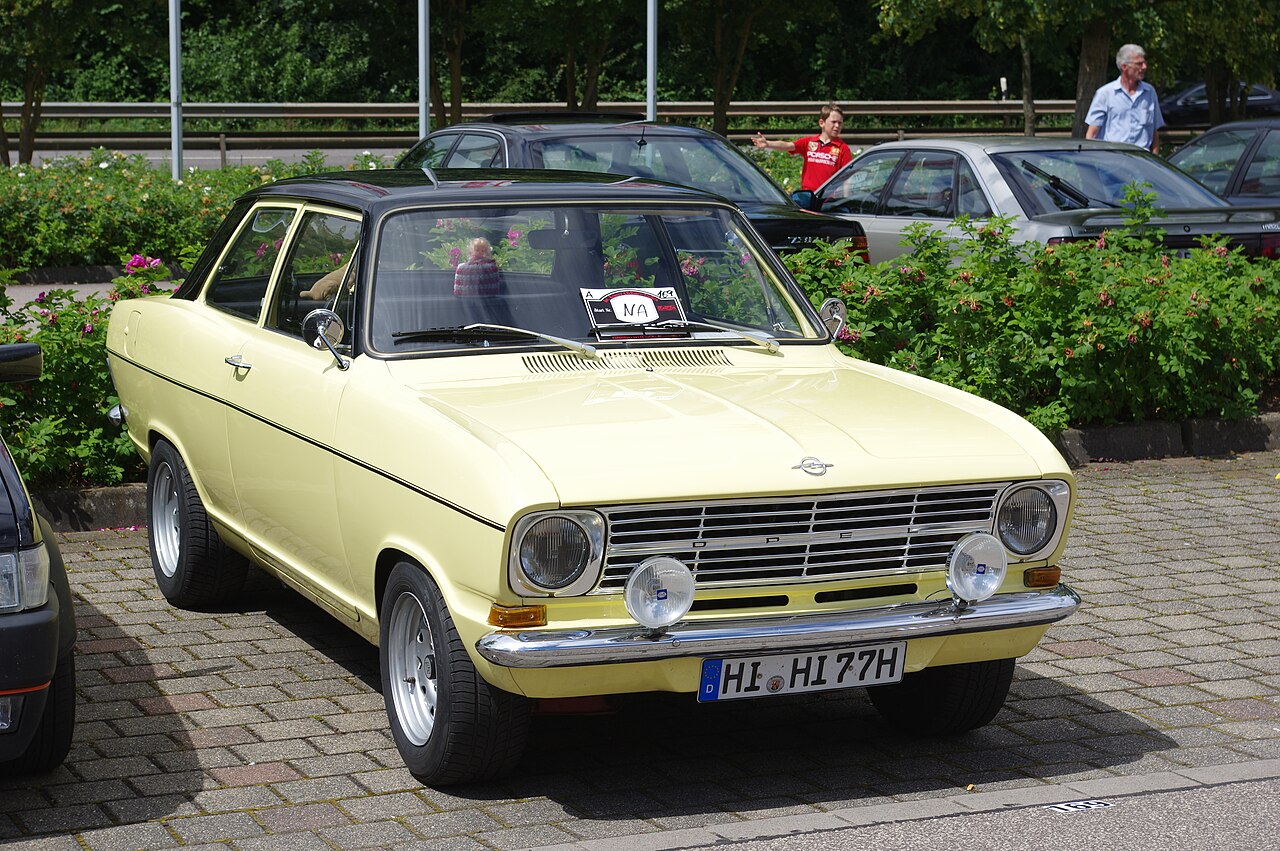
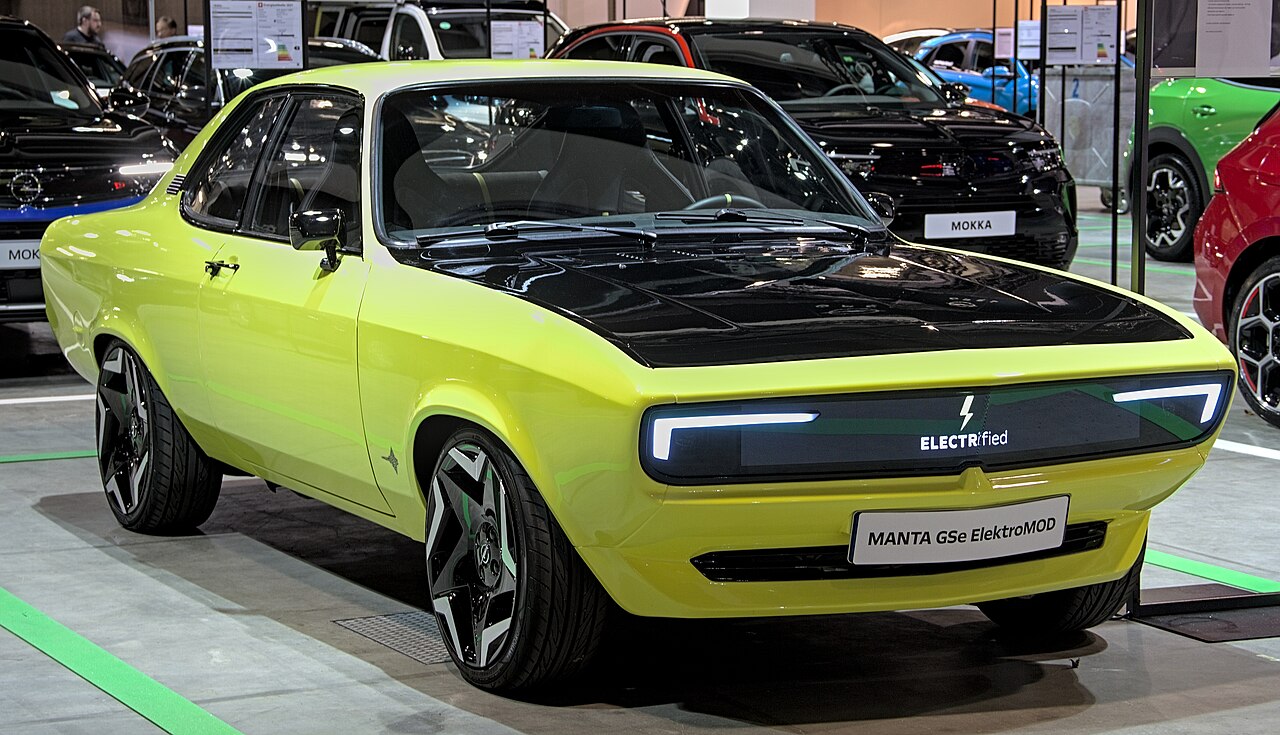
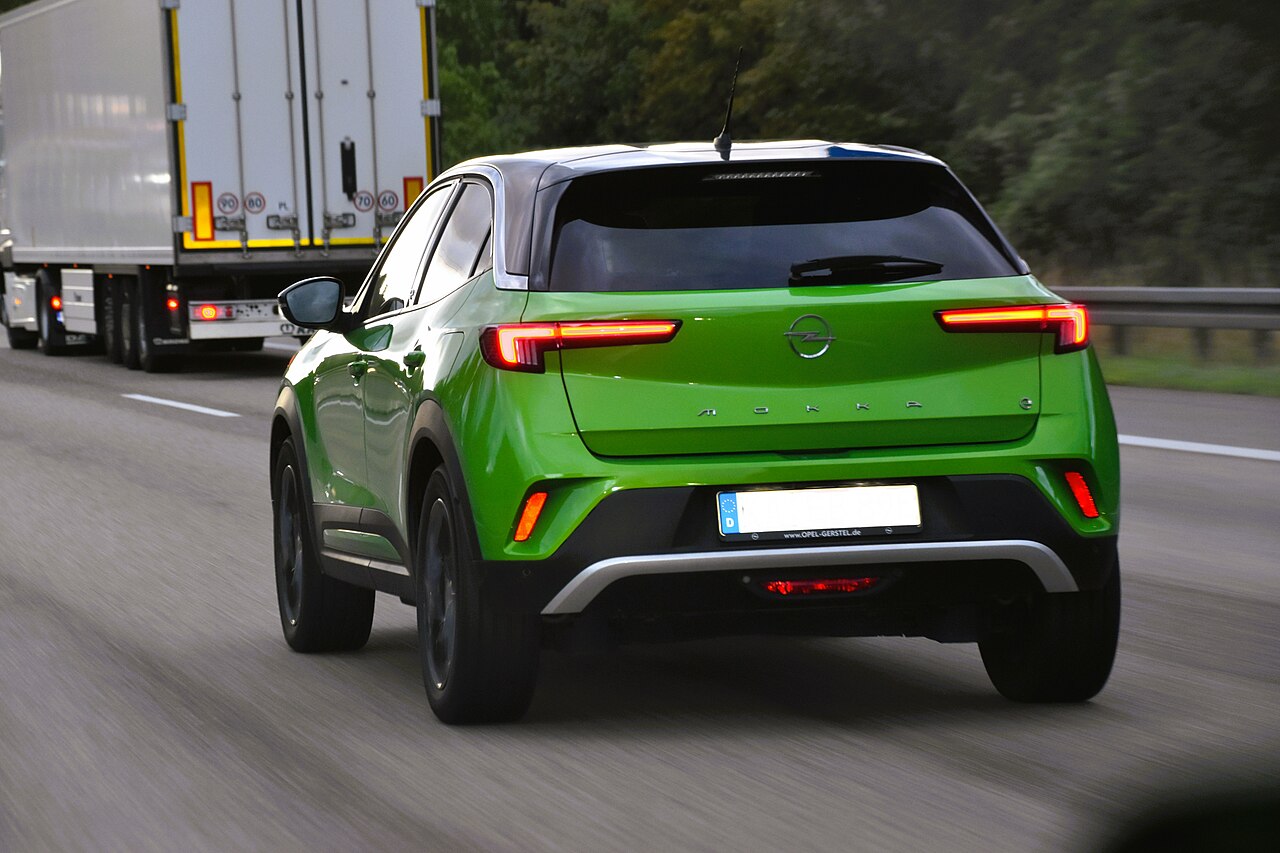
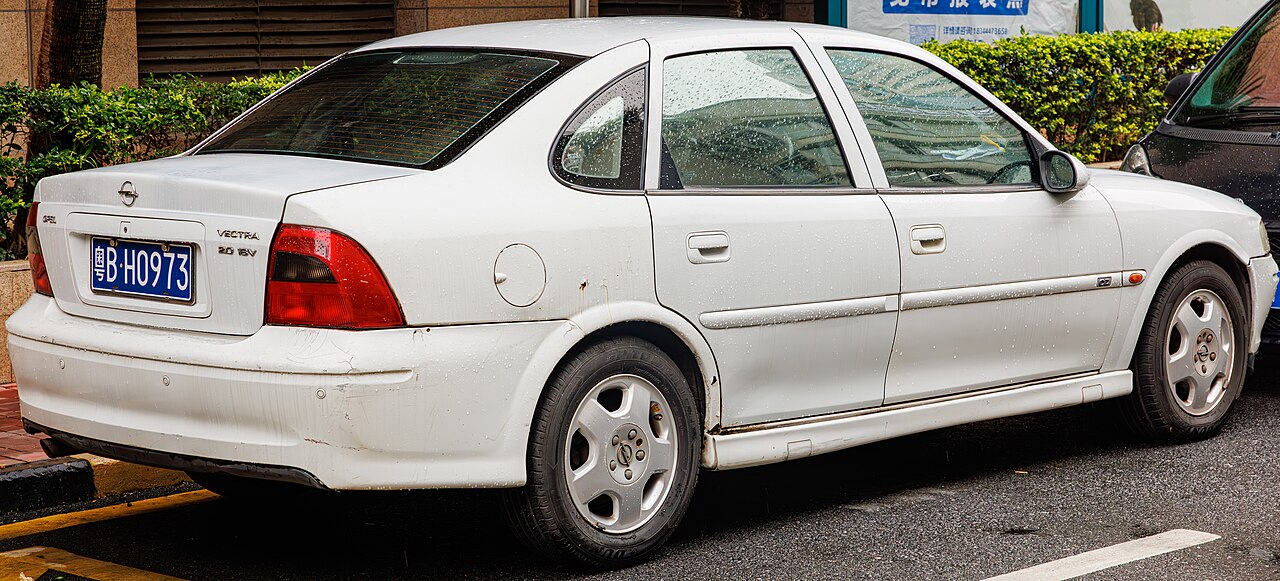
Opel traces its roots to 1862 as a sewing machine maker before pivoting to bicycles and then automobiles at the dawn of the 20th century. By the mid 1900s Opel had become Germany's largest carmaker, known for durable, sensibly engineered family cars sold at accessible prices. General Motors acquired a majority stake in 1929 and full ownership by 1931, running Opel as its European engineering arm for nearly 90 years and sharing platforms with Vauxhall in Britain, Holden in Australia, and various Chevrolet and Buick models worldwide.
Through the postwar decades Opel built its reputation on nameplates like the Kadett, Ascona, and Manta, competing directly with Volkswagen and Ford across Europe's largest car market. The Kadett evolved into the Astra in 1991, while the Vectra carried the midsize torch through the 1990s and 2000s before giving way to the Insignia. Opel's UK-market twin, Vauxhall, used different badges and trim names on largely identical underpinnings, a dual-branding arrangement that persisted even after Stellantis took over.
In 2017 GM sold Opel and Vauxhall to PSA Group (Peugeot maker), which later merged into Stellantis in 2021. Under new ownership Opel has leaned into electrification, offering electric versions of the Corsa and Mokka and plug-in hybrids across the Astra and Grandland lines, while retaining its lightning-bolt logo and reputation as a value-focused, high-volume European brand.
Frequently asked questions about Opel
Opel on the WhipJury blog
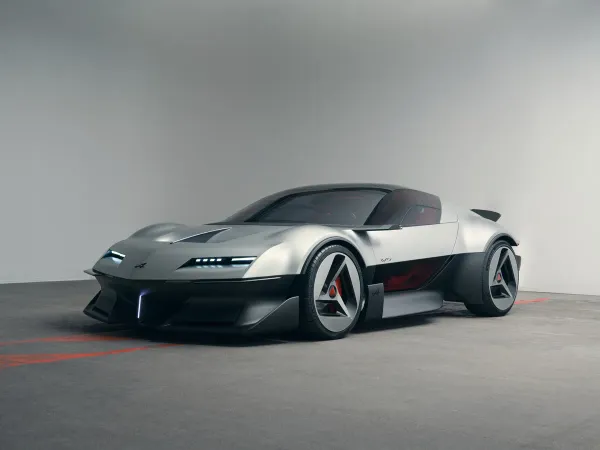
French and European brands filled the 2026 Paris Motor Show with concepts that borrow from their past, including the Alpine A310 Vision, the Peugeot RCZ Vision and E-T16, the Alfa Romeo Cuorerosso, the DS F3VER, and the Opel STX wagon.
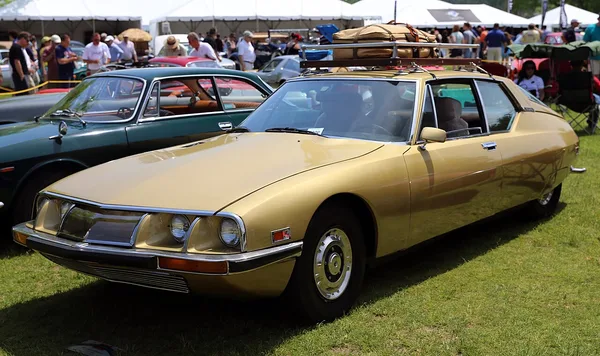
USDM stands for United States Domestic Market: cars and parts built to American rules. Those rules gave US cars side marker lights, 5 mph bumpers, and decades of round sealed-beam headlights, and they're why imports wait 25 years.
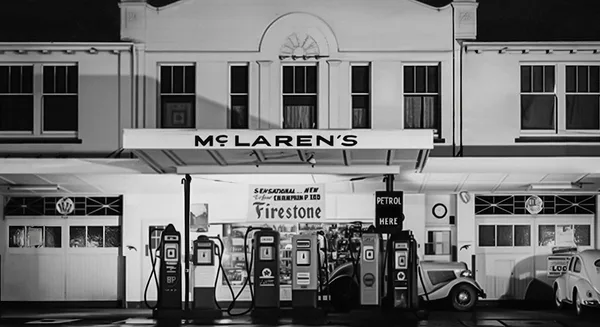
McLaren's new wordmark is based on the sign above the 1926 Auckland service station Bruce McLaren's parents owned. It's the biggest change to the logo since the Speedmark arrived in 1997, and the Speedmark is staying.
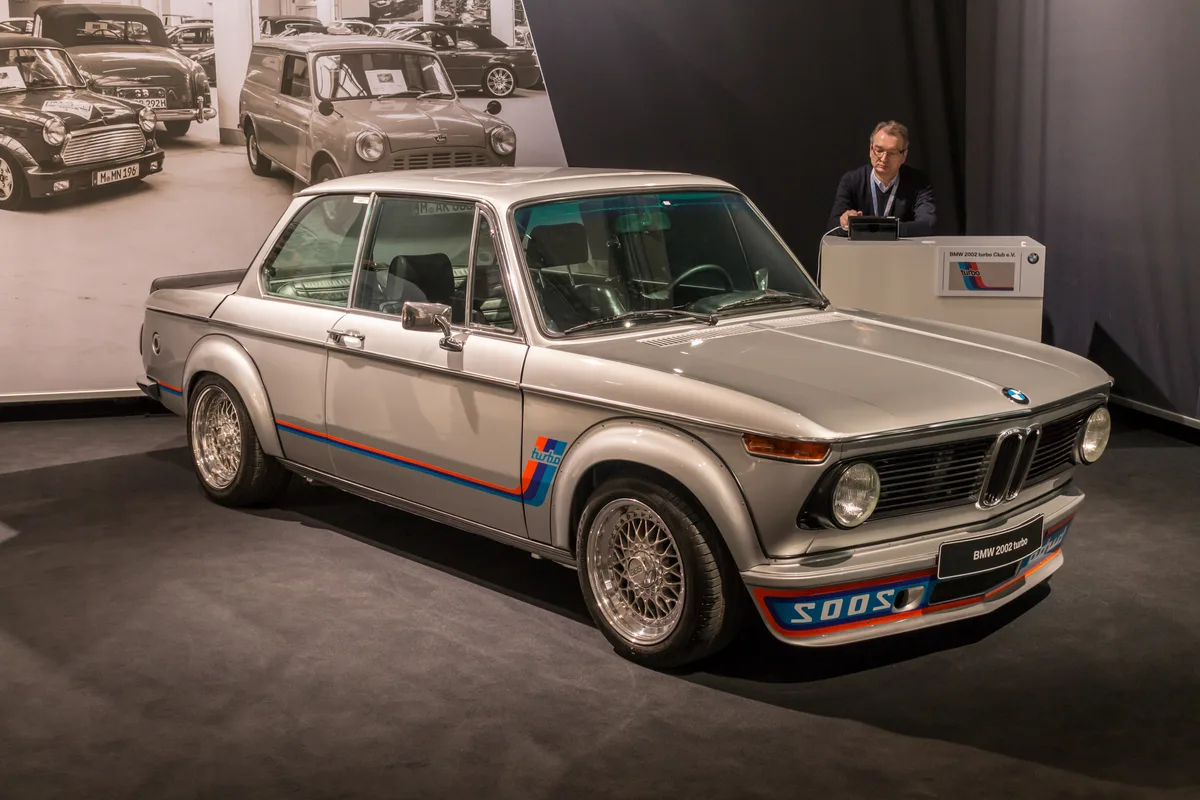
The BMW roundel is not a spinning propeller. It's the black ring from predecessor Rapp Motorenwerke plus the Bavarian flag colors, inverted to get around a trademark law banning state symbols. The propeller idea came from a 1929 ad, twelve years after the badge was registered, and BMW let the story run.