What is Pop-Up Headlights?
Pop-up headlights retract flush into the hood or front bodywork when off and flip upright into view when switched on, a styling and aerodynamic solution common on cars from the 1970s through the 1990s.
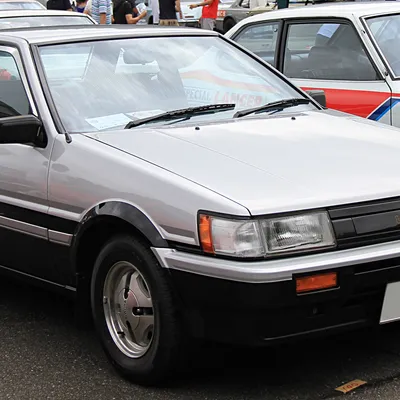
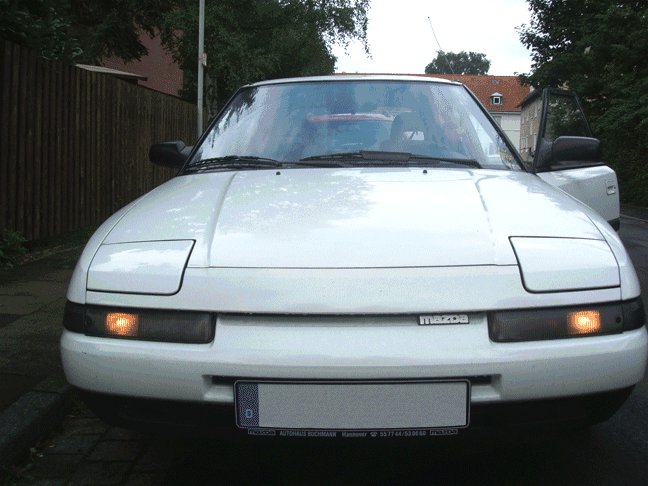
Pop-up headlights, also called hidden or retractable headlights, are mounted on a motorized or vacuum-operated mechanism that keeps them tucked flush within the hood or front fascia when not in use, then rotates or lifts them into an upright, exposed position when activated. The design let manufacturers achieve a lower, smoother, more aerodynamic front-end shape than fixed, exposed headlight housings of the era typically allowed, since round or rectangular sealed-beam headlights required a certain minimum housing depth that fought against low, wedge-shaped nose designs.
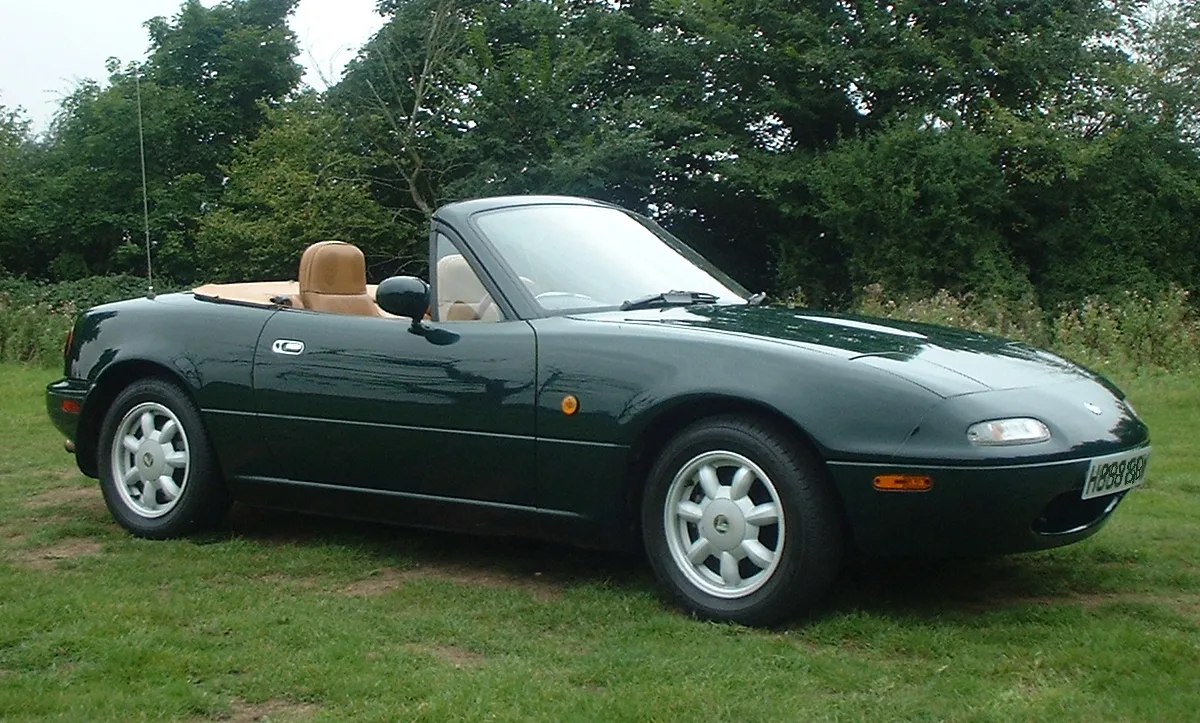
The layout became closely associated with sports and performance cars of the 1980s and 1990s, appearing on cars including the Mazda Miata (first generation), Nissan 300ZX, Chevrolet Corvette C4, Toyota Supra (third and fourth generation), and Lamborghini Countach and Diablo. Beyond aerodynamics, pop-up headlights let designers create a cleaner, more minimalist front fascia when the lights were retracted, and the mechanical action of the lights flipping up became a visual signature in its own right, often highlighted in period advertising and enthusiast memory of these cars.
Pop-up headlights largely disappeared from new car design by the early 2000s, driven out primarily by pedestrian safety regulations in markets including the European Union, which restricted rigid, protruding objects on a car's front end due to injury risk in pedestrian collisions. Advances in headlight technology, including compact projector and multi-reflector housings, also removed the packaging need that originally justified retractable designs, since modern headlight units can achieve a low, aerodynamic profile without needing to hide.