Toyota MR2
JDM · Toyota

Toyota's mid-engine sports car. Three generations from 1984 to 2007, with the SW20 Turbo and AW11 Supercharged being particular favorites.
The Toyota MR2 is a mid-engine sports car produced from 1984 to 2007 across three generations. The model name MR2 stands for "Mid-engine, Runabout, 2-seat" (some sources say "Mid-engine, Rear-drive, 2-seat"). The MR2 was Toyota first true mid-engine sports car and one of the first Japanese mid-engine production cars. The model competed with the Pontiac Fiero, Honda CRX, and various other small sport coupes through the late 1980s and 1990s. Three generations of MR2: AW10/AW11 (1984-1989), SW20 (1990-1999), and ZZW30 (2000-2007). The AW11 generation is the most iconic, particularly the supercharged AW11 (1986-1989, with the 4A-GZE engine). The SW20 is the most respected sport coupe variant, with naturally aspirated and turbocharged 3S-GTE engines. The ZZW30 (sold as MR2 Spyder in North America) is a smaller, more affordable variant focused on roadster character. The SW20 MR2 Turbo (1990-1999) is the most performance-focused MR2. The 3S-GTE turbocharged 2.0-liter four-cylinder made 200-220 horsepower (depending on tune and year). Mid-engine layout, manual or automatic transmission, and aggressive aerodynamics. The car developed a reputation for snap-oversteer in early SW20 cars (later revisions improved this). The SW20 has been a popular tuner platform with engine swaps (3S-GTE upgrades, 1JZ-GTE swaps) being common. The MR2 ended production in 2007. Toyota has not produced a successor; the MR2 segment was vacated as Toyota focused on Supra revival, GR products, and other priorities. Modern MR2 prices have appreciated as the cars become recognized future classics. On WhipJury, MR2 submissions are common, particularly SW20 builds with various engine and chassis modifications. AW11 Supercharged examples are increasingly rare and command attention.
Generations
AW10/AW11 (1984-1989). First generation. AW10 used the 4A-GE engine (naturally aspirated, 112 horsepower). AW11 Supercharged added the 4A-GZE engine (145 horsepower with supercharger). The supercharged variant is the most desirable.
SW20 (1990-1999). Second generation. 3S-GTE engine (turbocharged 2.0-liter four-cylinder, 200-220 horsepower depending on year). The performance-focused MR2 era. Popular tuner platform.
ZZW30 (2000-2007). Third generation. Sold as MR2 Spyder in North America. Smaller, more affordable. Convertible body. 1ZZ-FE engine, 138 horsepower. More focused on roadster character than SW20 performance.
SW20 MR2 Turbo
The SW20 Turbo (1990-1999) is the most performance-focused MR2. The 3S-GTE engine and mid-engine layout produce strong performance for a 1990s sport coupe. Common modifications include 3S-GTE upgrades (larger turbo, supporting hardware) and 1JZ-GTE swaps. The platform has built a strong tuner community.
MR2 on WhipJury
SW20 submissions are most common. AW11 Supercharged examples are rare and reliably do well. ZZW30 MR2 Spyder cars appear regularly as the cars age into the used market. The community recognizes the MR2 as one of the seminal Japanese mid-engine sport cars.
Frequently asked questions about Toyota MR2
More on the Toyota MR2
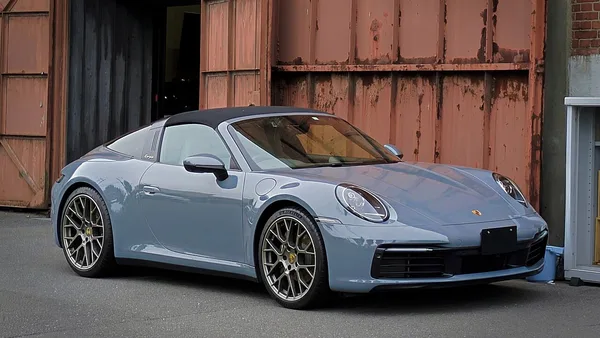
A targa top is a roof panel over the front seats that comes off while a fixed roll bar and the rear window stay put. Porsche launched it on the 911 in 1965 to answer US safety worries, named it after a Sicilian race, and still holds the trademark.
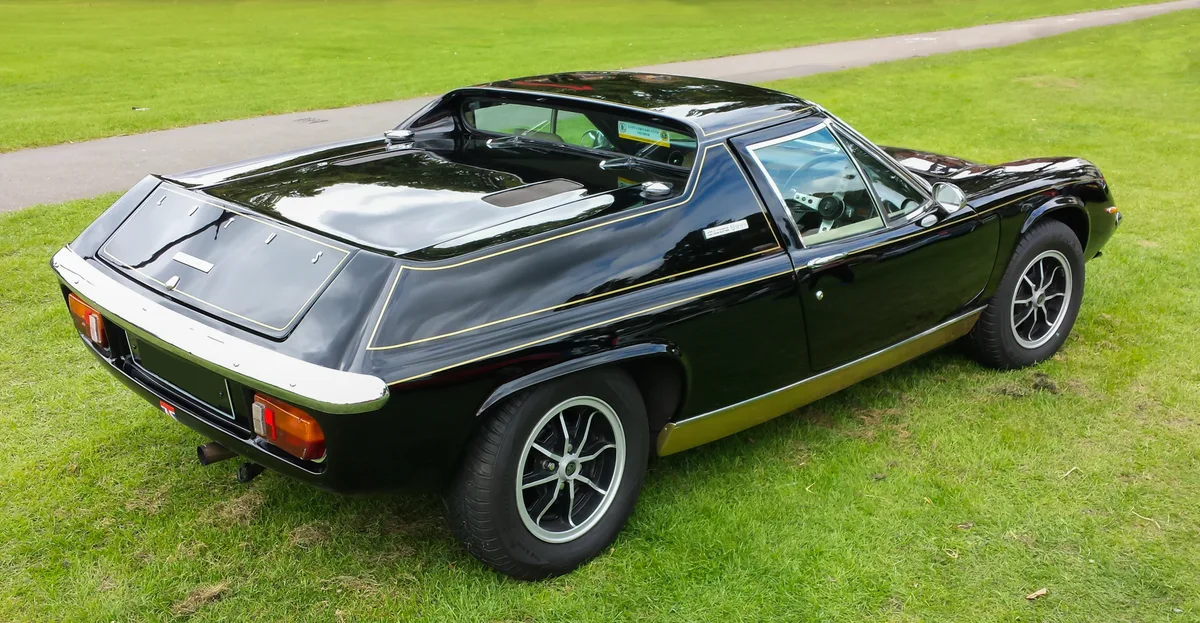
Where the engine sits sets the hood length, the cabin position, and the balance, and you can read it from across a car park. Front engine gives the long hood people read as expensive, mid engine drops the nose and collects mass at the rear, and rear engine gives the 911 its unmistakable falling tail.
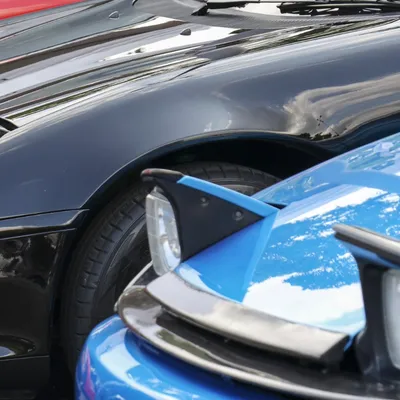
Pop-up headlights disappeared because European pedestrian-safety regulations made protruding front-end hardware effectively impossible to certify, and because fixed headlight technology got good enough that the mechanical complexity stopped earning its keep. The last two production cars to carry them ended production in 2004.