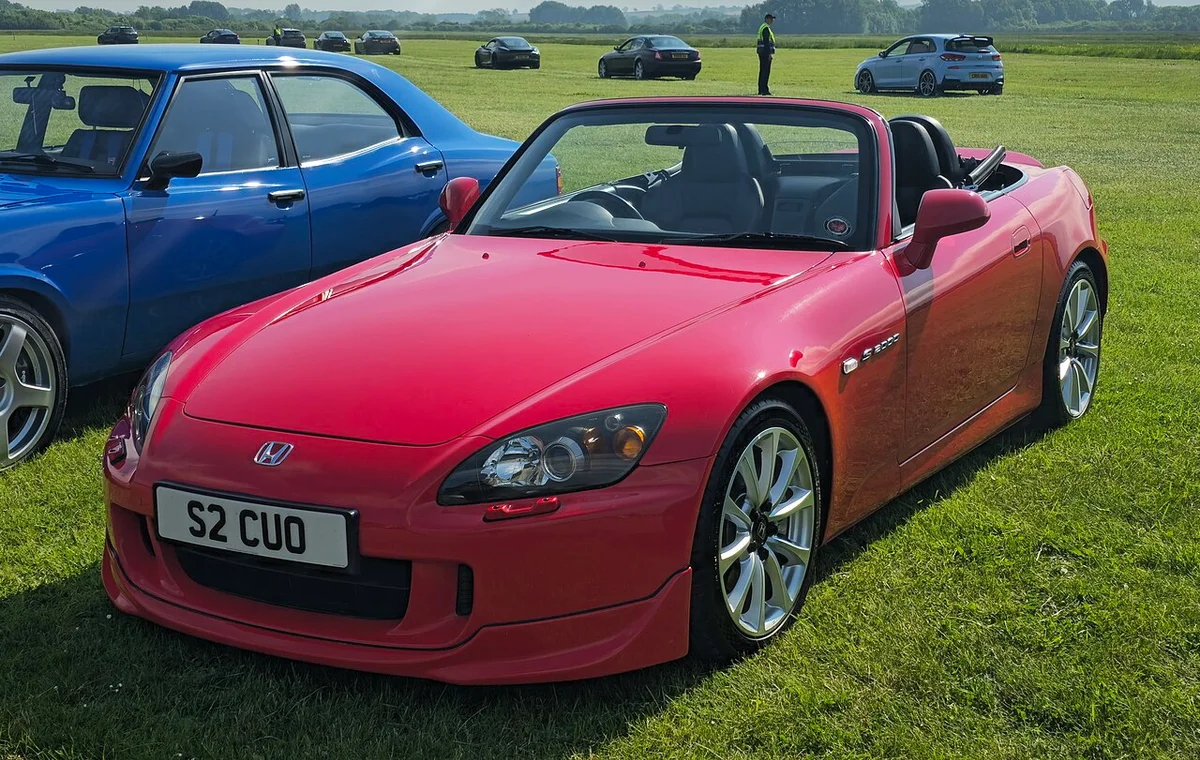
VTEC is Honda's variable valve system, and it's the reason so many Honda engines feel like two engines wearing one badge. Down low they're calm, smooth, and efficient. Then, a few thousand rpm up, something changes and the engine comes alive with a harder note and a second surge of power. That switch is the whole legend, and it has its own meme: "VTEC just kicked in, yo."
Here's what's actually happening in that moment, and why it earned a cult following no other valvetrain feature ever has.
Two Cams in One Engine
An engine's camshaft controls how far and how long its valves open. There's no single cam profile that's perfect everywhere. A mild profile is great for low-rpm smoothness and economy, while an aggressive high-lift profile makes power up top but is lumpy and thirsty down low. Normally you pick one and live with the compromise.
VTEC refuses the compromise by building in two profiles and switching between them. At low rpm the engine runs a gentle cam profile. As the revs climb past a set point, the system swaps to a second, much more aggressive one.
The mechanism is clever and simple. Each set of valves has an extra rocker arm riding on a high-lift cam lobe that normally does nothing. When the engine computer decides it's time, it sends a 12-volt signal to a solenoid that routes oil pressure to a locking pin. That pin ties the rocker arms together so they all follow the aggressive lobe. The valves suddenly open further and stay open longer, and the engine pulls hard toward its redline.
That's the kick. It's not a turbo and it's not nitrous. It's the engine changing its own cam profile mid-pull.
Plenty of engines have variable valve timing, which adjusts when the valves open. VTEC goes further: it changes valve lift and the cam profile itself, not just the timing. That's why the transition is so dramatic and so felt, where ordinary systems blend their changes invisibly. Honda later combined the two ideas in i-VTEC, but the signature step-change is what people fell in love with.
Why People Yell About It
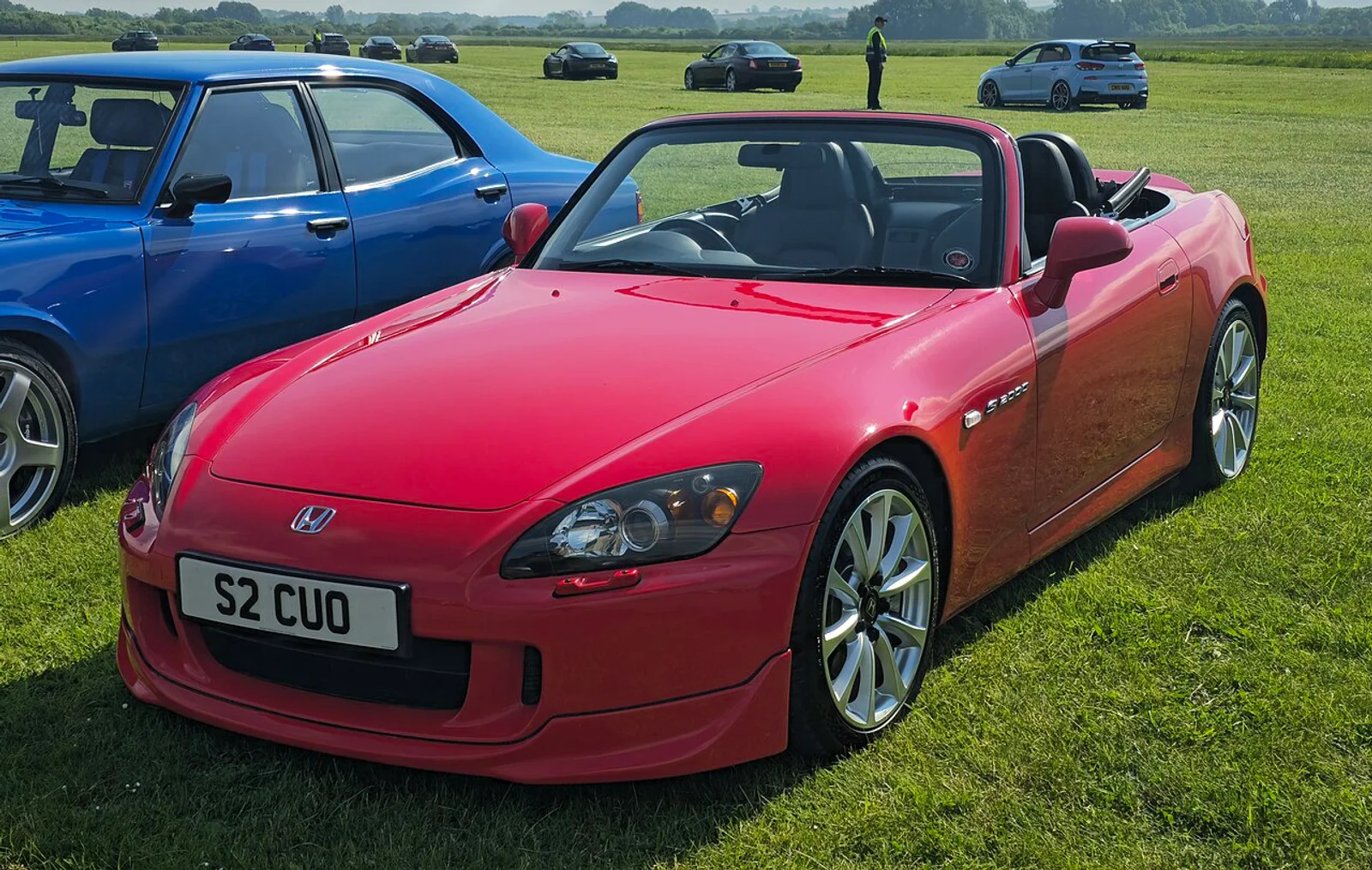
The meme exists because VTEC gives a cheap, naturally aspirated engine a genuine event to look forward to. Cars like the Civic Type R, the S2000, and the NSX built reputations on screaming top ends that only arrive if you rev them into the VTEC zone. It rewards wringing the engine out, which is exactly what enthusiasts want to do anyway. The JDM tuning scene turned that reward into a rallying cry.
VTEC in the Faceoff Arena
A VTEC Honda carries a specific kind of credibility in a faceoff. It signals a driver who revs, a car built to be used, and a corner of car culture with real depth behind it. Voters who know what the badge means give it respect before they have judged a single body line.
Upload your Honda to WhipJury and let the crowd decide whether it looks as good as it sounds at 6,000 rpm.
Sources:
How VTEC switches cam profiles and lifts the valves: Wikipedia
Honda's own history of the VTEC engine: Honda Global
Frequently Asked Questions

Cam Walsh has been obsessing over cars since before he could drive one. Based out of Atlanta, Cam covers automotive design, car culture, and the eternal debate over which whips actually look the part.