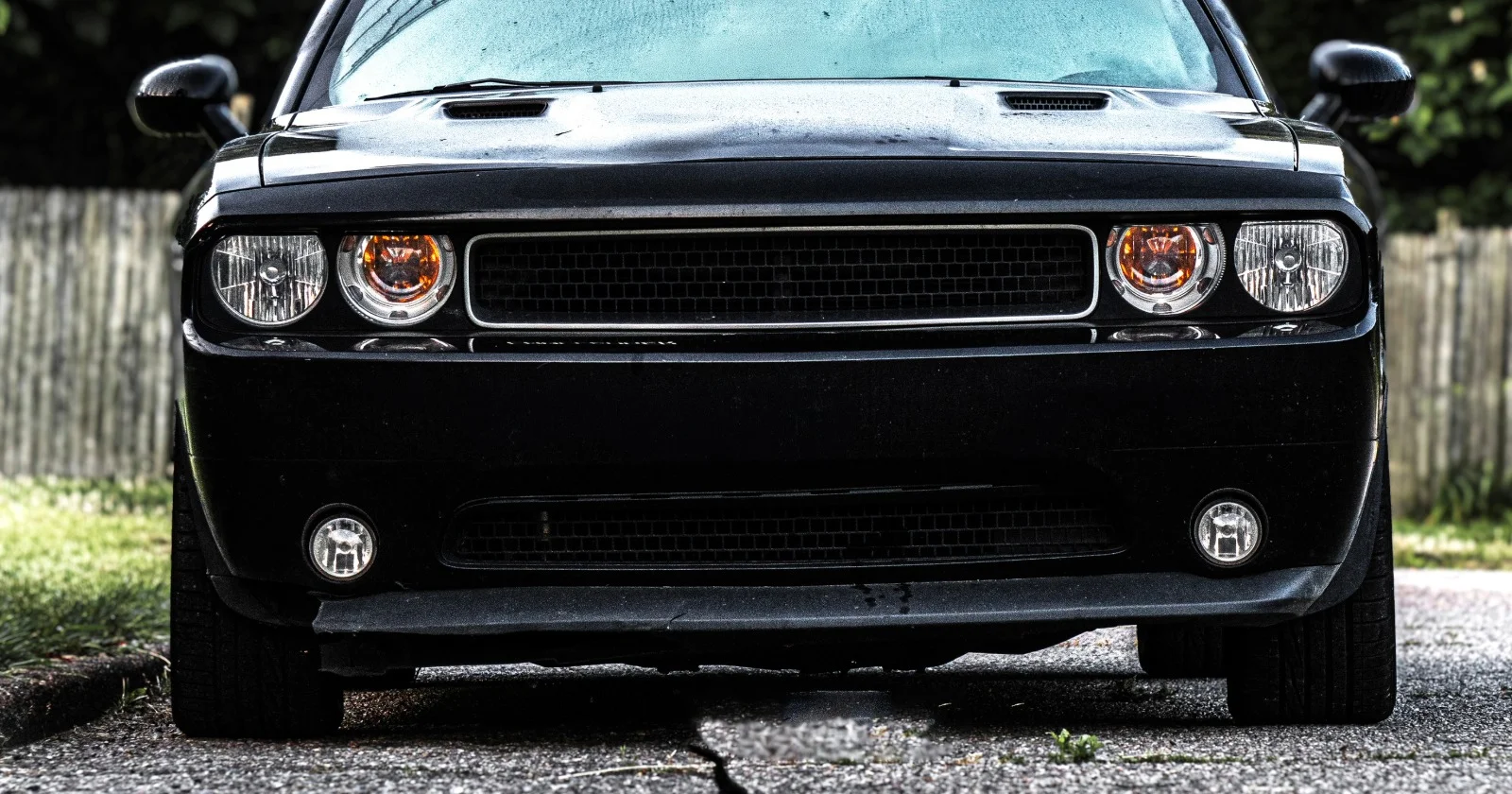
A Hellcat engine is a 6.2-liter supercharged HEMI V8 built by Dodge, and when it arrived in 2015 it made 707 horsepower straight off the showroom floor. That number is the whole point. Dodge didn't creep up on its rivals, it jumped clean over them, and it did so in cars ordinary people could walk in and buy.
The name came from an internal code, borrowed from the Grumman F6F Hellcat fighter plane of the Second World War. Here's what's actually inside it.
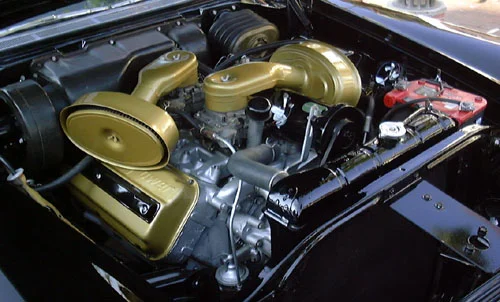
A Supercharger Doing bringing the Power
The Hellcat is a pushrod V8 with a twin-screw supercharger bolted on top, and that supercharger is why the power figure looks the way it does. Because a supercharger is driven mechanically off the engine, the boost arrives the instant you touch the throttle, with none of the delay a turbo can have.
Air enters through a 92mm throttle body, the largest the company had used, then passes through charge coolers that can drop its temperature by as much as 65 degrees before it reaches the cylinder heads. Cooler air is denser air, and denser air makes more power. The block itself was reinforced to survive the pressures that all this forced induction creates.
The original Hellcat made 707 horsepower and 650 lb-ft of torque, which was already absurd for a factory car with a warranty. Dodge then spent years escalating. The Redeye came next, then the Demon, and it finished with the Challenger SRT Demon 170, which produced up to 1,025 horsepower running on E85 fuel.
A thousand horsepower from a production car you could order is not a normal thing to exist. That escalation is most of the Hellcat legend, and it's why the engine became shorthand for a certain kind of excess.
Which Cars Got It
The Hellcat went into the Challenger and the Charger, which is how a two-door muscle car and a four-door sedan both ended up with supercar power for sedan money. It also found its way into the Durango, meaning you could buy a three-row family SUV with a Hellcat under the hood, and into Jeep's Grand Cherokee Trackhawk.
Putting it in an SUV tells you everything about the spirit of the thing. There was no engineering reason to do it. Dodge did it because the engine existed and the idea was funny.
The Hellcat arrived when the accepted wisdom said big naturally aspirated American V8s were finished and everything would shrink. Dodge responded by building the most outrageous version of the old idea it could, and sold plenty of them. It bought the muscle car formula another decade of relevance, and it made horsepower a mainstream conversation again.
What a Hellcat Says About You
Few engines telegraph intent like this one. A Hellcat badge announces that the owner picked noise, smoke and straight-line violence over subtlety, and that's a real position to take. Some people love it and some find it ridiculous, which is exactly why these cars are fun to judge.
Throw one into WhipJury and see whether the crowd rewards the swagger or votes for something with more restraint.
Sources:
Hellcat output, supercharger design, throttle body and charge coolers: SlashGear
The 1,025 horsepower Demon 170 figures: Motales
Frequently Asked Questions

Cam Walsh has been obsessing over cars since before he could drive one. Based out of Atlanta, Cam covers automotive design, car culture, and the eternal debate over which whips actually look the part.