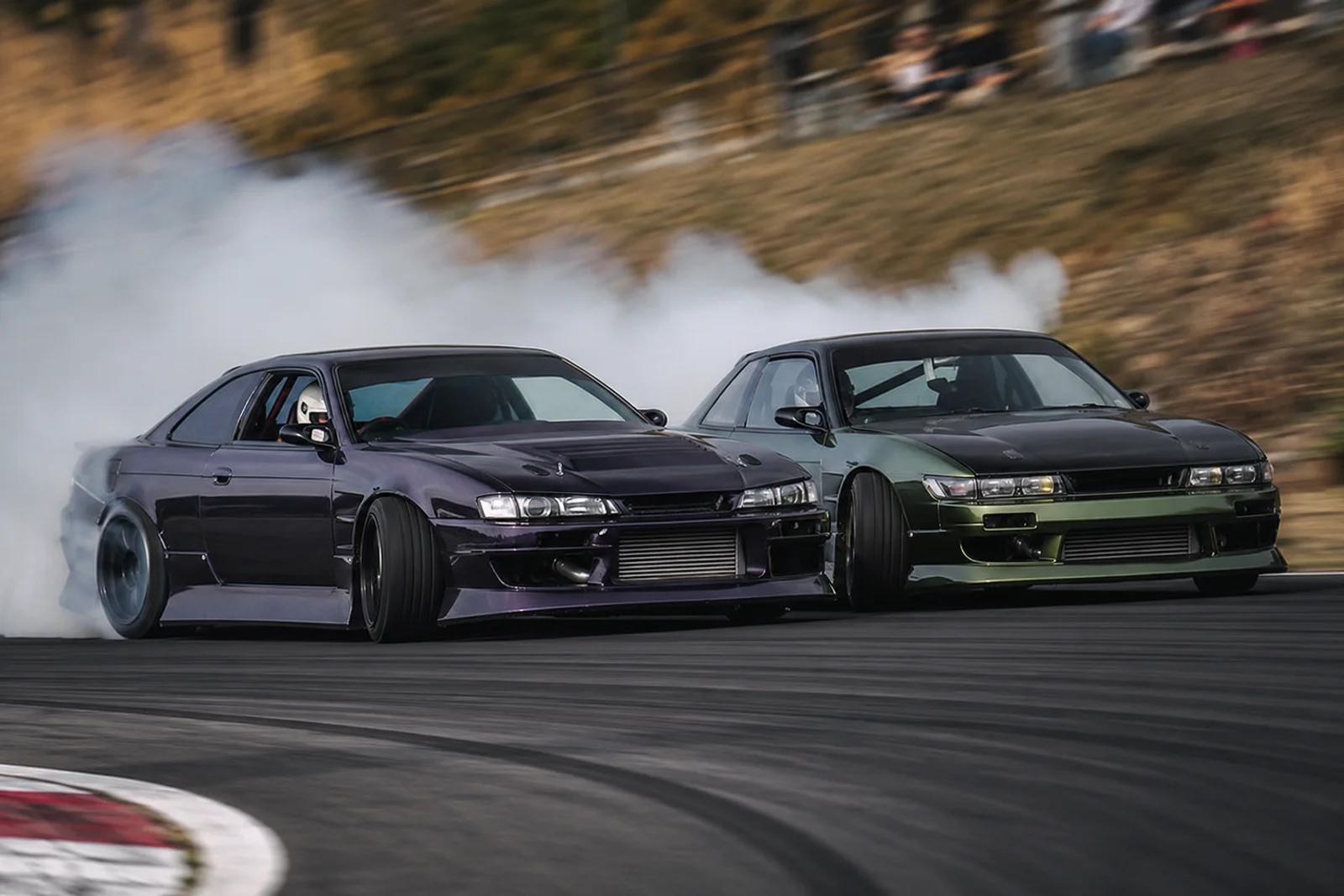
Solo drifting is one car sliding through a course. Tandem drifting is two cars doing it at once, inches apart, both sideways, for the length of the track. It's the format that turned drifting from a skill demonstration into an actual sport, and it's the reason people watch.
It also confuses new viewers, because the winner isn't the car in front. Here's how it works.
Lead and chase
A tandem battle is two runs. In the first, Driver A leads and Driver B chases. Then they swap, so both drivers do both jobs. Judging the pair together is what makes it fair, because the two roles ask for completely different things.
The lead driver's job is to put down a run that sets the pace and still gives the chaser a fair shot at following it. Drive a line nobody could possibly match and you don't get rewarded for it. The chase driver has the harder job on paper: stay close, match or beat the lead car's angle, and copy its line and transitions. Proximity is the headline skill, and getting a door within inches of another car while both are sliding is exactly as difficult as it sounds.
Passing is allowed, but only under specific conditions, and a pass that breaks the rules can count against you rather than for you.
Line, angle and style
In Formula Drift, three judges each own one criterion.
Line is where the car goes. Drivers have to place the rear of the car inside marked zones while sliding, so it isn't enough to be sideways, you have to be sideways in the right place. Angle is how much oversteer you hold and how cleanly you hold it, with minimal correction or straightening of the wheel. Style covers fluidity and commitment, which is the closest thing to a subjective score, and it rewards a driver who looks decisive instead of tidy but timid.
Put those together and you get the real demand of the sport: not just going sideways, but going sideways exactly where the judges want, at a big angle, while another car sits on your door.
Why it looks so good
Tandem is the format that makes drifting worth filming. Two cars locked together at opposite lock, smoke everywhere, both drivers committed, is a genuinely spectacular thing that a single sliding car never quite matches.
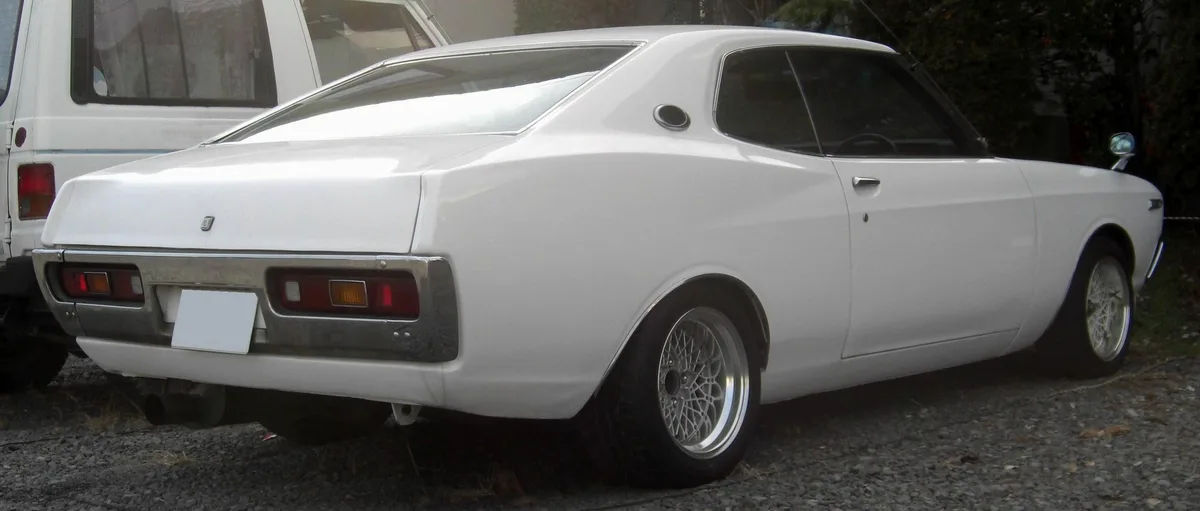
It's also why drift builds look the way they do. Big angle, aggressive stance, and loud liveries exist partly because these cars are built to be seen from a few feet away by a camera and a crowd. The same instinct runs through hashiriya street culture, where the look mattered as much as the driving.
Upload your drift build to WhipJury and see whether it looks as committed standing still as it would mid-battle.
Sources:
Lead and chase responsibilities and the two-run format: Formula Drift Judging Regulations
How line, angle and style are scored: CMDrift
Frequently Asked Questions

Cam Walsh has been obsessing over cars since before he could drive one. Based out of Atlanta, Cam covers automotive design, car culture, and the eternal debate over which whips actually look the part.