DuelsLeaderboardGarageBlogCarsGlossaryBrowse

Hemi

Car culture term

Hemi
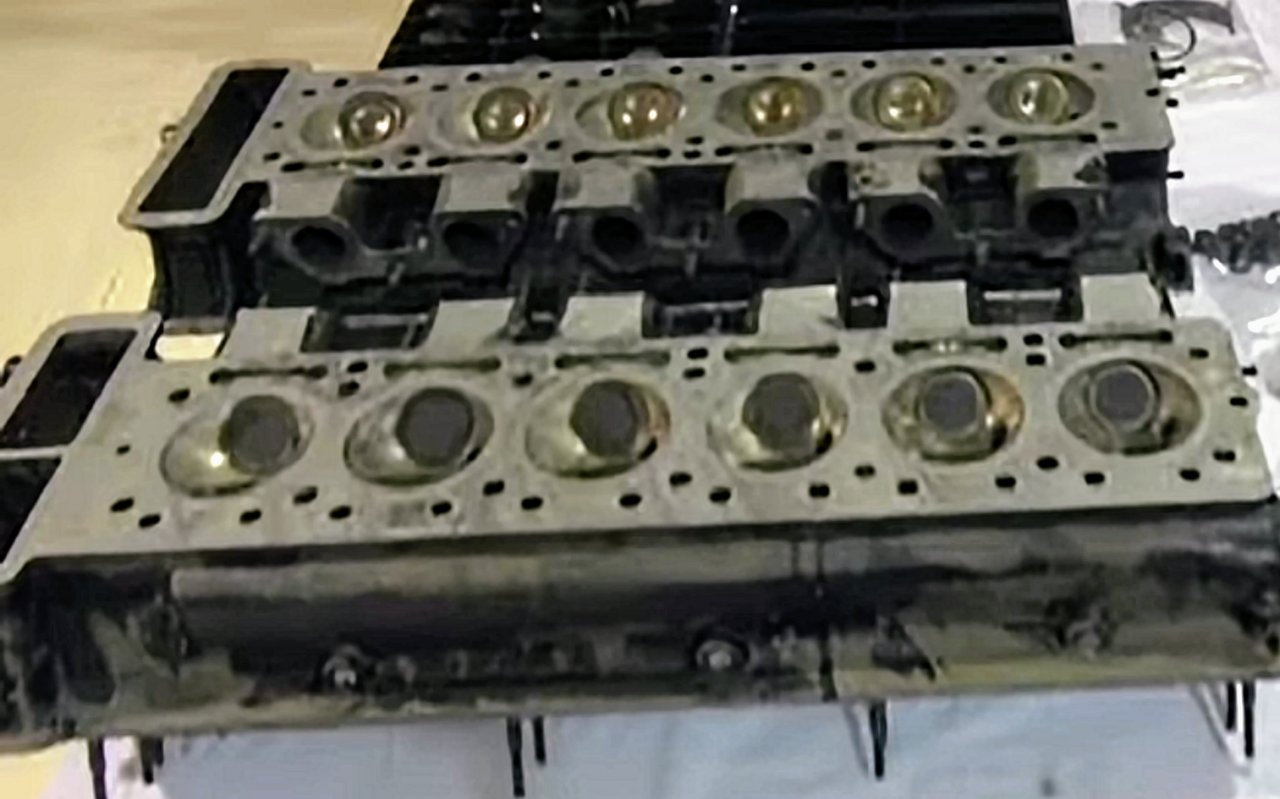
Photo: BitterSweetHorror / Wikimedia Commons · CC BY-SA 4.0

What is Hemi?

Hemi refers to Chrysler's line of V8 engines built with hemispherical combustion chambers, a design tied to some of the most iconic muscle cars and modern trucks.

Hemi is short for hemispherical combustion chamber, a cylinder head design where the roof of each combustion chamber is shaped like half a sphere rather than the flatter wedge shapes used by most engines. This shape allows for larger valves positioned at an angle to each other, which can improve airflow into and out of the cylinder and allow for more efficient combustion at high RPM.

Chrysler introduced its first Hemi V8 in 1951, but the name became legendary with the second-generation 426 Hemi introduced in 1964, a race-bred engine that dominated NASCAR before being detuned for street use in muscle cars like the Dodge Charger and Plymouth Road Runner. The 426 Hemi's reputation for raw power helped define the muscle car era of the 1960s and early 1970s.

Chrysler revived the Hemi name in 2003 with a third-generation engine family used in modern Dodge, Ram, and Jeep vehicles. Despite carrying the Hemi branding, these modern engines use a more conventional, less-than-fully-hemispherical chamber shape for practical reasons like emissions and cost, though they retain the name as a nod to the original design's performance legacy.

Related terms

Muscle carNASCARDynoHorsepower

Frequently asked questions

What does Hemi actually mean?
Hemi is short for hemispherical combustion chamber, a cylinder head design where the chamber roof is shaped like half a sphere to allow larger, angled valves and improved airflow.
What is the 426 Hemi?
The 426 Hemi is Chrysler's second-generation Hemi V8, introduced in 1964 for NASCAR racing and later offered in street muscle cars like the Dodge Charger and Plymouth Road Runner, becoming a defining engine of the muscle car era.
Is the modern Hemi engine still hemispherical?
Not fully. The modern third-generation Hemi, introduced in 2003, uses a more conventional chamber shape for emissions and cost reasons, but retains the Hemi name for its performance heritage.
What vehicles use Hemi engines today?
Modern Hemi V8s are used across Dodge, Ram, and Jeep lineups, including trucks, SUVs, and performance cars, continuing Chrysler's use of the Hemi branding.
Why were hemispherical combustion chambers considered advantageous?
The rounded chamber shape allowed for larger valves set at an angle, improving airflow and combustion efficiency, particularly at high engine speeds, compared to flatter wedge-style chambers.

Hemi on the blog

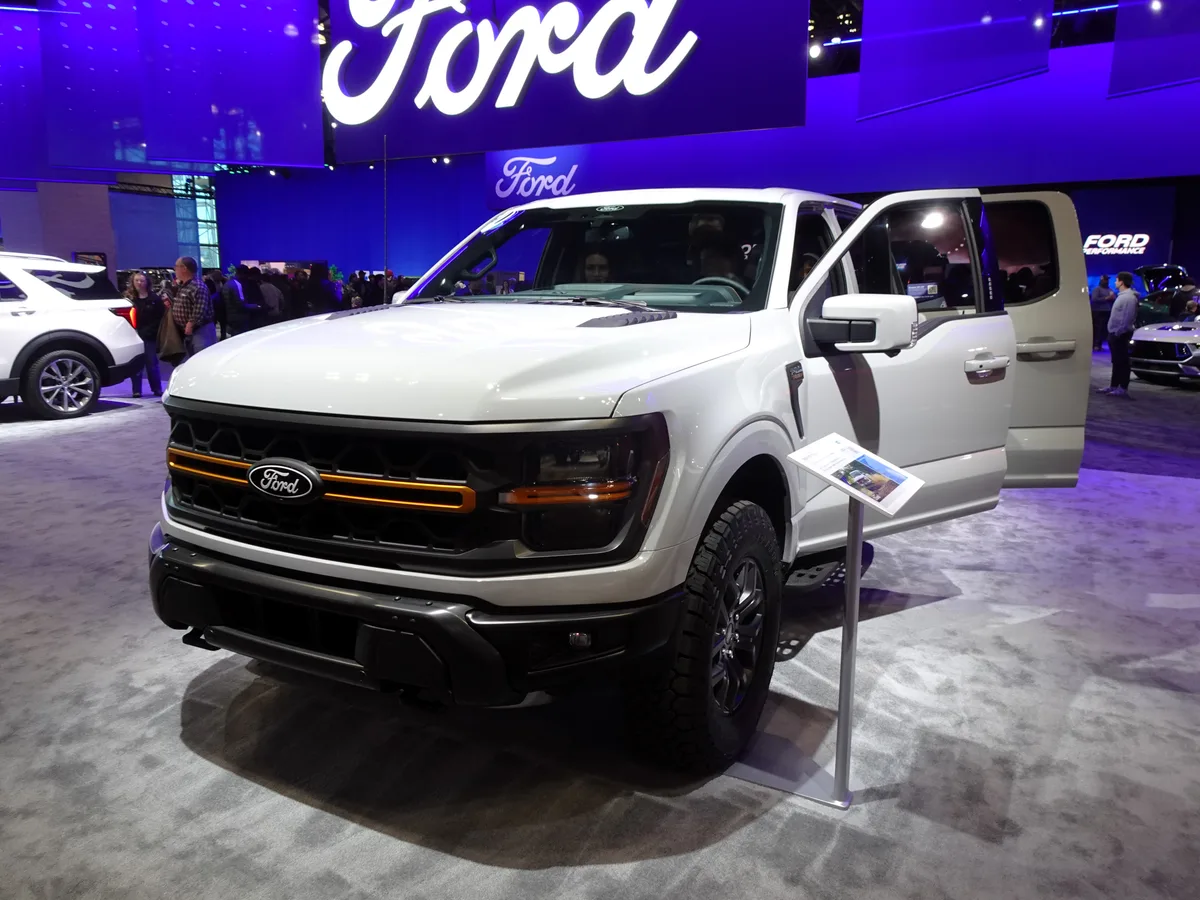
The 2027 Ford F-150 brings the V8 back in the expensive trims

The 2027 Ford F-150 makes the 5.0-liter V8 available from the base XL to the top Platinum again, and the King Ranch and Platinum get it back for the first time since 2023. A new 325 hp 3.0-liter EcoBoost becomes the base engine, and a new Raptor 800A trim starts $4,010 cheaper at $74,995.

What Is a Hellcat Engine?

A Hellcat engine is Dodge's 6.2-liter supercharged HEMI V8, and it landed in 2015 making 707 horsepower in cars anyone could buy. Dodge kept escalating from there, ending with a 1,025 horsepower Demon 170. Here's what's inside it and why it mattered.

Why the Minivan Died (and Why That's a Little Sad)

Americans bought 1.3 million minivans in 2000 and about 306,000 in 2023. The minivan didn't get worse, it got better right up until almost nobody wanted one. The SUV offered the same space with a tougher look, and the soccer-mom stigma finished the job. The cool wagons died in the same wave.

Is Ceramic Coating Worth It?

Ceramic coating is worth it if you care how your paint looks and you understand what you are buying: a semi-permanent chemical layer that protects against UV fade, chemical etching, and dirt adhesion for two to five years. It is not worth it if you expect it to stop rock chips and scratches, because it will not.

Back to Glossary