What is Forced Induction?
Forced induction is the umbrella term for any system, such as a turbocharger or supercharger, that compresses air before it enters the engine to make more power than the engine could produce naturally.
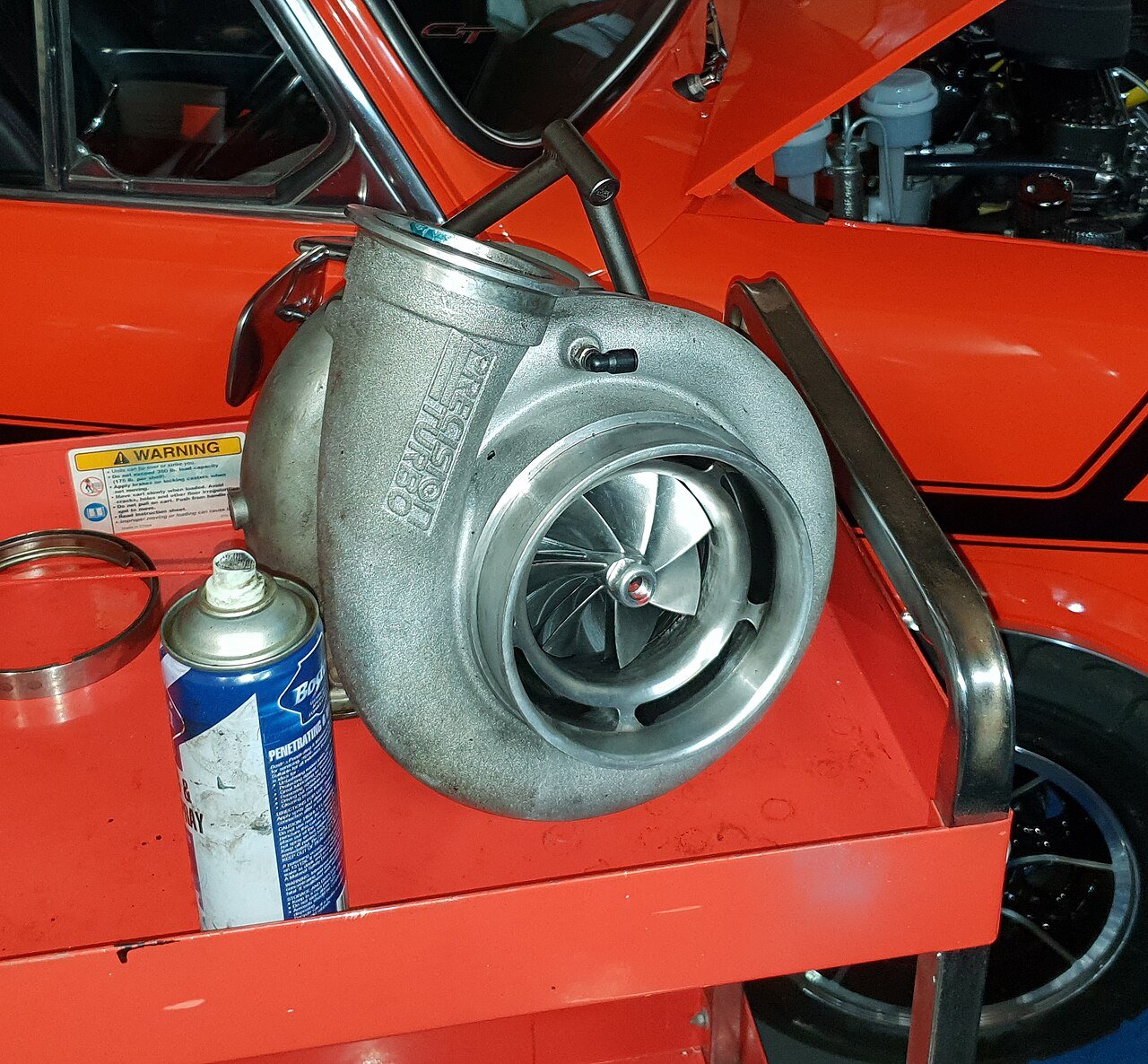
Forced induction describes any method of pushing more air into an engine's cylinders than atmospheric pressure alone would supply. Because an engine makes power by burning a mixture of air and fuel, packing more air into each cylinder allows more fuel to be burned per combustion cycle, producing more horsepower and torque from the same displacement. The two dominant forms of forced induction are turbocharging, which uses a turbine spun by exhaust gases to compress incoming air, and supercharging, which uses a mechanically driven compressor connected directly to the engine by a belt or gear.
The alternative to forced induction is a naturally aspirated engine, which relies solely on atmospheric pressure and the vacuum created by the pistons' downward stroke to draw in air. Forced induction lets manufacturers extract more power from smaller-displacement engines, a strategy widely adopted for fuel economy and emissions reasons since a smaller turbocharged engine can match a larger naturally aspirated engine's output while using less fuel at partial throttle. This downsizing trend accelerated industry-wide through the 2010s as emissions regulations tightened.
Forced induction introduces engineering considerations that naturally aspirated engines do not face, including the need for stronger internal components to handle higher cylinder pressures, intercoolers to cool the compressed and heated intake air, and engine management systems that carefully control boost pressure to avoid detonation. Turbocharged and supercharged engines also typically require higher-quality fuel and more conservative tuning margins to remain reliable over the long term, particularly when boost levels are increased beyond factory specification.