EDM stands for European Domestic Market. It refers to vehicles and parts built for sale in Europe, to European specifications, for European buyers. That is the whole definition. Like JDM and USDM, the label is about the market a car was built for, not simply where the badge comes from. A BMW sold new in Ohio is a European brand, but it is a USDM car, not an EDM one.
EDM gets thrown around a lot, sometimes loosely, so here is what it actually covers and why certain European-market cars are worth crossing an ocean for.
The Literal Definition
Europe has its own emissions rules, safety regulations, tastes, and tax structures, and automakers build cars specifically to fit them. EDM cars are the versions engineered for that market. That can mean different engine tuning, different available gearboxes, different lights, and even different body styles from the ones sold elsewhere.
The counterparts make it clearer. A car built for Japan is JDM. A car built for the United States is USDM. A car built for Europe is EDM. Same nameplate, three markets, three sets of details that can vary more than you would expect.
What Actually Changes on an EDM Car
The differences are not cosmetic trivia. European emissions and noise laws are written differently from American ones, so EDM cars often run different exhaust and intake setups and different engine tunes. Performance versions from Volkswagen, Mercedes-AMG, and Audi have at times been quietly detuned for the US compared to their European specs.
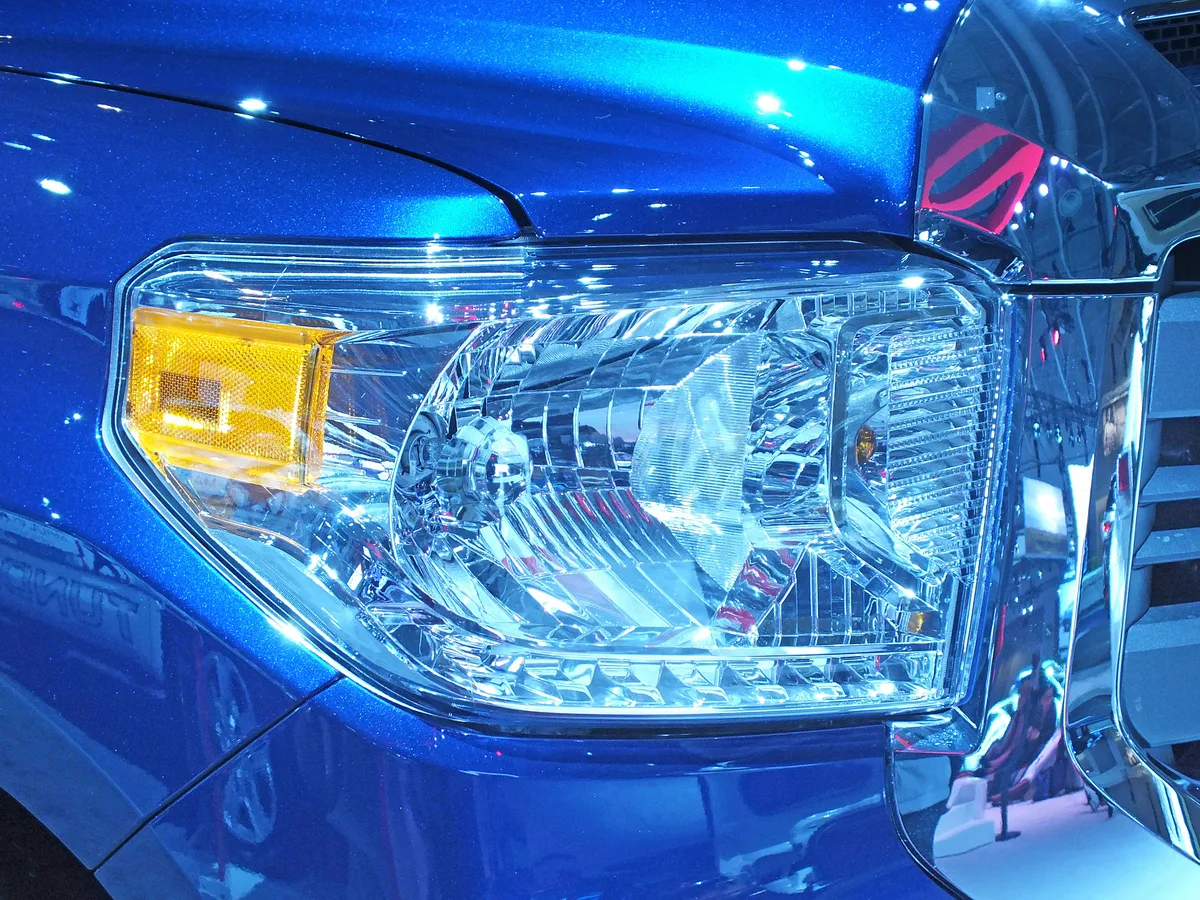
Transmissions differ too. Manuals stuck around longer and in more models in Europe than in the States. Lighting and bumpers are another giveaway: US rules once forced deeper, heavier bumpers and different headlight and signal setups, so an EDM front end can look noticeably cleaner than the American version of the same car.
The Cars We Never Got
The real reason EDM carries weight is the models Europe kept for itself. Fast estate wagons are the classic example. The Audi RS6 Avant, the BMW M3 Touring, and the RS3 Sportback spent years as EDM-only machines that American enthusiasts could only read about. When a car exists but was never sold in your market, it becomes forbidden fruit, and forbidden fruit is what fuels import culture.
This is where EDM starts to rhyme with JDM. Both describe cars that were normal at home and exotic everywhere else, and both feed a grey-market pipeline of people determined to get the version they were not supposed to have.
What Gets Called EDM but Isn't
The most common mistake is treating EDM as a synonym for "European car." A Volkswagen Golf sold new in California is a USDM car, even though Volkswagen is German. It was built to US specs and sold in the US market. It might be a great car. It is not EDM.
The honest middle ground is EDM parts on a USDM car. Fitting European-spec headlights, bumpers, or badges to an American-market car is a real and respected practice, and calling those components EDM is accurate. The line is the same one JDM people draw: describe the parts, not the whole car.
EDM in the Faceoff Arena
An EDM car has an edge in a faceoff for the same reason a JDM import does. It reads as rare and slightly off-pattern to American eyes: the wrong wagon body, the cleaner bumpers, the model that was never supposed to be here. Voters who know cars clock it immediately, and voters who do not still sense they are looking at something unusual.
Upload a genuine European-market car to WhipJury and the comments will sort out fast whether the crowd knows what it is looking at.
Sources:
EDM, USDM, and JDM market differences: COBB Tuning
EDM-spec bumpers, lighting, and detuning for the US market: Monaco Auto Collection
Frequently Asked Questions

Cam Walsh has been obsessing over cars since before he could drive one. Based out of Atlanta, Cam covers automotive design, car culture, and the eternal debate over which whips actually look the part.