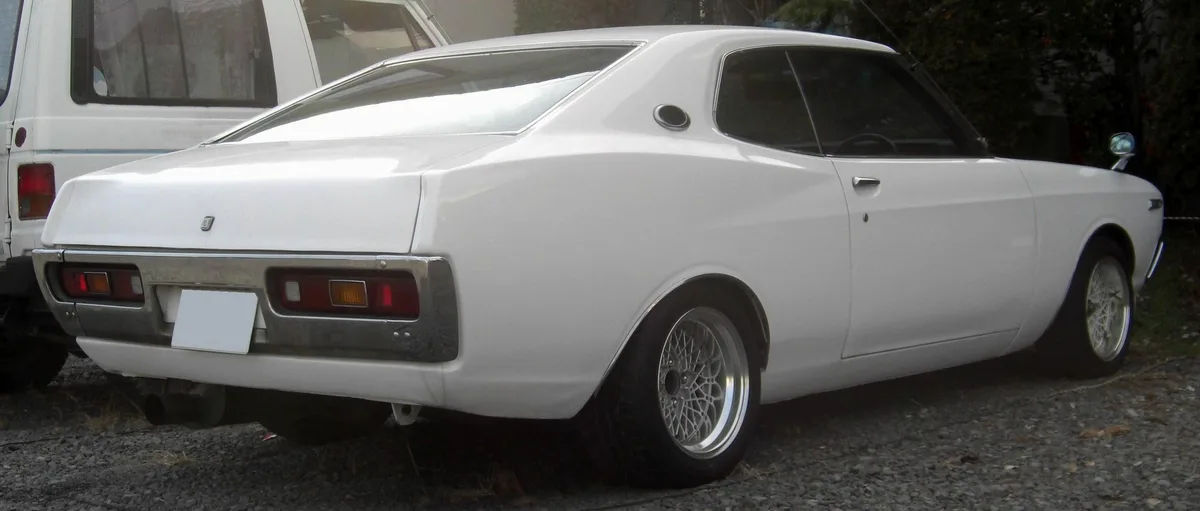
Shakotan means low car. That's it. The word combines the Japanese for chassis and low, and it describes exactly what it sounds like: a car dropped as close to the ground as the owner can stand.
It started in Japan in the 1970s, which makes it the grandparent of every lowered car you've seen since. Modern stance culture came out of this, not the other way round.
What a shakotan build looks like
The core of it is ride height and wheels. Cars sit low enough that the exhaust and oil pan become a genuine concern, and they wear the widest classic Japanese deep-dish wheels that will fit under the arches, usually with a decent amount of negative camber.
Beyond that it stays fairly restrained. A modest front lip, side skirts, mild fender flares, a small rear spoiler, and often an oil cooler mounted out front with braided lines on show. The exhaust is usually a loud, straight pipe. Clean lines matter, and the whole look is built around the car sitting flat and wide rather than being covered in parts.
The base cars are Showa-era Japanese sedans and coupes: the Nissan Laurel, the Cedric, the Toyota Mark II and its relatives. Rear-drive, three boxes, lots of glass.
How it differs from the styles around it
People mix these up constantly, so here's the short version.
Bosozoku is the extreme one, with enormous takeyari exhausts standing up in the air, huge splitters, and paint schemes borrowed from 1970s racing. Kaido racer is the style built to imitate the silhouette race cars of the same era, with wide over-fenders and race liveries. Shakotan sits underneath both as the plainer, older idea that they grew out of.
Then there's oni-kyan, literally demon camber, which is the extreme negative camber you see on some builds. Some shakotan cars run a little camber, but the wheels-splayed-outward look is its own thing and gets a lot more aggressive than shakotan usually goes.
VIP style, or bippu, is the luxury-sedan cousin: same lowness, but on a big Toyota or Nissan luxury car with a completely different attitude.
Why it still works
Lowering a car is the single most effective visual change you can make, and shakotan figured that out first. Dropping the body closes the wheel-arch gap, which is the gap that makes a stock car look like an appliance, and it widens the car visually without touching the bodywork.
The reason the old builds still look right is restraint. A shakotan Laurel isn't trying to look fast. It's a normal shape with the proportions corrected, and that ages far better than a car covered in aero. It's the same logic behind OEM plus, arrived at 40 years earlier.
Got one? Put it up on WhipJury against a stock example and see how much difference ride height really makes.
Sources:
Meaning, origins, and build details: Low Offset
Shakotan versus kaido racer and bosozoku: Stance Auto
Frequently Asked Questions

Cam Walsh has been obsessing over cars since before he could drive one. Based out of Atlanta, Cam covers automotive design, car culture, and the eternal debate over which whips actually look the part.