Two cars in the same color can look completely different, and the reason is usually the finish rather than the color. Metallic, pearl, matte, and satin all handle light in different ways, and each one changes how a car's shape reads. Here's what's actually in the paint, and what it costs you later.
What's in each one
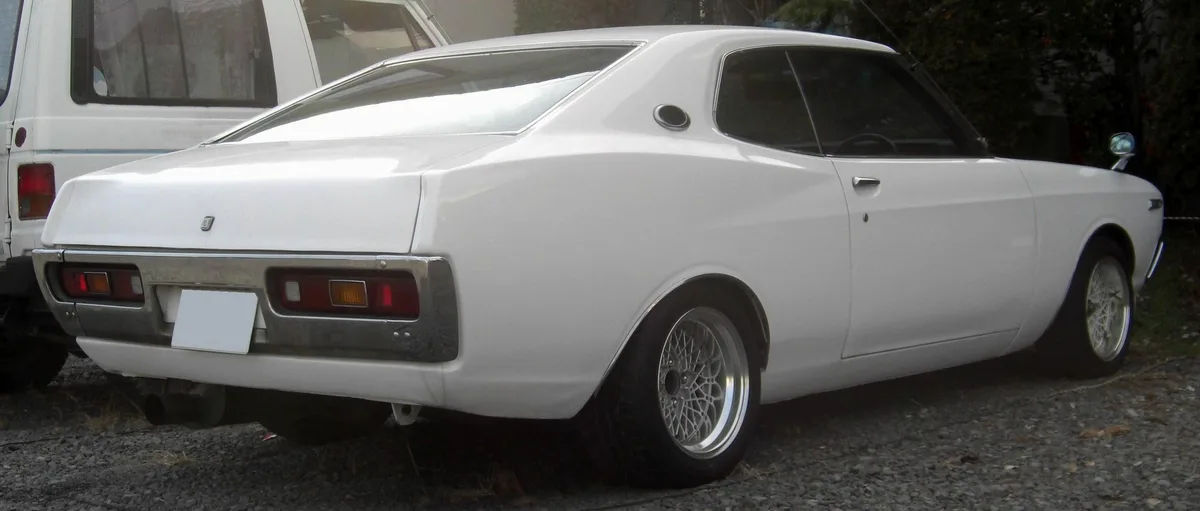
A solid color is just pigment. Light hits it and bounces straight back, so the color looks the same from everywhere and the surface is flat and even.
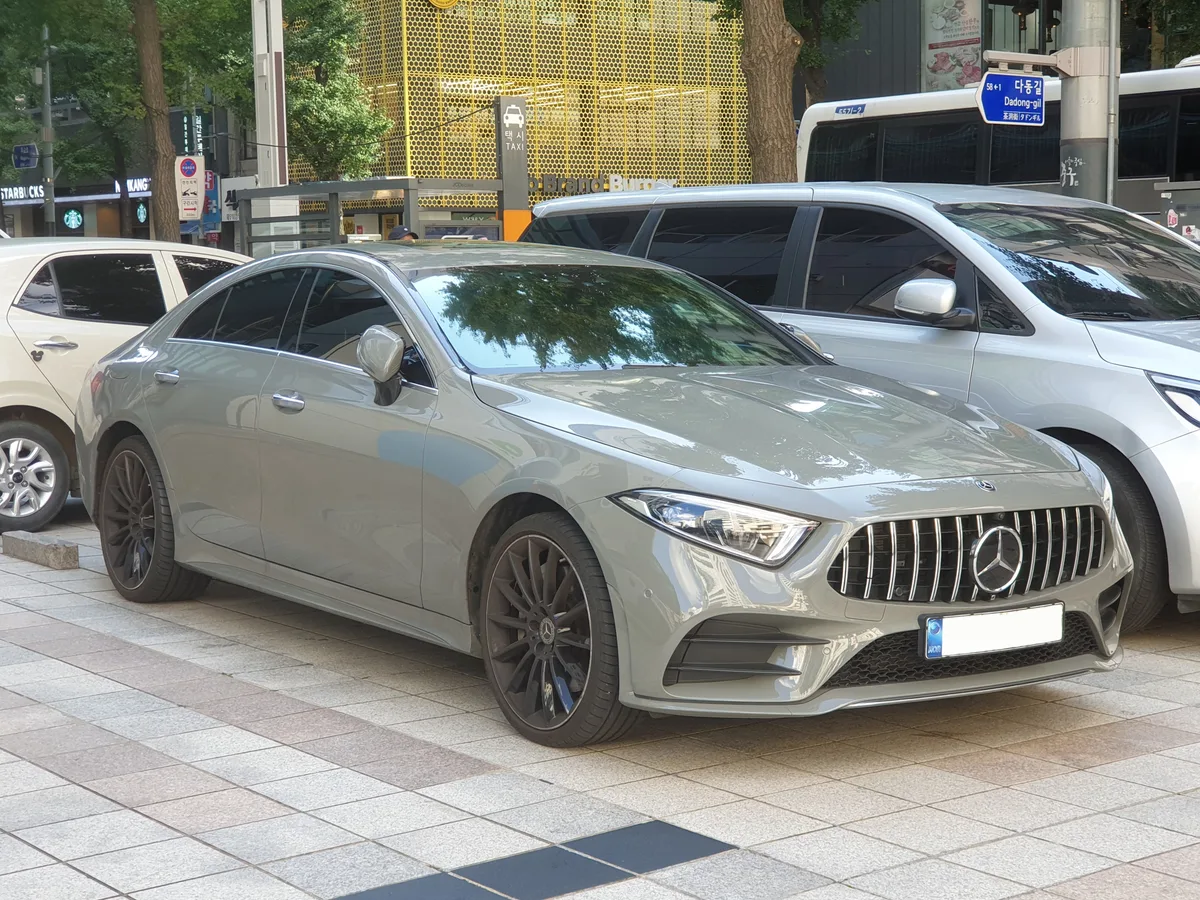
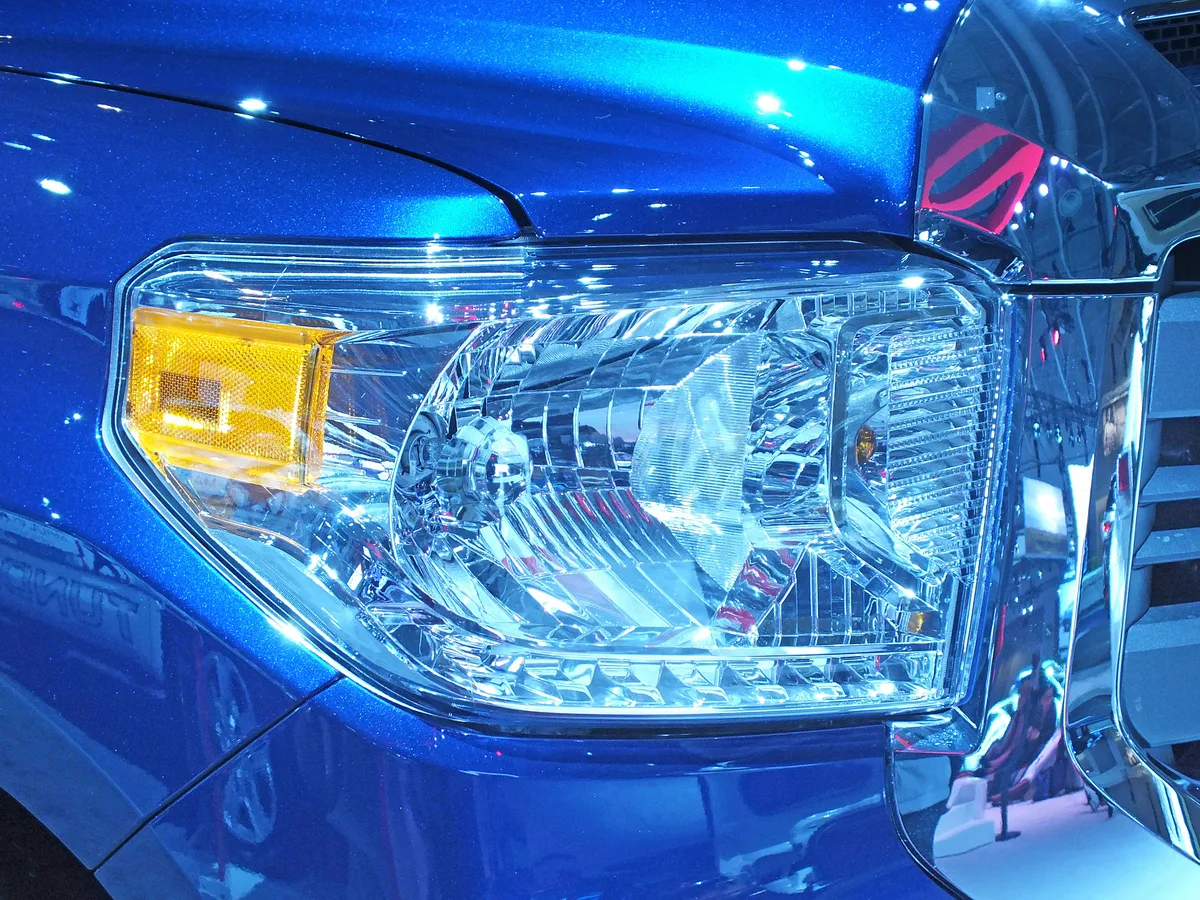
Metallic paint adds fine aluminum flake, small enough that you can't pick out individual particles. Those flakes reflect light, so the paint sparkles and gains depth, and the surface brightens and darkens as you walk around it. That shifting is what makes metallic so good at showing off bodywork, since every crease and curve catches light differently.
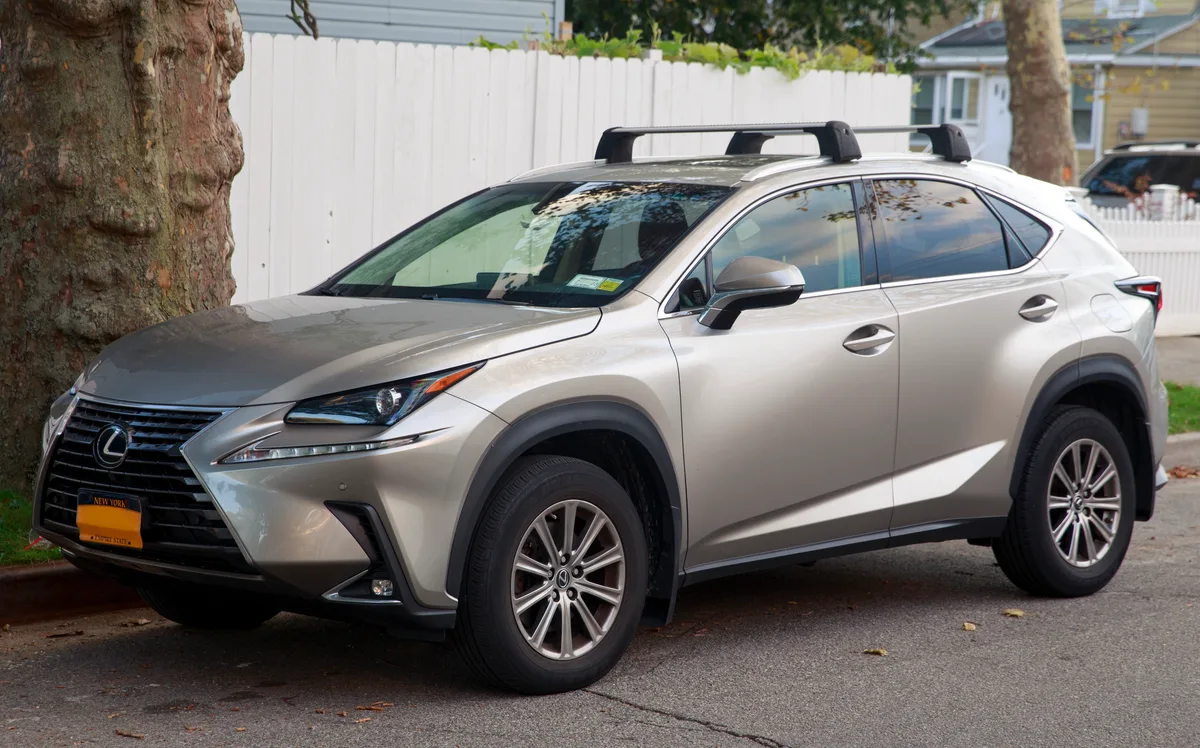
Pearl, sometimes called mica, swaps the metal for microscopic ceramic crystals. These reflect light like metallic flake, and they also refract it, splitting it into different colors as it passes through. That's why a pearl white shifts toward gold or pink depending on the angle. It's a deeper, more complex effect than metallic, and it's why pearl finishes usually cost more.
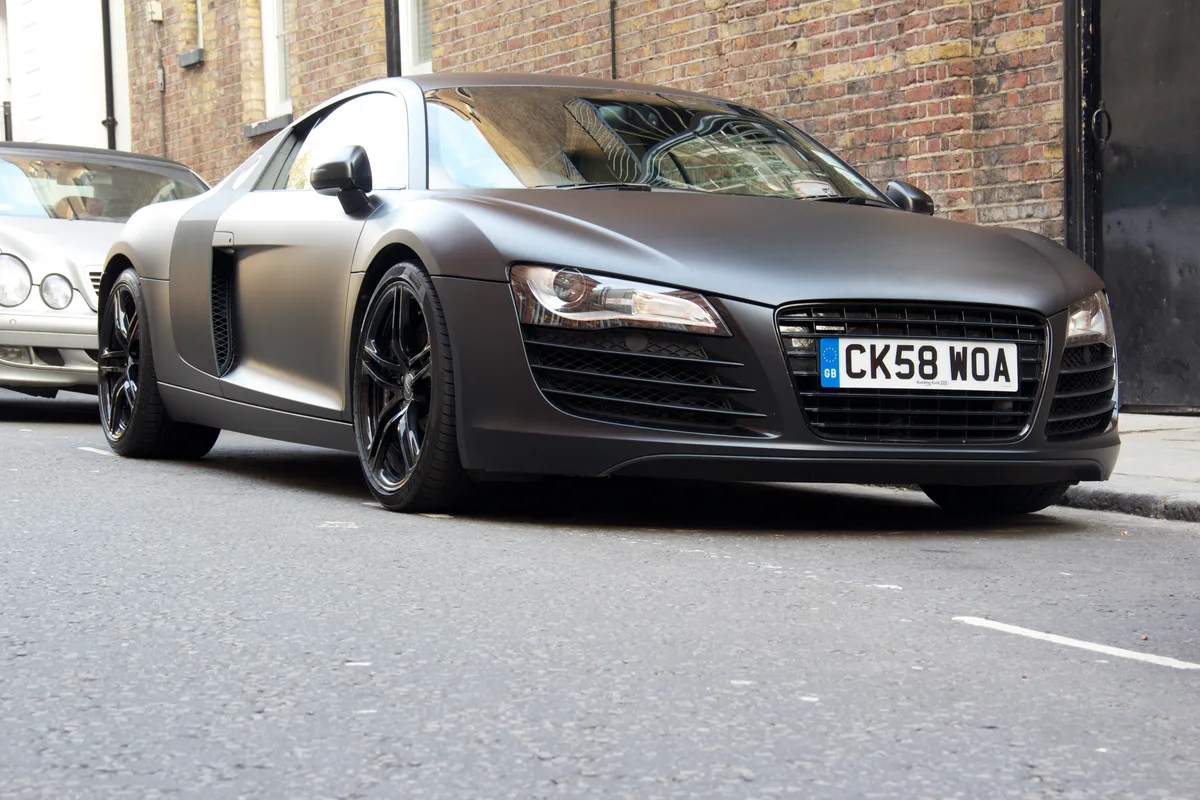
Matte scatters light instead of reflecting it, using a micro-textured surface that kills highlights entirely. Satin sits between matte and gloss, keeping some sheen and color depth without the mirror finish.
What each finish does to a shape
This is the part that matters if you care how a car looks in a photo.
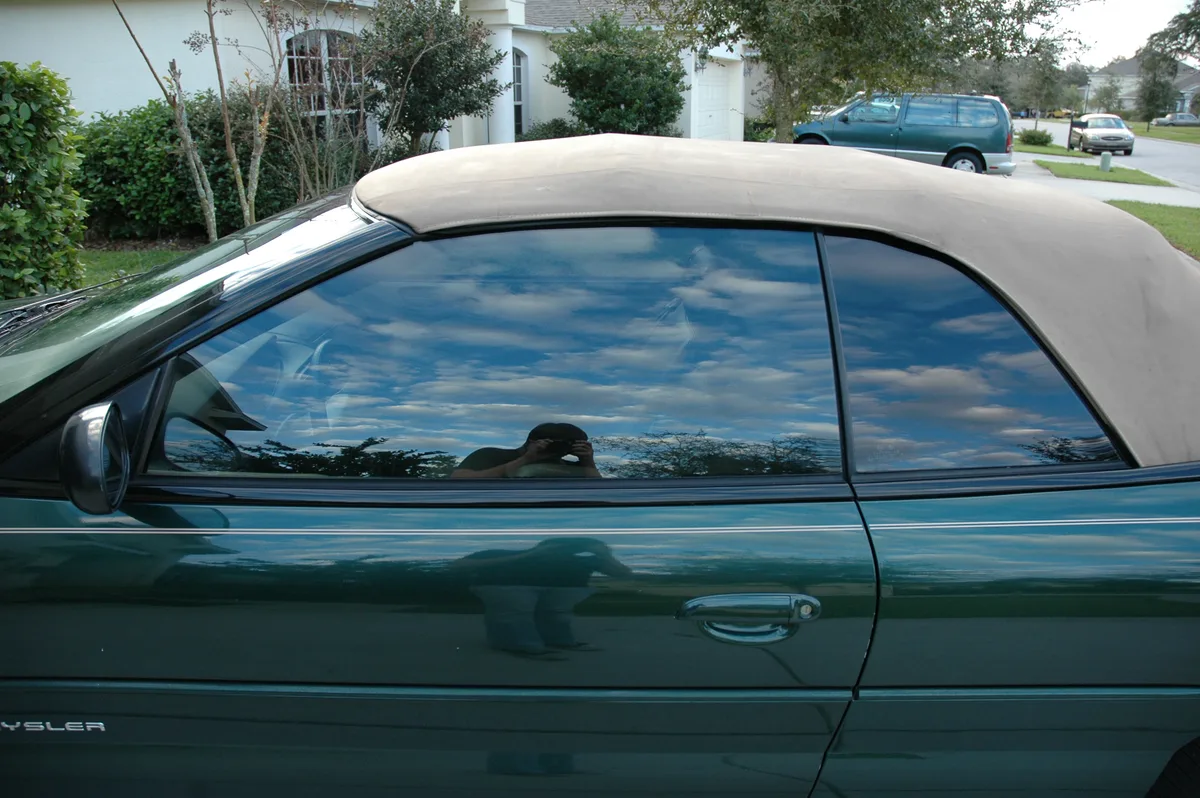
Gloss and metallic finishes work by reflection, so they show a car's surfacing. Highlights run along the shoulder line, the light pools in the curves, and a well-drawn body looks better for it. A badly drawn one looks worse, because reflections show every flat spot.
Matte does the opposite. With no highlights, you stop seeing reflections and start seeing the raw form, so the car reads as a solid object. It flatters aggressive, angular cars and can make soft, rounded ones look shapeless, which is why matte turns up on hard-edged performance cars and rarely on anything curvy.
Pearl is the one that photographs best in mixed light, because the color shift gives an image variation that flat paint doesn't have. That's a real consideration on a site where cars are judged from photos.
The repair bill nobody mentions
Finishes are not equally easy to fix, and this is worth knowing before you choose one.
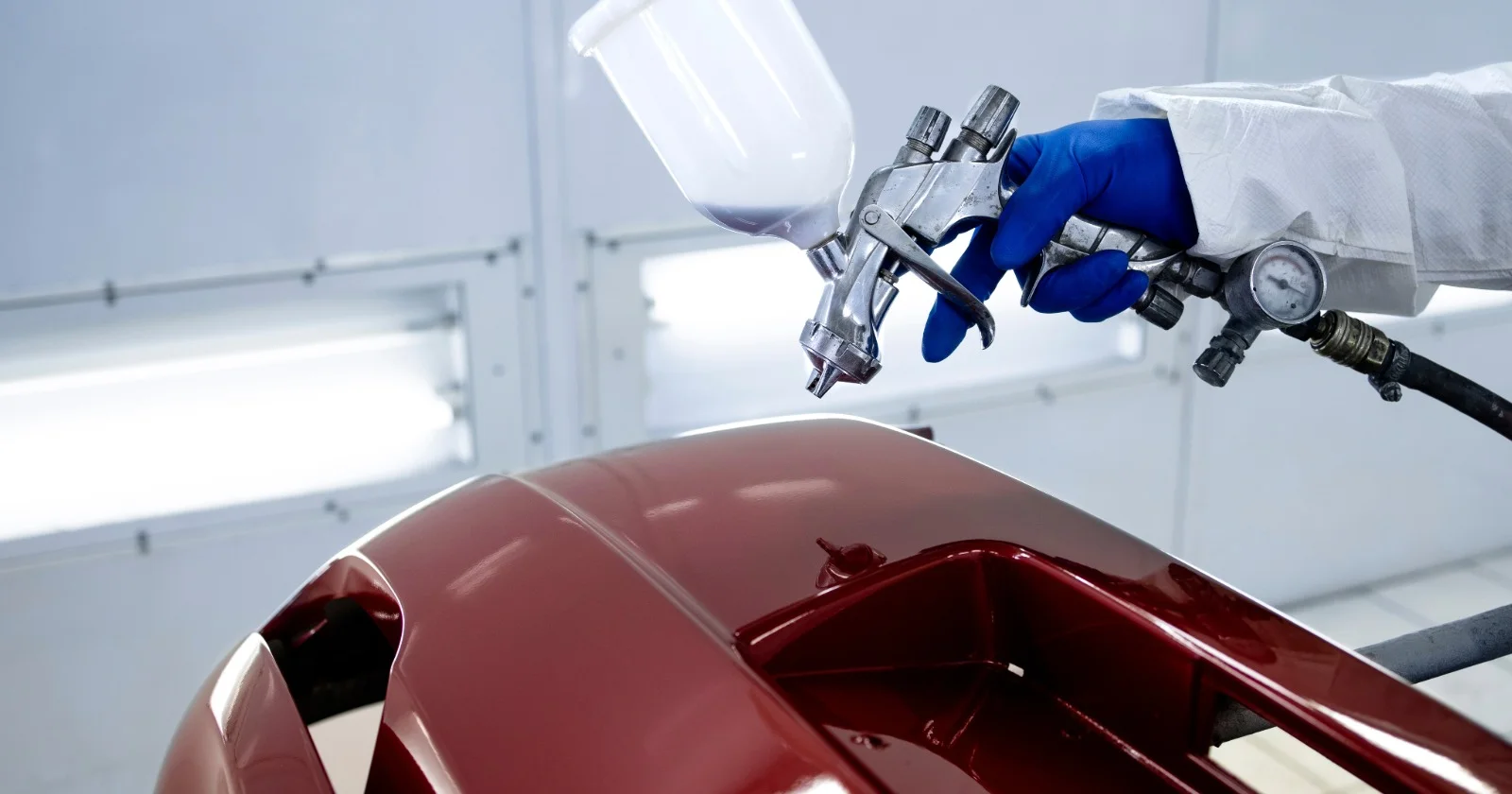
Metallic costs roughly 10 to 20 percent more to refinish than a solid color, because the flake has to be laid down evenly or the repair shows as a patch. Pearl is harder still, since the effect is built from multiple layers that have to be matched.
Matte is the expensive one. Estimates run 40 to 50 percent above standard paint, and the reason is that a matte clear coat cannot be polished. A scratch that would buff out of gloss paint means refinishing the whole panel, and you cannot wax or machine-correct it the normal way.
None of that makes matte a bad choice. It just means the price of that look is ongoing rather than one-off. Put two finishes of the same color head to head on WhipJury and see which one the crowd actually rewards.
Sources:
Metallic and pearl composition and how each reflects light: Auto Body Toolmart
Matte and satin characteristics and refinishing costs: Miller Coatings
Frequently Asked Questions

Jeffrey Wiley has spent more time than he'd like to admit thinking about what makes a car look right. He writes about automotive design, car culture, and the opinions people have strong feelings about. He lives in north Georgia.