A ricer is a car that's been modified to look fast without being made any faster. A huge wing on a front-wheel-drive economy car, a fart-can muffler, stick-on vents, a body kit that doesn't fit, racing stripes and sponsor decals for sponsors the car doesn't have. The car underneath is usually a cheap Japanese compact, and the person who built it is usually young.
The word is an insult, it's everywhere in car culture, and it has an ugly origin that most people using it don't know about. Here's the full picture.
Where the word actually came from
The term goes back to "rice burner," which American motorcycle riders used in the 1960s and 1970s for Japanese bikes as they started outselling British and American ones. It was an ethnic jab, tying the machines to Asian food, and it carried the resentment of an industry losing to Japan. When Japanese cars followed the same path in the 1980s and 1990s, the word came with them, and "rice rocket" and then "ricer" attached to modified Hondas and Toyotas.
You'll see people claim it stands for Race Inspired Cosmetic Enhancement. That's a backronym, invented after the fact to make the word sound like it was only ever about the mods. The origin is the slur, and the acronym is the cover story.
Over time the meaning did shift. Today most people who say ricer mean the style rather than the nationality, and you'll hear it aimed at a Mustang with a stick-on hood scoop as readily as at a Civic. But the word never fully lost its edge, and if you say it around people who grew up with the original version, they'll hear it.
What separates a ricer from a real build
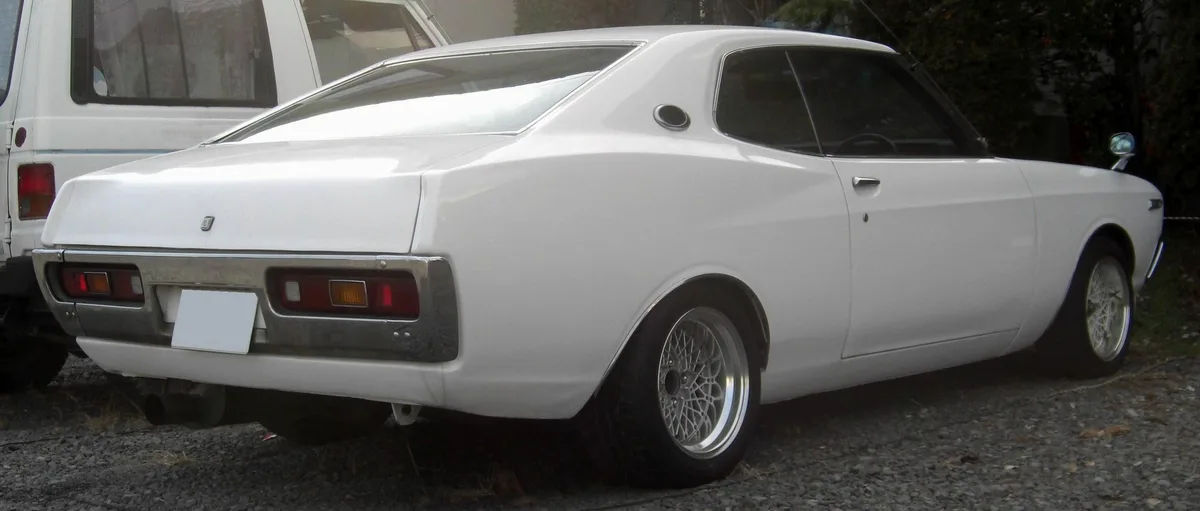
The line is function. The JDM scene that ricers are imitating is built on cars that were made faster first, and where the visual changes follow from that. A real widebody exists to cover wider tires. A real wing exists on a car with enough power to need downforce. A real intake is there for airflow. A ricer copies the shapes and skips the reasons.
That's why enthusiasts get so worked up about it. Some of the most respected builds in the world are cheap, so money has nothing to do with it. A ricer wears the uniform of a discipline without doing the work, and people who did the work notice.
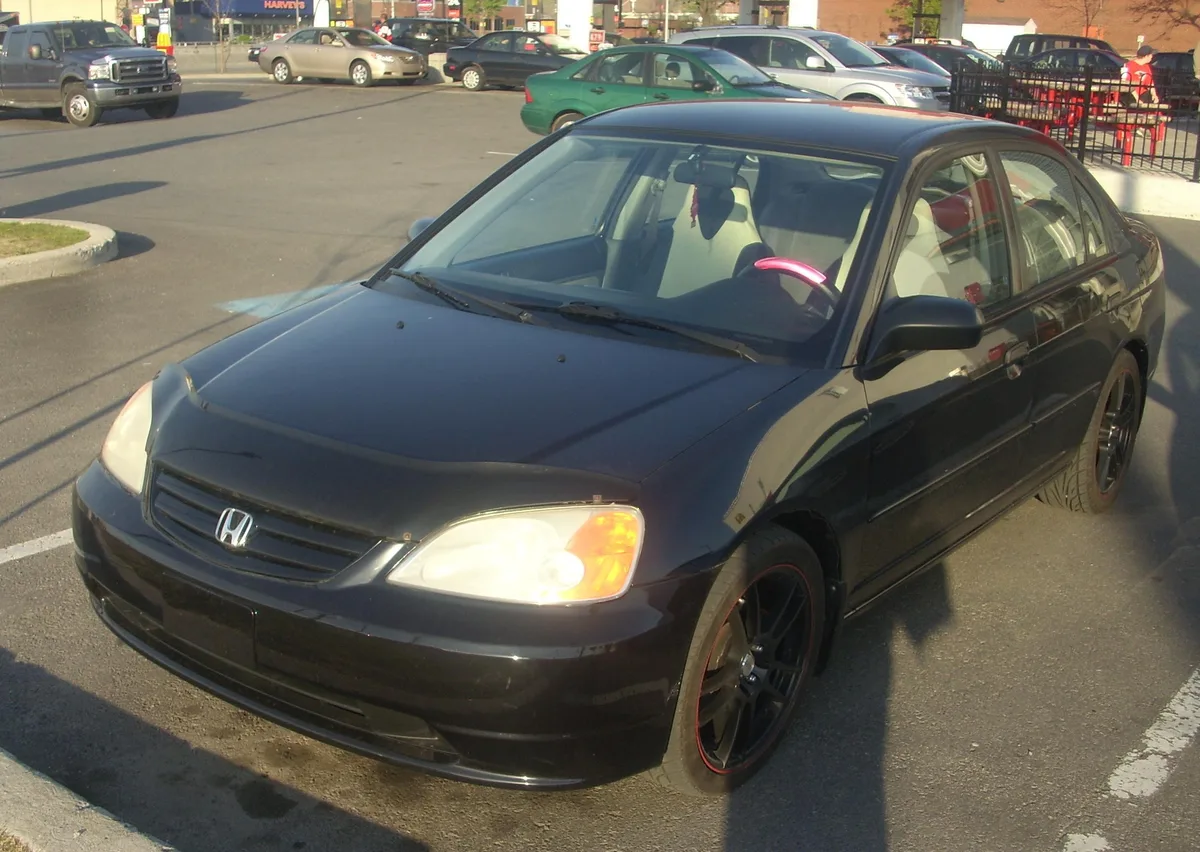
It's also worth saying who gets the label unfairly. A teenager with a $2,000 Civic and a wing is doing exactly what every car enthusiast did at that age, with the budget they had. Plenty of legendary builders started with a car that would have been called a ricer. The style is a phase, and a lot of the best OEM-plus and sleeper builds are owned by people who were once embarrassed by their first car.
The industry does it too
Here's the part that undercuts the whole insult. Manufacturers now sell brand-new cars with fake exhaust tips, fake vents, fake diffusers, and body kits that do nothing, and they charge for it. A ricer is a kid gluing a vent to a Civic. A modern crossover with a plastic diffuser molded around a hidden tailpipe is a corporation doing the same thing at scale, and nobody calls it that.
So the useful version of the word is about honesty, not about who's driving. A car that looks like what it is, at any price, is the real thing. A car that dresses up as something it isn't is a ricer, whether it came from a garage or a factory.
Which is a fun thing to vote on. Put a stock Civic against a fully kitted one on WhipJury and see whether the crowd rewards the effort or the restraint.
Frequently Asked Questions

Cam Walsh has been obsessing over cars since before he could drive one. Based out of Atlanta, Cam covers automotive design, car culture, and the eternal debate over which whips actually look the part.