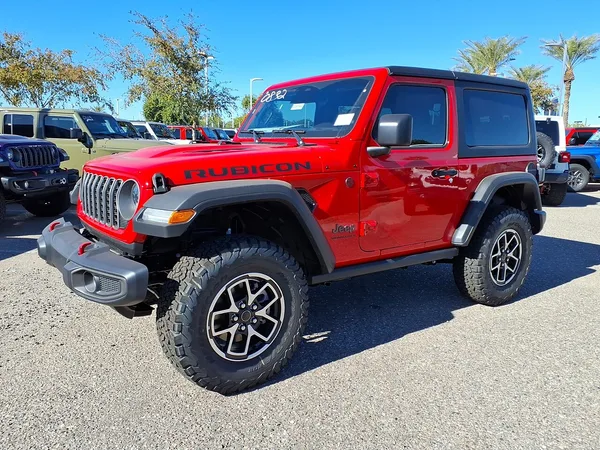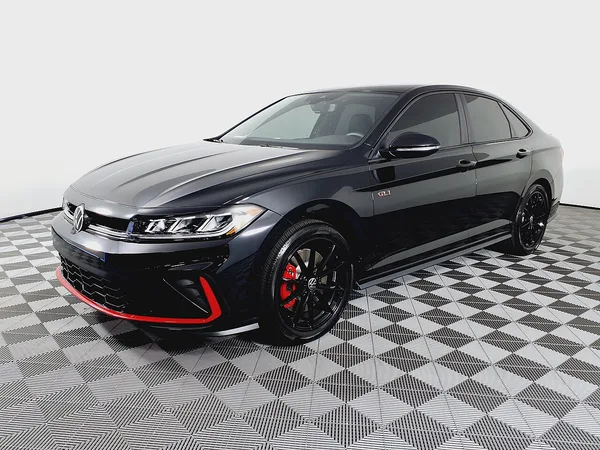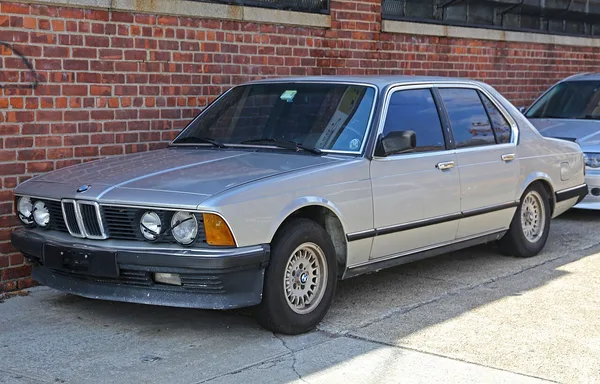
USDM stands for United States Domestic Market. It's the label for cars, parts, and equipment built to be sold in the United States, to American rules. It's the US version of JDM, which means a car was built for Japan, and EDM, which means it was built for Europe.
Where a car was built doesn't decide it. Motor1 uses the Honda NSX as the example: the car was built in Japan, "but the Acura-badged version was intended for the U.S. market, making it technically USDM rather than JDM." What makes a USDM car look different is mostly federal rules. A few of them changed the look of American cars for decades.
The rules that shaped USDM cars
Side marker lights. The federal lighting standard, known as FMVSS 108, requires amber side marker lamps on each side of a car as far forward as practical, and red ones as far back as practical. Those small lights on the corners of American cars are the easiest USDM tell. They showed up fast. A 1983 National Highway Traffic Safety Administration (NHTSA) report said side markers were "voluntarily installed on most model year 1968 cars and light trucks," two years before the standard required them. Every 1970 and later model had the full set. The same standard lets rear turn signals be amber or red, so red rear blinkers are legal here.
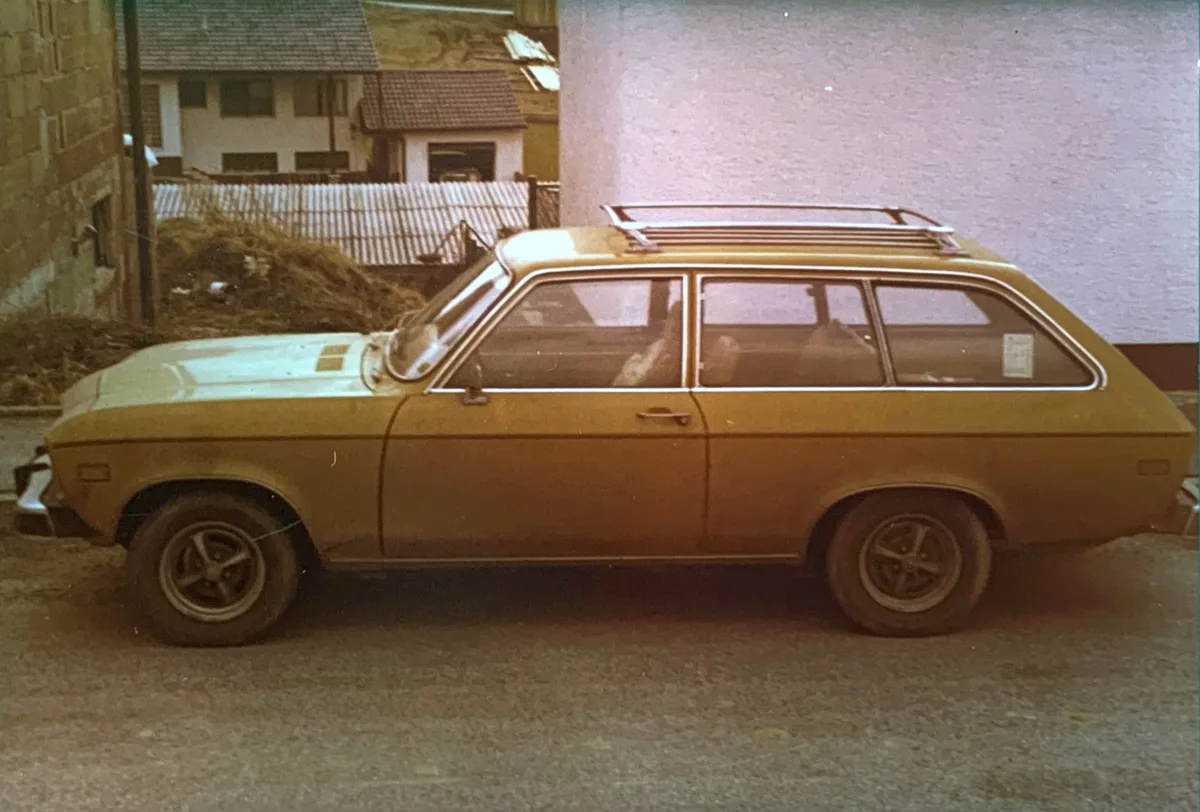
5 mph bumpers. The federal bumper standard took effect on September 1, 1972, with a 5 mph test for the front and 2.5 mph for the rear. For the 1974 model year, it became 5 mph front and rear. Automakers answered with big, heavy bumpers that stuck out from the body.
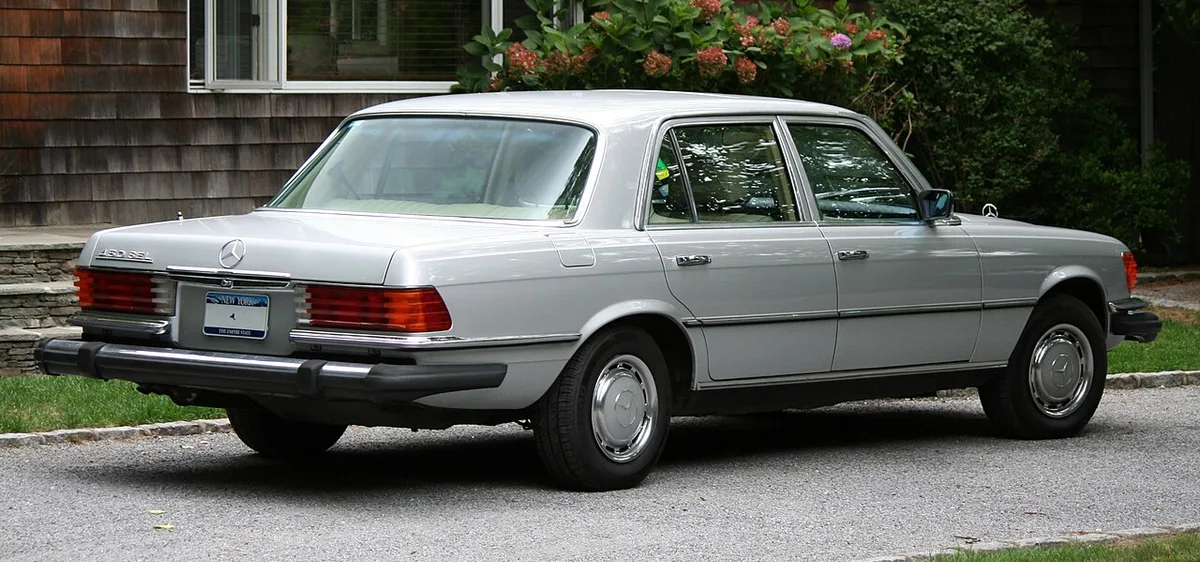
The rule eased up in 1982. NHTSA cut the test speed from 5 mph to 2.5 mph, starting with 1983 and later model year cars. Today's standard uses tests at 1.5 mph and 2.5 mph.
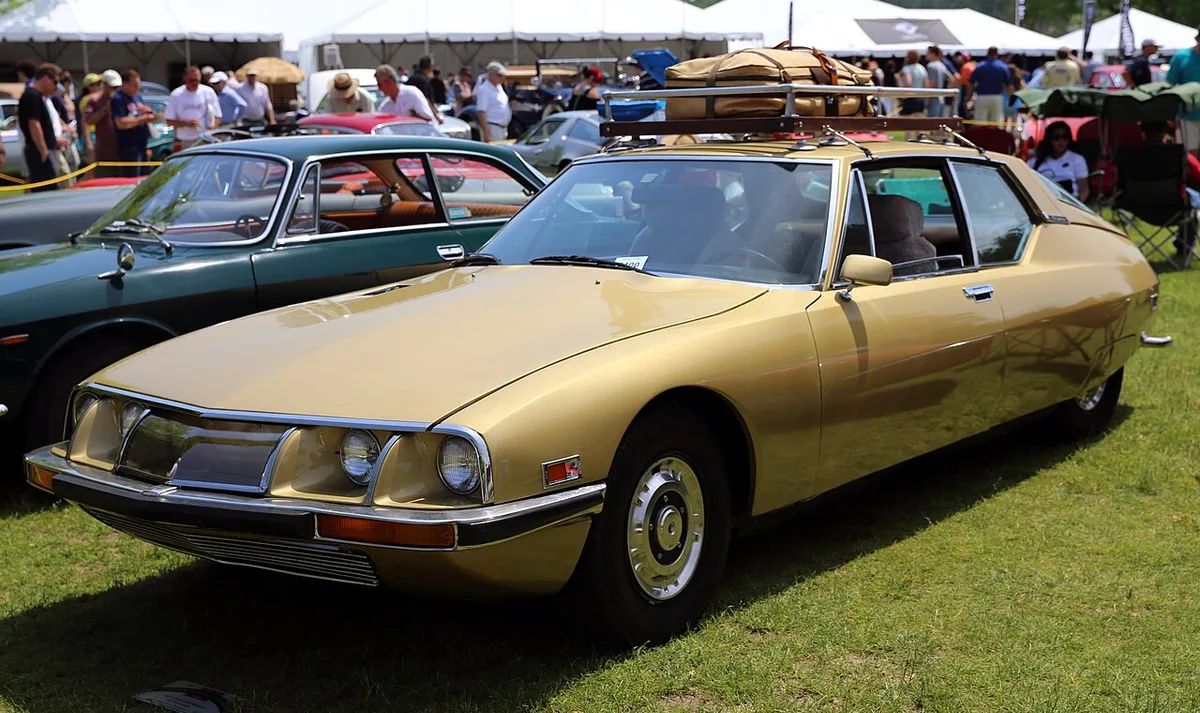
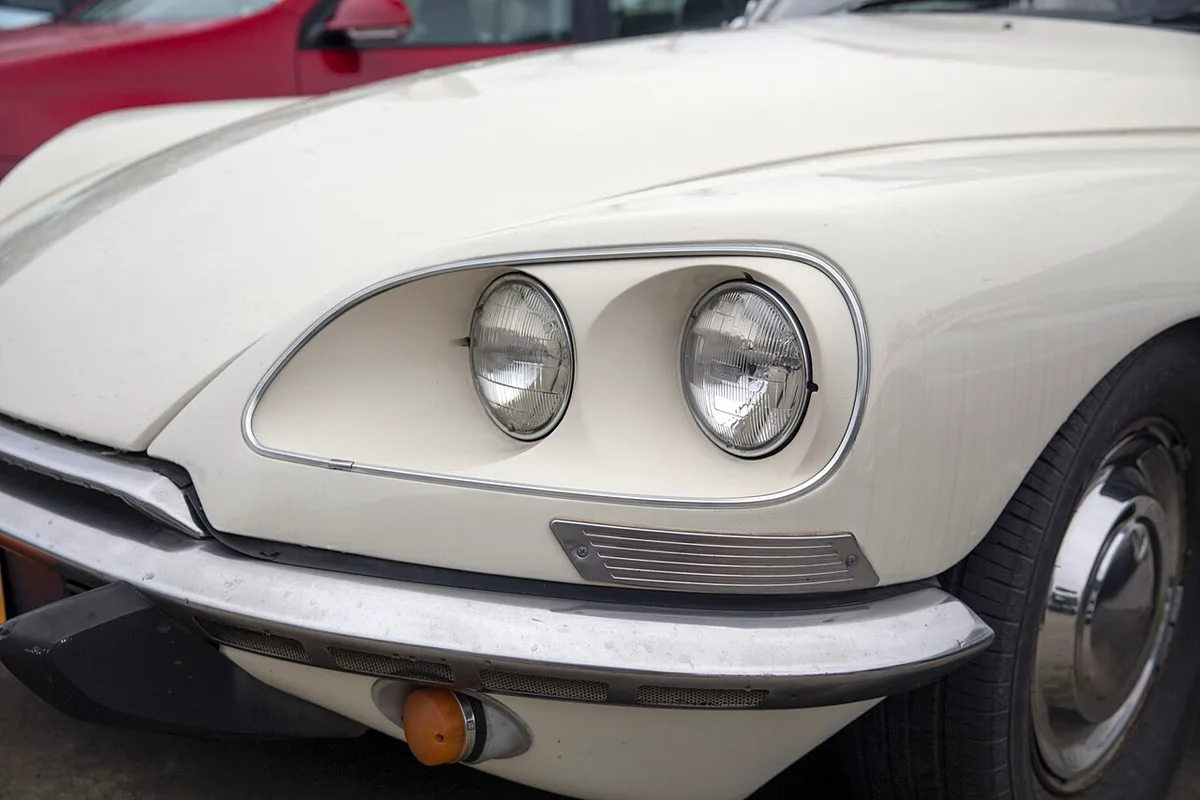
Sealed-beam headlights. Starting in 1940, every vehicle sold in the US had to use a pair of round, 7-inch sealed-beam headlights, according to Hagerty. Four headlights were allowed in 1957, and rectangular ones in 1975. It wasn't until 1983 that Ford convinced regulators to allow modern composite headlights, and the 1984 Lincoln Mark VII was the first car sold here with them.
The rule forced some odd-looking conversions. Hagerty points to the US versions of the Citroën DS and SM, which had to wear four round lamps.
The 25-year rule
USDM matters most when you want a car that was never sold here. NHTSA's rule is short: "A motor vehicle that is at least 25 years old can be lawfully imported into the U.S. without regard to whether it complies with all applicable FMVSS."
A newer car that wasn't built to US standards generally can't come in for keeps unless NHTSA rules it eligible. That's why a JDM car shows up on American roads the year it turns 25, and why gray-market imports follow a calendar. It's a big part of why the Nissan Skyline GT-R stayed out of reach for most Americans for so long.
Bumpers have their own date. US Customs and Border Protection says cars built after September 1, 1978, also have to meet the bumper standard.
A car can switch sides, too. Some owners fit their USDM cars with JDM or EDM lights and bumpers to get the look the car had in its home market. The USDM entry in our glossary covers the short version, and you can put a USDM car against its JDM twin on WhipJury.
Sources:
The NSX example: Motor1
Side marker and turn signal requirements: 49 CFR 571.108 (eCFR)
Side marker history: NHTSA report DOT HS 806 430
Bumper standard history: NHTSA report DOT HS 807 072
Current bumper test speeds: 49 CFR Part 581 (eCFR)
Sealed-beam headlight history: Hagerty
The 25-year rule: NHTSA and 49 CFR 591.5 (eCFR)
Import bumper rule: US Customs and Border Protection
Frequently Asked Questions

Cam Walsh has been obsessing over cars since before he could drive one. Based out of Atlanta, Cam covers automotive design, car culture, and the eternal debate over which whips actually look the part.