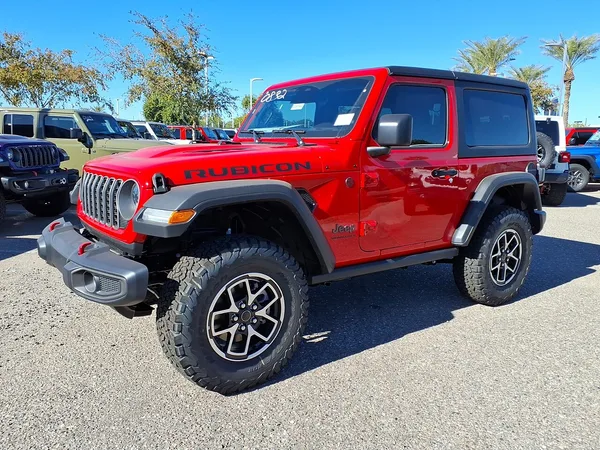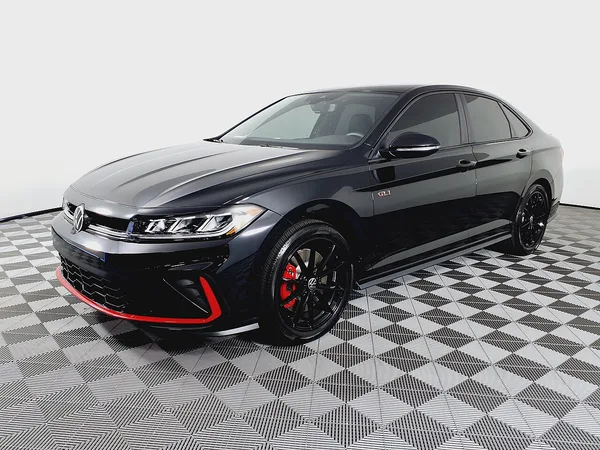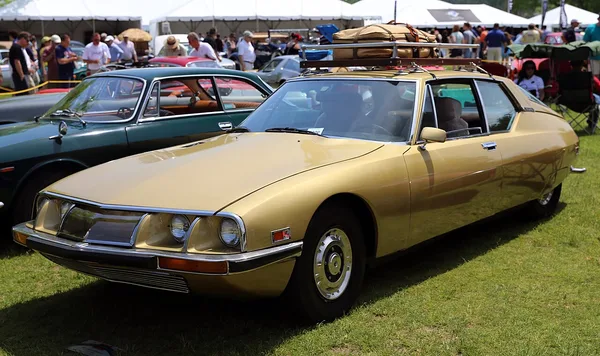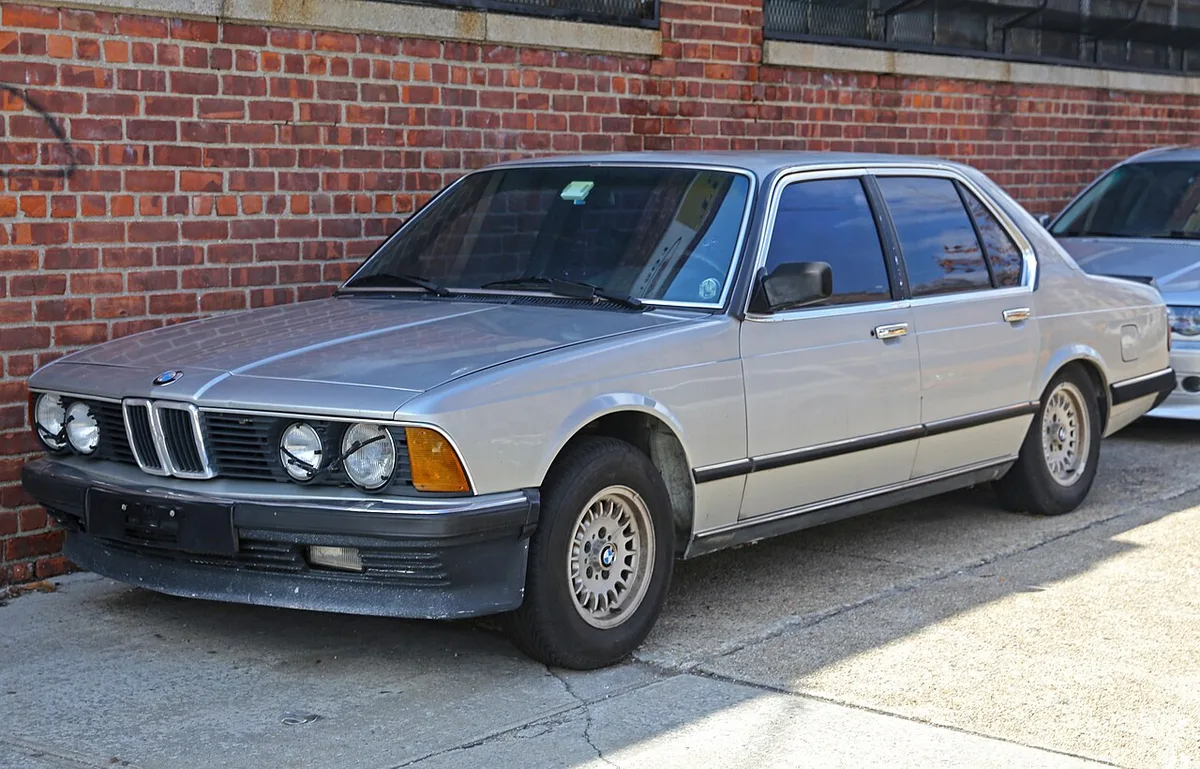
A gray market car is a vehicle that was never certified to meet US safety standards, usually because it was built for another country. The National Highway Traffic Safety Administration (NHTSA) uses the term for cars that are not US or Canadian certified. Those cars can still end up on American roads, but only through specific legal paths.
The 1980s boom
Gray market imports took off in the 1980s. A 1987 report by the US General Accounting Office counted nonconforming vehicles that needed modification rising from about 2,400 a year in 1980 to about 66,900 in 1986.
Money drove it. Hagerty points to a weak German mark and a strong US dollar in the 1980s, when many of the cars coming in were European-spec Mercedes-Benz and BMW models.
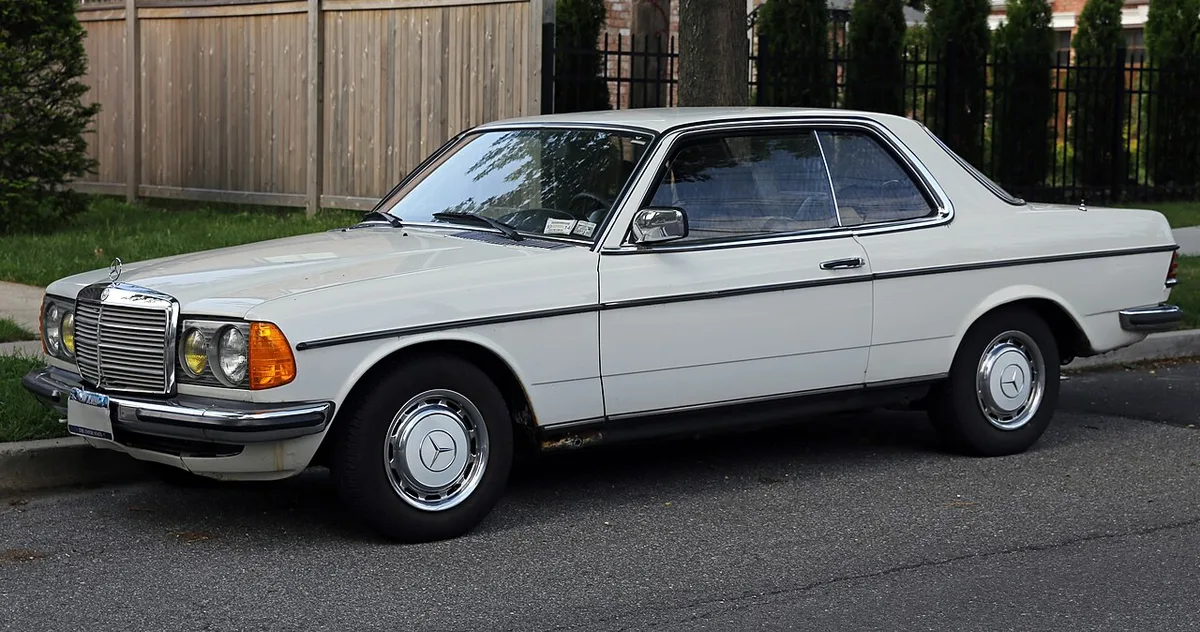
Back then, an importer could bring in a nonconforming car, as long as they showed within 120 days that it had been brought into compliance with federal standards.
The 1988 law
Congress closed that door with a 1988 law, H.R. 2628, which became Public Law 100-562 on October 31, 1988. It took effect on January 31, 1990. From then on, only vehicles capable of being modified to meet the standards could be imported, and the modifications had to be done by registered importers, or RIs.
That's still the system. "Only an RI may import nonconforming vehicles for resale," NHTSA says, and the agency decides eligibility on a make, model, and model year basis. The importer has to post a bond worth 150 percent of the car's declared value to guarantee the work is finished within 120 days.
The 25-year rule
Age is the other way in. Federal law exempts "a motor vehicle that is at least 25 years old" from the safety standards, and NHTSA counts the 25 years from the date of manufacture. It's the route many older Japanese cars, like the Nissan Skyline GT-R, take to American owners.
Emissions rules are separate. The Environmental Protection Agency lets a car that is 21 or more years old and in its original, unmodified configuration come in without meeting US emissions standards. The EPA counts by calendar year, subtracting the year the car was built from the year it's imported. Newer non-US cars have to go through an EPA-approved Independent Commercial Importer. At the border, US Customs and Border Protection requires EPA form 3520-1 and DOT form HS-7.
Show or display
One more exemption covers rare, important cars. A 1998 law added "show or display" to the import rules, and NHTSA's 1999 rule limits those cars to 2,500 miles a year. The agency's own example of the kind of car it had in mind was the McLaren F1. NHTSA generally won't approve a model for show or display if more than 500 were made.
For the rest of the import vocabulary, see our gray market import glossary entry and our explainer on what JDM actually means. You can rate imports and their US-market twins on WhipJury.
Sources:
NHTSA's gray market term, bond, eligibility, and the 25-year count: NHTSA
Registered importers: NHTSA
1980s import numbers: US General Accounting Office (1987)
Why the boom happened: Hagerty
The 1988 law: Congress.gov
Effective date, the RI requirement, and the old 120-day rule: Federal Register (2011)
The 25-year exemption: 49 U.S.C. 30112
The EPA 21-year exemption and age counting: EPA
Independent Commercial Importers: EPA
Import forms: US Customs and Border Protection
Show or display: Federal Register (1999)
Photos via Wikimedia Commons: Vetatur Fumare (CC BY-SA 2.0) and Mr.choppers (CC BY-SA 3.0)
Frequently Asked Questions

Cam Walsh has been obsessing over cars since before he could drive one. Based out of Atlanta, Cam covers automotive design, car culture, and the eternal debate over which whips actually look the part.