Lincoln Cars
Muscle · 17 models

Ford luxury arm. The Continental defined American personal luxury. The Mark series and Navigator carry the modern flag.
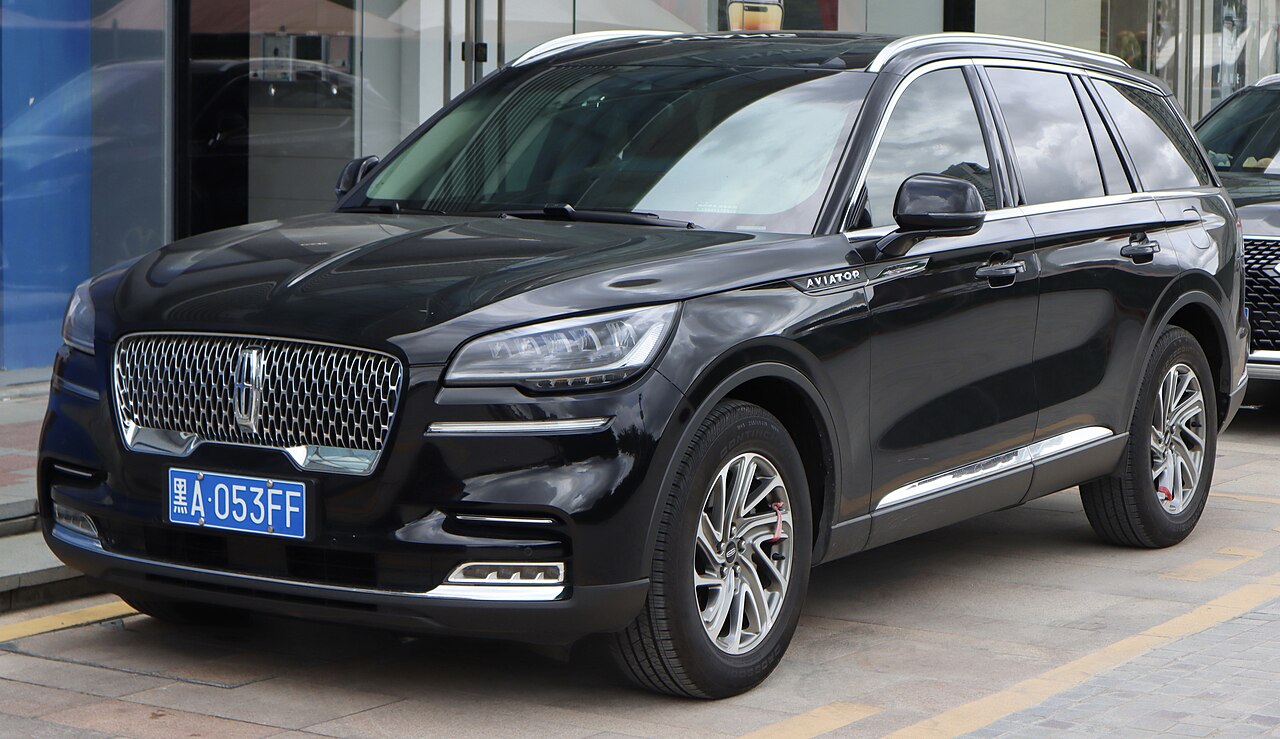
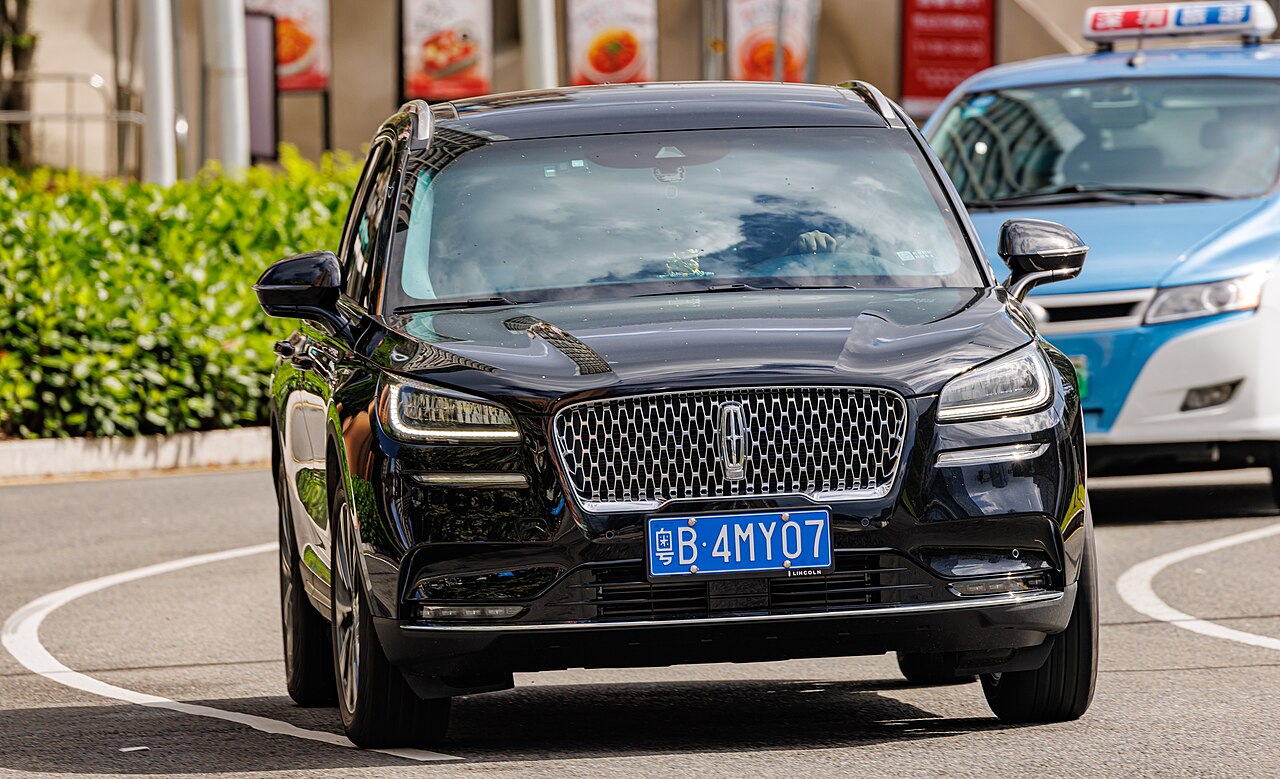
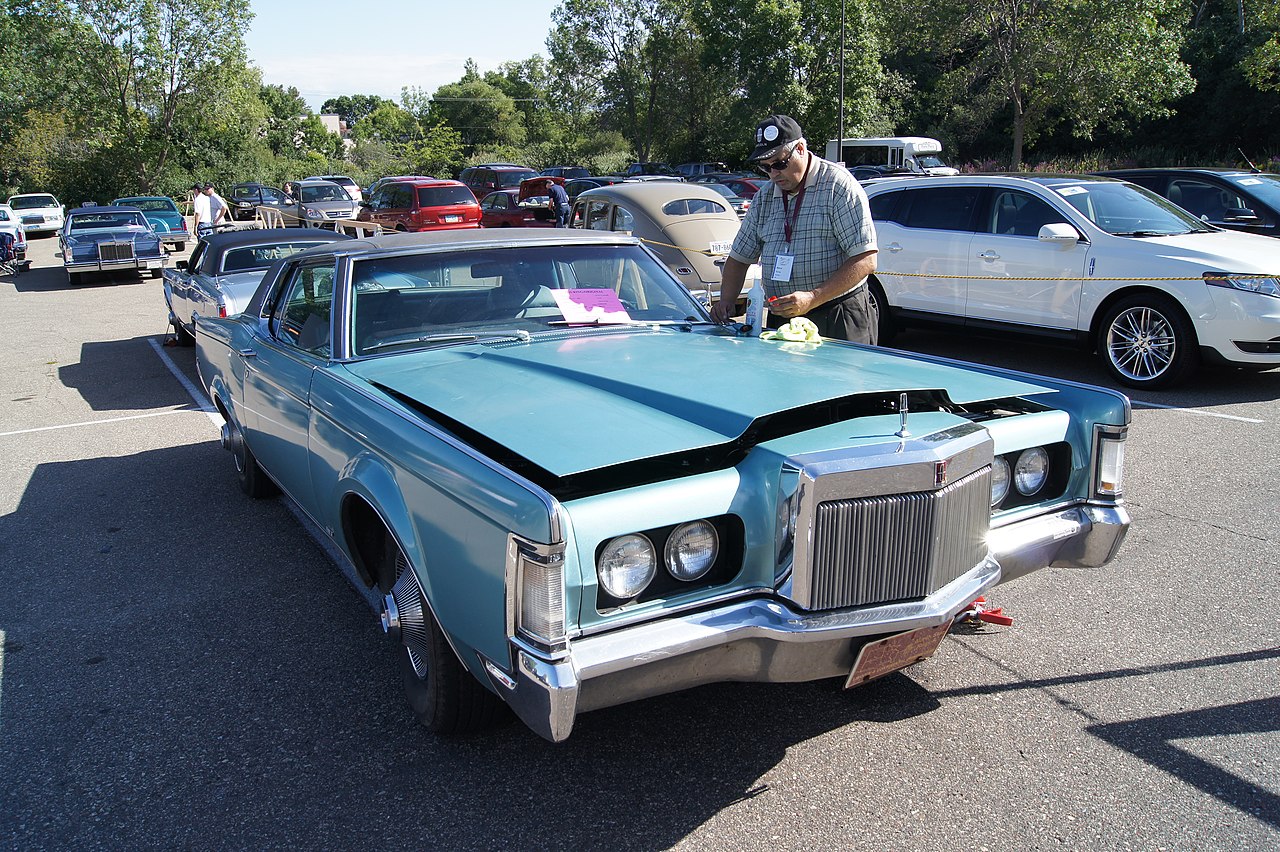
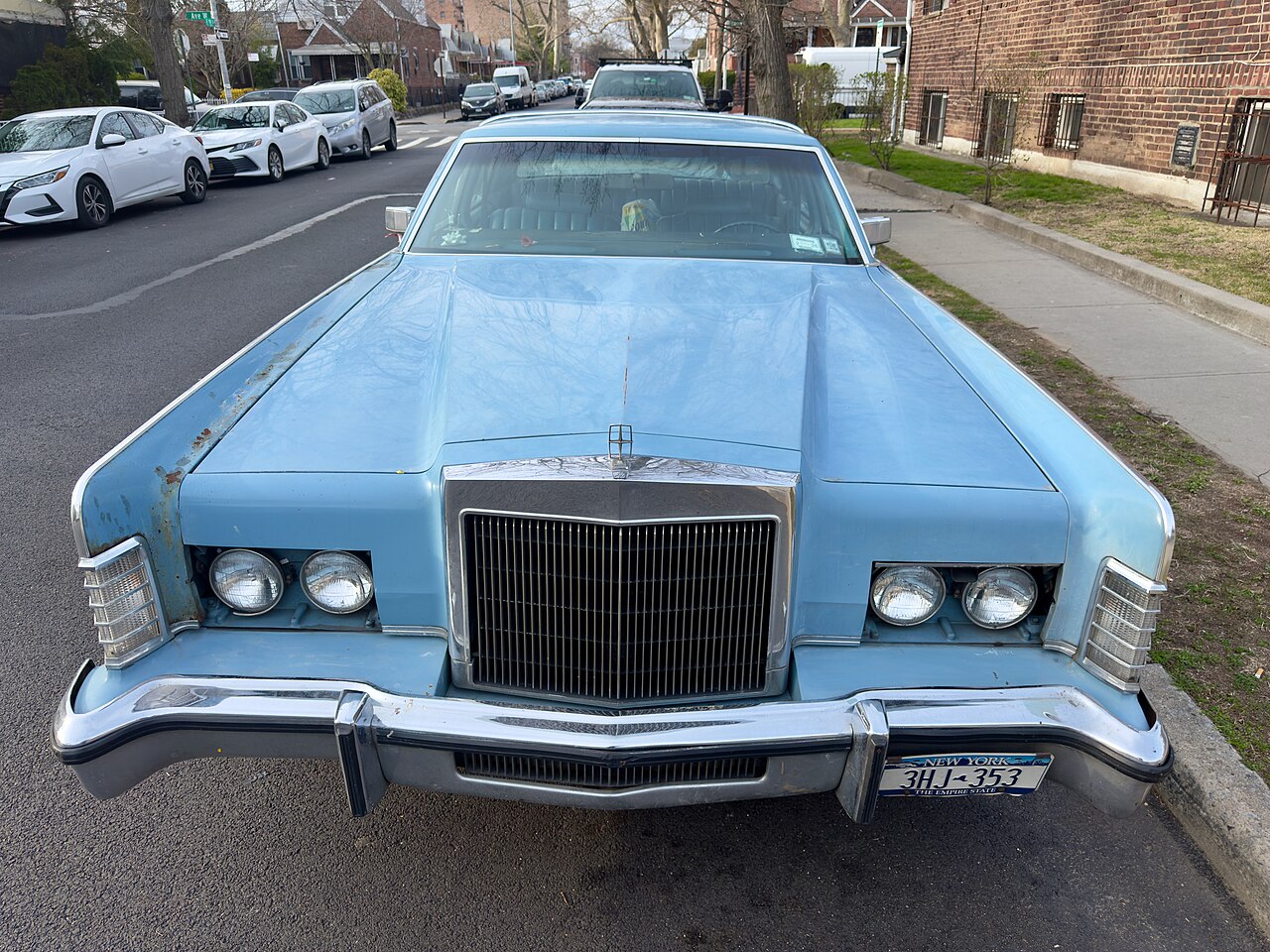
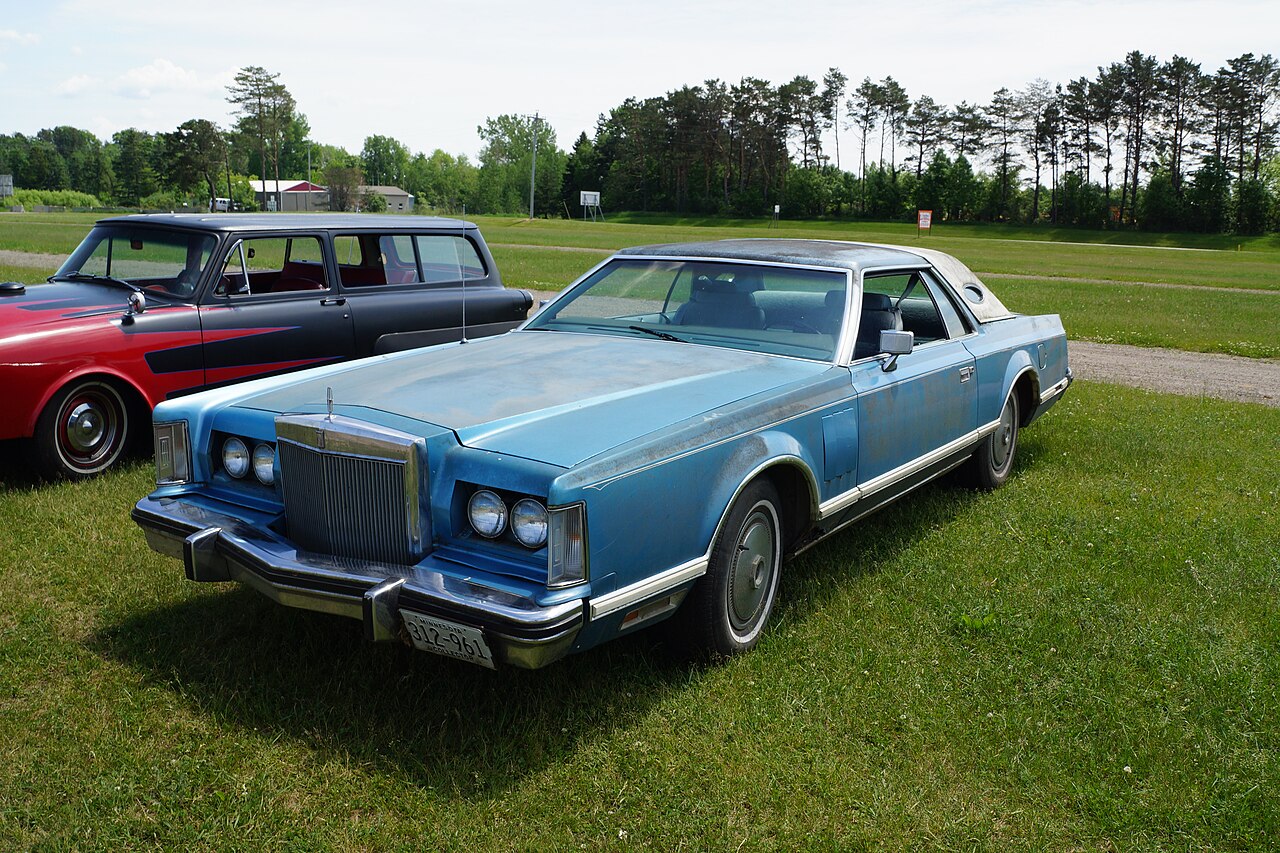
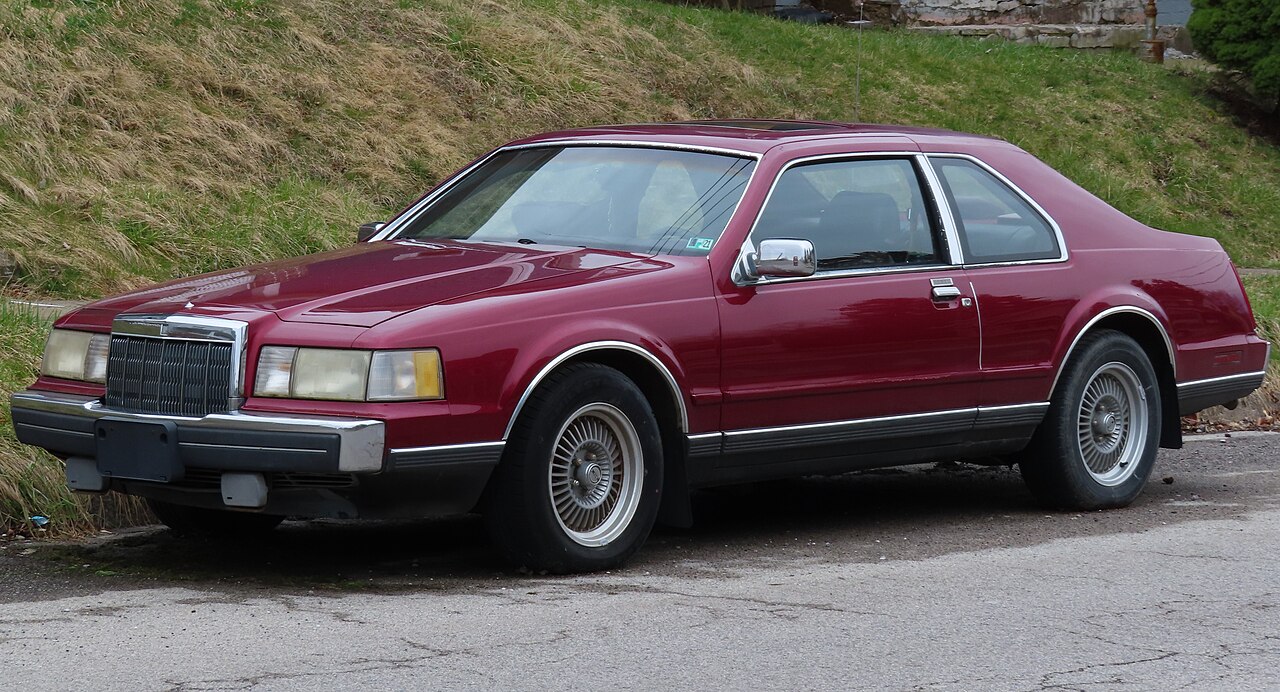
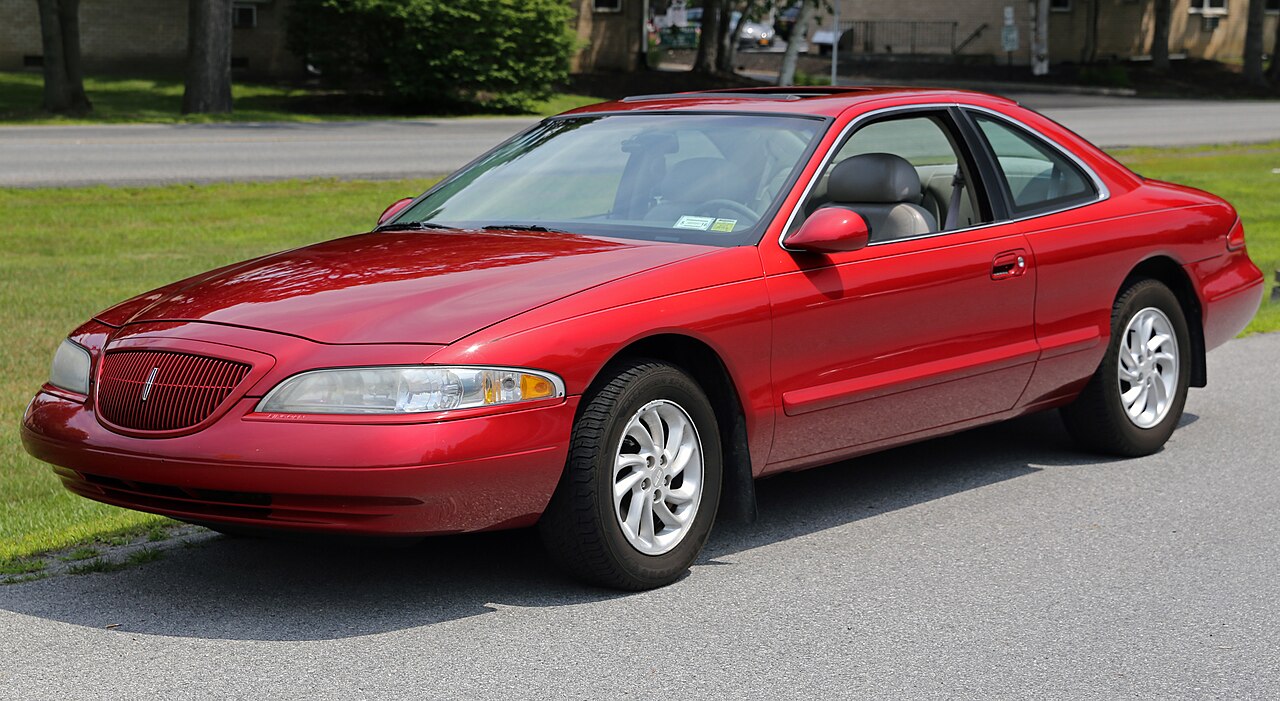
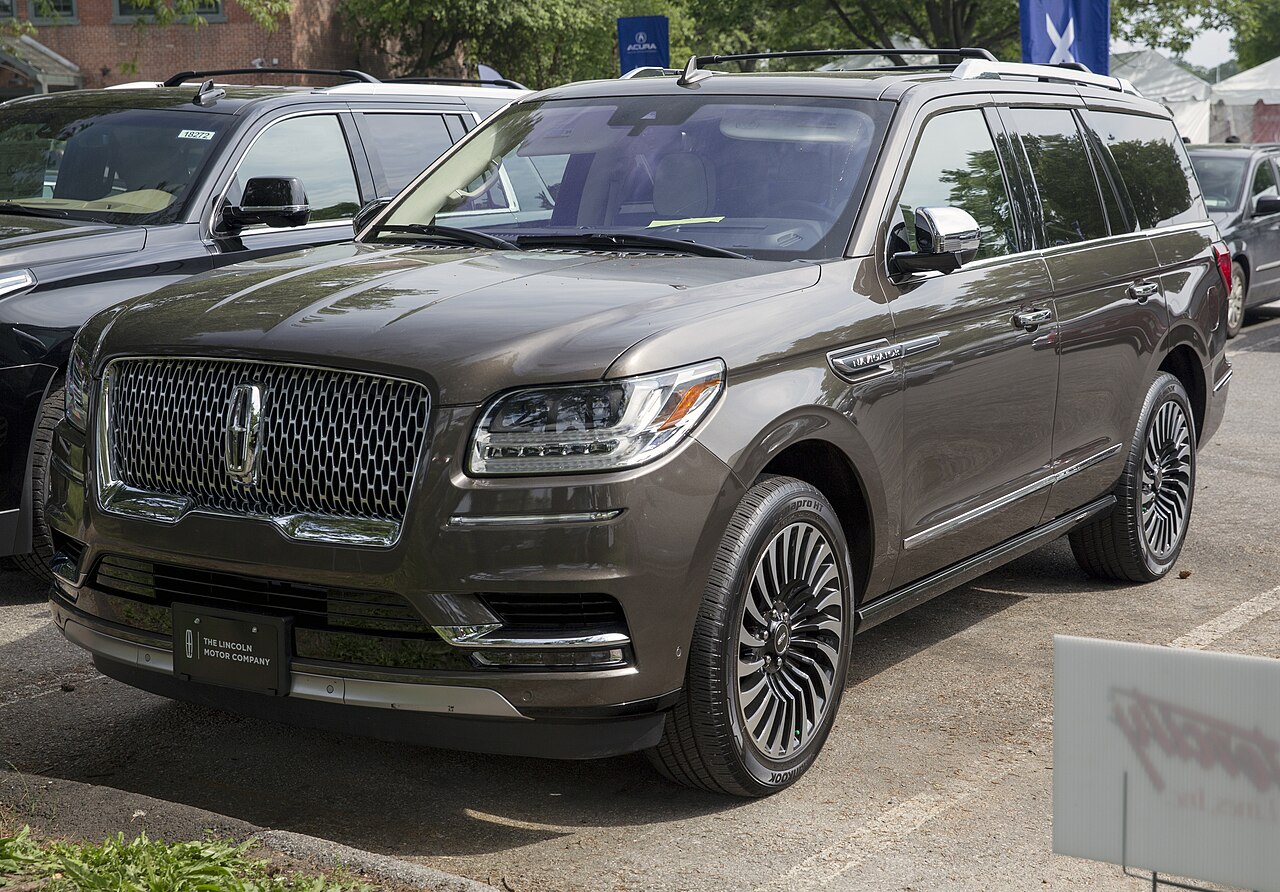
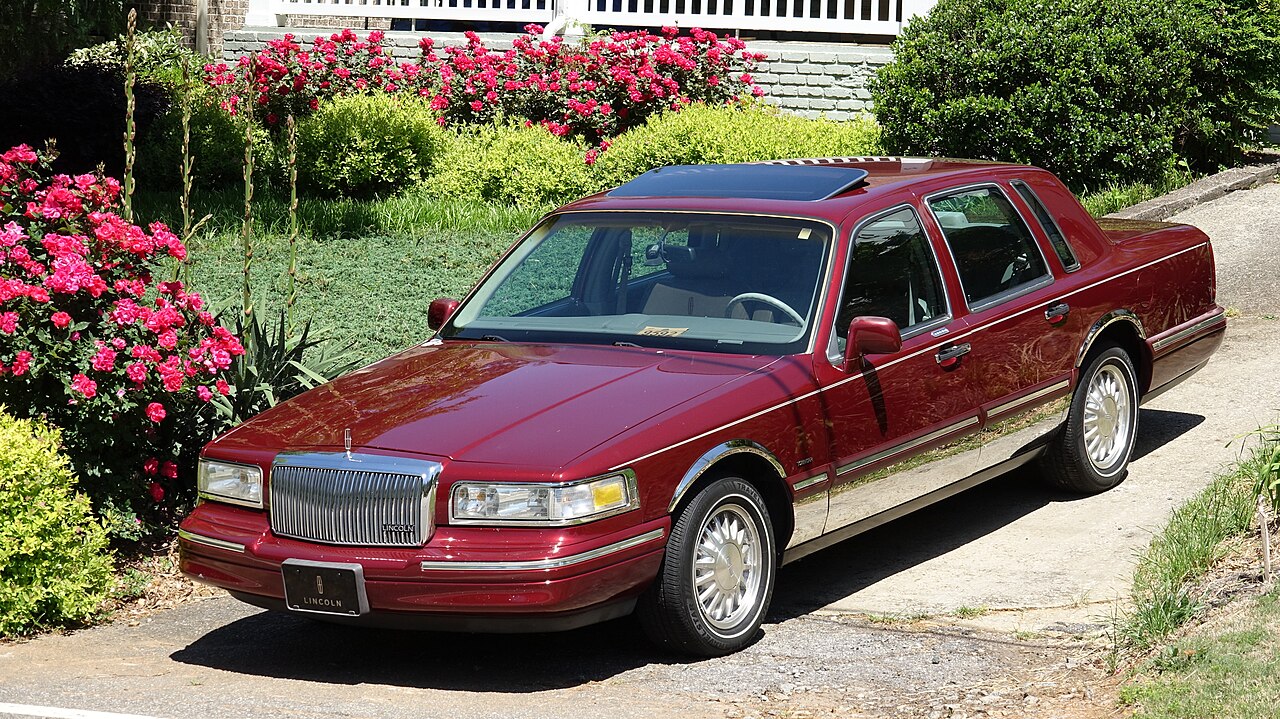
MuscleLincoln is Ford luxury division and has spent the last century in a quieter category than Cadillac. The brand identity centers on personal luxury rather than sport sedan capability. The Continental nameplate, used across multiple generations from the 1940s through 2020, is the spine of the catalog. The 1961 Continental with its rear-hinged suicide doors is one of the most beautifully designed American cars of any era, and the recent 2017-2020 Continental revival drew on that design heritage. The Mark series is the other Lincoln line. The Continental Mark II of 1956 was effectively a high-end Continental coupe, then the Mark III through Mark VIII of 1968-1998 became Lincoln personal luxury halo. The Mark series ended after the eighth generation; subsequent models took different naming conventions. The modern Lincoln story is dominated by the Navigator. Launched in 1998 as a response to the Cadillac Escalade (with Lincoln actually launching first by one model year), the Navigator established Lincoln in the full-size luxury SUV segment that has been the brand most consistent commercial success. The current Navigator with the 3.5 twin-turbo EcoBoost V6 (440 horsepower in Black Label trim) is one of the most luxurious full-size SUVs on the market. Outside the Navigator, the current Lincoln lineup has narrowed to crossovers: the Corsair, Nautilus, and Aviator. The brand has effectively exited sedan production in North America, with the Continental ending in 2020. Performance-focused trims are limited; Lincoln has not pursued a Cadillac V-Series style sport division. On WhipJury, Lincoln submissions are uncommon but distinctive. Classic 1961-1969 Continentals in restored or restomod form do well in voting. Modern Navigators with custom wheels and audio appear regularly. The occasional Mark VIII or Town Car represents the late 1990s personal luxury era.
Lincoln models we cover
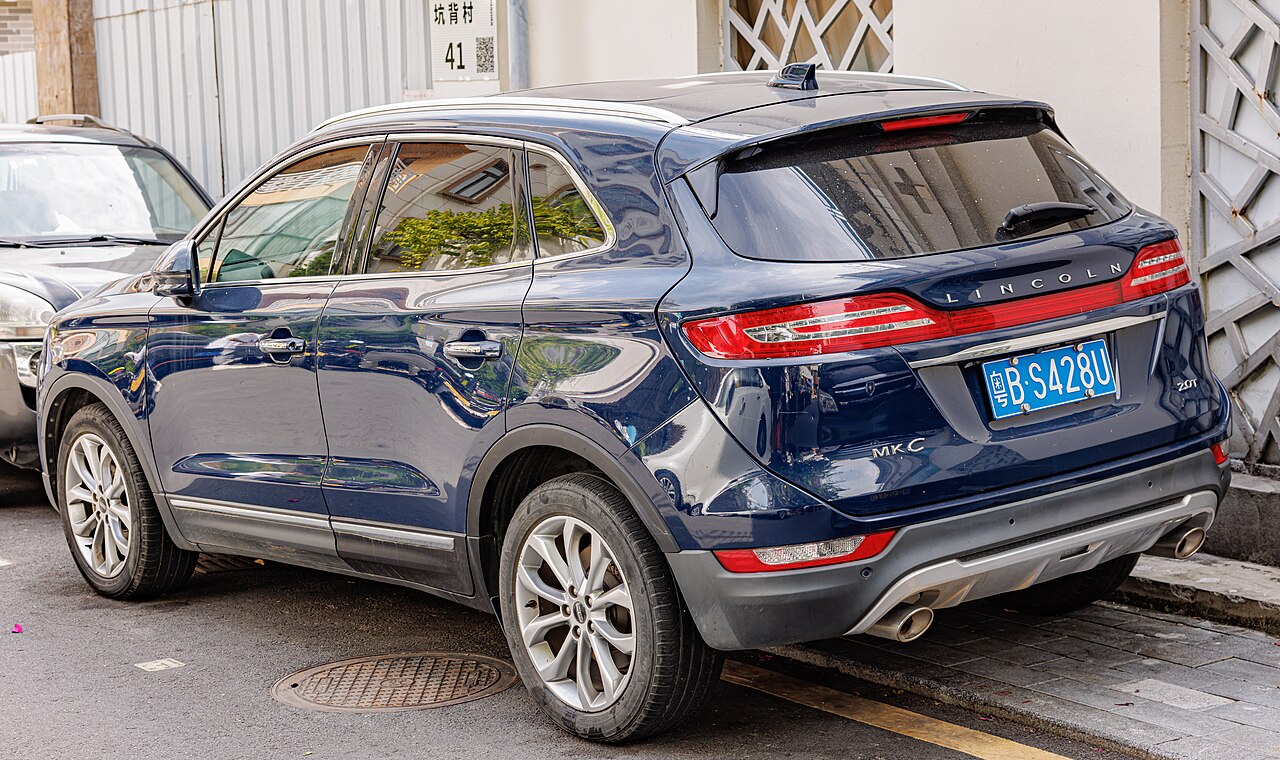
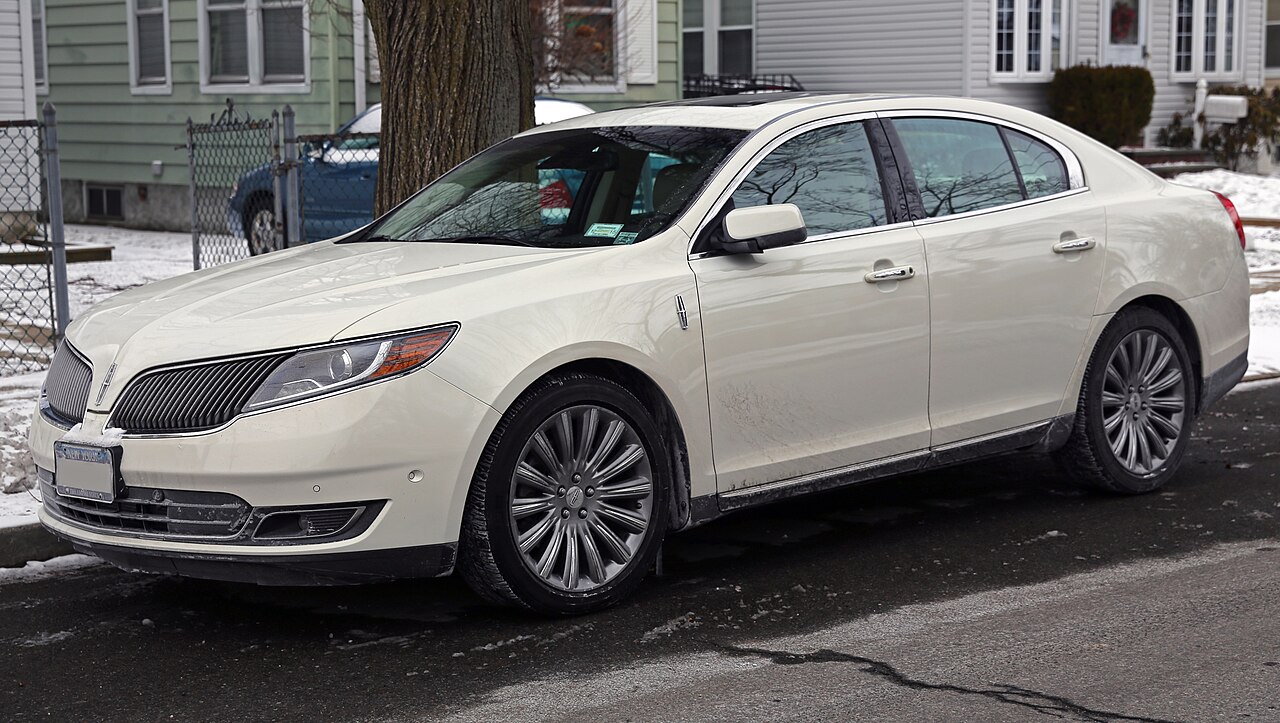


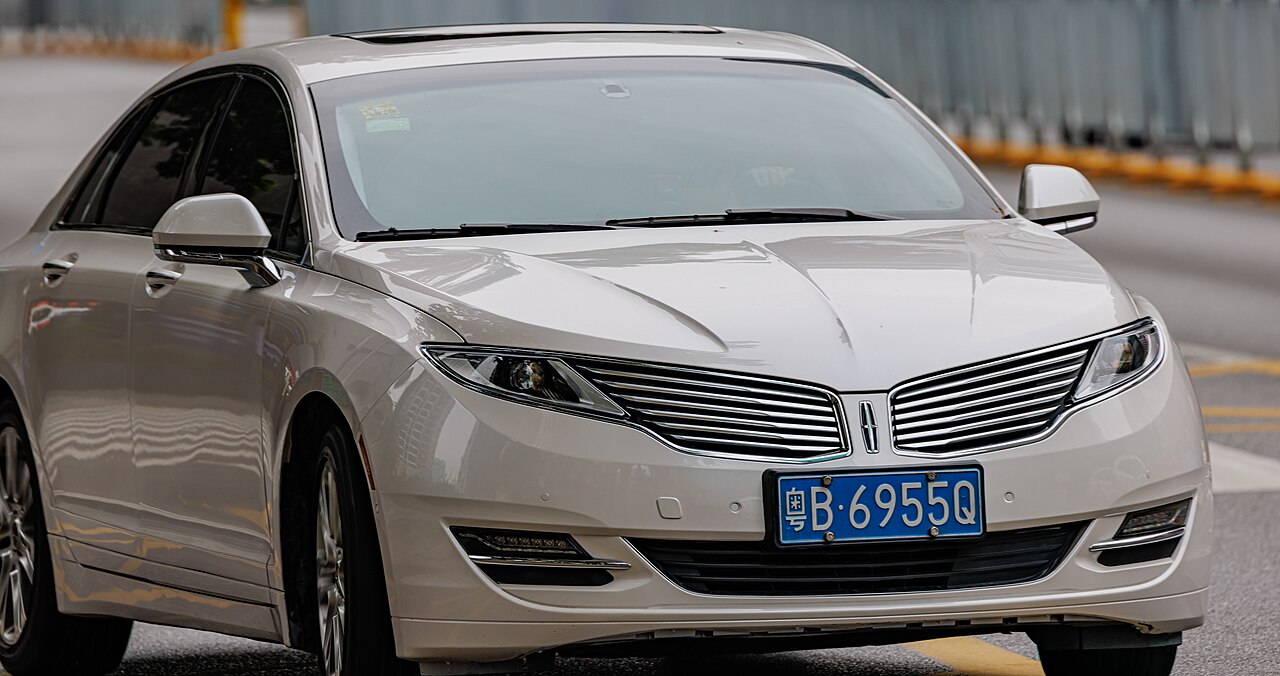
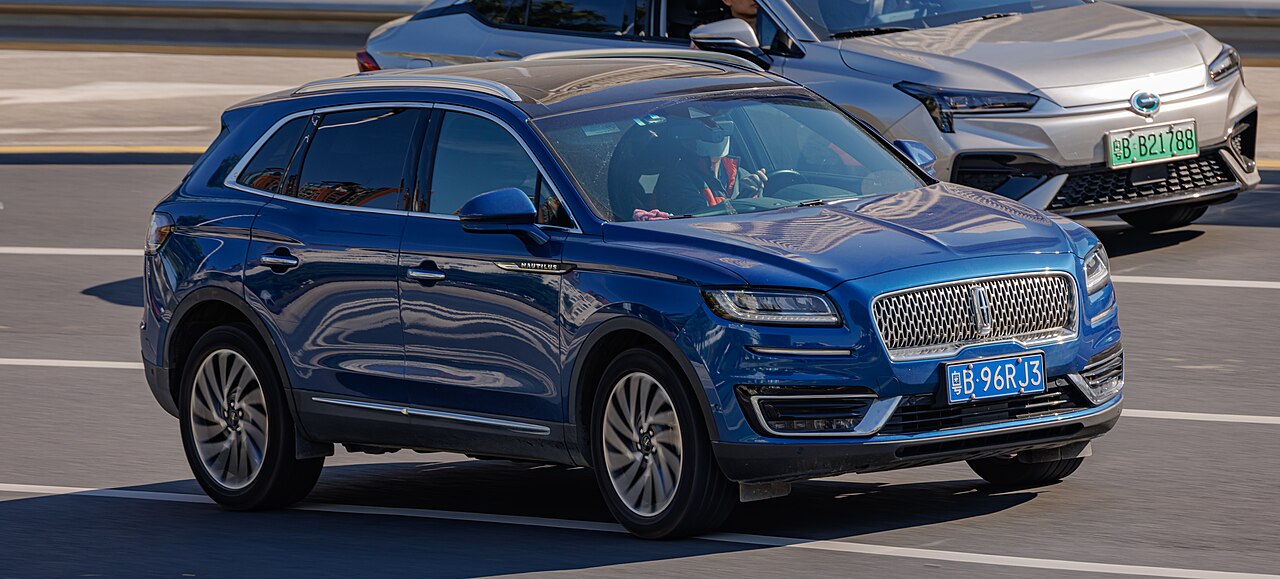
The Continental
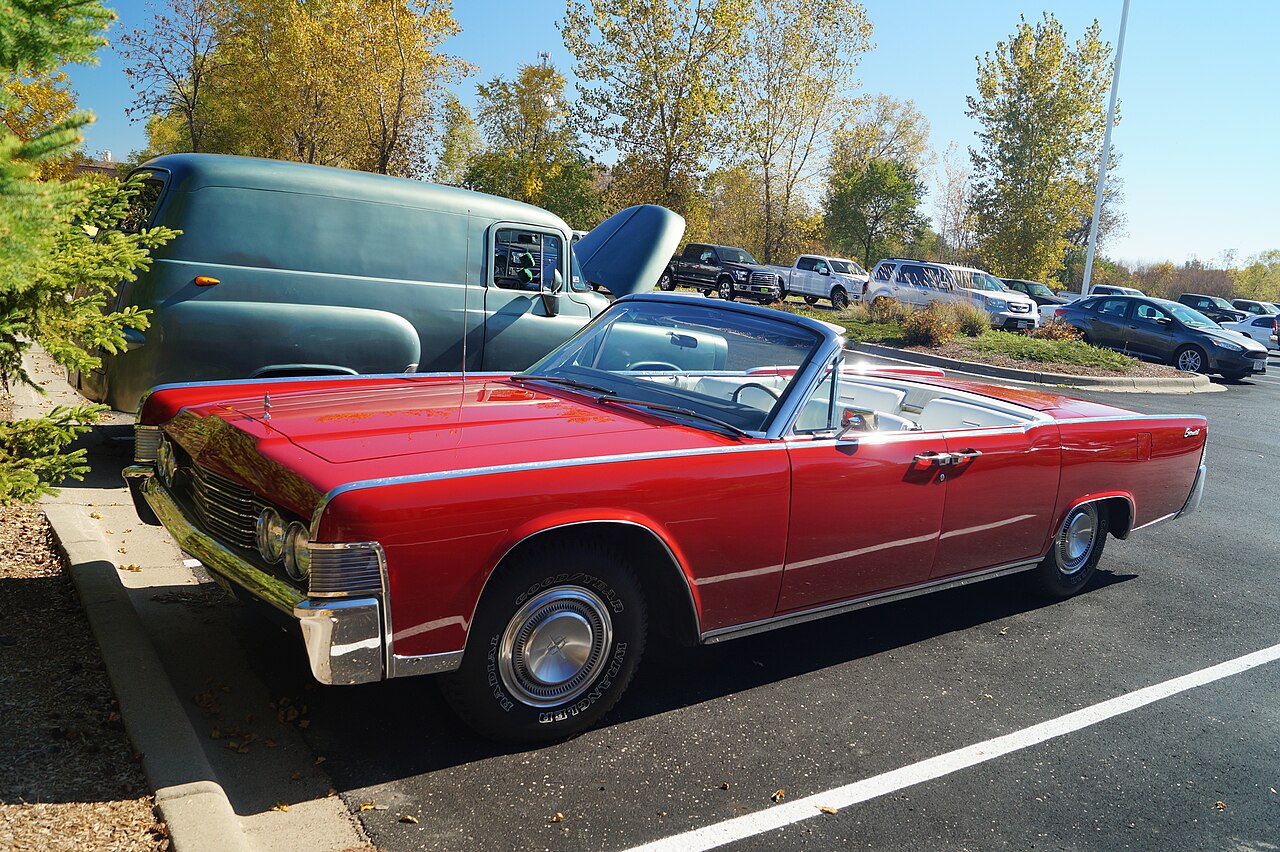
The original Lincoln Continental launched in 1939 as a Lincoln-Zephyr derivative styled by Edsel Ford and his designers. The fourth-generation Continental of 1961 redefined the nameplate: rear-hinged suicide rear doors, slab-sided design, four-door convertible variant available. The car was a critical and commercial success and is widely considered one of the great American sedan designs of the 20th century. It is also the car that John F. Kennedy was riding in when he was assassinated in 1963.
Subsequent Continental generations followed convention more than they led design. The 2017-2020 revival under the Reynolds-era Lincoln redesign program brought the suicide doors back as an optional Coach Door package on a small number of cars and earned positive reviews, but commercial reception was modest. Production ended in 2020.
The Navigator
The Navigator launched in 1998 on the F-150 chassis, beating the Cadillac Escalade to market by a year. The first-generation Navigator was relatively conventional. The second-generation (2003-2006) refined the formula. The third generation (2007-2017) was a long run that was more about durability than excitement. The current fourth-generation Navigator (2018-present) is a genuine leap, with an aluminum body, the EcoBoost V6, a sophisticated air suspension, and an interior approaching Range Rover quality at lower price points. Black Label trim is the Lincoln equivalent of Cadillac Platinum.
Lincoln on WhipJury
Modern Navigator submissions tend to focus on appearance modifications rather than performance. Classic 1961-1969 Continentals (especially convertibles) consistently do well in voting because the design is genuinely striking. The Mark series occasionally appears, usually the Mark VIII for its supercharged 4.6 V8 and clean late-1990s personal luxury aesthetic. Town Car submissions are mostly chauffeur or limousine builds.