Where the engine sits decides more about a car's shape than almost any styling decision made afterwards. It sets the length of the hood, where the cabin lands, and how the whole thing is balanced, and you can read it from across a car park once you know what to look for. Here are three layouts, and what each one does.
Front engine: the long hood
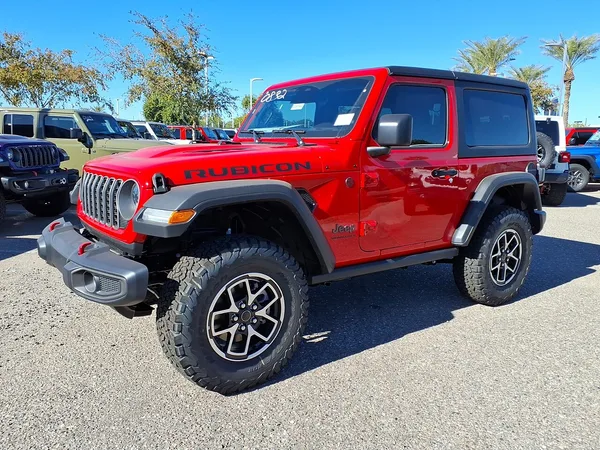
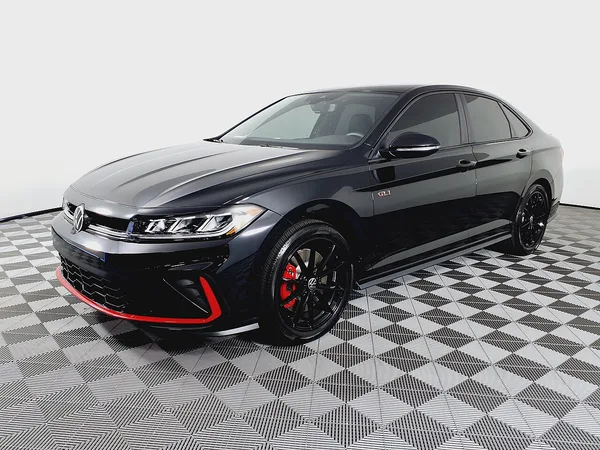
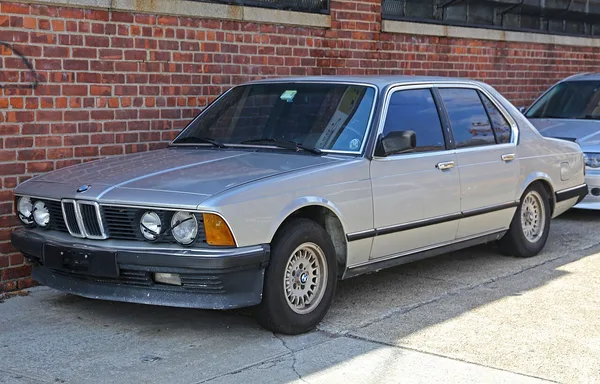
The engine sits ahead of the passengers. It's the cheapest and most practical arrangement, which is why nearly every ordinary car uses it, and it produces the proportions most people read as expensive: a long hood, a cabin set back toward the rear axle, and a short deck behind. The reason a front-engine rear-drive car looks so good is the transmission tunnel. Sending power backwards pushes the cabin rearward and stretches the distance between the front wheel and the base of the windshield, which is the single most reliable cue for a premium-looking car. A front-drive car packages everything over the front axle instead, which shortens the hood and pushes the cabin forward, and no amount of styling fixes that.
Mid engine: the short nose
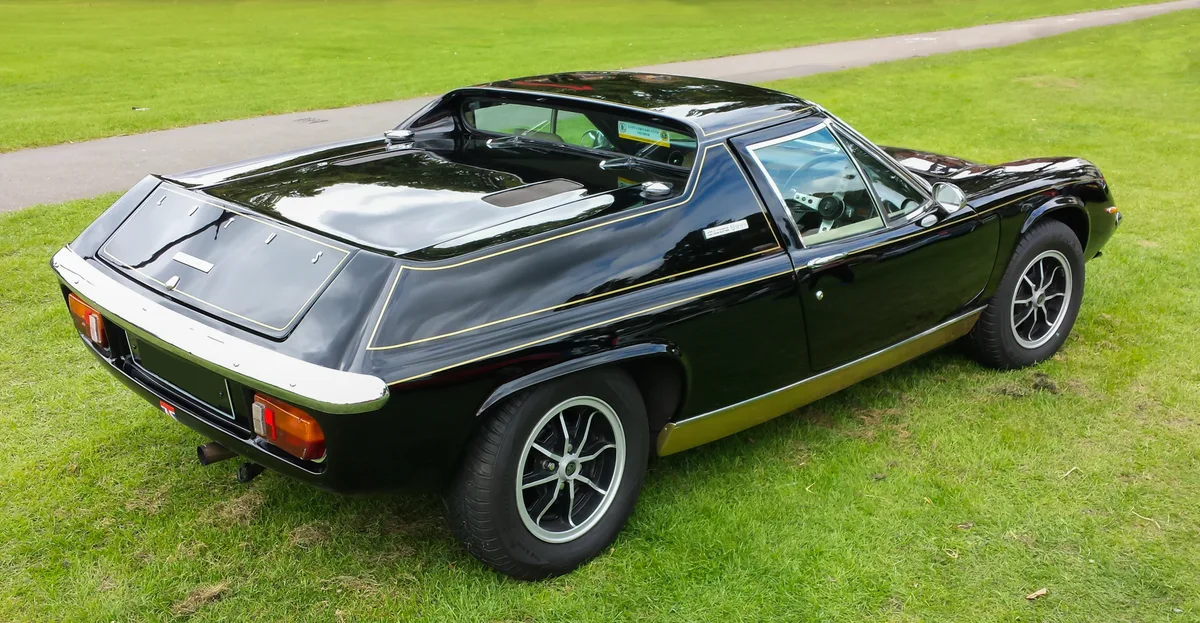
The engine sits behind the driver and ahead of the rear axle. This is what almost every serious supercar uses, because putting the heaviest component near the center of the car reduces its resistance to changing direction, so it turns in quicker and feels more responsive. The visual signature is unmistakable. There's no engine to package up front, so the nose drops and shortens, the cabin slides forward, and the mass visually collects over the rear wheels. That's why a mid-engined car looks poised to launch even parked. It also explains the intakes ahead of the rear wheels, since the engine is buried in the middle of the car and has to breathe somehow.
The cost is practicality. There's often no real trunk, visibility backwards is poor, and servicing is expensive. The Lotus Europa, Toyota MR2, Porsche 914, and Honda NSX all made that trade at different prices.
Rear engine: the outlier
The engine sits behind the rear axle, hanging off the back. Physics says this should be the worst option, because weight behind the rear wheels wants to swing the car around like a pendulum, and early rear-engined cars had exactly that reputation. Almost nobody builds them now except Porsche, which has spent 60 years engineering around the problem in the 911 and turned the drawback into traction off the line. The VW Beetle used the same idea for cheapness rather than speed.
The look it produces is the 911's whole identity: a sloping tail that keeps falling past the rear wheels, a short nose, and a cabin sitting well forward. Nothing else looks like it, and the reason is mechanical rather than stylistic.
Frequently Asked Questions

Jeffrey Wiley has spent more time than he'd like to admit thinking about what makes a car look right. He writes about automotive design, car culture, and the opinions people have strong feelings about. He lives in north Georgia.