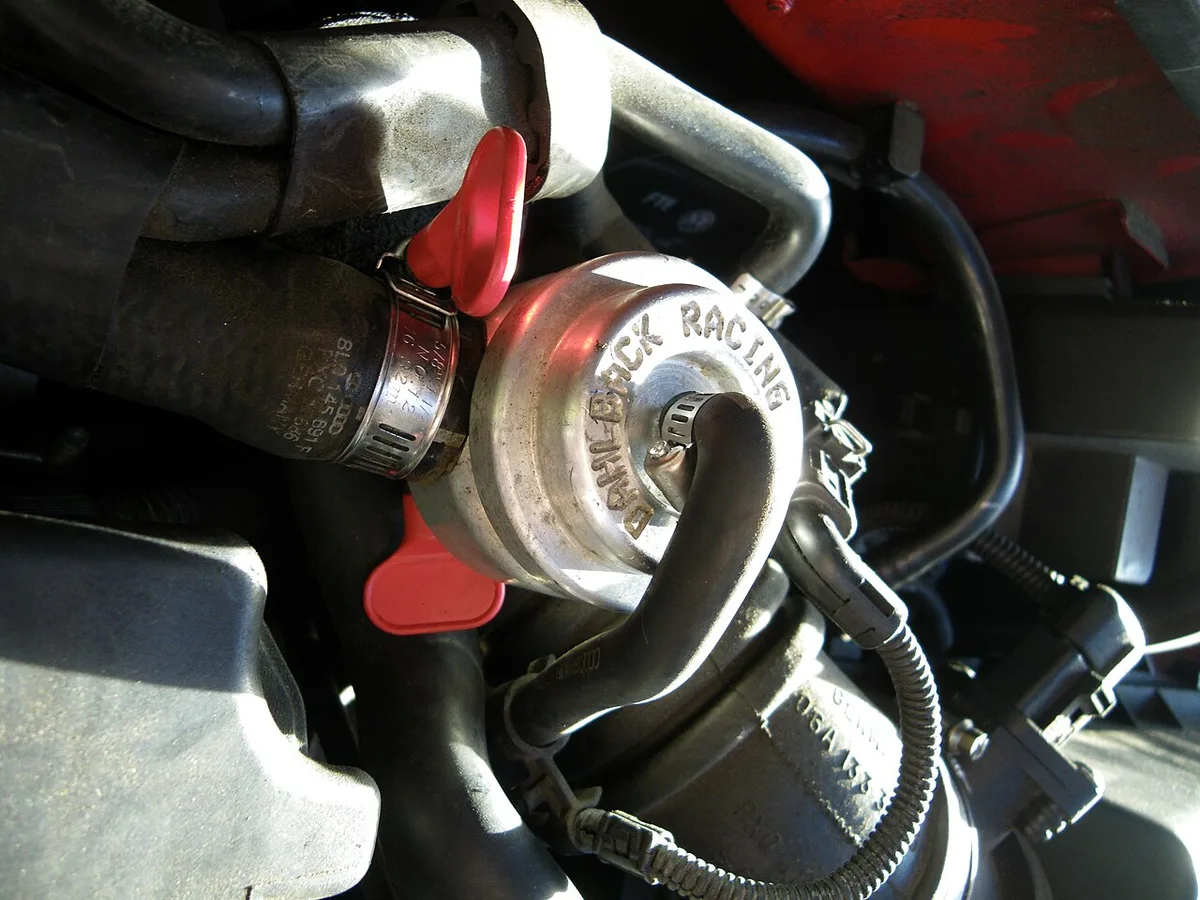
A blow-off valve releases trapped boost when you lift off the throttle in a turbocharged car. On boost, the turbo fills everything between itself and the cylinders with pressurized air. Snap the throttle shut and that air can't get into the engine, so it tries to flow backward through the still-spinning compressor. The valve gives it another way out. The turbo maker Garrett calls the valve a pressure relief device that keeps the compressor out of surge. When the throttle closes fast, airflow drops and the pressure starts cycling. Those swings are "the audible evidence of surge," Garrett says, and surge can eventually lead to thrust bearing failure. Garrett wants the valve between the compressor and the throttle body, preferably after the intercooler. Superchargers work differently, and without a turbo, the Australian valve maker GFB says, a blow-off valve is "a rather expensive paper-weight."
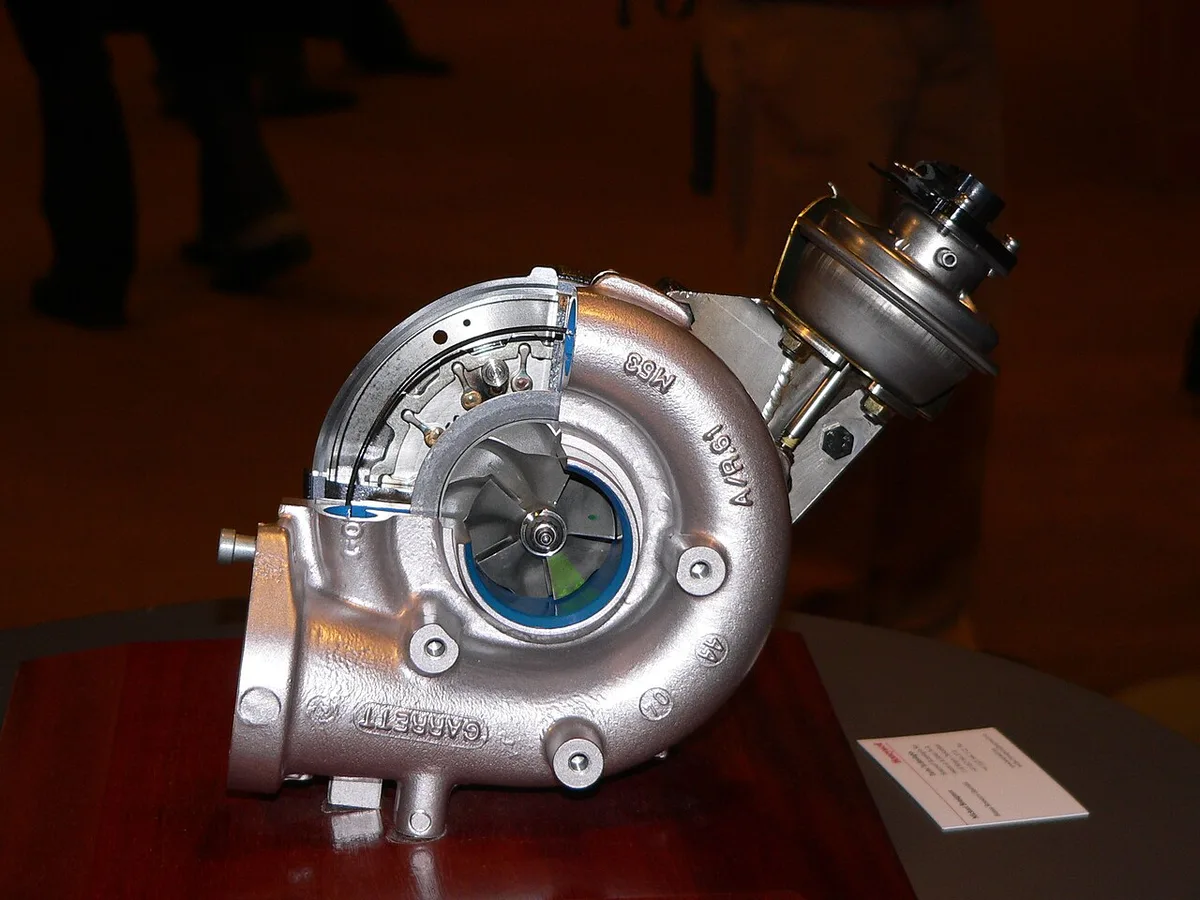
One correction. The fluttering "pigeon" noise so popular with tuner fans is compressor surge, GFB says: air hitting the blades of the spinning compressor as it tries to flow through the wrong way. No blow-off valve makes it. The Drive files both the "pssst" and the "sutututu" under the valve. GFB's view is that flutter is what you get without enough valve, and that if flutter is the goal, hose plugs in place of the factory valve cost less. GFB is also less alarmed than Garrett about damage. It says the jury is still out for street cars, whose turbos "usually just plain wear out," though surge at high rpm and boost can shorten turbo life.
How a blow-off valve opens, and where the air goes
GFB explains the usual setup. The bottom of the valve connects to the pipe between the turbo and the throttle, and a vacuum hose links the top to the intake manifold. On boost, pressure on both sides cancels out, so a spring holds the valve shut. Lift off, and the manifold drops into vacuum while the pipe is still pressurized. Vacuum on top and boost underneath pop the valve open together. That balance is why a stiffer spring won't hold more boost on a GFB valve. The spring only has to keep the valve shut at idle vacuum.
Japan's HKS builds its Super SQV differently. A small primary valve opens first, then pulls a larger secondary valve open at higher boost. HKS says typical push-type valves need their spring set for each car, while the SQV works at any boost setting without leaking.
Turbosmart describes three ways to route the air. Its Plumb Back recirculates all of the air into the intake tract, its Supersonic vents all of it to the atmosphere, and its Dual Port splits the air between the two. The part also goes by dump, bypass, recirc, diverter, and pop-off valve. "No one term is correct," GFB says.
Venting to the air makes what GFB calls the signature blow-off valve whoosh. GFB lists three reasons people fit an aftermarket valve: holding more boost than stock, sharper throttle response than a factory valve, and "of course to make noise!" HKS puts a Triple Fin in the funnel of the Super SQV for what it calls "Super Sound," and GFB sells a whistling trumpet that needs full atmospheric venting and at least 12 psi of boost.
Venting has a catch on cars with a mass airflow (MAF) sensor, which GFB says most factory turbo cars use. The sensor usually sits right after the air filter box, so by the time the valve vents, the computer has already counted that air and fueled for it. The engine runs briefly rich, mostly while the valve stays open and the turbo freewheels, GFB says. That can bring backfiring and a puff of smoke. A mildly modified Subaru WRX on its factory computer can already be running as rich as 10:1, GFB adds.
Stalling is the other complaint. A vent-to-atmosphere valve that's still open at idle lets in air the MAF never measured, which GFB says causes overfueling and stalling. GFB says correct spring adjustment fixes it, as long as the valve closes before the engine reaches idle. Turbosmart says some cars with sensitive airflow meters won't respond well to an atmospheric valve, and that a bypass-type valve like its Plumb Back "will eliminate the stalling problem."
What carmakers fit, and what California allows
Factory valves send the air back into the intake. GFB says carmakers fit recirculating valves to stop the flutter, a noise that's unwanted in a new car, and that factory valves also serve emissions, fuel economy, and drivability.
Some newer ones are electric. Pierburg builds an electric recirculating valve into the turbocharger, and its technical page shows the bypass valve on an Audi A3 2.0 TFSI and in a Volkswagen Eos TFSI. The electric valve needs no vacuum lines or vacuum tank, and Pierburg says direct actuation cuts switching times by as much as 70 percent.
California's exemptions name specific cars. In July 2019, the state's Air Resources Board issued orders for Cobb Tuning bypass valves for the 2008 to 2015 Mitsubishi Lancer Evolution and the 2007 to 2013 Mazda Mazdaspeed3. Each is a direct-fit replacement for the stock valve that recirculates air to the compressor inlet, with no user adjustment and no change to the factory engine calibration. The board found they don't reduce the effectiveness of the cars' pollution controls, which exempts them from Section 27156 of the state Vehicle Code.
The name is older than the car. Dictionary.com dates the noun "blowoff" to 1830 to 1840, from the verb phrase "blow off," and defines it as a current of escaping surplus steam or water, or a device that channels one. Garrett files the part under "Blow-Off (Bypass) Valves."
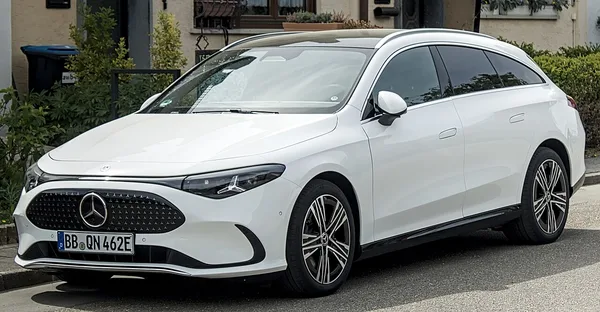
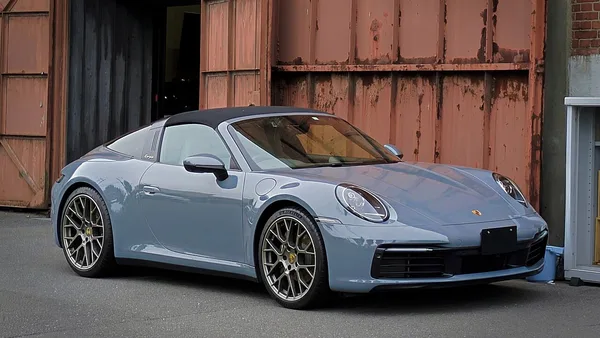
Which turbo car looks quickest with the hood shut? Put the Evo, the Mazdaspeed3, and the WRX side by side on WhipJury.
Sources:
Surge, valve placement, the thrust bearing risk, and the "Blow-Off (Bypass) Valves" label: Garrett (Turbo Tech 101)
How the valve opens, the flutter, spring setup, the sound, reasons to fit one, MAF overfueling, stalling, and why carmakers recirculate: GFB (FAQs)
The paper-weight line, other names for the valve, and surge at high rpm and boost: GFB (tech article)
The Super SQV design and Triple Fin: HKS
Plumb Back, Supersonic, and Dual Port valves: Turbosmart
Stalling with sensitive airflow meters: Turbosmart
Electric recirculating valves, the Audi and Volkswagen examples, and switching times: Pierburg (MS Motorservice)
The Lancer Evolution order: California Air Resources Board (EO D-660-12)
The Mazdaspeed3 order: California Air Resources Board (EO D-660-11)
Crediting both sounds to the valve: The Drive
The word "blowoff": Dictionary.com
Photos via Wikimedia Commons: Alison Cassidy (CC BY-SA 4.0), Rama (CC BY-SA 2.0 FR)
Frequently Asked Questions

Cam Walsh has been obsessing over cars since before he could drive one. Based out of Atlanta, Cam covers automotive design, car culture, and the eternal debate over which whips actually look the part.