Mitsubishi Cars
JDM · 16 models

Lancer Evolution, 3000GT VR4, Eclipse GSX. Mitsubishi spent the 1990s and 2000s building giant-killers, then quietly walked away.
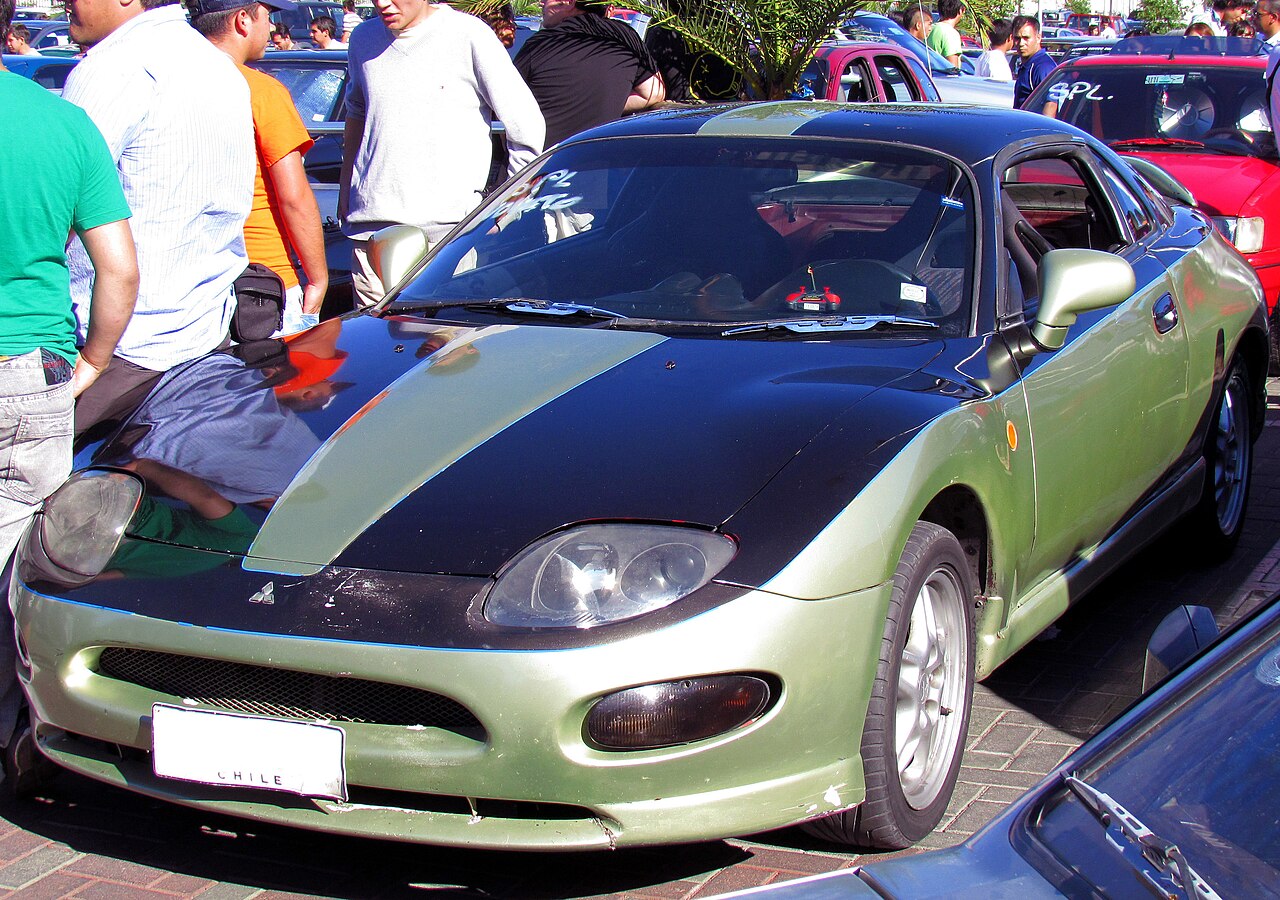
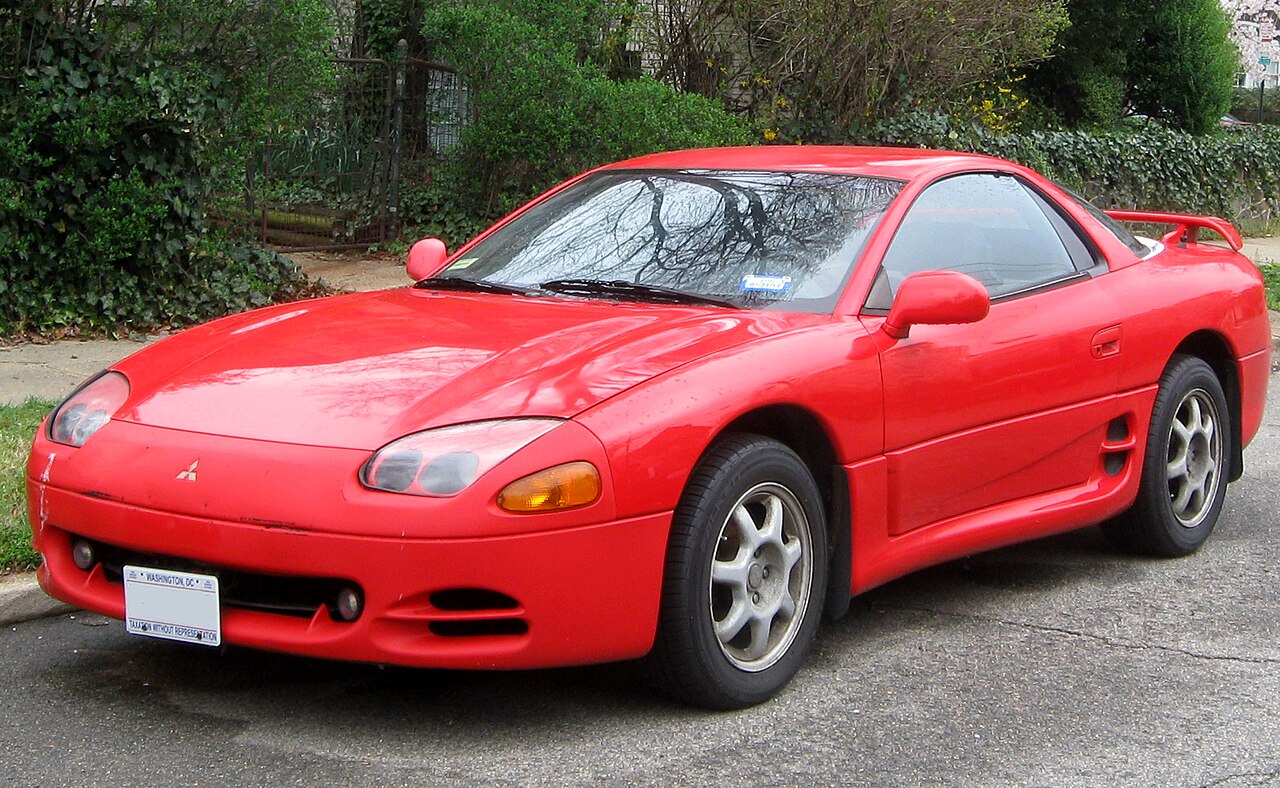
JDMMitsubishi is the JDM maker with the most painful gap between former glory and current product line. From 1992 to 2015, the Lancer Evolution went through ten generations of homologation special. The Evo was the rally rival to the Subaru WRX STI, and in many enthusiast eyes the more focused car. Turbo 4G63 four-cylinder, all-wheel drive with active center and rear differentials, manual gearbox, and a chassis tuned for stage rallies that translated brilliantly to road and track use. The 3000GT VR4 (called the GTO in Japan) was Mitsubishi technological flagship in the 1990s. Twin-turbo V6, all-wheel drive, all-wheel steering, active aerodynamics, and electronically controlled suspension. It outweighed and underdrove the Supras and RX-7s of its era, but the technology was extraordinary for the price. The Eclipse GSX combined the Evo turbo all-wheel drive formula in a more affordable package. The first and second generation Eclipses (1989-1999) were collaborative products with Chrysler (Diamond-Star Motors) and shared platforms with the Eagle Talon and Plymouth Laser. They became tuner staples. After the 4G63 era, Mitsubishi performance lineup contracted dramatically. The Lancer Evolution X ended in 2016. No replacement has been announced. The current lineup is dominated by crossovers (Outlander, Eclipse Cross, Outlander Sport) that share little with the cars Mitsubishi was famous for. On WhipJury, Mitsubishi submissions skew heavily toward Evos (especially V, VI, VIII, and IX), Eclipse GSX builds, and the occasional 3000GT. Clean original examples and rally-prepped builds both find strong voter support.
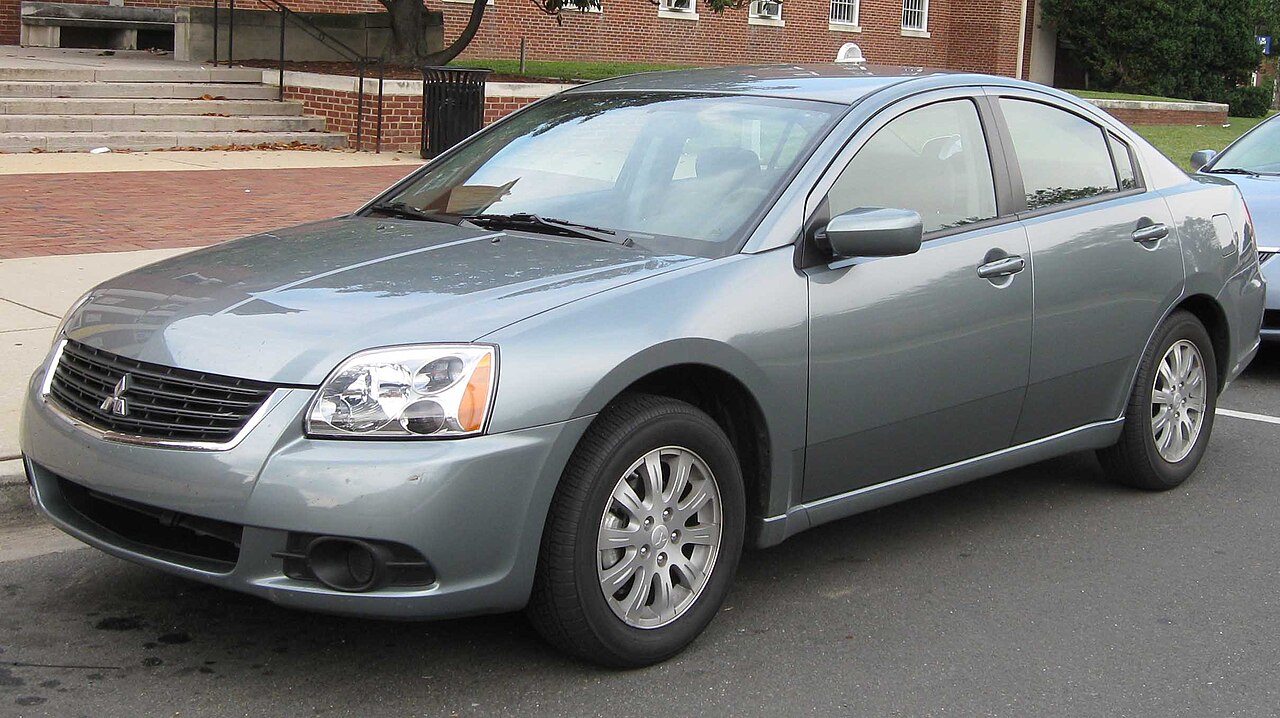
Mitsubishi models we cover
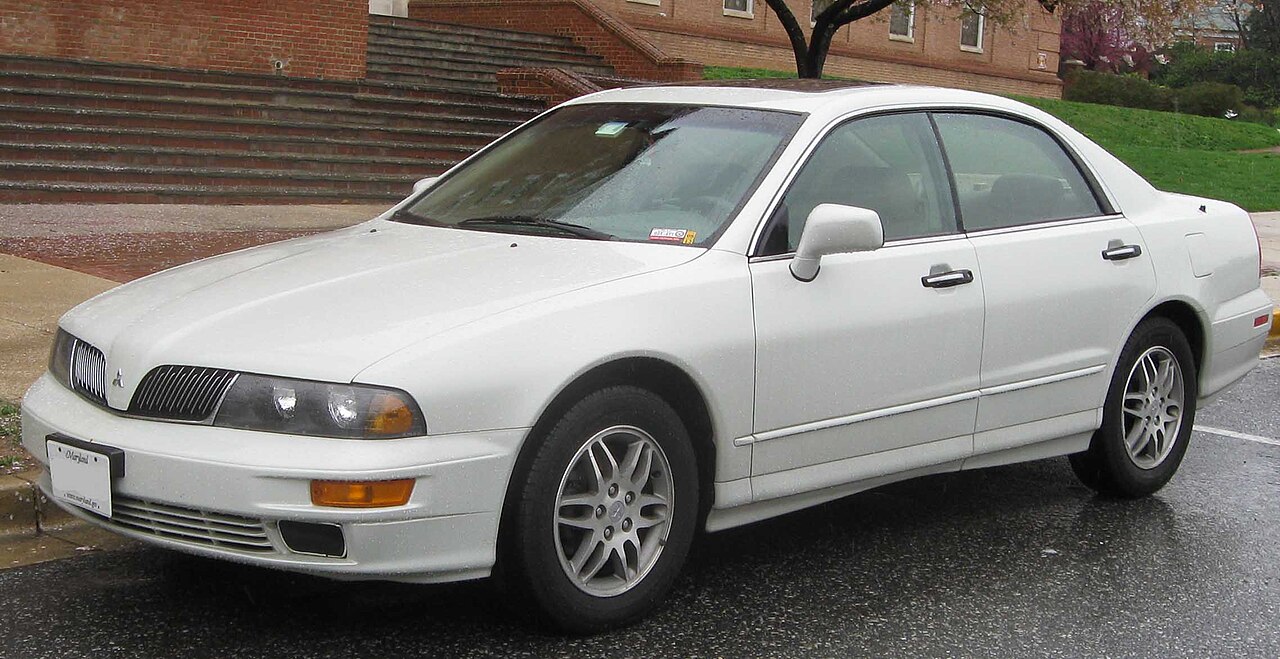
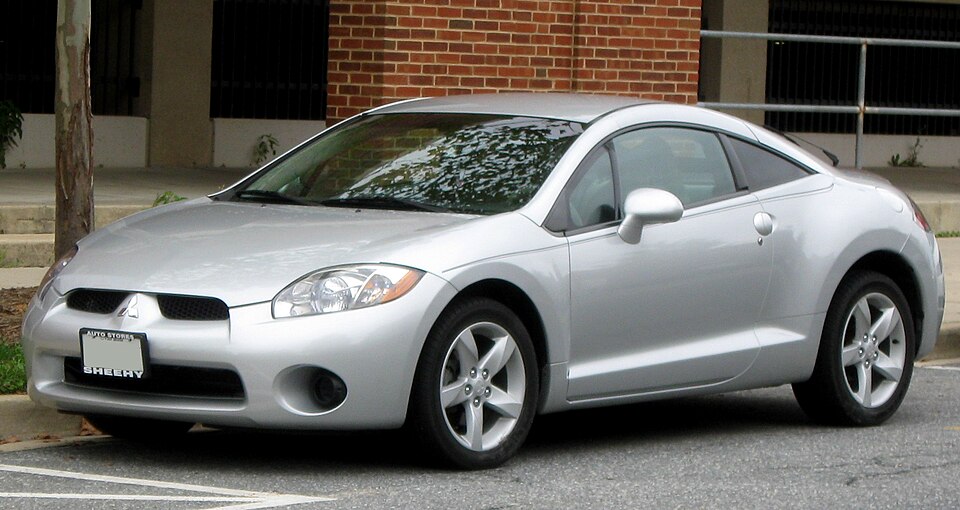
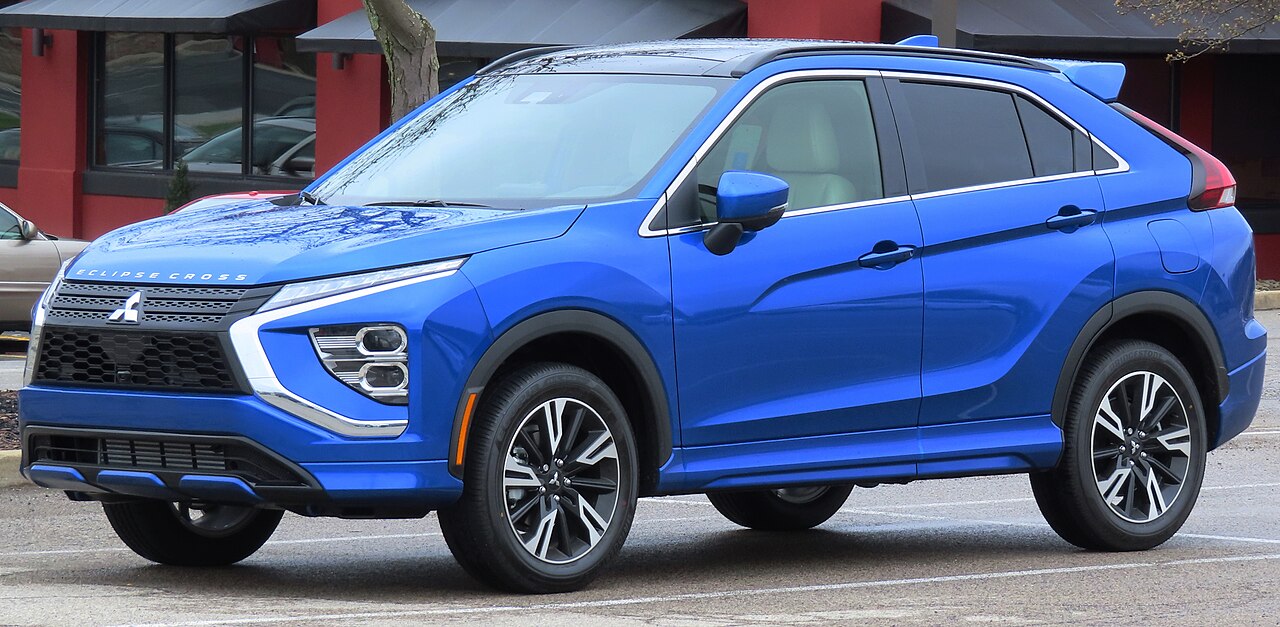
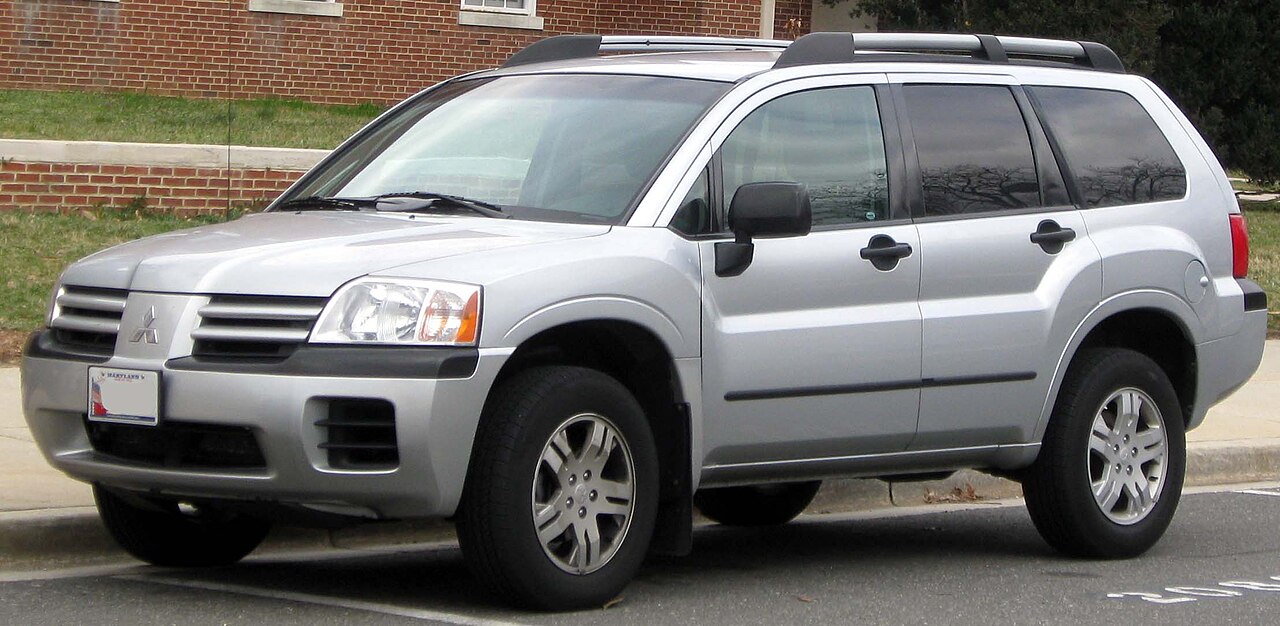
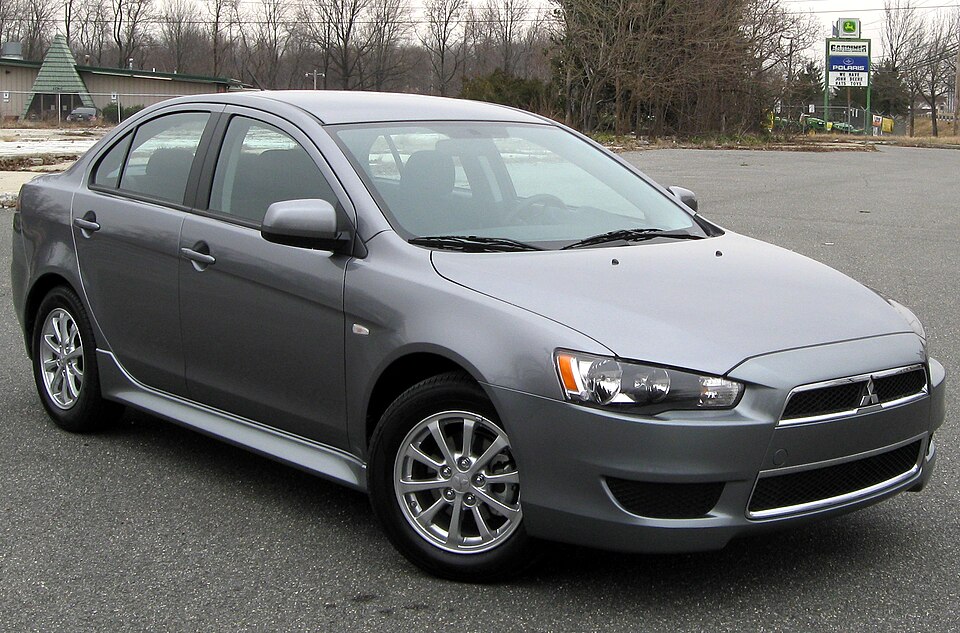
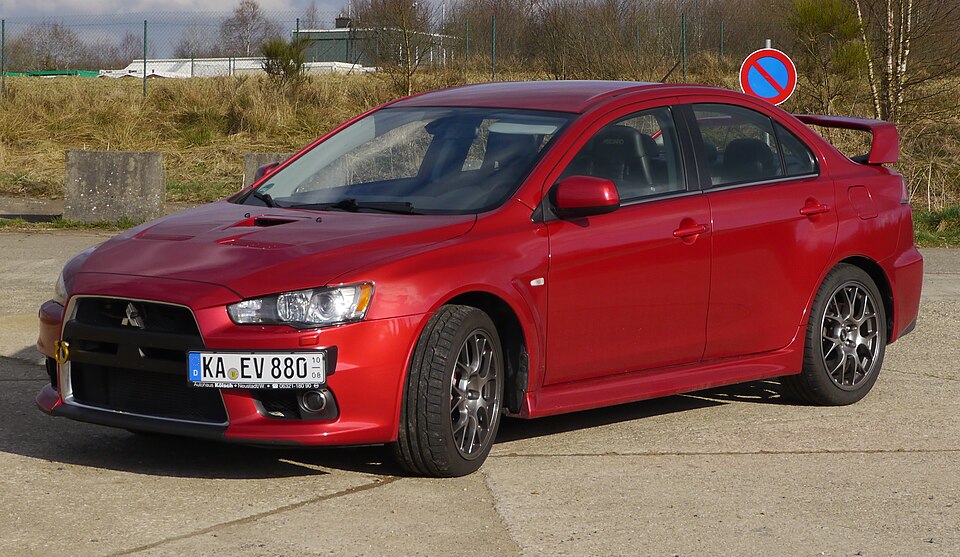
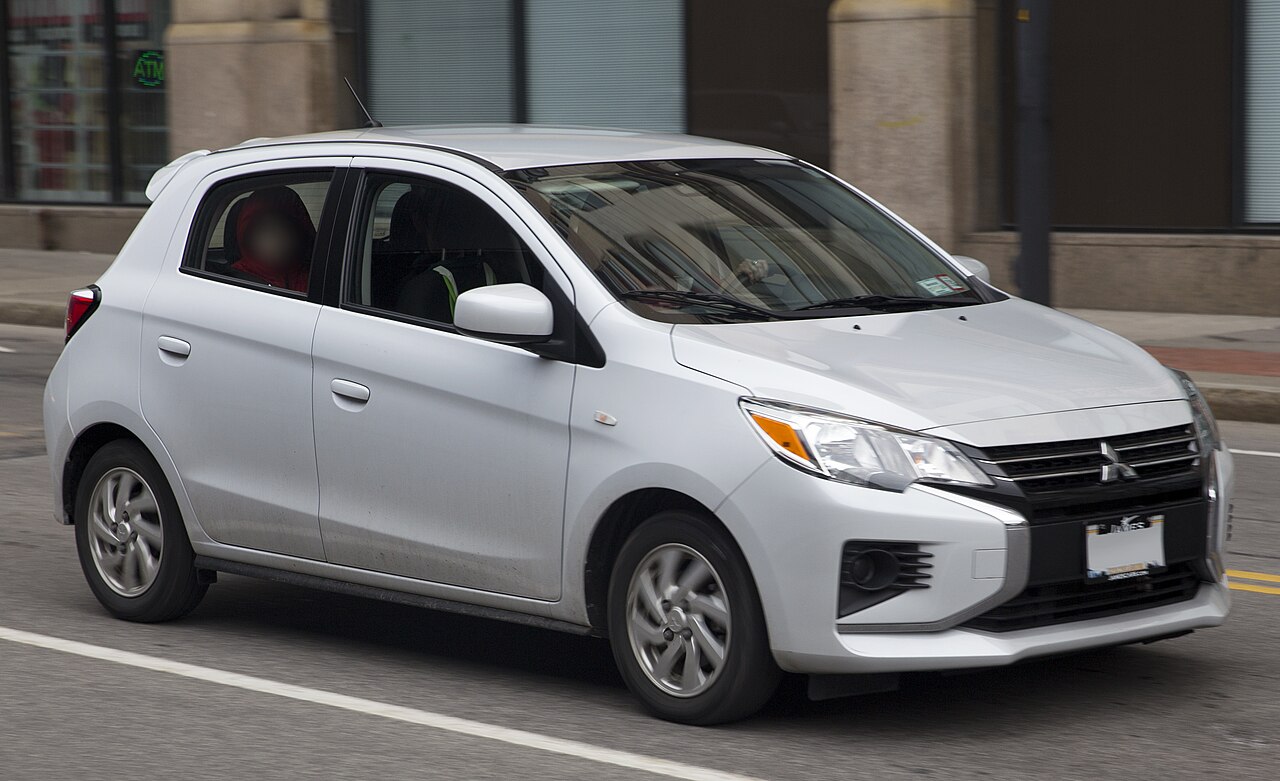
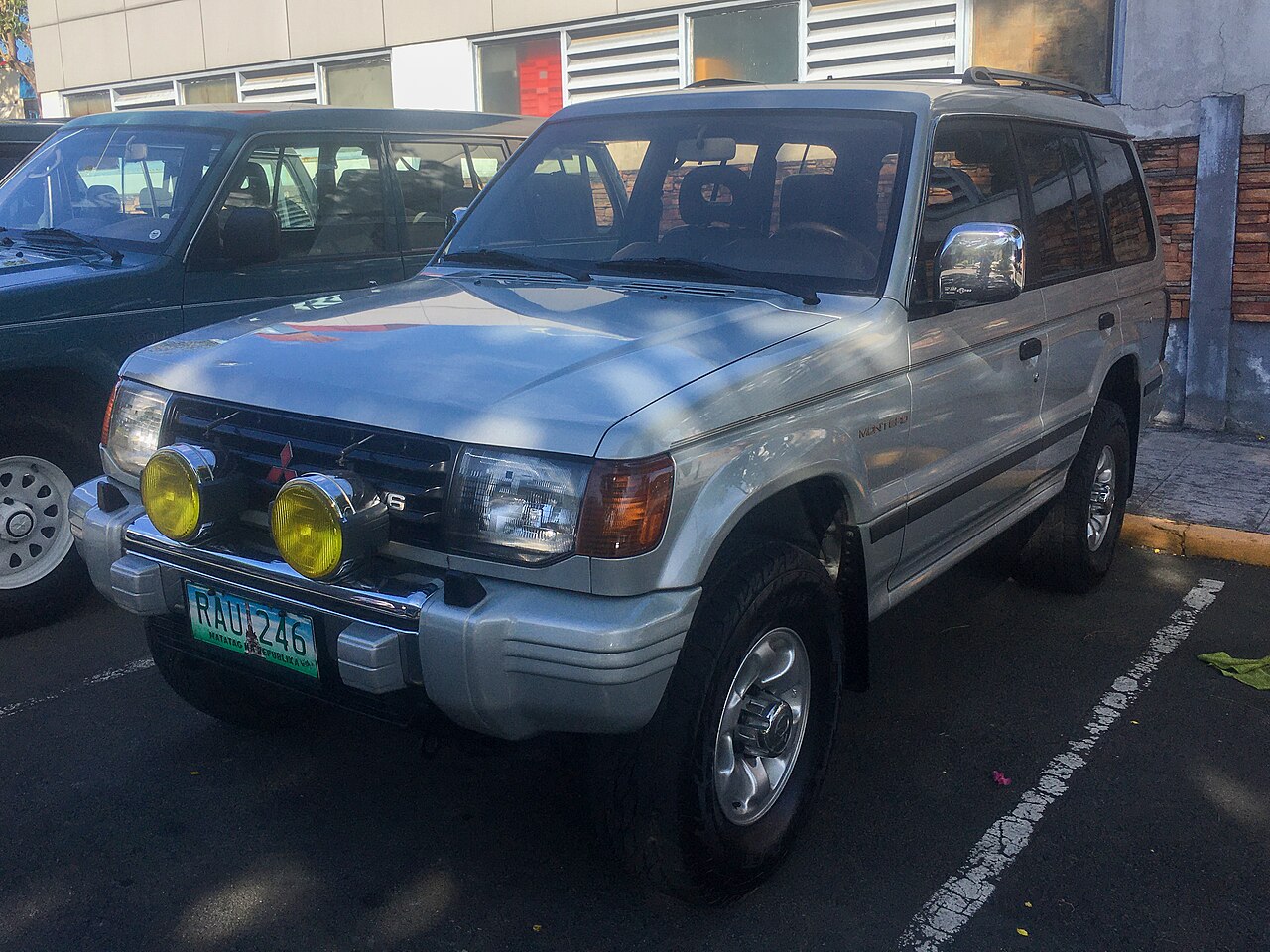
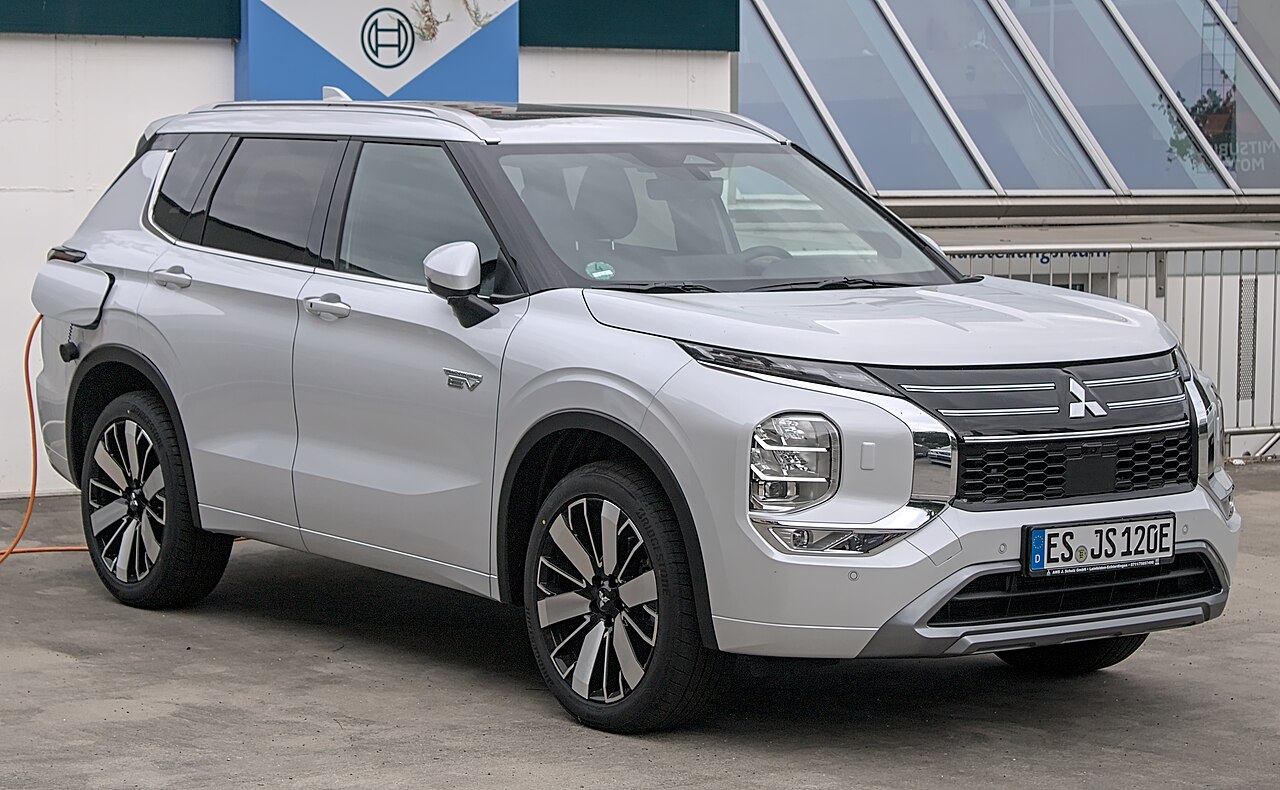
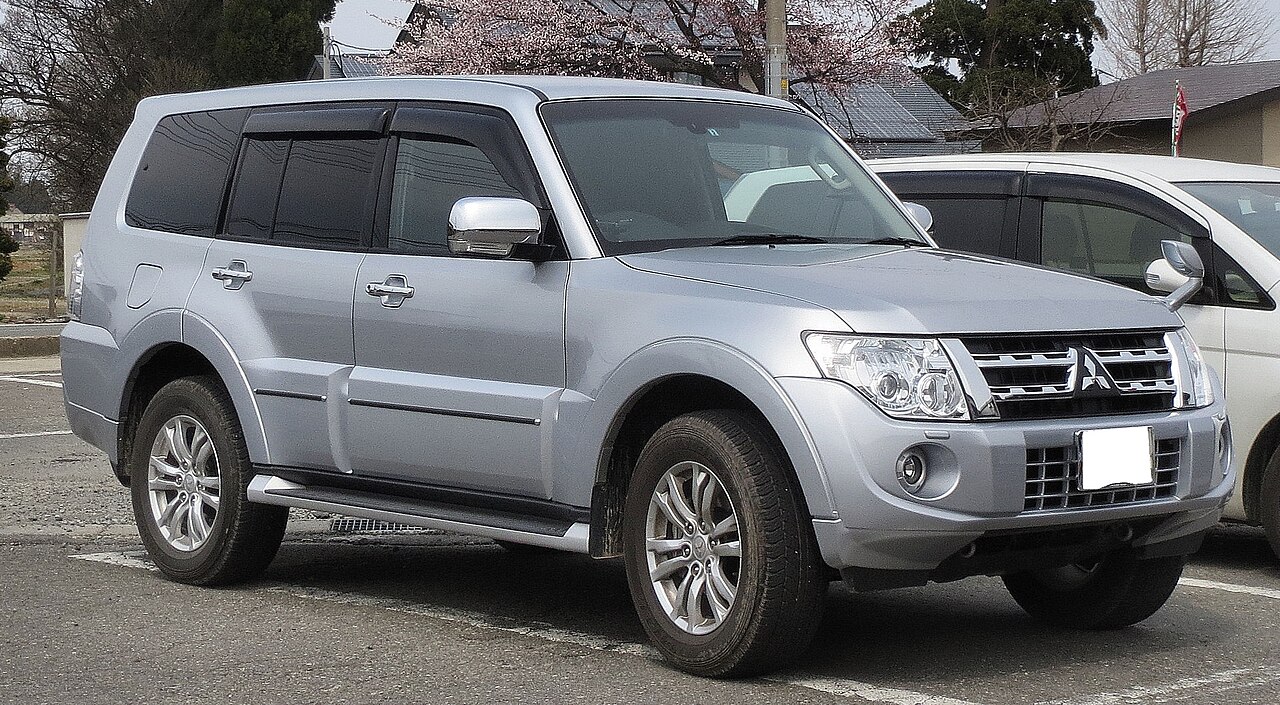
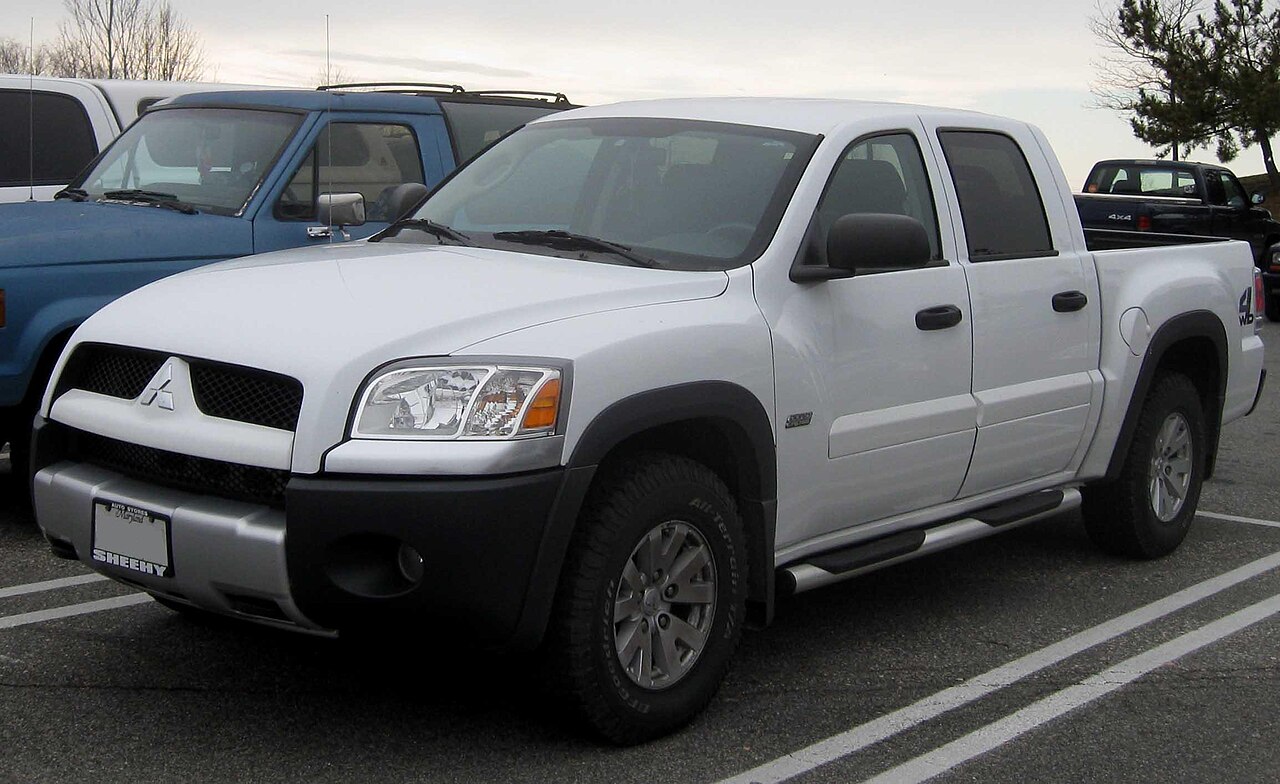
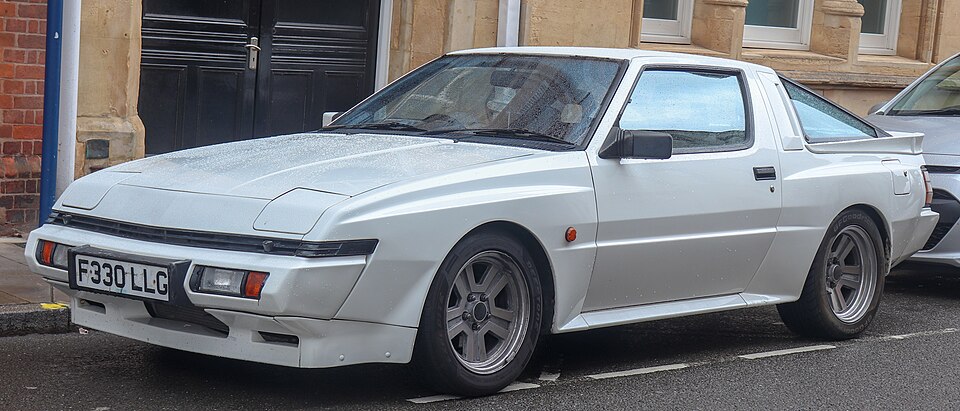
The Lancer Evolution generations
Evo I-III (1992-1996). Compact bodies, 4G63T turbo, AWD. Built primarily for Group A rally homologation. Modest power but strong chassis.
Evo IV-VI (1996-2001). The 4G63 makes the famous 280 horsepower JDM cap (likely more in reality). Active Yaw Control on the rear differential debuts. The Evo VI Tommi Makinen Edition is one of the most collectible.
Evo VII-IX (2001-2007). Bigger Lancer body. The Evo VIII MR and Evo IX MR FQ-360 (UK) are the most refined of the 4G63 era. Brembo brakes, Recaro seats, BBS wheels.
Evo X (2008-2016). New 4B11T 2.0-liter turbo replaces the 4G63. Twin-clutch SST gearbox optional. Heavier and more refined, but the connection to the rally roots felt diminished. Final Edition in 2015 was the swan song.
The 4G63T legend
The 4G63 turbo is, alongside the Toyota 2JZ-GTE and the Nissan RB26DETT, one of the most respected Japanese tuner engines. Iron block, capable of holding 600+ horsepower on factory internals with proper supporting modifications. Used in every Lancer Evolution from I through IX, the Eclipse GSX, the Galant VR-4, and the Eagle Talon TSi AWD. The aftermarket support remains strong even now.
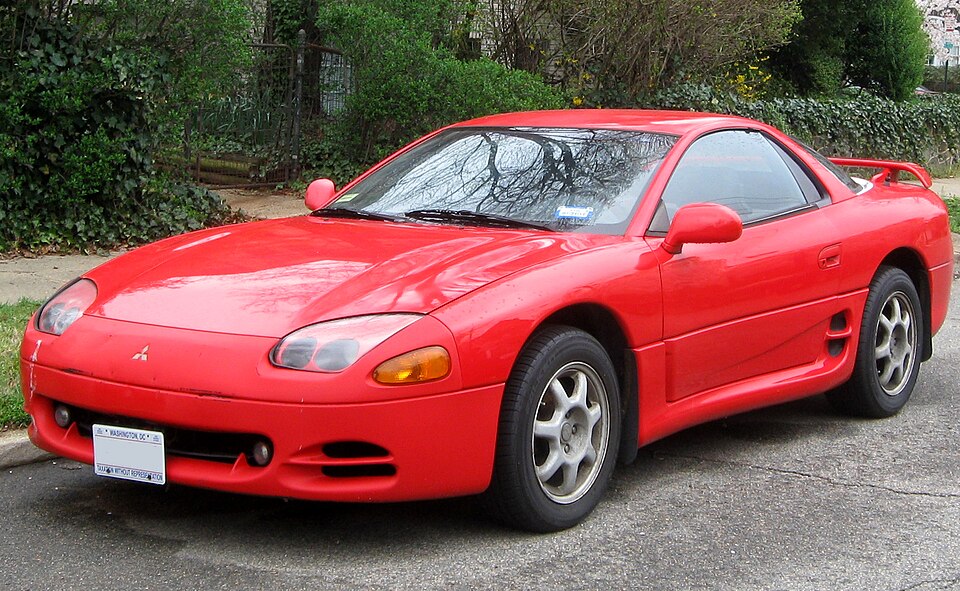
The 3000GT VR4
The 3000GT VR4 was almost too ambitious for its market. Twin-turbo V6, AWD, four-wheel steering, active aero, ECS suspension, six-speed manual. It was Mitsubishi answer to the Supra and 300ZX. The complexity hurt long-term reliability and made it expensive to maintain. Today it has a cult following and clean examples are appreciating quickly.
Mitsubishi on WhipJury
Evo VIII and IX are the most common Mitsubishi submissions, followed by Eclipse GSX and 3000GT. The community respects builds that reference the rally heritage: gravel-tuned suspension, hood pins, mud flaps, and bare-metal interiors. Show-only Evos with chrome wheels tend to underperform clean rally tributes in head-to-head voting.