To identify a car from a photo, run the picture through a reverse image search, read the badge, check it against the grille and light graphics, and decode the VIN if you can get close to the car. Each step catches mistakes the one before it can miss. The reverse image search is the quickest start. On a computer, Google Lens takes an uploaded file, an image dragged into the search box, or a pasted image link. In Chrome, you can right-click a picture and choose Search with Google Lens. In the Lens app on Android and iOS, you can drag the corners of a box around part of an image, which helps when the car is small in a busy shot. Results can include similar images and websites that use the same picture or a similar one.
Microsoft runs Bing Visual Search from the camera icon in the Bing Images search box. You can drag in an image, browse for a file, paste an image or a URL, or take a photo with a webcam. Results include pages using the image and related images. Microsoft's help page warns that "AI might still make mistakes," and Google's Lens help page makes no promise about accuracy, so treat any match as a lead. A page that already uses your exact photo is worth opening, because the article or listing around it may name the car.
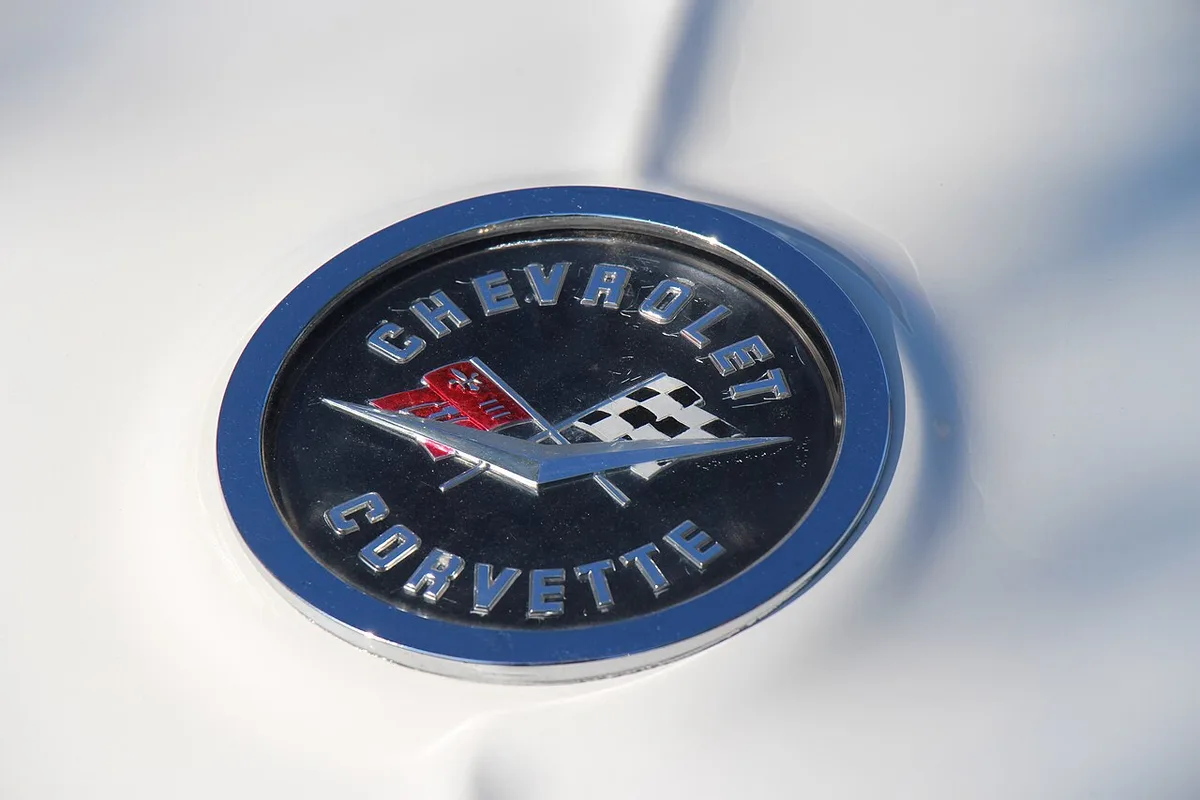
Next, look for the model name on the trunk lid or tailgate. It's the fastest clue and the easiest one to fake. Pulling the badges off, called debadging, is a cheap and common mod. Jalopnik notes that owners do it to make a base or mid-grade car look more high-end, or to hide that they bought a top-end model, which is how a sleeper stays quiet. Badges can mislead straight from the factory, too. With badge engineering, one car gets sold under two brands with different emblems.
Grilles, lights, and facelifts
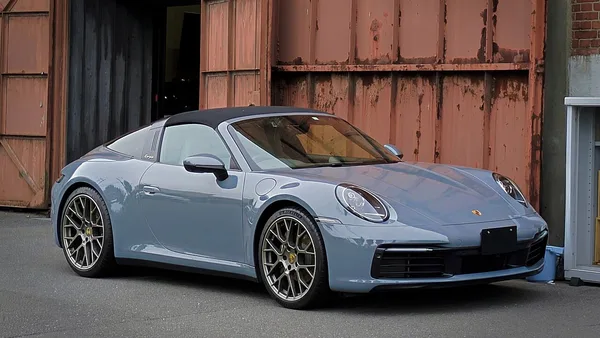
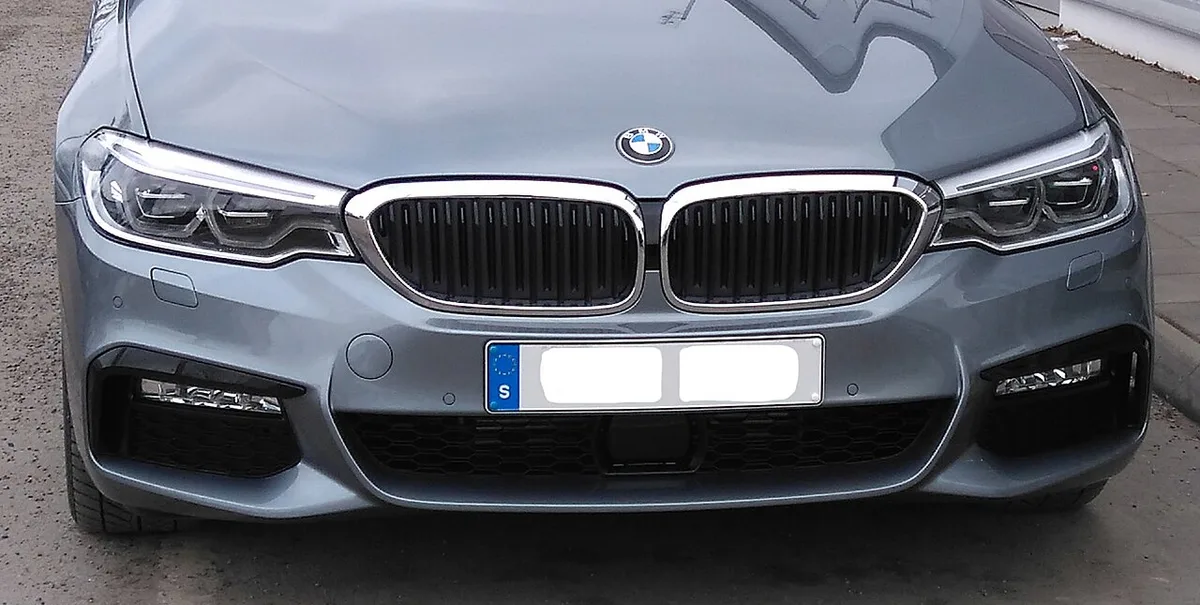
The front end is harder to fake, and automakers design it to be recognized. BMW says the BMW 303, first shown as a prototype at the Berlin Motor Show in February 1933, was its first model with the kidney-shaped grille. Porsche traces its four-point daytime running lights to the 918 Spyder, which debuted at the IAA in Frankfurt in September 2013. Its own magazine calls those headlights "the brand's new visual fingerprint." In December 2022, Porsche said its HD Matrix LED headlights keep the four-point graphic visible at night, with both low and high beams.
Volvo calls its headlight design Thor's Hammer and says it was first seen on the new XC90. Lights like these also help date a car. Volvo's V40 went into production in 2012, and in 2016 it got a major refresh with a concave grille, the new Volvo logo, and the Thor's Hammer headlights. A V40 wearing those lights is a refreshed car.
Other mid-cycle refreshes, or facelifts, are subtler. When Mazda refreshed the Mazda3 for 2017, Kelley Blue Book reported that the grille and headlamps were redrawn to look more like the nose of the CX-3 crossover, and the lower fascia got a wider, sleeker look. The rear changes were more understated, and full LED headlights and taillamps became an option. Compare the lights and bumpers in your photo against both versions before you settle on a year. A facelift can also change what a car is worth, as WhipJury found when it asked whether facelifted cars are more valuable.
Decoding the VIN in person
If you can see the car itself, the VIN settles most questions. Under federal rule 49 CFR Part 565, every VIN has 17 characters, drawn from numbers and letters with I, O, and Q left out. On a passenger car, it has to sit inside the cabin, readable through the glass by someone standing outside next to the left windshield pillar. In practice, you read it through the windshield on the driver's side.
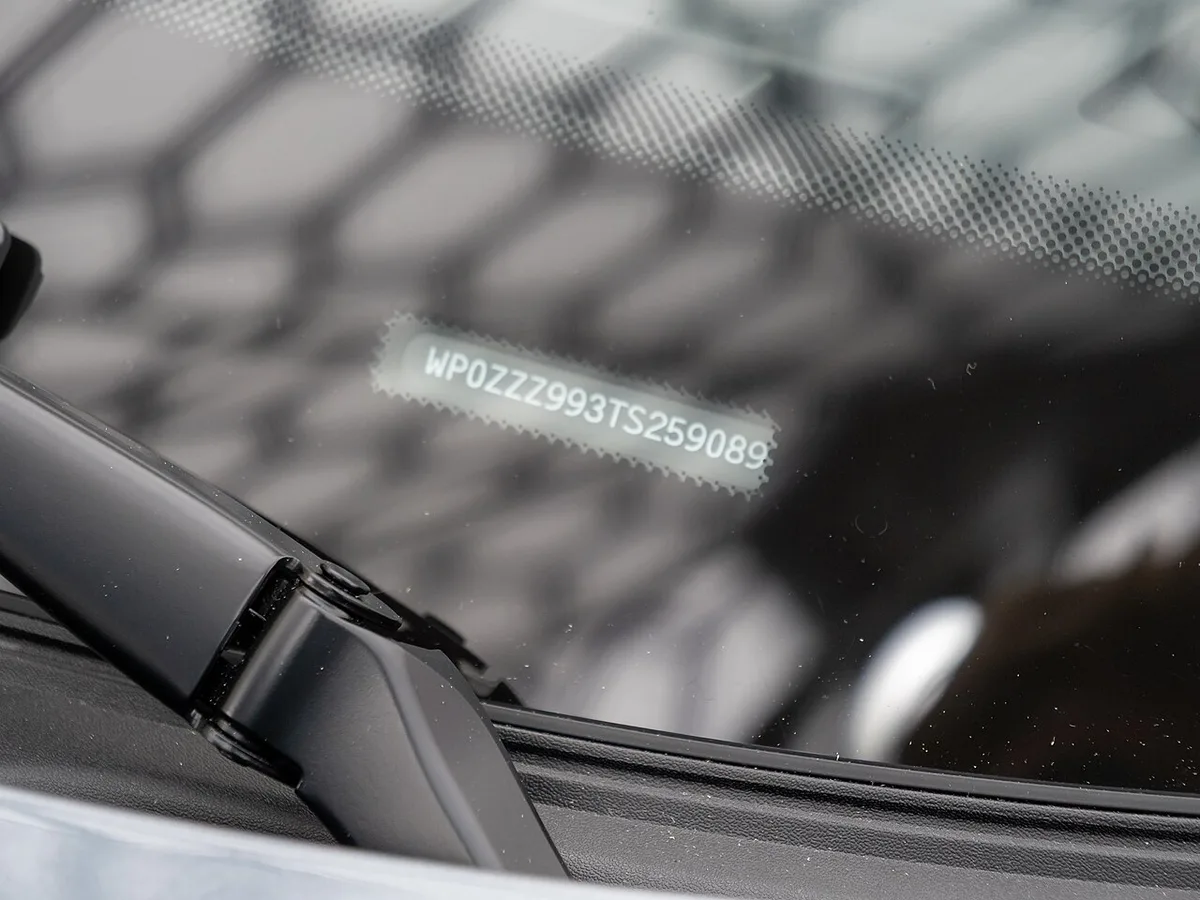
The VIN also appears on the certification label, which Part 567 places on the hinge pillar, the door-latch post, or the door edge next to the driver's seat. That label lists the month and year the car was built, too. High-volume makers use the first three to identify the manufacturer and vehicle type. Characters four through eight describe the car, and for passenger cars that means make, line, series, body type, engine type, and restraint devices. The ninth is a check digit, and the tenth is the model year. A 2024 car carries an R there, a 2025 an S, and a 2026 a T. The year letters repeat on a 30-year cycle, so an R can mean 1994 or 2024. The rule settles it with the seventh character. If that one is a number, the year falls between 1980 and 2009. If it's a letter, the year falls between 2010 and 2039.
You don't have to decode it by hand. NHTSA runs a VIN decoder on its vPIC site that lists what the manufacturer reported, including the build plant and country. NHTSA says vPIC is meant for model years 1981 and later, so older cars won't decode there. If every step comes up empty, owner clubs and car-spotting forums for the brand you suspect are worth a try, so post your clearest crop and say where the photo was taken.
Once you've put a name to it, rate how it looks against its rivals on WhipJury.
Sources:
Google Lens on a computer and in Chrome: Google
Searching part of an image in the Lens app: Google
Bing Visual Search and its accuracy warning: Microsoft
Why owners debadge: Jalopnik
The BMW 303 and the first kidney grille: BMW Group
The 918 Spyder and the four-point lights: Porsche Christophorus
The HD Matrix LED headlights: Porsche
Thor's Hammer headlights and the V40 refresh: Volvo
The 2017 Mazda3 refresh: Kelley Blue Book
The VIN length, character set, layout, year codes, and location: eCFR, 49 CFR Part 565
The door certification label: eCFR, 49 CFR 567.4
The VIN decoder and plant data: NHTSA
vPIC model-year coverage: NHTSA
Photos via Wikimedia Commons: Herranderssvensson (CC BY-SA 3.0), poqua (CC BY-SA 2.0), Matti Blume (CC BY-SA 4.0)
Frequently Asked Questions

Jeffrey Wiley has spent more time than he'd like to admit thinking about what makes a car look right. He writes about automotive design, car culture, and the opinions people have strong feelings about. He lives in north Georgia.