DuelsLeaderboardGarageBlogCarsGlossaryBrowse

Mitsubishi Lancer Evolution

Mitsubishi
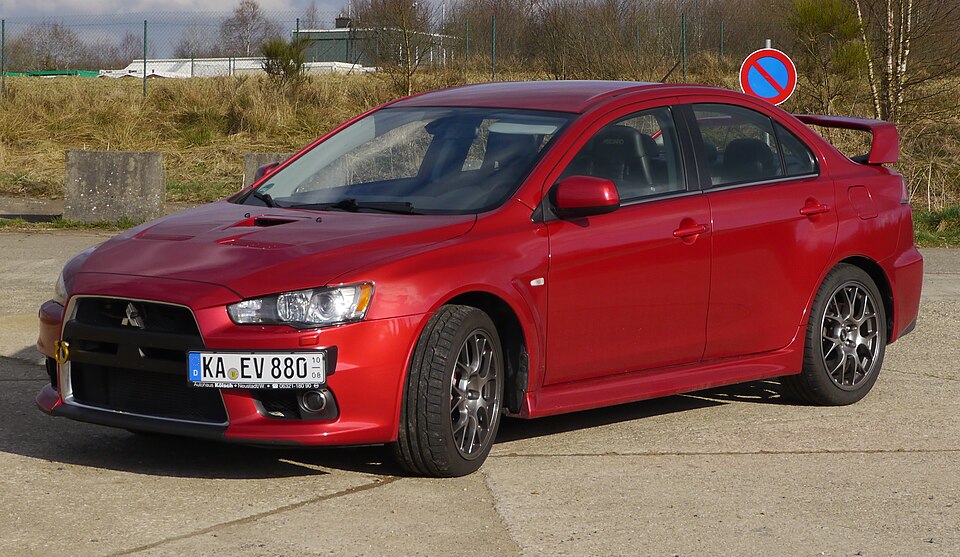
Mitsubishi Lancer Evolution: Mitsubishi's homologation special. Ten generations of Lancer Evolution from 1992-2016. AWD turbo with 4G63T (l
Photo: Klaus Nahr / Wikimedia Commons · CC BY-SA 2.0

Mitsubishi's homologation special. Ten generations of Lancer Evolution from 1992-2016. AWD turbo with 4G63T (later 4B11T) engines.

The Mitsubishi Lancer Evolution (often called Lancer Evo, Evo, or just Evo) is a sport sedan produced from 1992 to 2016 across ten generations. The Evolution was Mitsubishi's homologation special for World Rally Championship competition. The car evolved from a relatively conservative Lancer sedan into one of the most aggressive AWD performance sedans ever produced. The Evo lineage uses turbocharged 4G63T inline-four (Evo I-IX) or 4B11T inline-four (Evo X) engines making 280 horsepower factory rating in JDM markets (likely more in actual). The chassis uses Mitsubishi sophisticated AWD system with Active Yaw Control on the rear differential, providing exceptional cornering performance. Six-speed manual transmissions are standard; Evo X added the Twin Clutch SST automated manual. The Evolution generations: I-III (1992-1996, compact bodies), IV-VI (1996-2001, the 280 horsepower JDM era with Active Yaw Control), VII-IX (2001-2007, larger Lancer body, Brembo brakes, BBS wheels), and Evo X (2008-2016, 4B11T engine and SST gearbox). The Evo VI Tommi Makinen Edition is one of the most collectible. The Evolution has been the Subaru WRX STI's primary rival across multiple decades. The two cars share similar DNA (turbocharged AWD performance sedans) but differ in execution. Mitsubishi discontinued the Evo X in 2015-2016 with no successor. On WhipJury, Evolution submissions are particularly active. Evo VIII (2003-2005), Evo IX (2005-2007), and Evo X (2008-2016) are most common in North America. Modified examples with engine and chassis upgrades are common.

Evolution generations

Evo I-III (1992-1996). Compact bodies, 4G63T turbo, AWD. Built primarily for Group A rally homologation.

Evo IV-VI (1996-2001). The 4G63 makes the famous 280 horsepower JDM cap. Active Yaw Control debuts. Evo VI Tommi Makinen Edition.

Evo VII-IX (2001-2007). Bigger Lancer body. Evo VIII MR and Evo IX MR FQ-360 are connoisseur picks.

Evo X (2008-2016). New 4B11T engine. Twin Clutch SST optional. Final Edition in 2015 ended the line.

Lancer Evolution on WhipJury

Evo VIII and Evo IX are the most common in North America. Modified examples (with built engines, larger turbos, suspension upgrades) are common. Stock examples in clean condition reliably do well in voting. The community recognizes the Evo as one of the seminal modern AWD performance cars.
Frequently asked questions about Mitsubishi Lancer Evolution

Why is the 4G63T so respected?
The 4G63 turbo is, alongside the Toyota 2JZ-GTE and the Nissan RB26DETT, one of the most respected Japanese tuner engines. Iron block, capable of holding 600+ horsepower on factory internals with proper supporting modifications. Used in every Lancer Evolution from I through IX, the Eclipse GSX, the Galant VR-4, and the Eagle Talon TSi AWD. Aftermarket support remains strong even now.
Is the Evo or STI faster?
Generation by generation, very close. The Evo is generally considered sharper-handling and more focused, the STI more refined and faster in a straight line. In a stock-versus-stock comparison the lap times are usually within seconds at most tracks. Driver and tune matter more than badge.
Why did Mitsubishi stop making the Evo?
Sales declined globally in the late 2000s as the segment shifted toward more refined, less specialized hot sedans like the Volkswagen Golf R and BMW M3. Mitsubishi as a company also faced financial difficulties and pivoted toward higher-volume crossovers. The Evo X Final Edition in 2015 ended the line.
Are Evos reliable?
The 4G63 turbo is durable on stock or moderate boost. Pushed hard with poor tuning or skipped maintenance, all Evos can develop ringland or rod bearing issues. The transmissions and transfer cases also wear under abuse. A documented-history clean Evo with reasonable mileage and proper maintenance is reliable. A neglected one is a project.
Are Evos legal in the US?
Evo VIII (2003-2005) was the first Evo officially sold in North America. Evo IX (2005-2007) and Evo X (2008-2016) followed. Earlier Evo I-VII variants were JDM-only. JDM Evo I-VII can be imported under the 25-year rule (Evo VII in 2027). Evos sold in the US are widely available used.

More on the Mitsubishi Lancer Evolution

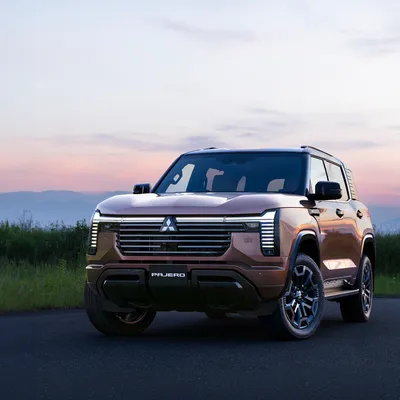
Mitsubishi brought the Pajero back as a real Land Cruiser rival

Mitsubishi revealed a fifth-generation Pajero on September 2, a body-on-frame SUV built in Thailand and aimed at the Toyota Land Cruiser. It is the first new Pajero since 2021, with a ladder frame from the Triton pickup, 9.1 inches of ground clearance, and a 2.4-liter turbodiesel.

The Cars That Look Best Dirty

Most cars look worse dirty. A dusty black sedan looks neglected. A water-spotted white crossover looks like it spent a week in a grocery store parking lot. But there is a specific category of vehicle where a layer of dirt, dust, or mud does not hurt the design at all. In some cases it actively improves it. These are those cars and the reason is more interesting than it sounds...

Other Mitsubishi models

3000GTDiamanteEclipseEclipse CrossEndeavorFTOGalantGTOLancerMirageMonteroOutlander
More Mitsubishi models