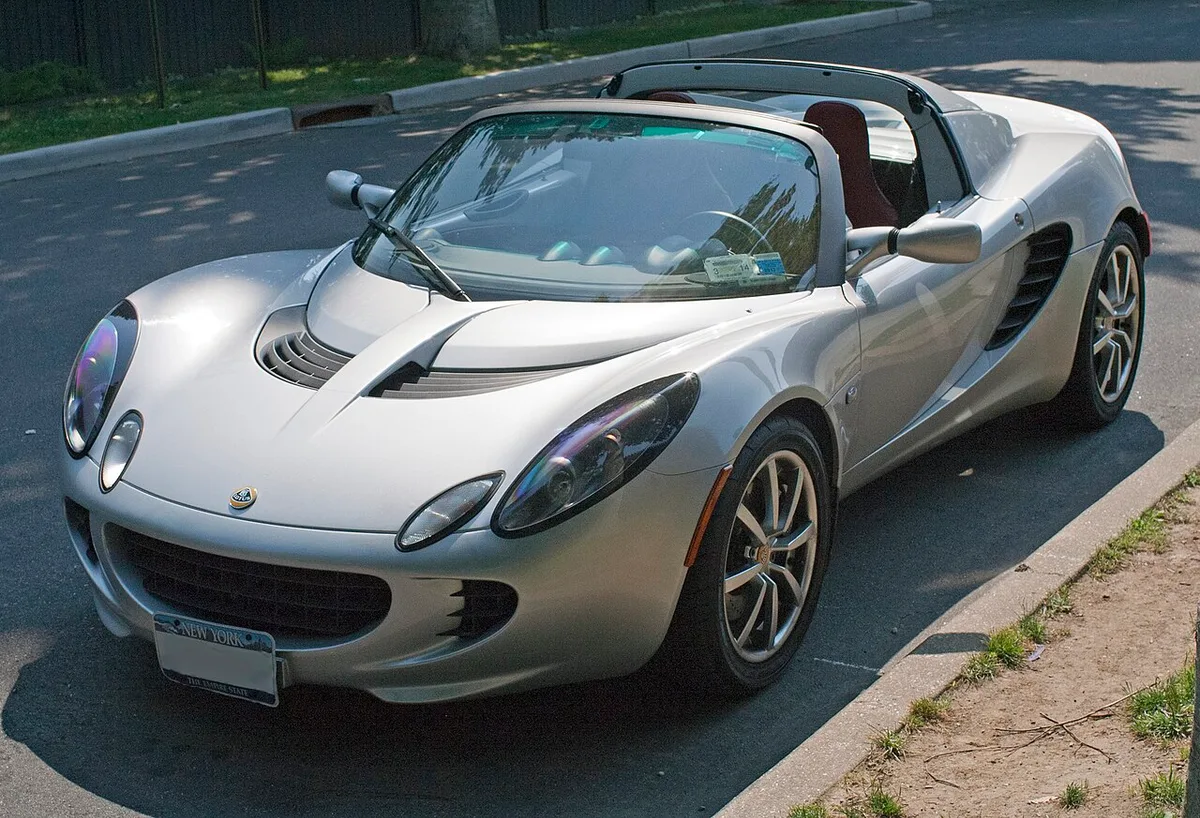
Yes. Lotus started putting Toyota engines in the Elise in the spring of 2004, and Toyota power stayed until production ended in December 2021. The first Elises used a different engine, a 1.8-liter Rover K-Series four-cylinder.
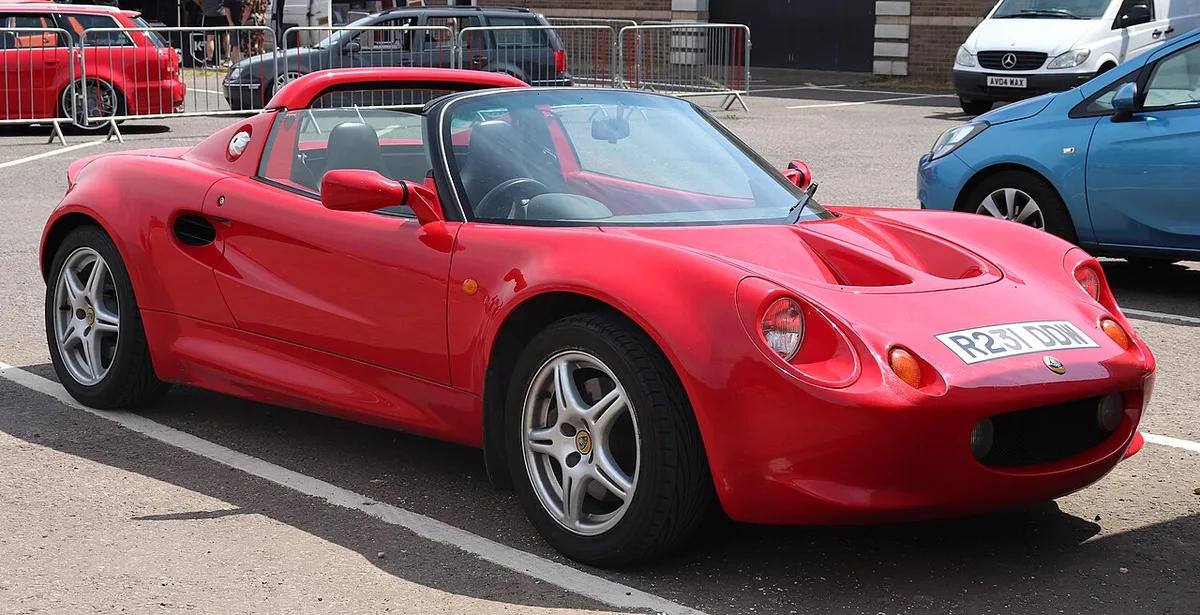
The Elise made its public debut at the Frankfurt Motor Show on September 12, 1995, and the Series 1 went on sale in 1996. Lotus says the launch engine made 118 bhp and drove through a five-speed gearbox. It sat crosswise behind the driver, which makes the Elise a mid-engine car. PistonHeads puts the original car at 725 kg.
Why Lotus switched to Toyota
The Series 2 arrived at the Birmingham Motor Show in October 2000 and kept the Rover engine at first. Autocar says the base S2 made 120 bhp, and the 2002 111S added variable valve timing for 160 bhp.
PistonHeads gives two reasons for the change. Lotus was looking at Rover's weak finances, and it wanted to sell the Elise in America. Rover was out of business a year after the switch. Grassroots Motorsports adds that the Rover engine had never been sold in the US and could not be made legal there without a large expense.
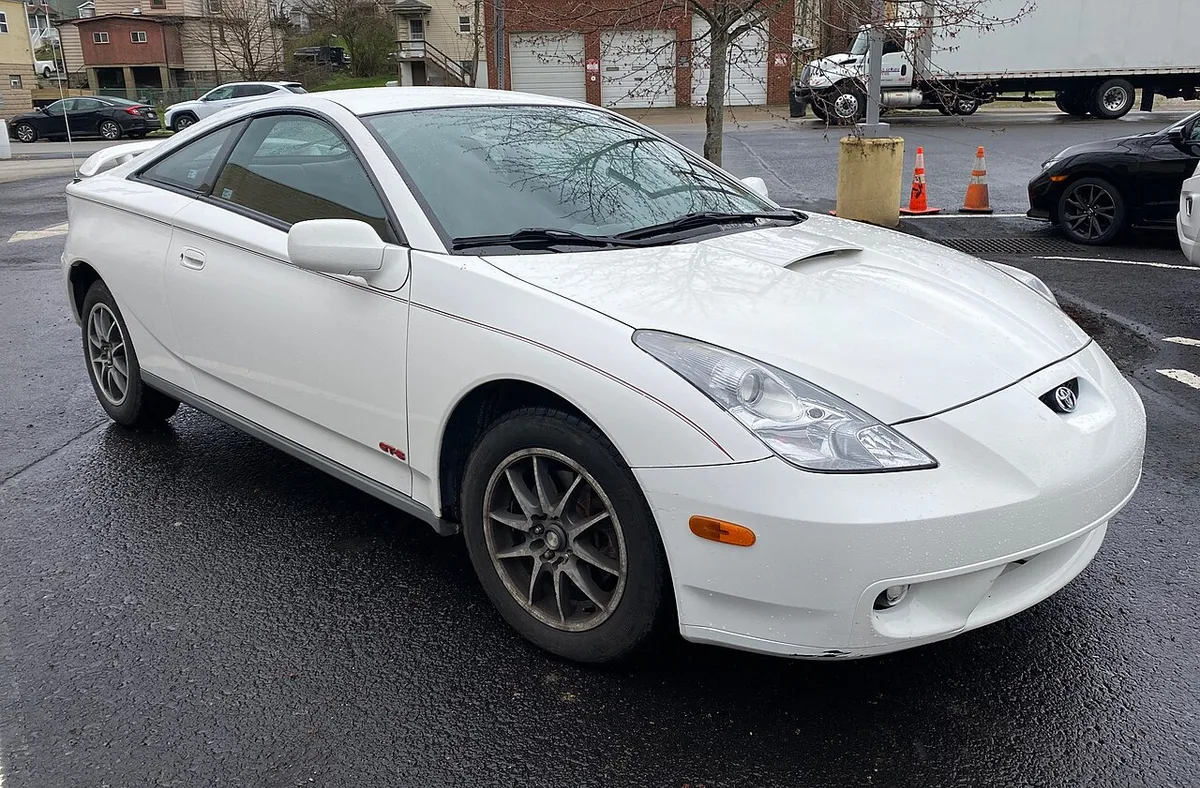
The answer was Toyota's 1.8-liter 2ZZ-GE. Toyota launched it in the redesigned Celica in September 1999 with VVTL-i, a system that varies both valve timing and valve lift. In the US, the same engine was already approved for the Celica GT-S and the Corolla and Matrix XRS, per Grassroots Motorsports. MotorWeek described it as Yamaha engineered.
Every Toyota engine in the Elise
Lotus dates the new VVTL-i engine to the spring of 2004 and gives it an 8,500 rpm redline. Autocar lists the 2004 Elise R at 190 bhp with a six-speed gearbox. The first US cars came in late 2004 as 2005 models, and MotorWeek quoted 190 hp and 138 lb-ft. Lotus wrote its own engine management and fitted its own intake and exhaust manifolds, according to Grassroots Motorsports.
The K-Series ended in 2006. Autocar says the new entry-level Elise S used a 134 bhp Toyota 1.8, which PistonHeads identifies as the 1ZZ. In 2008, Lotus added a supercharger, which took output from 189 bhp to 217 bhp.
The US run ended after the 2011 model year. Grassroots Motorsports says a federal airbag waiver expired and Toyota planned to stop building the 2ZZ. PistonHeads reports that the last 2ZZ Toyota built went into an Elise R presented to Toyota president Akio Toyoda in 2010.
For the 2011 model year, the base Elise switched to Toyota's 1.6-liter 1ZR-FAE with Valvematic, per GoAuto. evo lists it at 134 bhp at 6,800 rpm. The 2012 Elise S then got a supercharged Toyota 1.8 with a Magnuson blower, rated at 217 bhp and 184 lb-ft at 4,600 rpm by Top Gear. Japanese magazine OPENERS lists its engine code as 2ZR-FE. Lotus says that supercharged 1.8 stayed in the Elise until the end, and in Cup 260 form evo says it made 250 bhp.
Lotus built 35,124 Elises in all, according to Motor1. The last one, a yellow Elise Sport 240 Final Edition, was finished in December 2021 and kept for the Lotus heritage collection. For more on why the engine sits behind the seats, see our guide to engine layouts.
Prefer the Rover-engined original or a later Toyota car? Rate them both on WhipJury.
Sources:
The 1995 debut, the launch engine, the 2004 Toyota engine, the 2008 supercharger, and the supercharged 1.8 lasting to 2021: Lotus
The 2ZZ-GE and VVTL-i in the 1999 Celica: Toyota
The Rover K-Series outputs, the 2004 Elise R, and the 2006 change: Autocar
Why Lotus switched, the original weight, the 1ZZ, and the last 2ZZ: PistonHeads
US certification, the Celica GT-S and XRS engine, Lotus tuning, and the end of US sales: Grassroots Motorsports
US output and the Yamaha engineering: MotorWeek
The 1ZR-FAE: GoAuto
Series 3 outputs: evo
The 2012 Elise S: Top Gear
The 2ZR-FE engine code: OPENERS
Production totals and the last car: Motor1
Photos via Wikimedia Commons: Mr.choppers (CC BY-SA 3.0), Vauxford (CC BY-SA 4.0), and Cutlass (CC0 1.0)
Frequently Asked Questions

Jeffrey Wiley has spent more time than he'd like to admit thinking about what makes a car look right. He writes about automotive design, car culture, and the opinions people have strong feelings about. He lives in north Georgia.