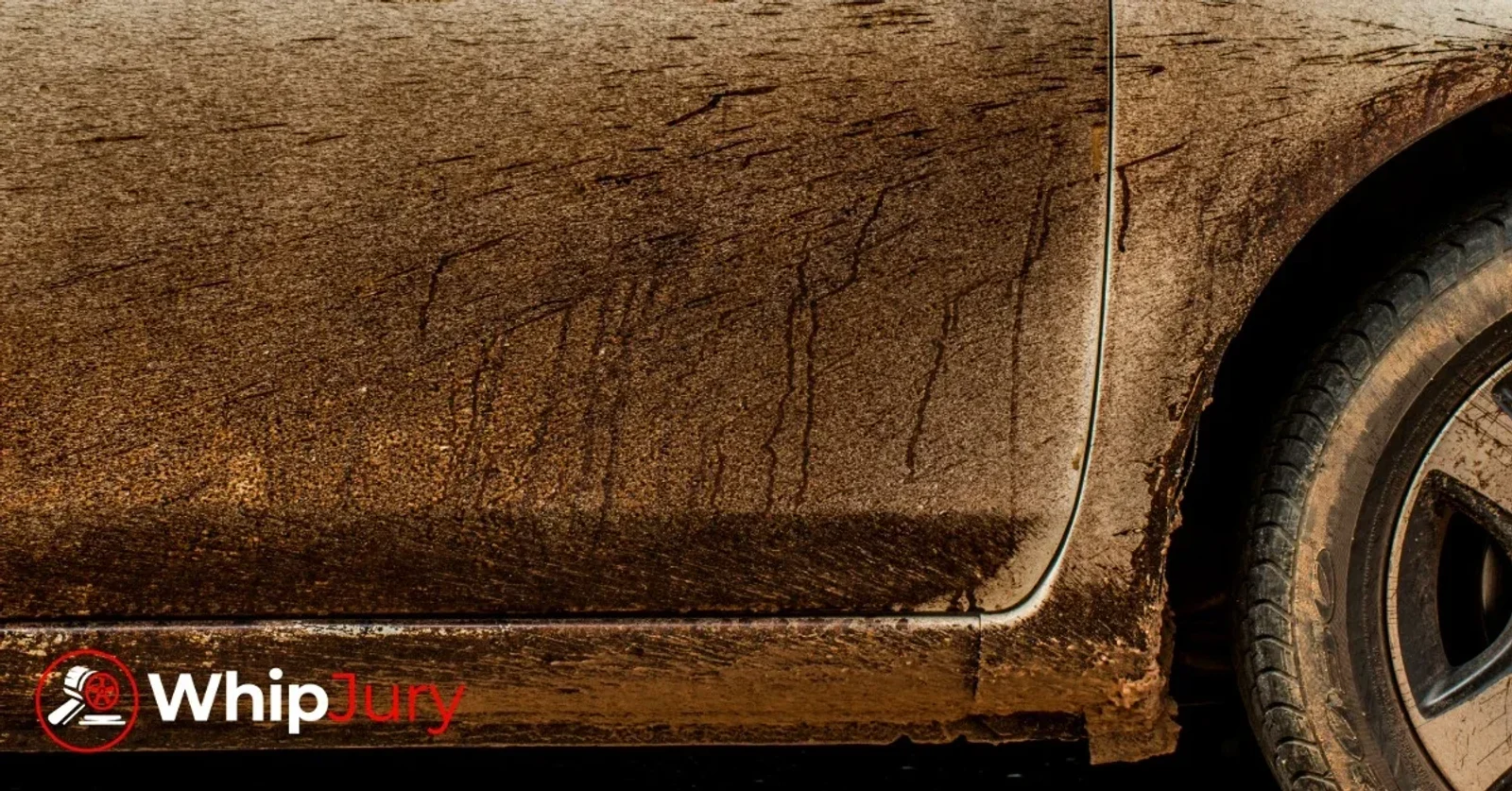
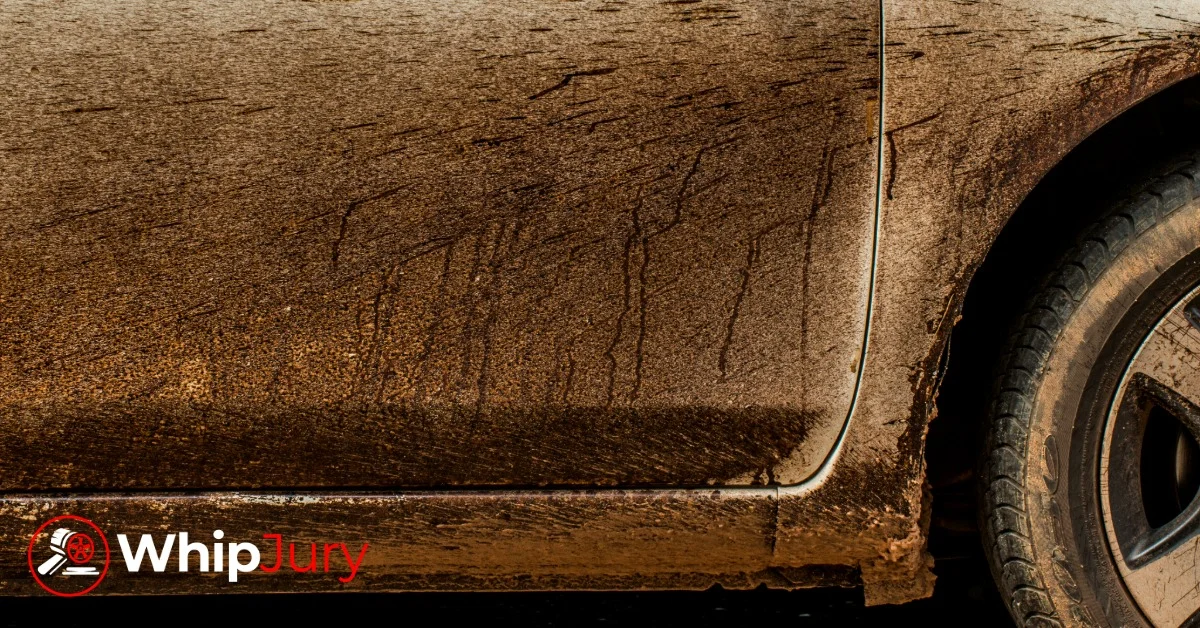
Most cars look worse dirty. A dusty black sedan looks neglected. A water-spotted white crossover looks like it spent a week in a grocery store parking lot. But there is a specific category of vehicle where a layer of dirt, dust, or mud does not hurt the design at all. In some cases it actively improves it. These are those cars and the reason is more interesting than it sounds.
The Jeep Wrangler
The Wrangler is the most obvious entry on this list and also the most instructive. Mud on a Wrangler is not dirt. It is evidence. The entire design language of the Wrangler is built around capability and the implication of use, and a dirty Wrangler is delivering on that promise in a way a clean one is not. A spotless Wrangler in a suburban driveway looks like a lifestyle prop. The same Wrangler with dried mud on the rock rails and dust on the hood looks like it went somewhere.
This is the key principle behind why some cars look better dirty: the design has to be built around the idea of use rather than the idea of show. When the vehicle's whole visual argument is capability, dirt confirms the argument instead of contradicting it.
The Land Rover Defender
The original Defender looks better with a patina of dust and use than fresh off a transporter, which is one reason the restomod market around it is so strong. Owners who spend real money on Defender restomods often deliberately avoid making them too clean because the cleanness reads as wrong for the vehicle. A Defender that looks like it crossed the Serengeti last Tuesday has something a showroom-fresh one does not: credibility.
The current generation Defender is a more complicated case. It is softer and more polished than the original and that polish means it looks better clean than its predecessor did. But a lightly dusty new Defender still photographs better than most cars do freshly washed because the design has enough visual mass and confidence that surface condition barely registers against it.
Rally Cars and the Dirt Livery
There is a reason the most iconic rally car photos are mid-stage shots with rooster tails of gravel and coats of dust rather than pre-stage shots with clean paint. The Subaru WRX STI, the Ford Focus RS, the Mitsubishi Lancer Evolution. These cars were designed in dialogue with motorsport imagery and that imagery almost always involves dirt and speed together. A clean WRX STI in a parking lot is a nice car. The same car covered in stage dust crossing a gravel hairpin is a different object entirely.
The design carries the association whether the car has ever been near a rally stage or not. A dusty Subaru WRX on a dirt road looks like it belongs there in a way a dusty Toyota Avalon never would, because the WRX's design spent years building that association and the Avalon's design spent years building the opposite one.
Matte and Satin Finishes
Matte paint is a special case because it is a finish specifically designed to look like it is not trying, which means a light coat of road dust barely changes the visual character of the car. A matte gray Porsche 911 with a few days of urban dust on it looks almost identical to one that was just wiped down. The finish does not depend on gloss and reflection to do its job, so the absence of those things does not register as neglect.
This is partly why matte finishes became popular on performance and luxury cars in the 2010s. They look intentional in a way that standard finishes do not and they are more visually forgiving about the reality of daily use. A matte black BMW M3 that has not been washed in two weeks looks like a design decision. A gloss black M3 in the same condition looks like a problem.
The Cars That Dirt Destroys
For context, the cars that look worst dirty are exactly the ones you would expect: anything white or light silver with complex surface detailing, anything with a design language built around precision and cleanliness, anything European and restrained. A dusty Volvo S90 in white looks like a car that has been forgotten. A dusty Ferrari 488 in Rosso Corsa looks like someone made a terrible decision. These cars depend on surface condition to make their argument and when the surface fails, the argument fails with it.
The lesson is that a car's relationship with dirt is designed in, not accidental. The Wrangler is built to look good dirty. The S90 is built to look good clean. Knowing which one your car is tells you something about what kind of photos will actually win faceoffs and what kind will quietly lose them.
Put your car in a faceoff on WhipJury and find out which category it falls into.

Cam Walsh has been obsessing over cars since before he could drive one. Based out of Atlanta, Cam covers automotive design, car culture, and the eternal debate over which whips actually look the part.