DuelsLeaderboardGarageBlogCarsGlossaryBrowse

Honda Accord

Honda

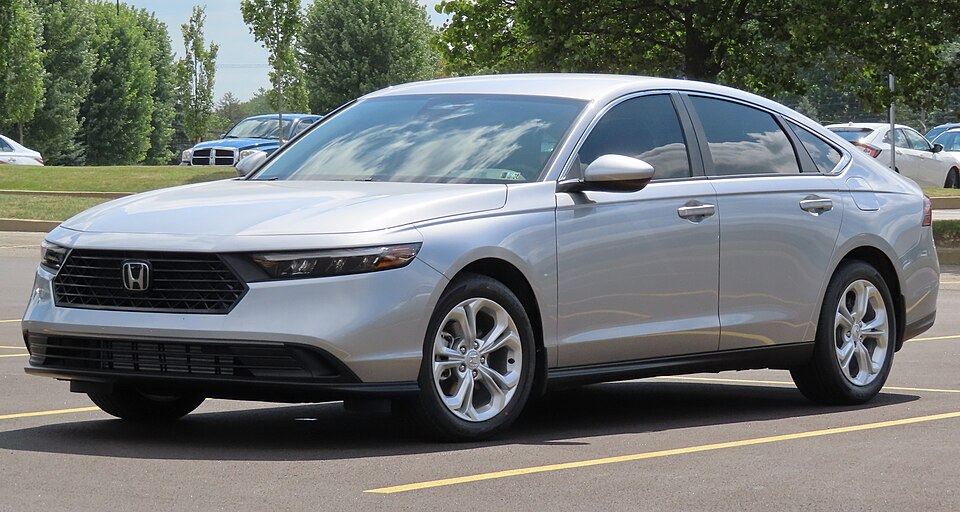
Honda Accord: Honda's mid-size sedan, in continuous production since 1976. The Accord has anchored Honda's North American li
Photo: MercurySable99 / Wikimedia Commons · CC BY-SA 4.0

Honda's mid-size sedan, in continuous production since 1976. The Accord has anchored Honda's North American lineup for decades.

The Honda Accord is Honda mid-size sedan, in continuous production since 1976 across 11 generations. The Accord has been one of the best-selling cars in the United States for decades, anchoring Honda North American lineup. The model spans hatchback, sedan, and coupe body styles across generations, with the sedan being the primary modern variant. Notable Accord generations include the third-generation (1986-1989, the first Accord to win Car of the Year), the fifth-generation (1994-1997, the breakthrough mid-size that shifted American buyers toward Japanese sedans), the seventh-generation (2003-2007, with V6 power and Acura RSX-derived chassis dynamics), the eighth-generation (2008-2012, with the Type R-inspired Sport variant), and the modern tenth and eleventh generations (2018+) with hybrid powertrains. The Accord Coupe (sold from 1990-2017) was the two-door variant of the Accord sedan. The V6 Accord Coupe of the seventh and eighth generations was one of the few V6 sport coupes in its segment. Production of the Accord Coupe ended in 2017 as Honda focused on sedan production. The current Accord (eleventh generation, 2023+) uses turbocharged 1.5-liter four-cylinder, 2.0-liter four-cylinder hybrid, or 2.0-liter four-cylinder turbo (with eight-speed dual-clutch transmission in the Sport trim). The hybrid Accord is the volume seller in modern markets. On WhipJury, Accord submissions are common across the model history. Fifth and seventh generation Accords with V6 swaps or modifications appear regularly. The Accord Coupe V6 has a small but devoted following. Modern Accord Sport and Hybrid examples are increasingly common as the cars age into the platform.

Accord generations

First (1976-1981). Original Accord. Hatchback. Conservative styling and small displacement.

Fifth (1994-1997). Breakthrough generation. Won numerous comparison tests against domestic mid-size sedans and shifted American buyers toward Japanese alternatives.

Seventh (2003-2007). V6 became more powerful. Accord Coupe V6 6MT was a notable enthusiast variant.

Eighth (2008-2012). Sport variant with Type R-inspired chassis tuning.

Ninth (2013-2017). Last V6 Accord. Eighth-generation Accord Coupe V6 6MT remains a sought-after sport coupe.

Tenth and eleventh (2018+). Turbo four-cylinder and hybrid powertrains. Hybrid is the volume modern Accord.

Accord on WhipJury

Modern Accord Sport (2018+) submissions are common. Older eighth-generation V6 cars appear regularly. Accord Coupes (including V6 variants) have a small but devoted following. Modified Accords with engine swaps or significant performance modifications appear occasionally.
Frequently asked questions about Honda Accord

When was the last V6 Accord?
The ninth-generation Accord (2013-2017) was the last V6. Honda discontinued the V6 option starting with the tenth generation (2018). Modern Accords use turbocharged four-cylinders or hybrid powertrains. The V6 Accord Sport Coupe of 2008-2012 is now a recognized performance Accord and is increasingly sought after used.
Why was the Accord Coupe discontinued?
Slow sales. The Accord Coupe (1990-2017) was discontinued because two-door coupe demand had declined significantly. Honda focused on sedan production for higher volume. The decision left no Accord-sized two-door in the lineup; the closest current Honda is the Civic Coupe (also discontinued for current generation).
Are Accords reliable?
Yes, generally. The Accord has a strong reliability reputation across most generations. Common issues include automatic transmission problems on certain years (especially 2003-2007 V6 Accords with five-speed automatic), electrical gremlins on modern Accords with infotainment, and various age-related items on older cars. The K20, K24, and various engines are durable when maintained.
Can I make an Accord fast?
Yes, with modifications. The K-series engines respond to bolt-ons and forced induction. Suspension upgrades transform the chassis. Engine swaps (J-series V6 for non-V6 trims, K-series for older Accords) are popular. Performance Accords have been built making 400-600+ wheel horsepower. The platform supports significant performance development.
Is the Accord Hybrid faster than the Accord Sport?
Closer than expected. The Accord Sport (with 2.0-liter turbo) makes 252 horsepower. The Accord Hybrid (combined output) makes 204 horsepower combined. The Sport is faster in straight-line acceleration, but the Hybrid has better torque delivery at low speeds. The Hybrid is the more efficient choice; the Sport is the more aggressive driver choice.

More on the Honda Accord

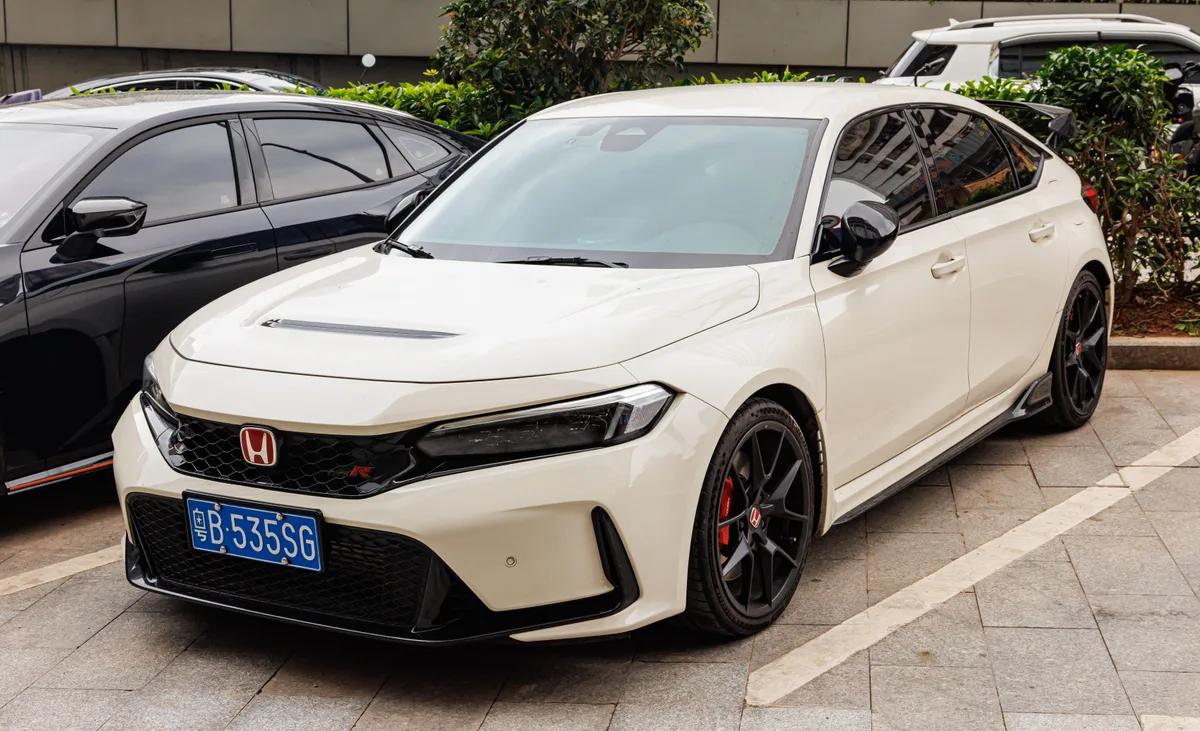
Honda's hardcore Type R HRC is reportedly heading to production

Honda Racing Corporation's track-focused Civic Type R could become a full production model by 2027, according to Japanese outlet Response. What's confirmed is the aero kit itself, which HRC president Koji Watanabe says will be sold as accessories. Takuma Sato tested it at Suzuka and called it "way better" than standard.

Badge engineering: When two cars are the same car

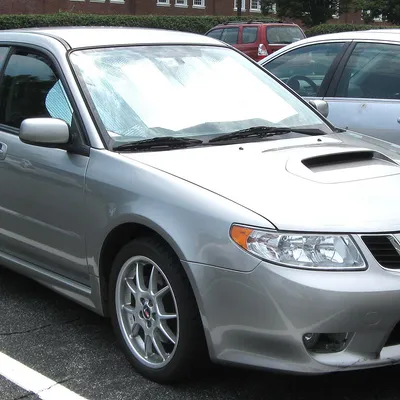
Badge engineering is selling one car under another brand with new badges and a reworked face. The oddest example is the Saab 9-2X, a Subaru WRX with a Saab nose that nobody wanted. Here's why carmakers keep doing it, and what it reveals about how much a grille is actually worth.

What Is a K-Swap, and Why Is It Everywhere?

A K-swap means dropping a Honda K-series four-cylinder into a car that didn't come with one, and it's the most popular engine swap in the world. Introduced in 2001, the K20 and K24 make easy power, run i-VTEC, and are cheap and everywhere. Here's why K-swap the world became a plan.

What Is the 20/4/10 Rule for Buying a Car?

The 20/4/10 rule is a car-buying guideline that says you should put at least 20 percent down, finance for no more than 4 years, and keep your total monthly transportation costs under 10 percent of your gross monthly income. Transportation costs means everything: the loan payment, insurance, fuel, and maintenance.

Other Honda models

BeatCityCivicCivic SiCivic Type RCR-VCR-XCR-ZDel SoleElementFit
More Honda models