Honda Element
JDM · Honda
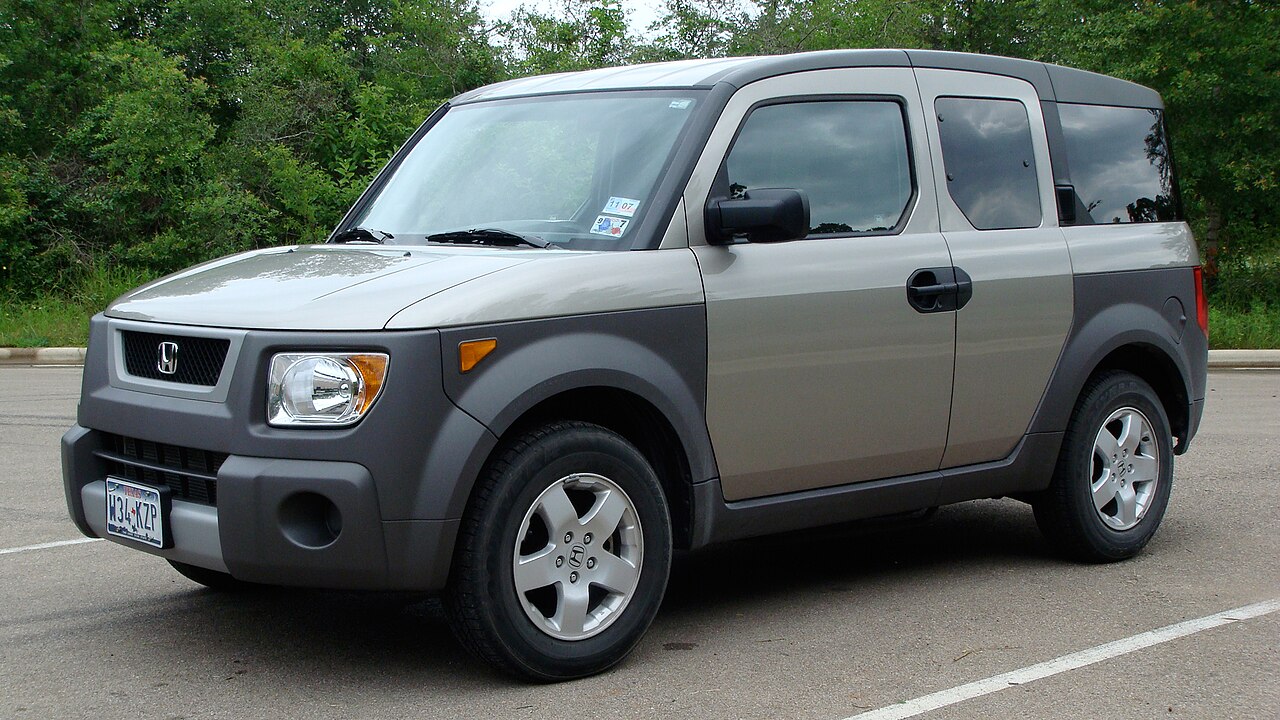
The boxy, versatile cult crossover (2003-2011). Clamshell doors and washable interior.
The Honda Element is a boxy, utilitarian crossover (2003-2011) that developed a strong cult following for its quirky design and remarkable versatility. With side clamshell doors (no B-pillar), a durable washable interior, flexible seating, and available all-wheel drive, it was built for active, outdoorsy lifestyles. The Element prioritized function and individuality over conventional style, appealing to surfers, dog owners, and adventurers who valued its hose-out practicality and distinctive look. Discontinued in 2011, clean examples have become sought after by enthusiasts. On WhipJury, the Element appears as a beloved, quirky utility crossover.
Element specifications
Boxy crossover, side clamshell doors with no B-pillar, washable interior, available all-wheel drive. Built for active lifestyles. Produced 2003-2011.
Element on WhipJury
A cult utility crossover, beloved for its quirky versatility.
Frequently asked questions about Honda Element
More on the Honda Element
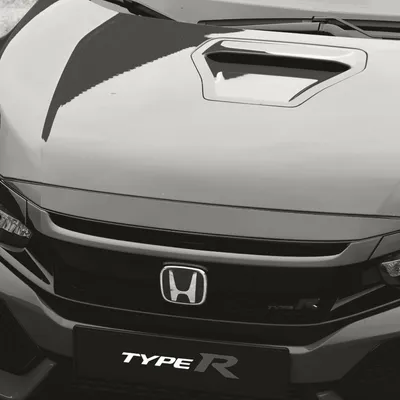
The Honda Civic Type R comes in five colors and the answer to which one is best is more settled than almost any other car color debate. It's Championship White. It has been Championship White...

Car culture has its own language and it moves fast. A conversation about a Skyline build can cover RB26 specs, ATTESA AWD, coilovers, hellaflush stance, and RWB widebody kits before you've finished your first coffee. If you don't know the vocabulary, you're not lost exactly, but you're definitely translating while everyone else is talking.
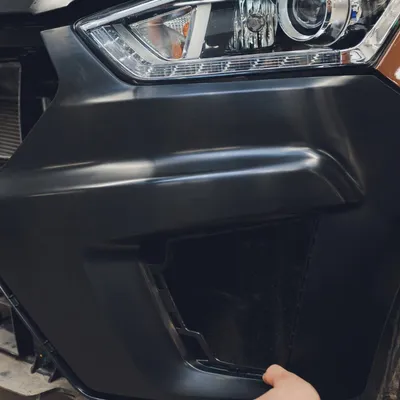
It's not the badge. It's not the wheel size. It's not even the color, though color contributes. The single feature that makes any car look cheaper than it is, regardless of what it cost, regardless of how good the rest of the design is, is unpainted plastic cladding on the lower body panels...
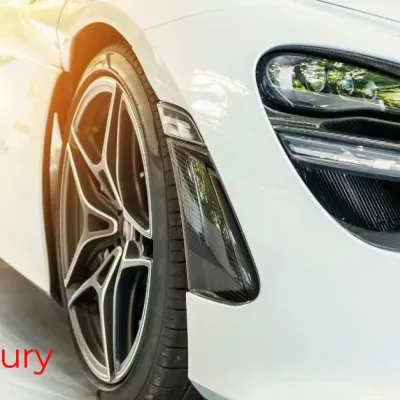
White is the best-selling car color in the world. Has been for over a decade. Buyers choose it because it's safe, resells well, hides dust reasonably, and looks clean on a configurator screen. None of those are design reasons. And design is exactly what white tests, mercilessly, every time a car wears it...