DuelsLeaderboardGarageBlogCarsGlossaryBrowse

Citroen C4 Cactus

Citroen
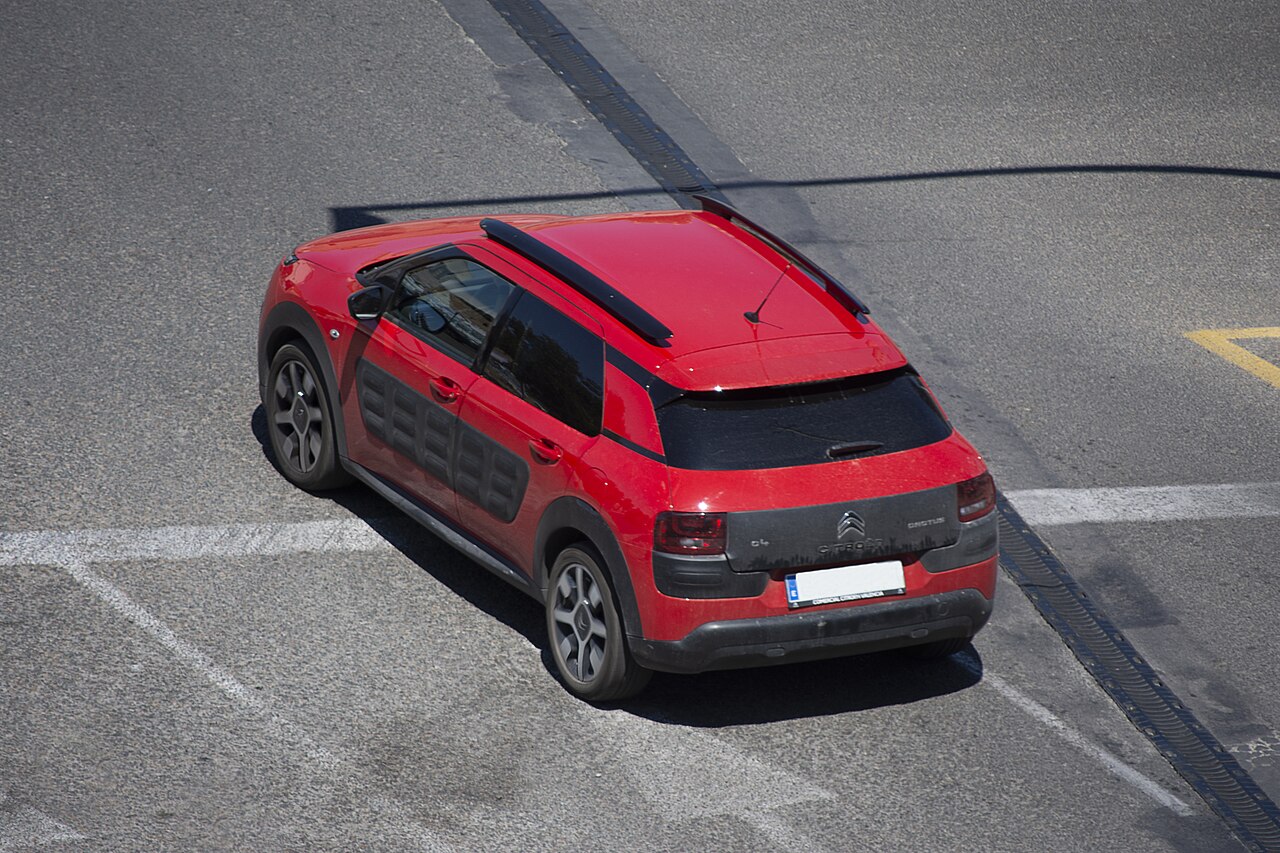
Citroen C4 Cactus: Citroen C4 Cactus: Comfort Wrapped in Rubber Armor
Photo: Dorieo / Wikimedia Commons · CC BY-SA 4.0

Citroen C4 Cactus: Comfort Wrapped in Rubber Armor

The Citroen C4 Cactus stood out with rubberized Airbump panels designed to survive the dings and scrapes of everyday city life.

Launched in 2014, the C4 Cactus was Citroen's attempt to rethink what a compact crossover could look like, stripping away unnecessary complexity in favor of a lighter, simpler, more comfort-focused design. Its most distinctive feature was the Airbump, a set of rubberized panels along the doors that absorbed minor impacts from shopping carts, car doors, and tight parking without leaving a mark.

Inside, the Cactus continued that minimalist philosophy with a simplified dashboard, a large central touchscreen replacing many physical buttons, and lightweight materials aimed at improving efficiency without sacrificing comfort. Citroen's Progressive Hydraulic Cushions in later suspension updates continued the brand's decades-long pursuit of a smoother ride even without traditional hydropneumatic hardware.

The Cactus name was eventually dropped as Citroen folded its design ideas into the broader C4 lineup, but the original Airbump concept left a lasting impression as one of the more genuinely inventive small crossover designs of the 2010s.

Frequently asked questions about Citroen C4 Cactus

What are the Airbump panels on the C4 Cactus?
Airbump panels are rubberized inserts along the doors designed to absorb minor impacts and scrapes from everyday parking and city driving without denting or scratching the body.
When was the Citroen C4 Cactus introduced?
The C4 Cactus launched in 2014 as a compact crossover with a minimalist design philosophy that set it apart from conventional small SUVs.
Is the Citroen C4 Cactus still in production?
No, the Cactus name was discontinued as Citroen folded its design ideas into the mainline C4 lineup, which now carries similar comfort-focused engineering.
What made the C4 Cactus's interior different from rivals?
It featured a simplified dashboard with a large central touchscreen replacing many physical controls, along with lightweight materials aimed at both comfort and efficiency.
Did the C4 Cactus use hydropneumatic suspension?
Not the traditional hydropneumatic system; later versions instead used Progressive Hydraulic Cushions, a simplified damping technology aimed at delivering a similarly smooth ride.

Other Citroen models

2CVAmiBerlingoC3C4C5DSSaxoXsara
More Citroen models