Chevrolet Camaro
Muscle · Chevrolet

Mustang's primary rival. Six generations across 56 years (1967-2024). The Z/28 of 1969, the IROC of the 1980s, the modern ZL1 of the 2010s.
The Chevrolet Camaro is an American pony car produced from 1967 to 2024 across six generations (with a hiatus from 2002-2009). The Camaro was Chevrolet response to the Ford Mustang and became the primary rival in the pony car segment. Each generation has produced iconic variants, particularly the Z/28 trim that has anchored the Camaro performance lineage across multiple eras. The 1969 Camaro Z/28 (with 302 cubic inch high-revving small block V8) is the original SCCA Trans-Am homologation special and is among the most collectible muscle cars. Various subsequent Z/28 variants across generations have continued the focused performance lineage. The fifth-generation Camaro (2010-2015) returned the Camaro to production after a 7-year hiatus. The platform was based on the Australian Holden Commodore VE platform. The Camaro SS (with 6.2 LS3) and the ZL1 (with supercharged 6.2 LSA making 580 horsepower) defined the modern Camaro era. The sixth-generation Camaro (2016-2024) was on the Alpha platform shared with various Cadillac products. The Camaro SS 1LE and ZL1 1LE were track-focused variants with Brembo brakes, magnetic ride suspension, and aggressive aerodynamic packages. The 1LE variants posted lap times competitive with European sport sedans. Production ended in 2024 with no announced successor. The Camaro discontinuation reflects broader market trends and GM strategic shift toward electric vehicles. The Camaro nameplate has been retired pending future product strategy. On WhipJury, Camaro submissions are highly active across multiple generations. Fifth and sixth generation cars (especially 1LE variants) are particularly common. First-generation Z/28 examples reliably top voting.
The 1LE
1LE is the Camaro track package. Originally a fleet code (police pursuit), the modern 1LE is a serious track-focused trim available on SS and ZL1. Stiffer suspension, larger brakes, reduced weight, aggressive aero. The ZL1 1LE in particular posted lap times that embarrassed BMW M cars at multiple tracks.
Camaro on WhipJury
Camaros across modern generations submit regularly. SS, Z/28, ZL1, and 1LE variants reliably top voting. Classic 1967-1969 first-generation cars in restored or restomod form do particularly well. Modified examples (LS swaps, supercharger conversions, drag racing builds) are common.
Frequently asked questions about Chevrolet Camaro
More on the Chevrolet Camaro
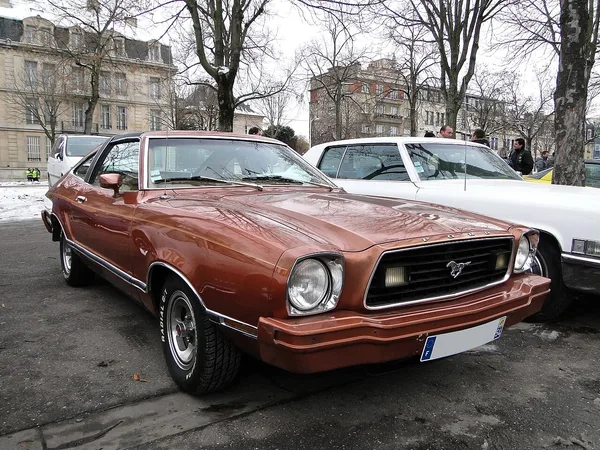
The malaise era covers American cars from about 1973 to 1983, when the oil embargo, fuel economy rules, catalytic converters, and 5 mph bumpers cut power and reshaped styling. The base 1975 Corvette made 165 hp, and Jimmy Carter never actually said "malaise."
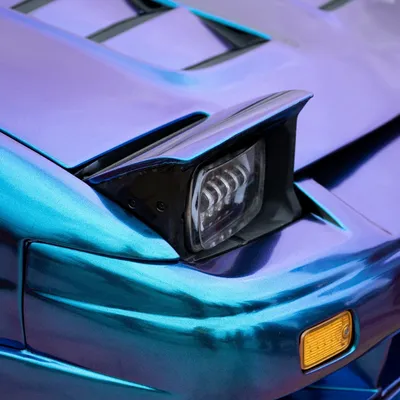
Short answer: yes, usually. Facelifted cars tend to hold value better than the pre-facelift version of the same model, sometimes significantly better, and the reason has less to do with what changed under the hood and more to do with how the car looks. Research by EurotaxGlass's comparing used car values before and after mid-life facelifts found that updated exterior styling can improve residual values by up to 15 percent during the first year of ownership. The premium is highest for prestige brands where even subtle visual updates carry significant perceived value...
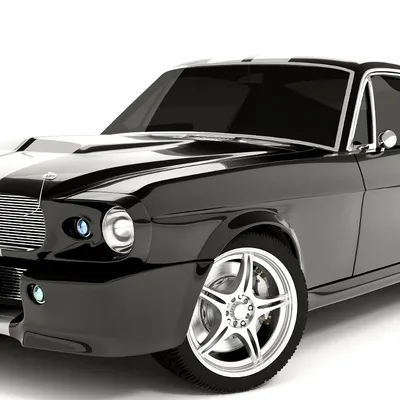
A restomod is a classic car that has been restored with modern mechanical components while keeping the original body largely intact. The name is a compression of restoration and modification. You take a 1969 Camaro, strip it to the shell, put in a modern fuel-injected LS engine, current suspension geometry, four-wheel disc brakes, modern wiring, and air conditioning that actually works. The body stays. The bones get replaced. The result drives like a modern car and looks like something from fifty years ago...
Car culture has its own language and it moves fast. A conversation about a Skyline build can cover RB26 specs, ATTESA AWD, coilovers, hellaflush stance, and RWB widebody kits before you've finished your first coffee. If you don't know the vocabulary, you're not lost exactly, but you're definitely translating while everyone else is talking.