Chevrolet Bel Air
Muscle · Chevrolet

Chevrolet Bel Air: The 1950s American Icon
The Bel Air was Chevrolet's stylish full-size car, an enduring symbol of 1950s Americana with its chrome, fins, and V8 power.
Produced from 1950 to 1981, the Bel Air is most fondly remembered for its mid-1950s models, especially the 1957 version with its tailfins, chrome trim, and available small-block V8. These cars became defining icons of the American automotive golden age.
Initially the top trim, the Bel Air offered hardtop, convertible, sedan, and wagon body styles. Its combination of style, performance, and accessibility made it hugely popular and a centerpiece of 1950s car culture.
Today, classic Bel Airs, particularly the 1955 to 1957 Tri-Five models, are among the most collectible and beloved American classics.
Frequently asked questions about Chevrolet Bel Air
More on the Chevrolet Bel Air
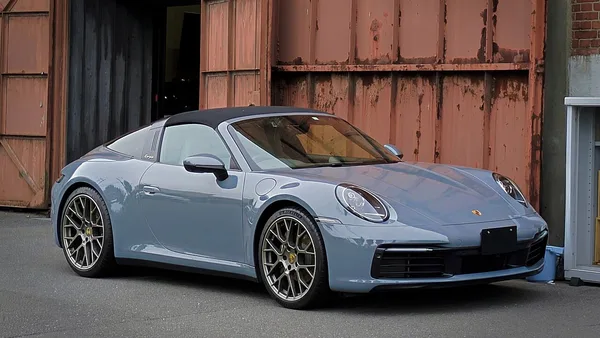
A targa top is a roof panel over the front seats that comes off while a fixed roll bar and the rear window stay put. Porsche launched it on the 911 in 1965 to answer US safety worries, named it after a Sicilian race, and still holds the trademark.
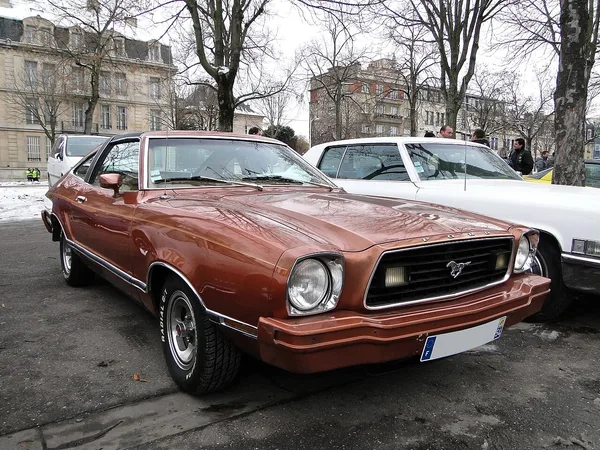
The malaise era covers American cars from about 1973 to 1983, when the oil embargo, fuel economy rules, catalytic converters, and 5 mph bumpers cut power and reshaped styling. The base 1975 Corvette made 165 hp, and Jimmy Carter never actually said "malaise."

Car color is not just a design decision. It is a cultural document. The colors that dominated each decade tell you more about what was happening in the world than almost anything else on four wheels. Paint responds to war, prosperity, economic anxiety, pop culture, and technology in ways that body styles and engines do not. Here is the full story, decade by decade, with a verdict on which era actually got it right...

You know the feeling. You pull up next to something at a red light, do a double take, and think that thing costs a fortune. Then you look it up and your jaw drops for a completely different reason. Some cars just have the gift...