Lowering a car is legal in most of the U.S., but the rules change from state to state. There is no single federal ride-height standard, so a setup that is legal in one state can get you cited in another.
The two rules that cause the most trouble are how low the body can sit in relation to the wheels and whether the tires still stay inside the fenders.
The rules that actually bite
California uses a rule that surprises people. The frame or body of a passenger vehicle cannot sit lower than the lowest part of any wheel rim touching the road. There is a second limit too, comparing the distance from the ground to the bottom of the rim against the distance from the wheel center to the fender edge.
Fender coverage is the other common one. Washington requires every wheel to have a fender covering the full width of the tire tread that contacts the road, which is aimed at spray and thrown debris but also rules out heavily poked wheels.
Some states set bumper heights instead, with both minimums and maximums. Illinois, for example, caps front bumper height at 28 inches and rear at 30, which is aimed at lifted trucks but shows how the same statutes govern both ways.
What this means for a lowered build
Mild drops are rarely a problem. A set of lowering springs that takes an inch or so out of the ride height keeps the body well above the rims and the tires under the fenders, and that is what most people run.
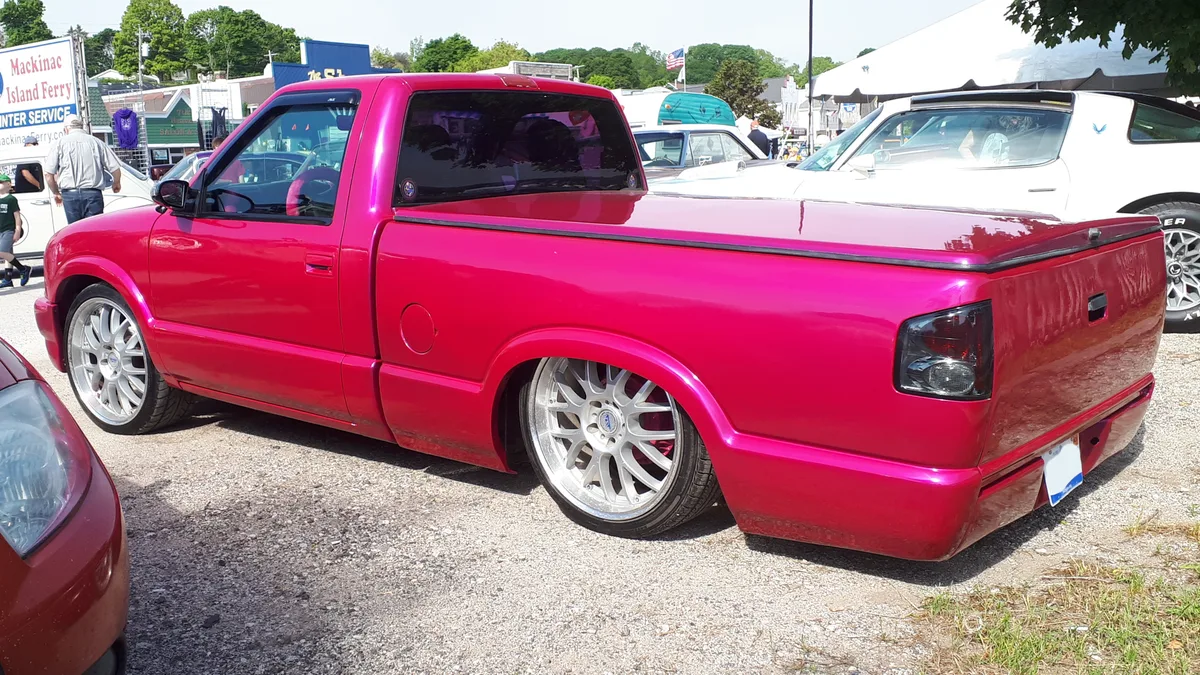
Slammed is where it gets complicated. A car sitting on the ground almost certainly breaks a body-height rule somewhere, and aggressive hellaflush fitment with tires poking past the arches can break a fender rule at any height.
Air suspension is the practical answer, and it is why the stance scene runs on it. The car sits legally while driving and drops at a show, which satisfies both the law and the look.
Check before you buy parts
Enforcement varies more than the statutes do. Plenty of lowered cars go years without attention, then fail an inspection or get pulled over during a crackdown, and the fix is expensive once the parts are already on the car.
Look up your own state's vehicle code before ordering, and pay attention to the specific measurement it uses, since a bumper-height state and a rim-height state will let you get away with completely different things.
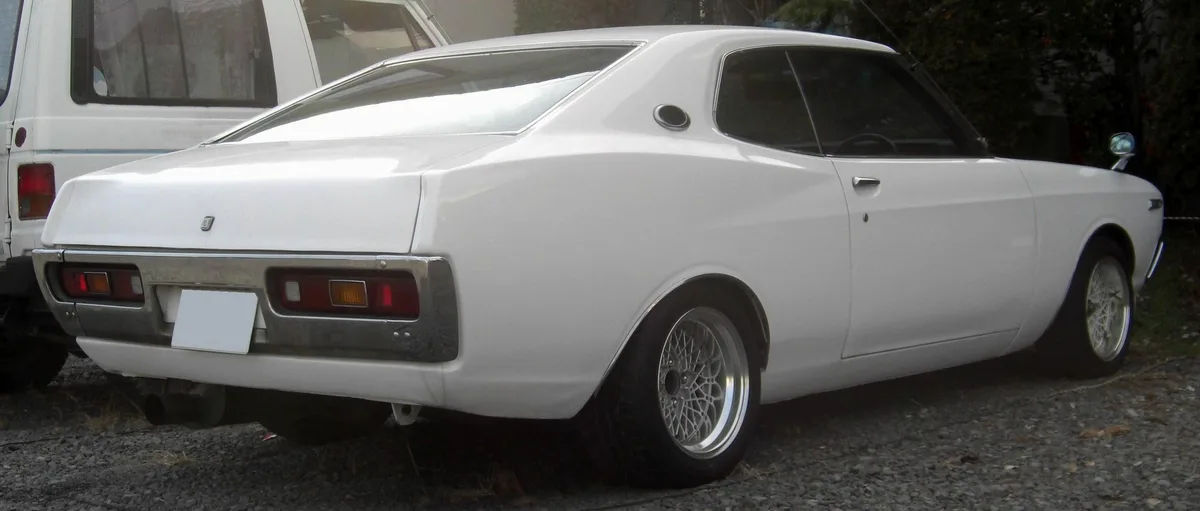
None of this is an argument against lowering. Dropping a car is still the single most effective change you can make to how it looks, which is exactly why shakotan figured it out in the 1970s.
Sources:
How state modification laws differ, including lowering: CarSandbox
California's frame and rim height rule: One Stop Auto Repair
Washington's fender coverage requirement: Washington Administrative Code 204-10-022
Frequently Asked Questions

Cam Walsh has been obsessing over cars since before he could drive one. Based out of Atlanta, Cam covers automotive design, car culture, and the eternal debate over which whips actually look the part.