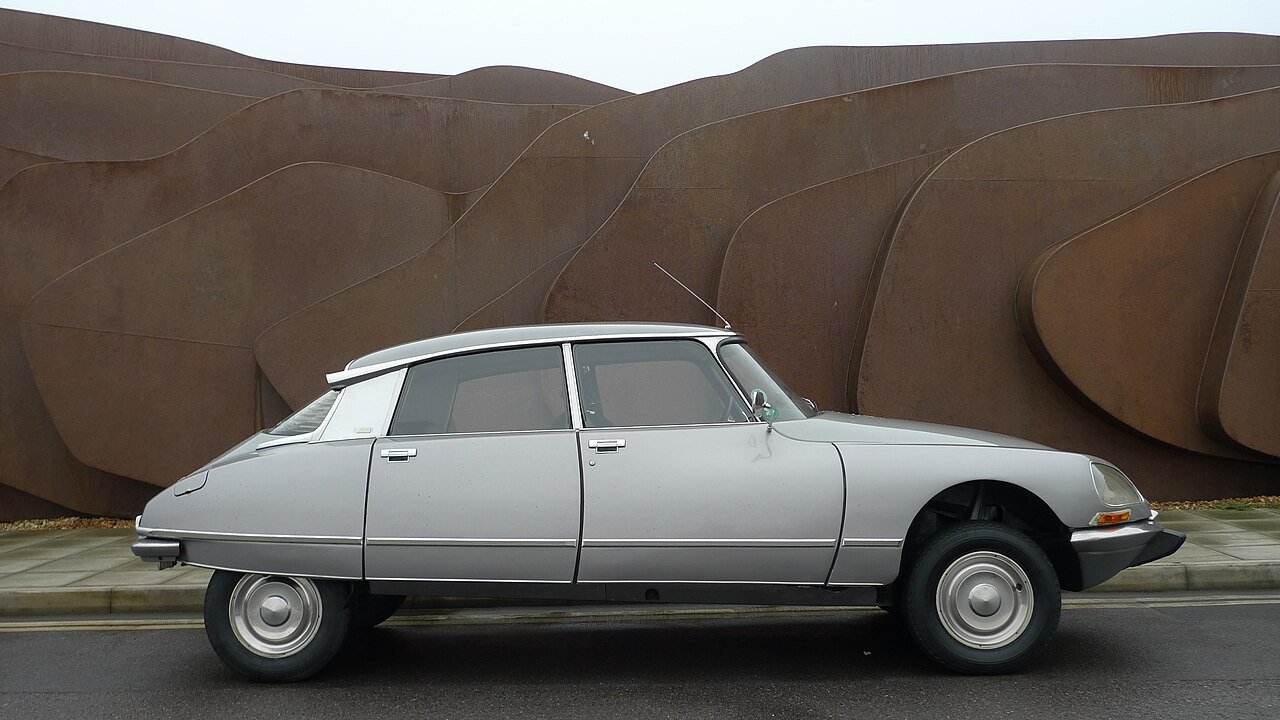
What is Air Suspension?
Suspension that uses inflatable air springs instead of conventional coil springs, letting ride height be adjusted on demand.
Air suspension replaces conventional metal coil springs with air springs, often called bags, that can be inflated or deflated by an onboard compressor. Because the pressure in each bag can be changed on the fly, the car ride height becomes adjustable from the driver seat.
That adjustability is why air suspension became central to stance and show culture. An owner can drop the car onto the ground for photographs or a show stand, then raise it to a usable height to drive home over speed bumps and driveways. Cars set up this way are commonly described as bagged.
Air suspension is not purely a styling technology. Many luxury cars and SUVs use it from the factory to balance ride comfort with load carrying and to lower the car at speed for efficiency. The trade-offs are cost, complexity, and more components that can eventually fail.
Related terms
Frequently asked questions
Air Suspension on the blog
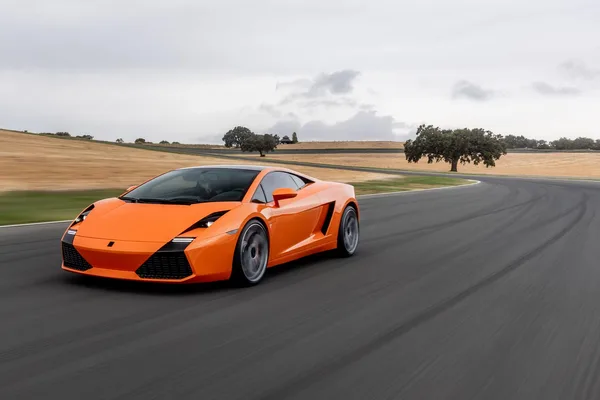
Fabrizio Giugiaro unveiled the Hommage 26 in Las Vegas on October 31. It's a carbon-bodied rework of the Lamborghini Gallardo, built from a donor car, and CAVËN Atelier plans 25 of them from €900,000. Who drew the first Gallardo is still disputed.
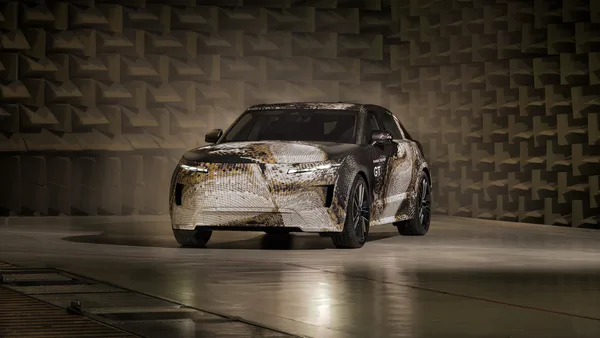
Range Rover posted a video on October 26 of the camouflaged GT finishing a test drive to the Nürburgring. It calls the electric GT its most aerodynamic model ever, with the lowest center of gravity of any Range Rover, and the video keeps calling it a car.
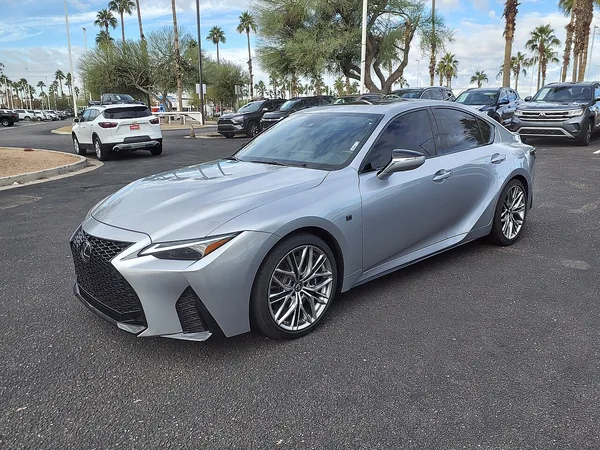
The Lexus IS 500 F Sport Performance is a compact sedan with a 472-hp, 5.0-liter V8. It ran from the 2022 to the 2025 model year, wore a raised hood and stacked exhaust tips, and bowed out with a 500-car Ultimate Edition. The IS is now V6 only.
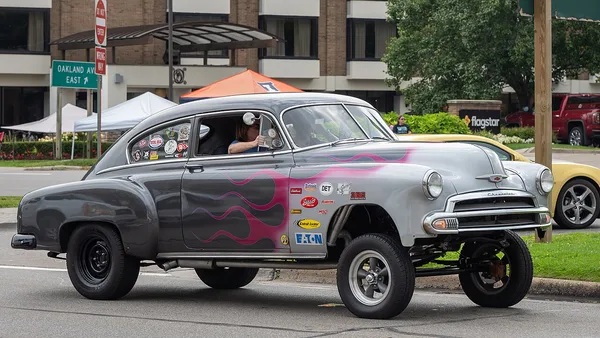
Rake is the tilt of a car from front to back. Hot rods run it nose-down, 1960s gassers ran it nose-up for traction, and pickups leave the factory with the rear sitting higher so they can carry a load.