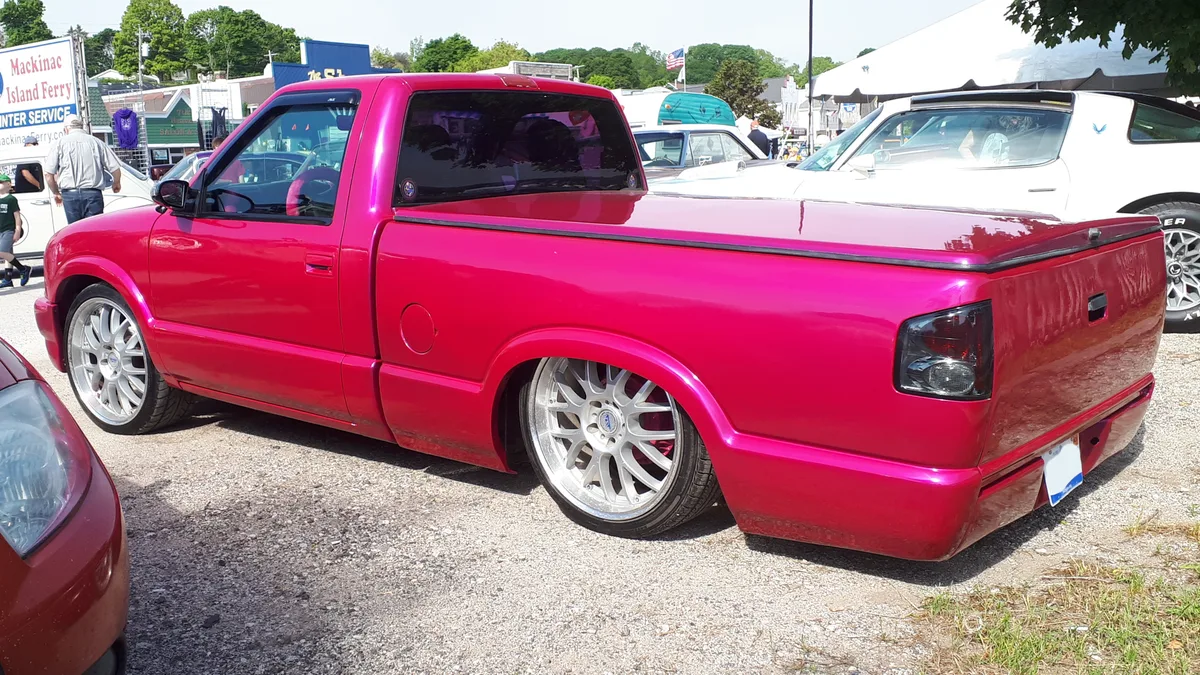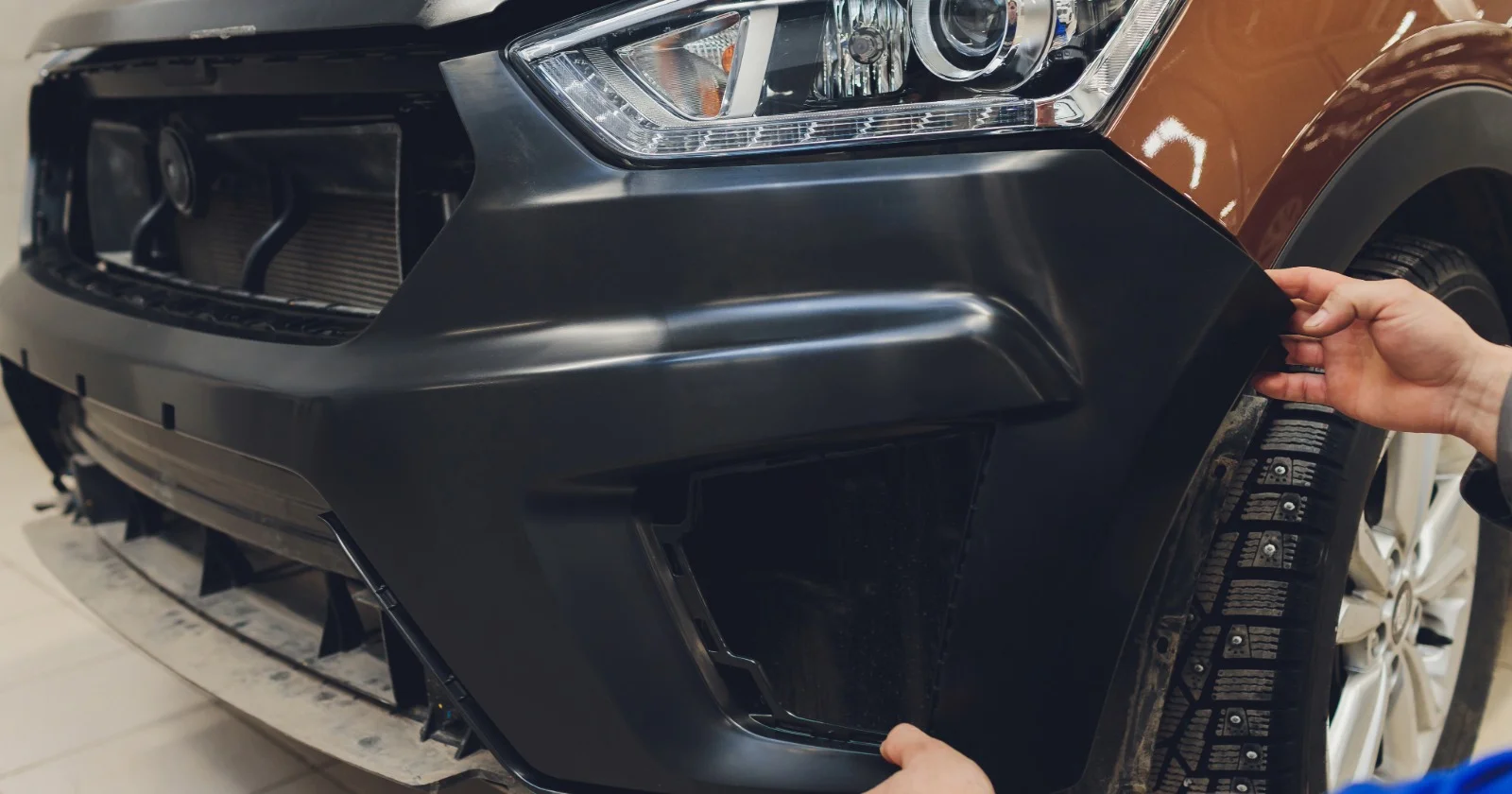
It's not the badge. It's not the wheel size. It's not even the color, though color contributes. The single feature that makes any car look cheaper than it is, regardless of what it cost, regardless of how good the rest of the design is, is unpainted plastic cladding on the lower body panels.
Black plastic bumper extensions, gray plastic rocker panels, unpainted wheel arch surrounds. The moment that material shows up on a body, the car drops a price bracket in the viewer's mind. Not because plastic is inherently bad. Because unpainted plastic signals that the manufacturer made a cost decision and didn't bother hiding it.
Why Unpainted Plastic Reads as Cheap
Painting exterior body components to match the car costs money. The parts have to be prepped, primed, painted, clear-coated, and quality-checked. On a $60,000 vehicle the manufacturer does this without hesitation because the buyer's expectations demand it. On a $25,000 crossover, the accounting team looks at that cost and asks whether unpainted textured plastic accomplishes the same functional job for less. It does. It also communicates exactly what decision was made to anyone looking at the car.
The textured gray or black plastic that substitutes for painted body panels has a specific visual effect: it breaks the car's color continuity. A painted body presents a unified surface from bumper to bumper. The color flows. The eye follows it. Unpainted plastic interrupts that flow at exactly the places where it's most visible: the lower front fascia, the rocker panels running the full length of the car, and the wheel arch flares. These are the areas the eye naturally travels when reading a vehicle's stance. Putting cost-saving material in those locations is like cheap seats in the front row.
There's also the texture problem. Painted body panels are smooth and reflective. They participate in the light and shadow play that makes a well-designed car interesting to look at. Textured plastic absorbs light diffusely and contributes nothing visually. It's a dead zone in the design. Anywhere the eye lands on that material, the design stops.
The Specific Cars It Hurts Most
Compact crossovers get hit hardest because the cladding is ubiquitous in the segment and most of them weren't designed with strong enough underlying proportions to survive the interruption. The Toyota RAV4's plastic arch cladding takes a body that's already compromising for practicality and adds a visual element that confirms every concern. The Honda CR-V in certain trims does the same. These are competent vehicles that look less competent than they are because a cost decision is visible in every photo.
The Subaru Outback has built an entire design identity around plastic cladding as a rugged aesthetic signal, which is one of the more interesting design arguments in the segment. The cladding is framed as purposeful rather than economical. It mostly works on the Outback because the design commits to the idea completely. The cladding is consistent, the trim matches, and the overall aesthetic coherence is strong enough that the plastic reads as a choice rather than a compromise. This is the exception. Almost everything else in the segment is the compromise version.
Where it's genuinely inexcusable is on vehicles priced above $40,000. A BMW X3 in a base trim with unpainted plastic wheel arch extensions is a car asking you to pay a premium price while visually reminding you that you didn't pay the full premium. The $50,000 Volvo XC60 in a lower trim with gray plastic arch surrounds has the same problem. The badge promises one thing. The plastic delivers another. Every faceoff voter reads that disconnect even if they can't name it.
When It Works
Three contexts where unpainted plastic either works or at least doesn't actively hurt.
Trucks and off-road vehicles where the cladding serves a visible protective function. A Jeep Wrangler's plastic fender flares exist because the vehicle goes places where body damage is likely and replaceable plastic is smarter than painted metal. The viewer understands this. The plastic reads as functional rather than cheap because the rest of the vehicle's design supports the same narrative.
Budget cars that wear it honestly. A base-trim Hyundai Venue or Kia Soul with consistent plastic cladding isn't pretending to be something it isn't. The overall design accepts its price point and the plastic is part of that acceptance. There's a version of honesty in this that's less damaging than a premium vehicle using the same approach. Nobody looks at a $20,000 Kia Soul and feels deceived by the plastic arch surrounds.
Sport and adventure trims where the plastic is part of a deliberate aesthetic package. The Toyota RAV4 Adventure trim uses plastic cladding as part of a cohesive rugged-capability look that includes specific wheels, specific exterior graphics, and a consistent visual language. It still reads cheaper than a fully painted body but the consistency of the package mitigates it. The problem isn't plastic cladding. The problem is plastic cladding that doesn't belong to a coherent design argument.
The Fix Is Simple and Manufacturers Know It
Body-color bumpers and arches. That's it. Paint everything. The cost delta between unpainted plastic and painted panels on a per-unit basis is genuinely not large relative to the vehicle's total price. On a $35,000 SUV the difference in material and finishing cost per unit is a few hundred dollars. Manufacturers offer it as an upgrade because the margin on that upgrade is significant, not because the underlying cost is prohibitive.
The Genesis GV70 comes standard with body-color bumpers and painted arch surrounds at a price point where most German competitors are charging extra for the same treatment. It's one of the reasons the GV70 photographs as well as it does and fares as well as it does in faceoffs against more established competitors. The full-color body reads as a unified design decision from any angle. There's no dead zone, no interruption, no visual signal that someone saved money at the car's expense.
Mazda does the same thing across essentially its entire lineup. Body-color everything, standard. The Mazda CX-5 looks more expensive than its price because it's presenting a coherent painted surface rather than a mix of materials signaling different trim levels. It's a deliberate brand decision to not let cost-saving decisions show on the exterior, and the design benefit is immediately visible in photos and faceoff performance.
The Faceoff Effect
In WhipJury faceoffs, cars with unpainted plastic cladding lose to comparable vehicles with full-color bodies at a rate that is consistent and predictable. The result isn't about the underlying design quality. It's about what voters see in the photo. A gray plastic rocker panel pulls the eye immediately and the rest of the design has to work harder to recover from that first impression. Most designs can't fully recover.
The most straightforward way to improve your car's faceoff performance without touching anything else is to photograph it from angles that minimize the cladding's visibility. Three-quarter front shots at a low angle, framing that emphasizes the upper body rather than the lower panels. It doesn't fix the design problem but it manages the photo problem, which is a different thing.
Or upgrade to the trim that paints everything. Take the photos. Submit them. See what the faceoffs look like when the plastic isn't doing the work.

Cam Walsh has been obsessing over cars since before he could drive one. Based out of Atlanta, Cam covers automotive design, car culture, and the eternal debate over which whips actually look the part.