Ferrari 250 GTO
Exotic · Ferrari

The most valuable Ferrari (1962-1964). Race-derived V12. 39 cars total. Auction prices over $70 million.
The Ferrari 250 GTO is a Grand Touring car produced from 1962 to 1964. The 250 GTO is widely considered the most valuable production car ever made. Only 39 cars were produced (36 standard plus 3 Series II variants), all originally for FIA Group 3 GT racing competition. The 3.0L V12 (Colombo design) makes 295 horsepower. The 250 GTO has been the most expensive Ferrari at auction for years. A 1962 250 GTO sold privately for over $70 million. Auction prices have set records repeatedly. The 250 GTO is the apex of Ferrari road racing engineering of the 1960s. On WhipJury, 250 GTO submissions are essentially impossible due to extreme rarity but reliably top voting if they appear.
250 GTO specifications
3.0L V12 (Colombo design), 295 horsepower. Race-derived FIA Group 3 GT car. Production: 39 cars total (36 standard + 3 Series II) 1962-1964. Auction values: $50-70+ million.
Frequently asked questions about Ferrari 250 GTO
More on the Ferrari 250 GTO
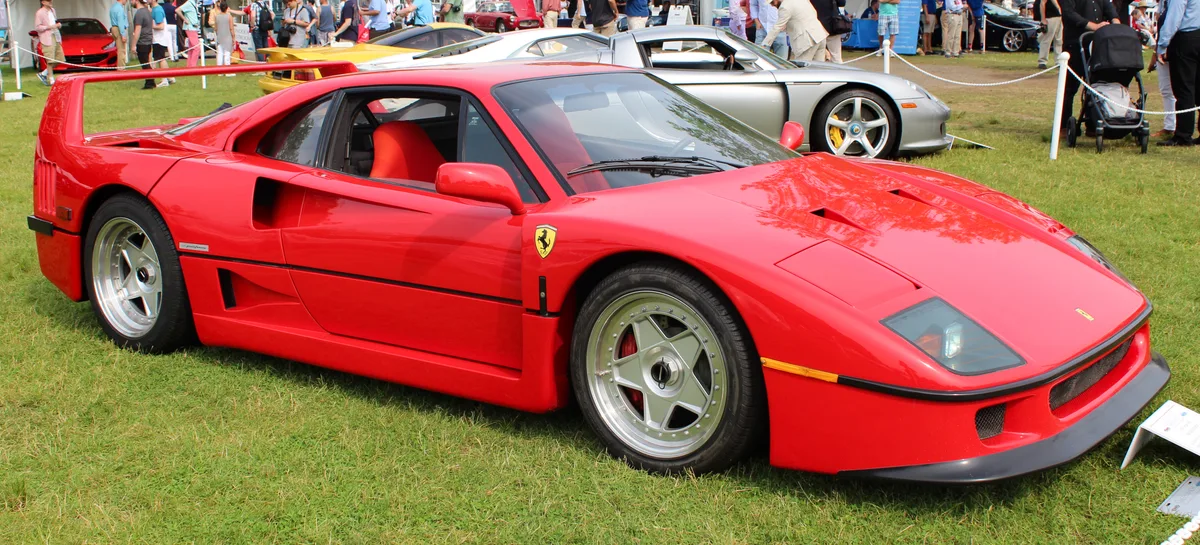
A Ferrari F40 averages around $3.05 million, with most sales between $2.4 million and $3.8 million. Driven, higher-mileage cars start near $1.8 million, while delivery-mileage examples have reached about $6.6 million. Prices roughly tripled between 2014 and 2024 and have since settled.
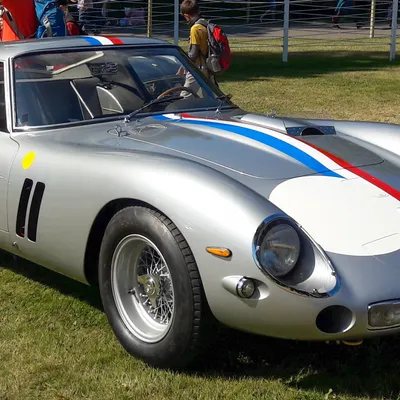
The Ferrari 250 GTO is the most valuable car in the world. One changed hands privately for a reported $70 million, and the public auction record sits above $50 million. Only 36 were ever built. But the price is a symptom, not the reason, and the reason is rarer than the car.

The 1969 Ford Mustang Mach 1 looks better today than it did when it was new. The 2002 Pontiac Aztek looks exactly as bad as it did in 2002, possibly worse now that the cultural context that produced it has faded. Both cars are over twenty years old. Only one of them aged. The question of why some cars improve with time and others calcify into their worst qualities is worth taking seriously because the answer tells you something about what good design actually is...