Color changes the perceived size of a car more than most buyers realize, and getting it wrong costs you. An SUV that should look imposing can look squat and heavy in the wrong color. A compact car that should look athletic can look like a toy. The mechanics behind why this happens are specific enough that you can use them deliberately rather than just hoping you guessed right at the configurator.
Light Colors Make Cars Look Larger
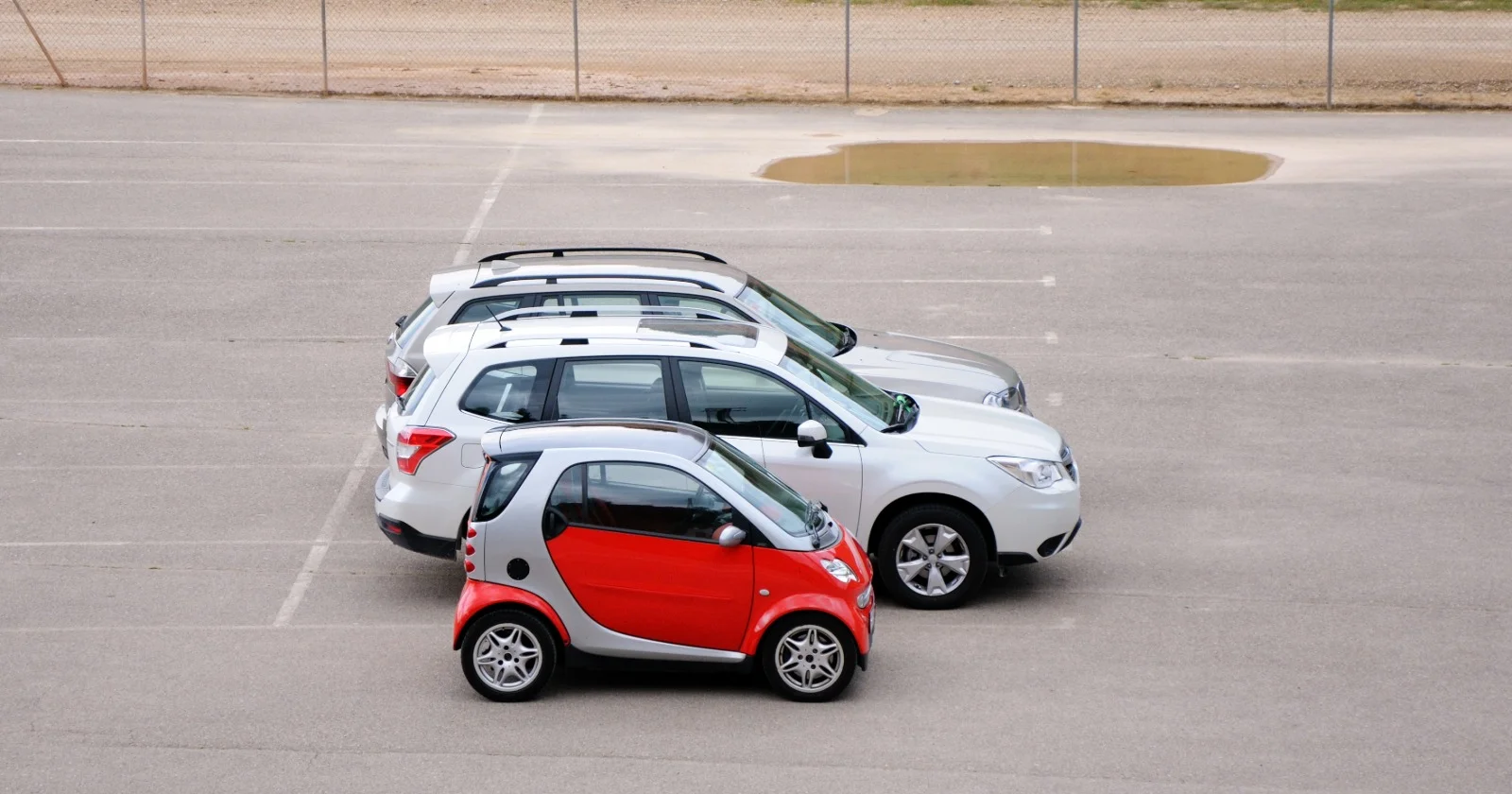
White, light silver, and light gray make cars look bigger than they are. This is a direct consequence of how light colors reflect ambient light outward rather than absorbing it. A light-colored car pushes visual energy away from itself, which expands its perceived boundary against the background. The eye reads the full extent of the body surface clearly and the car appears to occupy more space than it actually does.
On a full-size vehicle this works well. A white Cadillac Escalade or a pearl white Ford Expedition looks appropriately massive. The color confirms what the proportions are already saying. On a compact car the same effect works against the design. A white Honda Civic looks bulky in a way that the same car in a dark color does not, because the light color is amplifying a size impression that the compact proportions can't fully support.
This is why large luxury sedans in white look so commanding. The Rolls-Royce Ghost in white doesn't just look large. It looks inevitable. The color is adding visual mass to a car that already has real mass, and the compound effect is substantial.
Dark Colors Make Cars Look Smaller and Lower
Dark colors absorb light and pull the visual boundary of the car inward. A black car looks smaller than the same car in white. Not dramatically smaller, but measurably. The body edges are less distinct against most backgrounds. The car appears to recede rather than advance. On a large vehicle this compression reads as sleek and planted rather than imposing. On a small car it can make already-tight proportions look almost too compact.
The more useful effect of dark colors is in the vertical dimension. Dark colors make cars look lower. The roof visually merges with the upper body in darker shades and the greenhouse appears to sit closer to the beltline than it actually does. This is why blacked-out roof options on crossovers and SUVs became so popular. The contrasting dark roof on a lighter body creates a visual separation that makes the roofline appear to drop, reducing the apparent height of a vehicle type that tends to read as too tall. It's a cheap optical correction to a proportion problem that the underlying design couldn't fully solve.
Two-Tone Works Because It Manipulates Both Effects Simultaneously
A light body with a dark roof is doing two things at once. The light lower body expands the perceived width and length of the car. The dark roof compresses the apparent height. The result is a vehicle that looks wider, longer, and lower than its dimensions actually justify. This is why the Mini Cooper's optional contrasting roof became one of the most copied design details in the modern small car segment. It solves the compact car's proportion problem, making it look sporty and planted rather than tall and narrow, through pure color manipulation rather than structural change.
The Porsche Taycan Cross Turismo in a light body color with a dark roof uses the same principle on a larger canvas. The dark roof brings the roofline down visually on a body that needs that reduction because the shooting brake form factor carries more height than a standard sedan. Without the dark roof the Cross Turismo reads as taller than it should. With it, the proportions work.
Color Temperature and Perceived Size
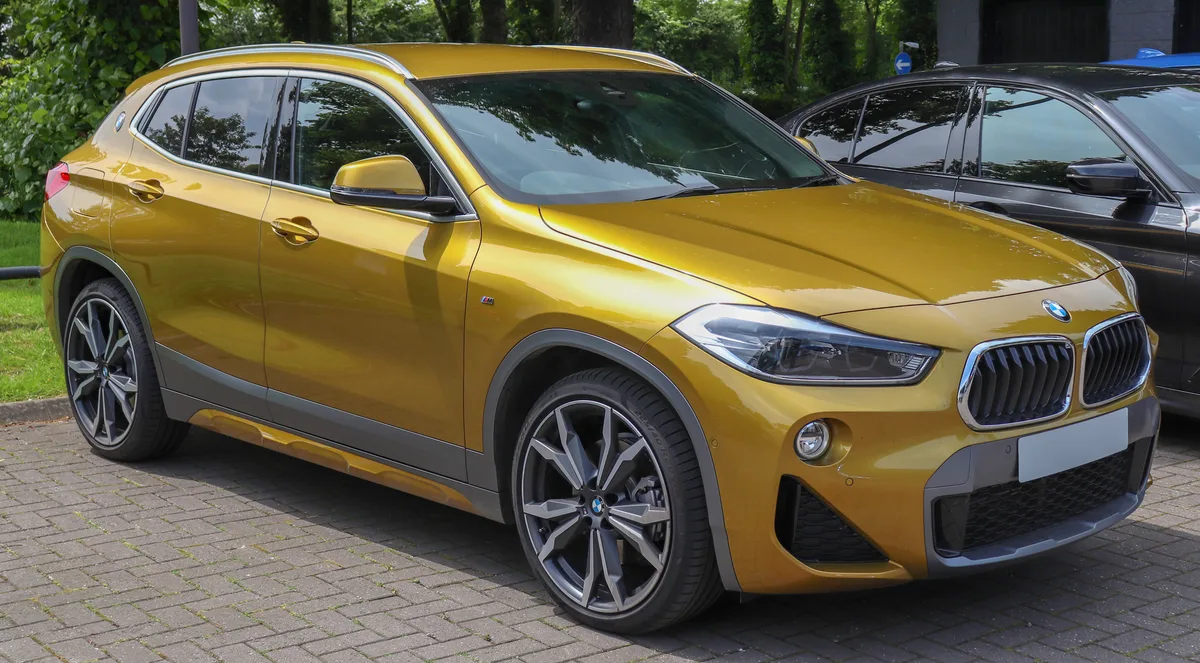
Warm colors, reds, oranges, yellows, advance visually the same way light colors do. They push toward the viewer. A red car looks larger than a blue car of the same dimensions partly because warm wavelengths advance in human perception and cool wavelengths recede. This is a well-established principle in visual psychology that applies to cars the same way it applies to everything else.
Blue and green cool the perceived size of a car down slightly. A deep navy blue on a large SUV looks more restrained than the same vehicle in red or white. This isn't better or worse depending on the car, it's information you can use. A vehicle that's supposed to look aggressive and large benefits from warm advancing colors. A vehicle where you want elegance and restraint to read benefits from cool receding ones.
The Lincoln Navigator in Pristine White versus the same car in Infinite Black illustrates this clearly. The white version looks like it was designed to occupy space. The black version looks like it was designed to move through it. Same vehicle. The color is telling a different story about what the car is for.
What Metallic Content Does to Size Perception
Metallic paint scatters light in multiple directions simultaneously, which creates visual movement across the surface rather than a static reflection. This movement expands the perceived visual boundary of the car in a way that solid colors don't. A metallic silver looks larger than a flat silver. A metallic white looks larger than a flat white. The flake in the paint is doing active work expanding the car's visual presence.
This is one reason why cheap metallic formulas with low flake content look flat and lifeless. The metallic content that was supposed to add depth and movement isn't present in sufficient quantity to do the job. The paint looks like it's trying to be metallic without fully committing, which produces a finish that's neither the clean read of a solid color nor the dynamic visual expansion of a real metallic formula. Most entry-level metallic options from mainstream manufacturers are in this category. The premium paint packages that cost extra exist because the formula quality is genuinely different and the visual difference is real.
How to Use This in Practice
If you drive a large vehicle and want it to look appropriately large and imposing, white, light silver, and warm saturated colors like red and orange reinforce the size. If you drive a large vehicle and want it to look sleek and athletic rather than massive, dark colors compress the visual size and help. If you drive a compact car and want it to look more substantial than its dimensions suggest, a light color and a contrasting dark roof achieves the most with the least.
The one combination that works against almost every car regardless of size is a dark color on a vehicle with a very tall greenhouse. The dark color makes the car look smaller and the tall greenhouse makes it look taller simultaneously. The result is a vehicle that looks like a dark box on wheels. This is the specific failure mode of most dark-colored minivans and some taller crossovers. The dark color is solving one visual problem, the large body mass, while amplifying another, the height. A lighter color or a two-tone treatment handles that combination better.
In faceoffs on WhipJury, large vehicles in light colors and compact vehicles with contrasting roofs consistently outperform the same cars in configurations that work against their proportions. The color choice you make at purchase is the first design decision that affects how your car reads to everyone who looks at it. See how your choice holds up in a faceoff.
Frequently Asked Questions

Jeffrey Wiley has spent more time than he'd like to admit thinking about what makes a car look right. He writes about automotive design, car culture, and the opinions people have strong feelings about. He lives in north Georgia.