Cadillac Cars
Muscle · 20 models

The CTS-V program turned Cadillac into a credible BMW M rival. The Escalade made it a status SUV. Neither was supposed to happen.
MuscleCadillac is the GM luxury brand and has had two distinct modern eras. The first ran through the 1980s and 1990s, when Cadillac was primarily a personal-luxury sedan brand (Eldorado, DeVille, Seville) competing with Lincoln on a comfort-first formula that left enthusiasts cold. The second era began in 2003 with the original CTS-V, the model that committed Cadillac to building genuine sport sedans with rear-drive layouts, manual transmissions, and supercharged V8s. The CTS-V program defines modern Cadillac performance. The first-generation CTS-V (2004-2007) used the LS6 V8 borrowed from the Z06 Corvette and a six-speed manual. The second-generation CTS-V (2009-2014) added a supercharger and made 556 horsepower, with sedan, coupe, and wagon body styles available, manual or automatic. The third-generation CTS-V (2016-2019) made 640 horsepower from a supercharged 6.2 V8 and posted lap times competitive with the BMW M5. The CT5-V Blackwing (2022-present) continues the program with the same supercharged V8 and a six-speed manual standard, available in the smaller CT4-V Blackwing as well with a turbocharged 3.6 V6. The Escalade is the other Cadillac story. Launched in 1999 as a rebadged GMC Yukon Denali (the GMT400 era), the Escalade became the dominant luxury full-size SUV in North America and a permanent fixture of hip hop and luxury culture. The current Escalade IQ (electric) and the V-Series with the 682 horsepower supercharged V8 represent the bookend extremes of the modern lineup. On WhipJury, Cadillac submissions are heavy on CTS-V cars (all three generations), CT5-V Blackwings, and Escalades. The occasional Eldorado or DeVille from the 1970s in restored form generates interest precisely because it represents the era Cadillac most enthusiasts have never engaged with.
Cadillac models we cover


The CTS-V generations
First generation (2004-2007). 5.7 LS6 from the C5 Z06 Corvette, six-speed manual standard, rear-drive only. The car that proved Cadillac could build a sport sedan.
Second generation (2009-2014). Supercharged 6.2 LSA, 556 horsepower, sedan/coupe/wagon body styles, six-speed manual or automatic. The CTS-V Wagon in particular is a unicorn: a manual-transmission supercharged V8 station wagon, sold in small numbers and now a cult collector car.
Third generation (2016-2019). Supercharged 6.2 LT4 making 640 horsepower, eight-speed automatic only (a frequent enthusiast complaint). The chassis stiffening and aerodynamics made it the first CTS-V to genuinely keep up with BMW M5 lap times on track.
Blackwing era (2022-present). The CT5-V Blackwing replaces the CTS-V. Same 6.2 LT4, same 668 horsepower, six-speed manual standard (a return to manual after one generation away). The CT4-V Blackwing is the smaller car with a 3.6 twin-turbo V6 making 472 horsepower.
The Escalade
The first Escalade in 1999 was a hasty response to the Lincoln Navigator. Cadillac had nothing in the full-size luxury SUV segment, so they took a Yukon Denali and added Cadillac badging. The second-generation Escalade (2002-2006) was the model that established the cultural footprint, becoming one of the defining luxury vehicles of the 2000s. Subsequent generations have refined the formula. The current Escalade-V with 682 horsepower is the most powerful Escalade ever sold.
Cadillac on WhipJury
CTS-V submissions across all three generations are common. The Wagon is rare but always memorable when posted. CT5-V Blackwing submissions are growing. Escalade submissions usually focus on lift kits, wheels, and audio rather than performance modifications. Classic Eldorados and DeVilles in restored or modified form (lowriders, etc.) have a smaller but devoted following.
Frequently asked questions about Cadillac
Cadillac on the WhipJury blog
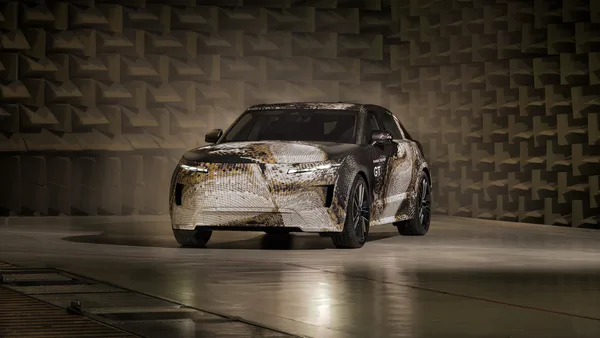
Range Rover posted a video on October 26 of the camouflaged GT finishing a test drive to the Nürburgring. It calls the electric GT its most aerodynamic model ever, with the lowest center of gravity of any Range Rover, and the video keeps calling it a car.
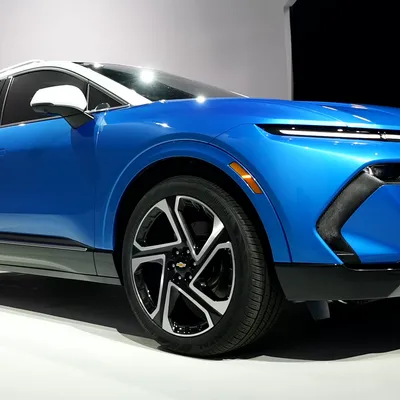
GM chief executive Mary Barra told Fortune that EVs are still the "end game" and the company's "north star," even as US demand slows and federal policy pulls back. The target is 40 to 50 percent of sales by 2030, and Barra now frames the shift as taking decades rather than hitting a fixed date.
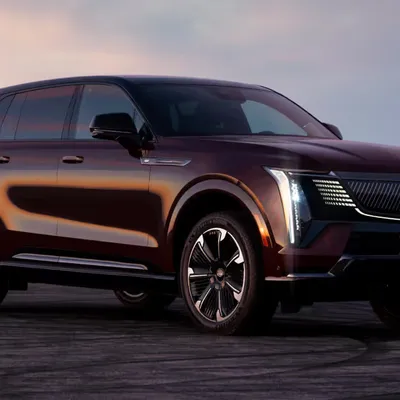
For a long stretch, a Cadillac was something you rented, not something you wanted. That has quietly changed. The brand's Art and Science design language, all sharp creases and vertical lighting, turned Cadillac into one of the most distinctive-looking marques on the road.
The 2027 New York International Auto Show is expected to take place in late March to early April 2027 at the Jacob K. Javits Convention Center in Manhattan. Based on ticketing listings currently available, the show opens March 30, 2027. Official confirmed public dates from the NYIAS organization have not yet been announced as of mid-2026, but the show follows a consistent annual schedule that makes the window predictable...