For a long time, a Cadillac was something that happened to you. You rented one at an airport, or your grandfather drove one, and either way it was a soft, anonymous barge with a wreath on the grille and nothing else to say. The name still carried history, but the cars had stopped looking like they believed in it.
That is not true anymore, and the change was deliberate. Cadillac decided to look like something again, and the design language it used to get there is one of the boldest bets any legacy brand has made on styling.
The Anonymous Years
Through the 1980s and 1990s, Cadillac lost the plot. Too many models shared their bones with cheaper cars, the shapes went rounded and forgettable, and the brand coasted on a reputation it was no longer earning. A Cadillac from that era is hard to pick out of a parking lot, which for a luxury brand is close to a death sentence. Luxury is supposed to be recognizable.
Art and Science Changed Everything
Around the turn of the 2000s, Cadillac committed to a design language it called Art and Science, and the idea was simple and radical: sharp edges instead of soft ones, hard creases, and shapes that looked cut rather than molded. It was the opposite of what everyone else in luxury was doing. Where German rivals chased smooth restraint, Cadillac went angular and slightly aggressive, and the cars finally looked like they had a point of view.
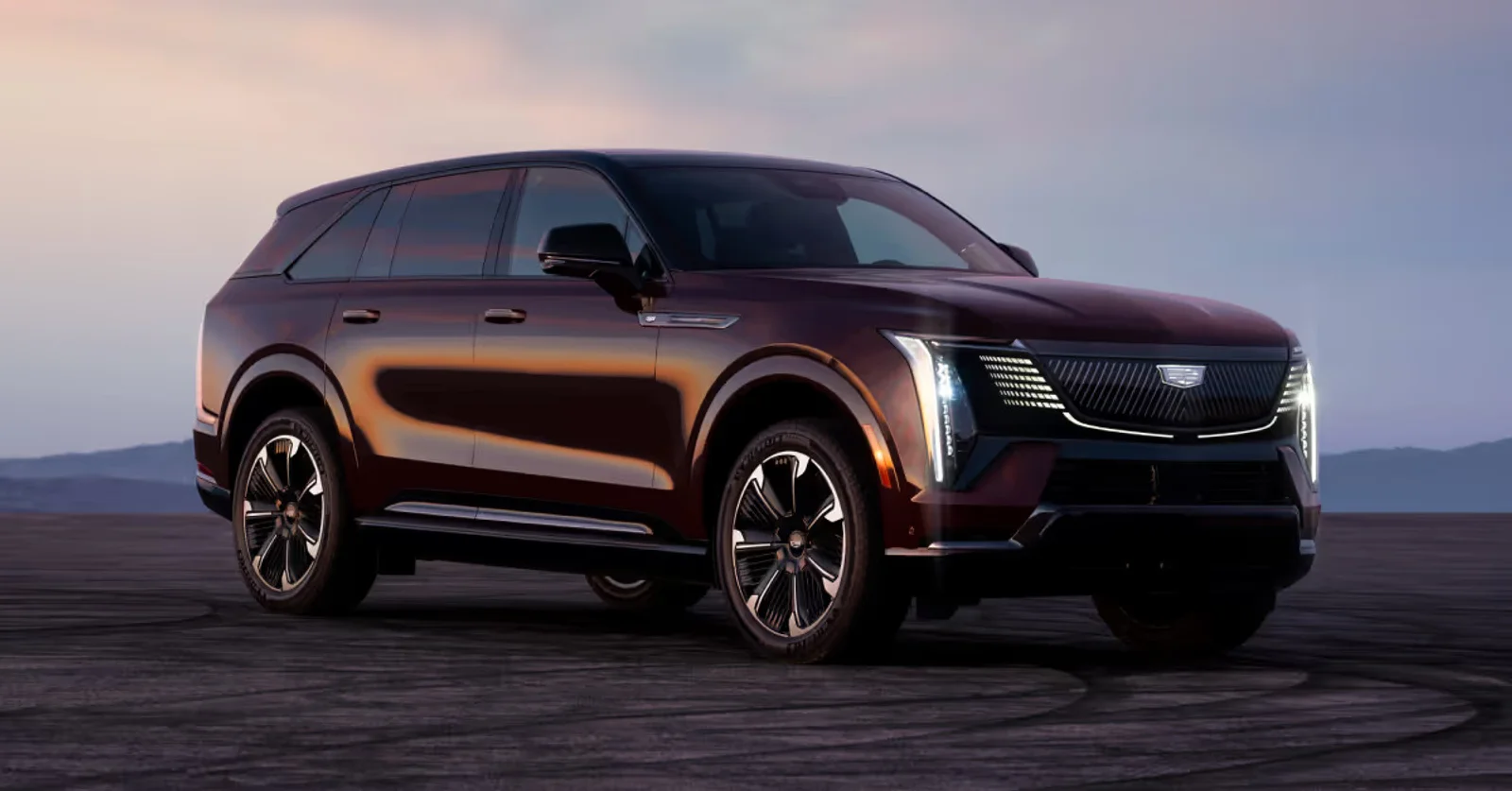
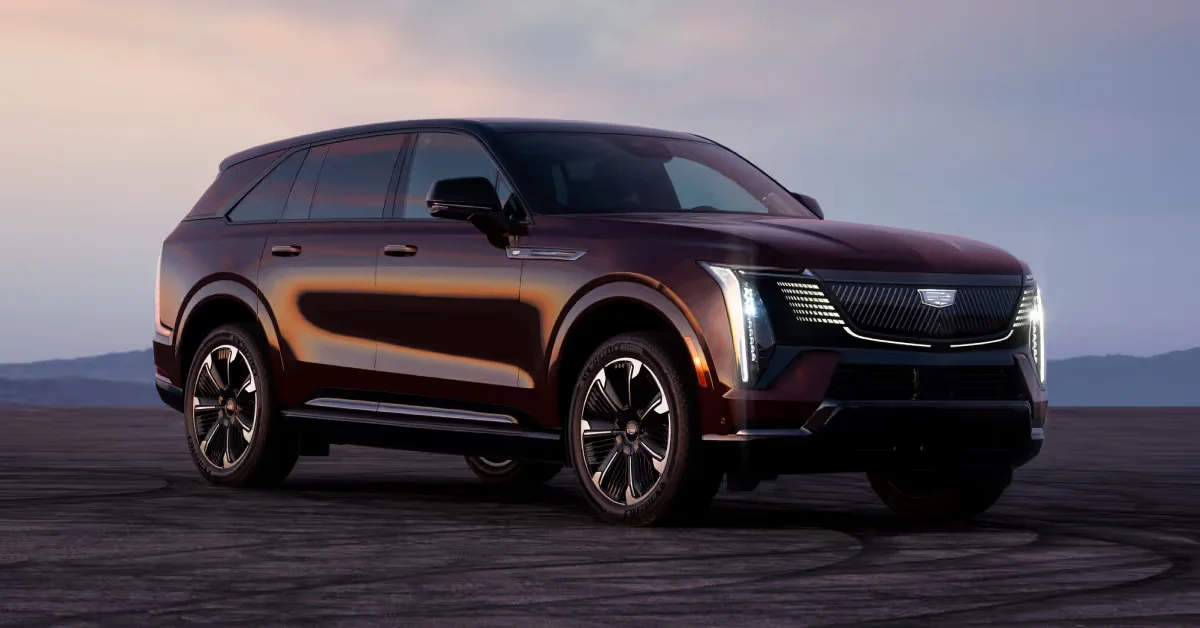
The signature that came out of it is the vertical lighting. Tall, thin light elements stacked front and rear became the one detail you can spot from a block away. It is the modern equivalent of the tailfin: a styling gesture so specific that it belongs to one brand and no other.
The Lineup That Proves It
You can read the whole philosophy across the current range. The CT5 is a sharp, upright sedan in an era when almost nobody makes handsome sedans anymore. The XT6 carries the same creased language into a three-row crossover without going soft. The Escalade turned the vertical-light look into pure presence and became a genuine cultural icon in the process.
Then there is the part that makes the looks credible: the Blackwing performance versions, like the CT5-V Blackwing, back the aggressive styling with the kind of power and driving ability that lets a Cadillac trade blows with the Germans. A brand can style its way to attention, but it needs substance to keep it, and Cadillac finally has both.
Where It Goes Next
The design bet is now steering Cadillac into its electric era. The Lyriq crossover and the hand-built, six-figure Celestiq carry the same vocabulary, sharp lines and vertical light signatures, into cars with no engine at all. That is the real proof that the look works: it survives the switch to electric without losing what makes it Cadillac.
None of this happened by accident. Cadillac decided that being recognizable mattered more than being safe, and it turned out to be right.
Cadillac in the Faceoff Arena
A modern Cadillac is a strong faceoff car precisely because it refuses to blend in. The vertical lights and hard creases read instantly, even to people who could not name the model, and distinctive almost always beats tasteful-but-forgettable when a crowd is voting on looks.
Put a current CT5 or Escalade up against a smoother, safer luxury rival on WhipJury and watch how often the car with an actual opinion takes the vote.
Sources:
Cadillac's Art and Science era and model history: GM Authority
The vertical-light signature and the Blackwing performance line: Hagerty
Frequently Asked Questions

Jeffrey Wiley has spent more time than he'd like to admit thinking about what makes a car look right. He writes about automotive design, car culture, and the opinions people have strong feelings about. He lives in north Georgia.