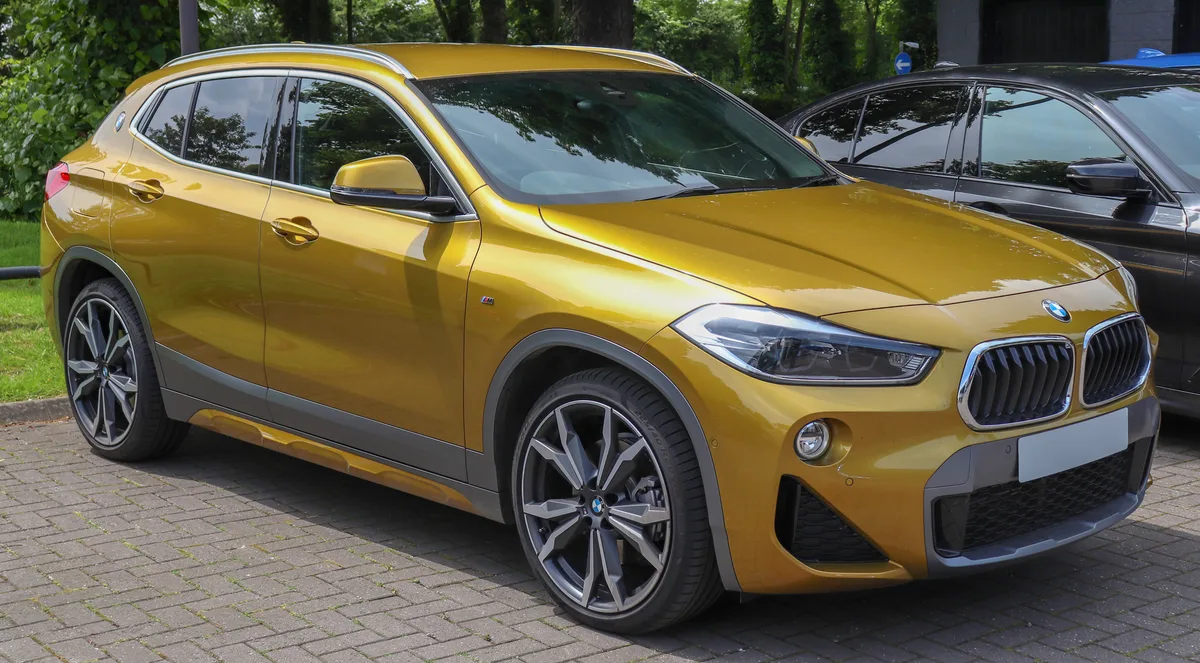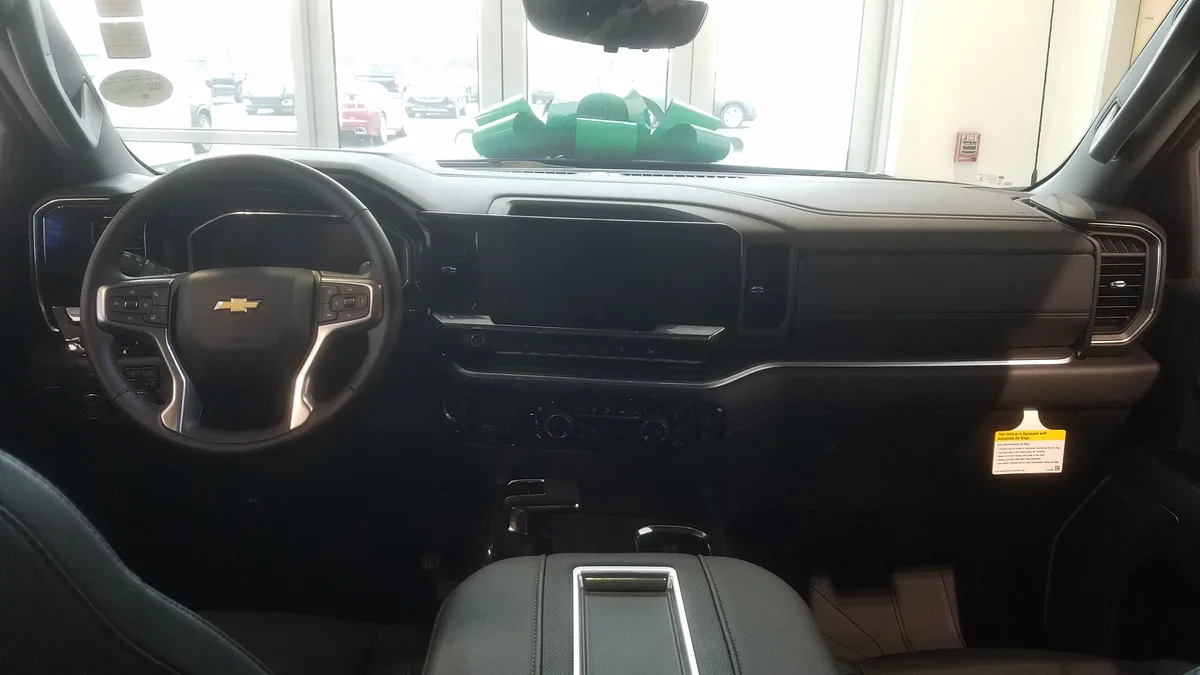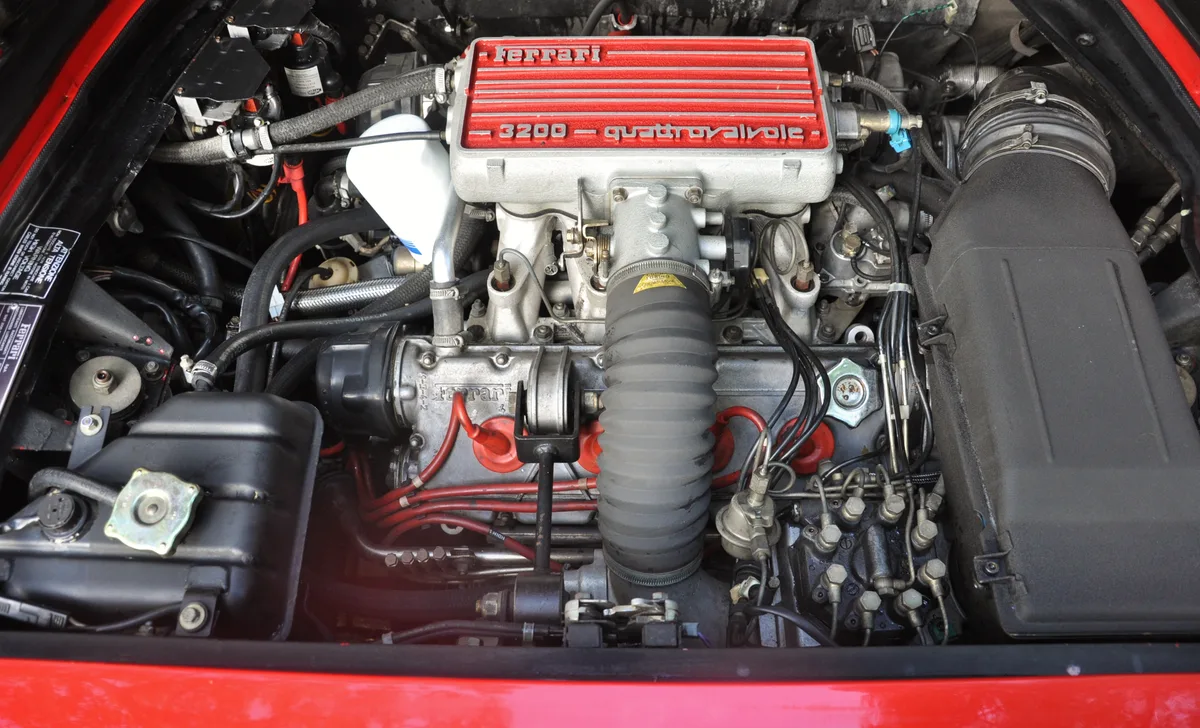
Sometimes two cars wearing different badges, sold by rival brands at different prices, are the same car. That's badge engineering: taking one vehicle and selling it under another brand with new badges, a reworked nose and tail, and not much else. It's been going on for decades, and once you know about it you start spotting it everywhere.
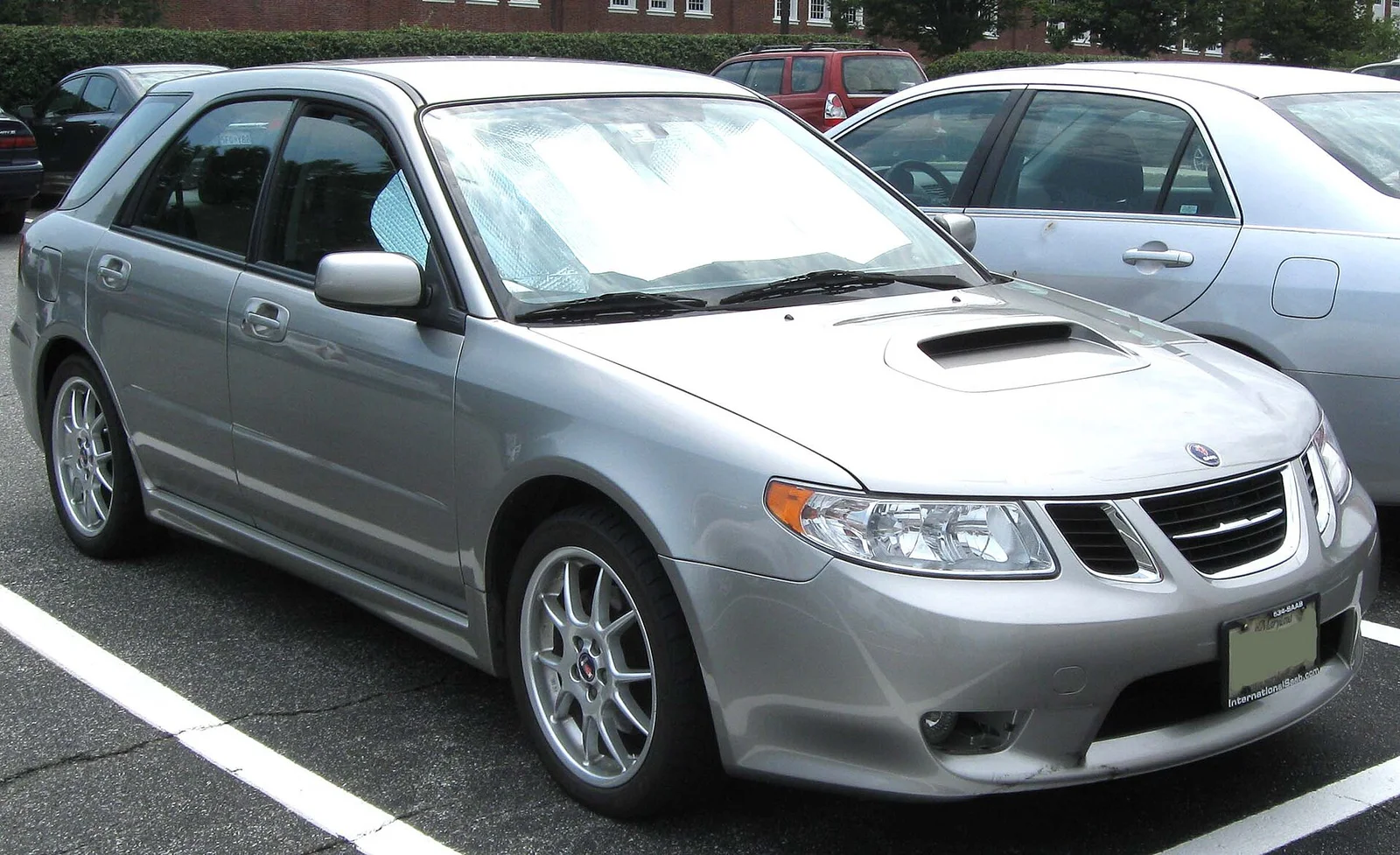
The strangest example is a Swedish sports wagon that was secretly Japanese.
The Saabaru
In the 2000s Saab was owned by General Motors, and GM also held a stake in the parent company of Subaru. Somebody did the math, and the result was the Saab 9-2X, a Subaru WRX shipped from Japan with a Saab face.
It wasn't a pure sticker job, to be fair. It got redesigned front and rear fascias, extra sound insulation, Saab-specific seats, and its own steering and suspension tuning, and reviewers found it genuinely more refined than the Subaru. Buyers were unmoved. It cost meaningfully more than the Impreza underneath it, Saab shoppers didn't want a rebadged Subaru, and Subaru shoppers wouldn't pay extra for a badge. Barely over 10,000 sold across two model years, and it earned the nickname it deserved: the Saabaru.
Why carmakers keep doing it
The logic is money. Developing a new car is enormously expensive, so if a company already owns a good one, selling it through a second brand fills a hole in that lineup at a fraction of the cost. It's also the fastest way into a segment or a region where a brand has no product at all.
Sometimes it works. The Acura TSX was essentially the European Honda Accord sold as a compact American luxury car, and it was well reviewed and well liked. The Isuzu Trooper became the most rebadged vehicle ever, sold under about a dozen names worldwide. The practice is alive right now too, with a recent Nissan plug-in hybrid built on a Mitsubishi.
It fails when buyers can see the seams, which usually means the donor car is too recognizable or the price gap makes no sense. That is exactly what sank the 9-2X.
What it tells you about design
Badge engineering is a natural experiment in how much a face is worth. Same car underneath, same proportions, same silhouette, and the only real variables are the grille, the lights and the badge. Sometimes that's enough to change how a car feels, and sometimes it very clearly isn't.
Which is a fair thing to put to a vote. Line a rebadged car up against its donor on WhipJury and see whether a new nose is worth anything, or whether people can tell they're looking at the same car in a different hat.
Sources:
The Saab 9-2X, its changes and its sales: DrivingLine
Badge engineering as an industry practice, and other examples: Autoblog
Frequently Asked Questions

Jeffrey Wiley has spent more time than he'd like to admit thinking about what makes a car look right. He writes about automotive design, car culture, and the opinions people have strong feelings about. He lives in north Georgia.