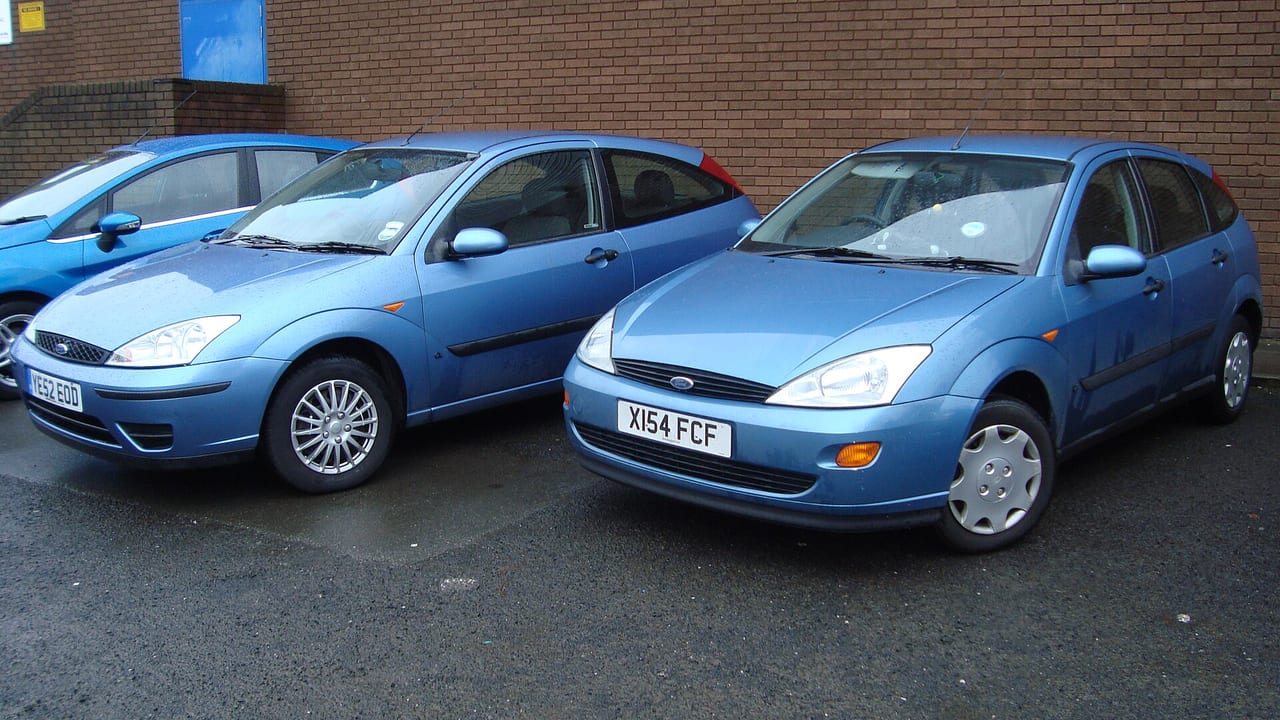
What is Facelift?
A mid-cycle update to a car model that changes its styling, usually the lights, grille, bumpers, and some interior details, without a full redesign.
A facelift, also called a mid-cycle refresh or minor model change, freshens a car partway through its production run without replacing it. The platform and basic shape stay the same, while the parts that change are usually the grille, headlights, taillights, bumpers, dashboard, center console, and trim. Engines, suspension, and transmissions may or may not change at the same time. Wikipedia says most models last six to eight years before a full redesign and get their facelift around three years in, while long-lived models can get more than one. The third-generation Mazda6 went on sale in December 2012 and got major facelifts in 2016 and 2018. In car ads, "new" often means facelifted, while "all-new" means a new generation.
Different makers have their own names for it. BMW calls a facelift an LCI, for Life Cycle Impulse, and Mini used the same term. Inside Mercedes-Benz's sales organization it's MoPf, short for Modellpflege, German for "model care." In Japan, enthusiasts call the pre-facelift car zenki and the post-facelift car kouki, with chuki for a middle version when a generation gets two facelifts. Toyota fans, for example, call 1983 to 1985 AE86 Corollas zenki and the 1986 to 1987 cars kouki.
The habit goes back to the 1920s, when General Motors under Alfred P. Sloan started changing its styling every year to win buyers away from Ford's Model T. Well-documented examples include the 2001 update of the first Ford Focus, which got headlights with built-in turn signals, new bumpers, and a revised grille, and the 2007 LCI of the E60 BMW 5 Series, with new lights, a new front bumper, and a heavily revised interior. On the W124 Mercedes, the 1993 facelift moved the star from the grille to the hood and created the E-Class name. A facelift can even change a car's name, as when Ford renamed the Five Hundred the Taurus in 2008.
Related terms
Frequently asked questions
Facelift on the blog
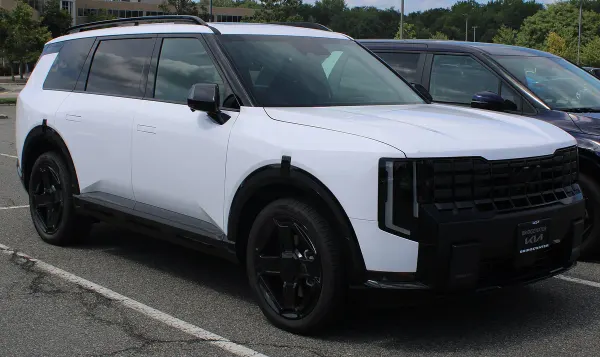
Kia's SUV lineup runs from the small Seltos to the three-row Telluride, with three electric models alongside. Here's what each one offers, which are built in Georgia, and what changed for 2027.
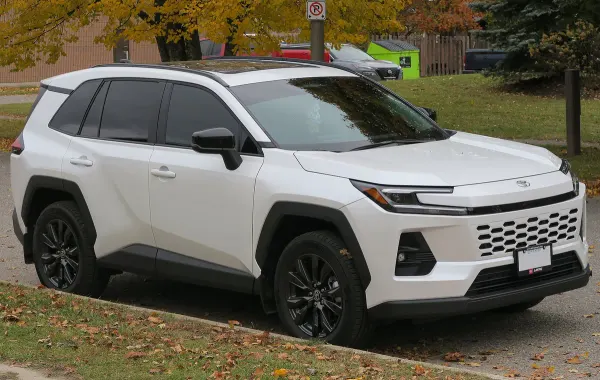
Toyota's US SUV lineup runs from the compact Corolla Cross to the full-size Sequoia, with hybrids almost everywhere and a growing set of EVs. Here's what each one offers, how they sold in 2025, and what's changing.
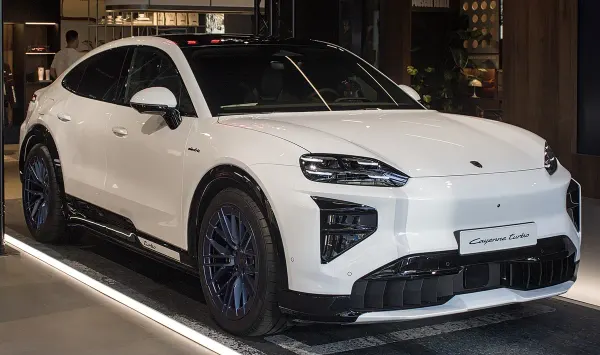
Porsche's SUVs now make up most of its production. Here's how the smaller Macan and the bigger Cayenne compare on size, price, and power, from the gas and hybrid versions to the new electric ones.
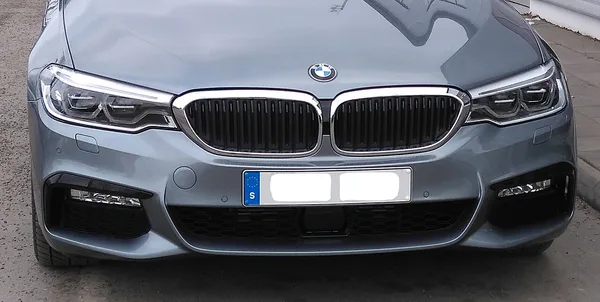
To identify a car from a photo, start with Google Lens or Bing Visual Search, then check the badge against the grille and lights, which are harder to fake. Facelift changes narrow down the year, and the 10th character of the VIN pins it down.